
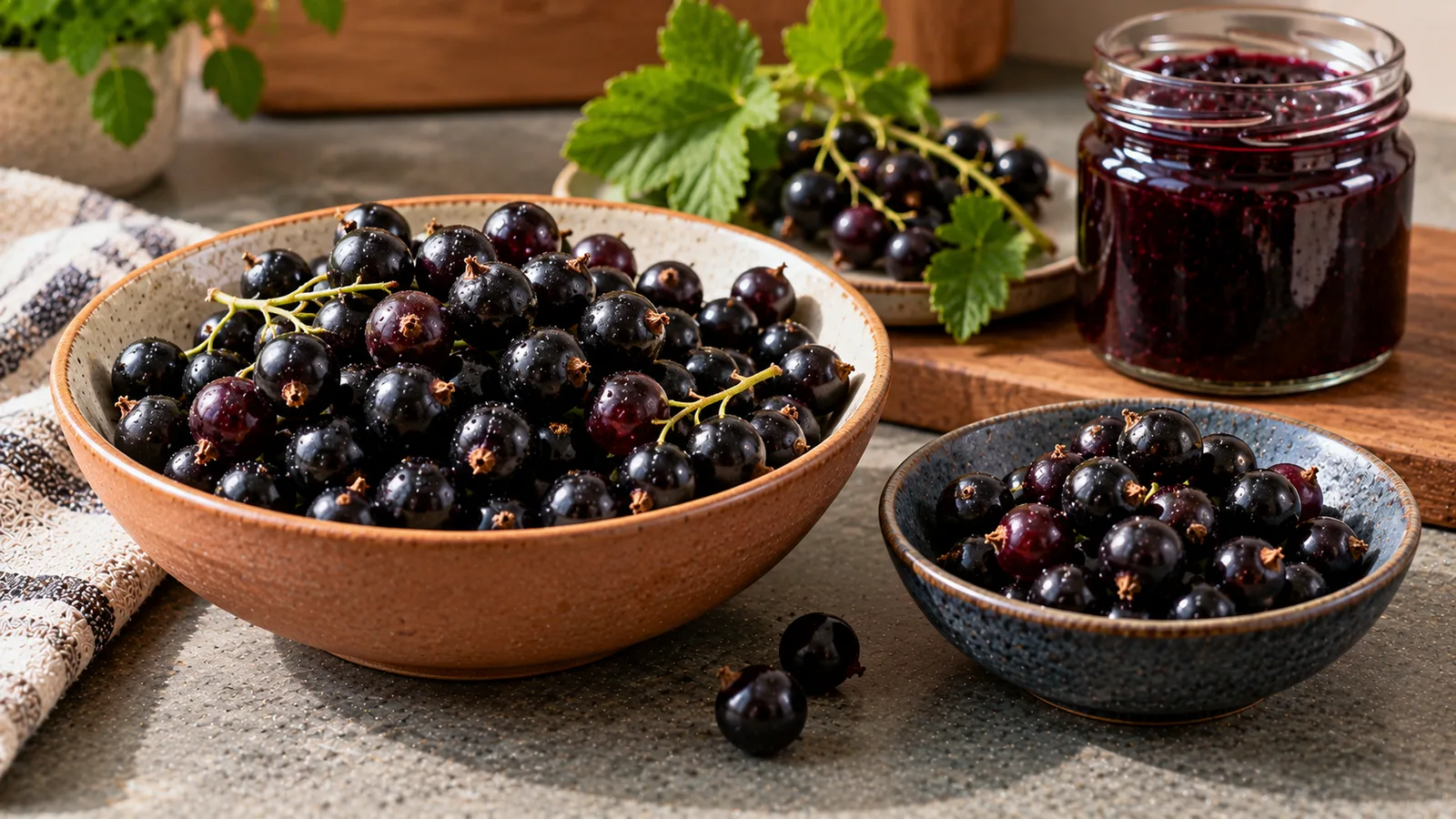
Calories in Blackcurrants: Raw Berries and per 100 g
Raw blackcurrants provide 63 kcal per 100 g. Compare small portions, nutrients and vitamin C, and learn why jam needs a separate calculation.
Read article →Learn about calories, macros and nutrition in everyday foods.
Raw blackcurrants provide 63 kcal per 100 g. Compare small portions, nutrients and vitamin C, and learn why jam needs a separate calculation.
Read article →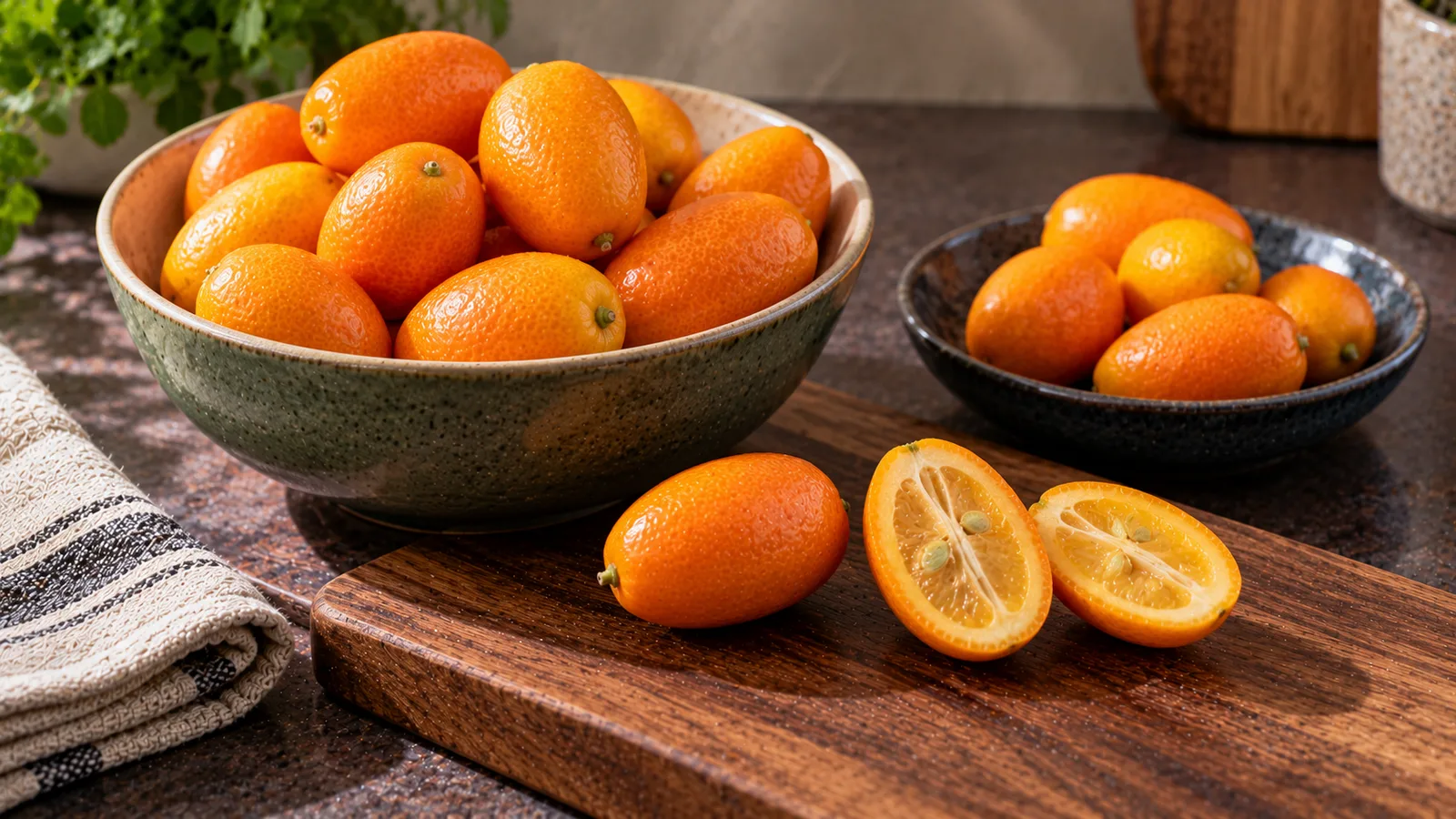
One raw kumquat is about 13 kcal at the USDA 19 g serving weight. See calories per fruit, nutrition per 100 g, edible peel and portion calculations.
Read article →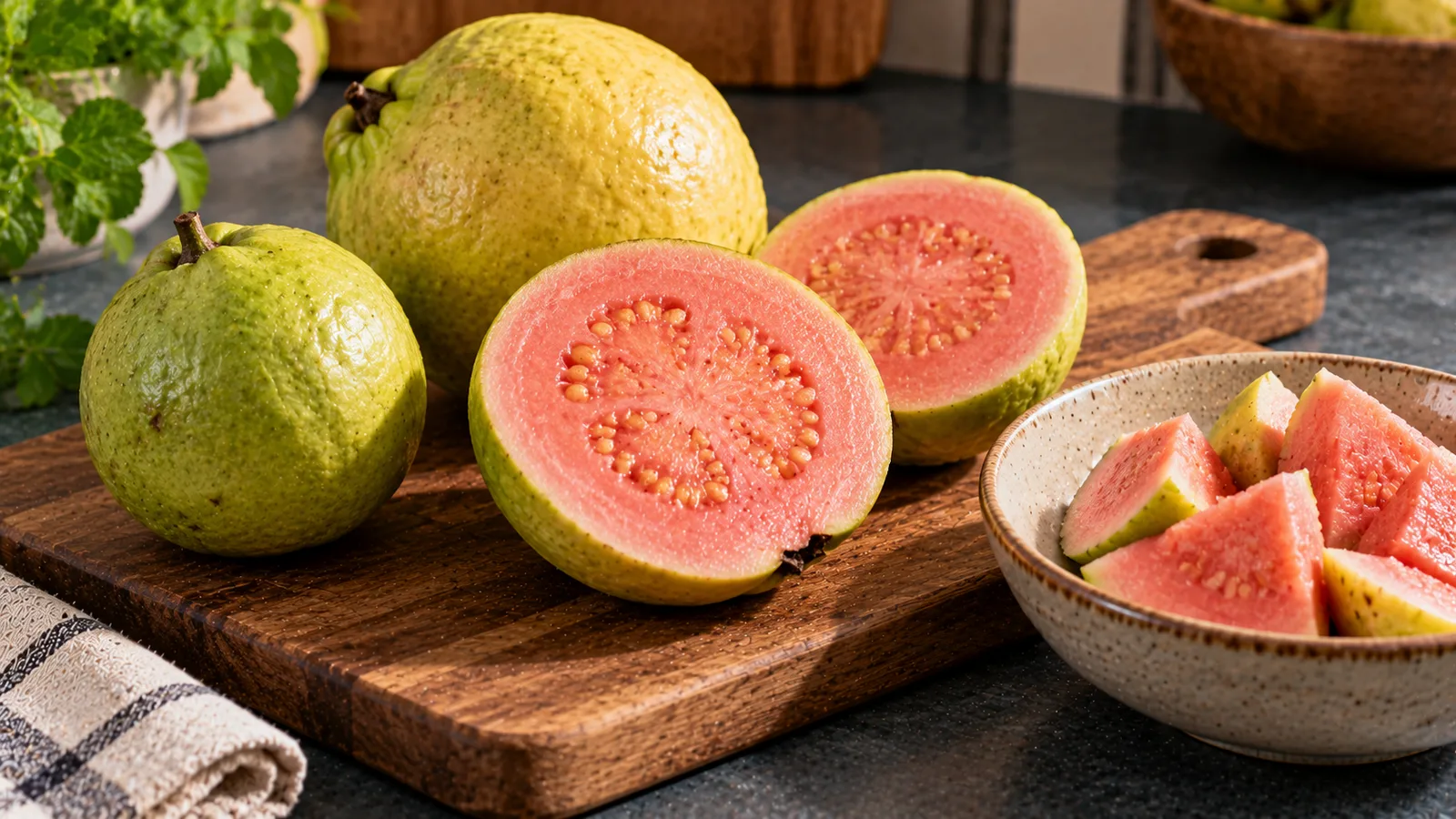
Raw guava has 68 kcal per 100 g and about 37 kcal per USDA 55 g edible fruit. Compare small and large portions, fibre and fruit waste.
Read article →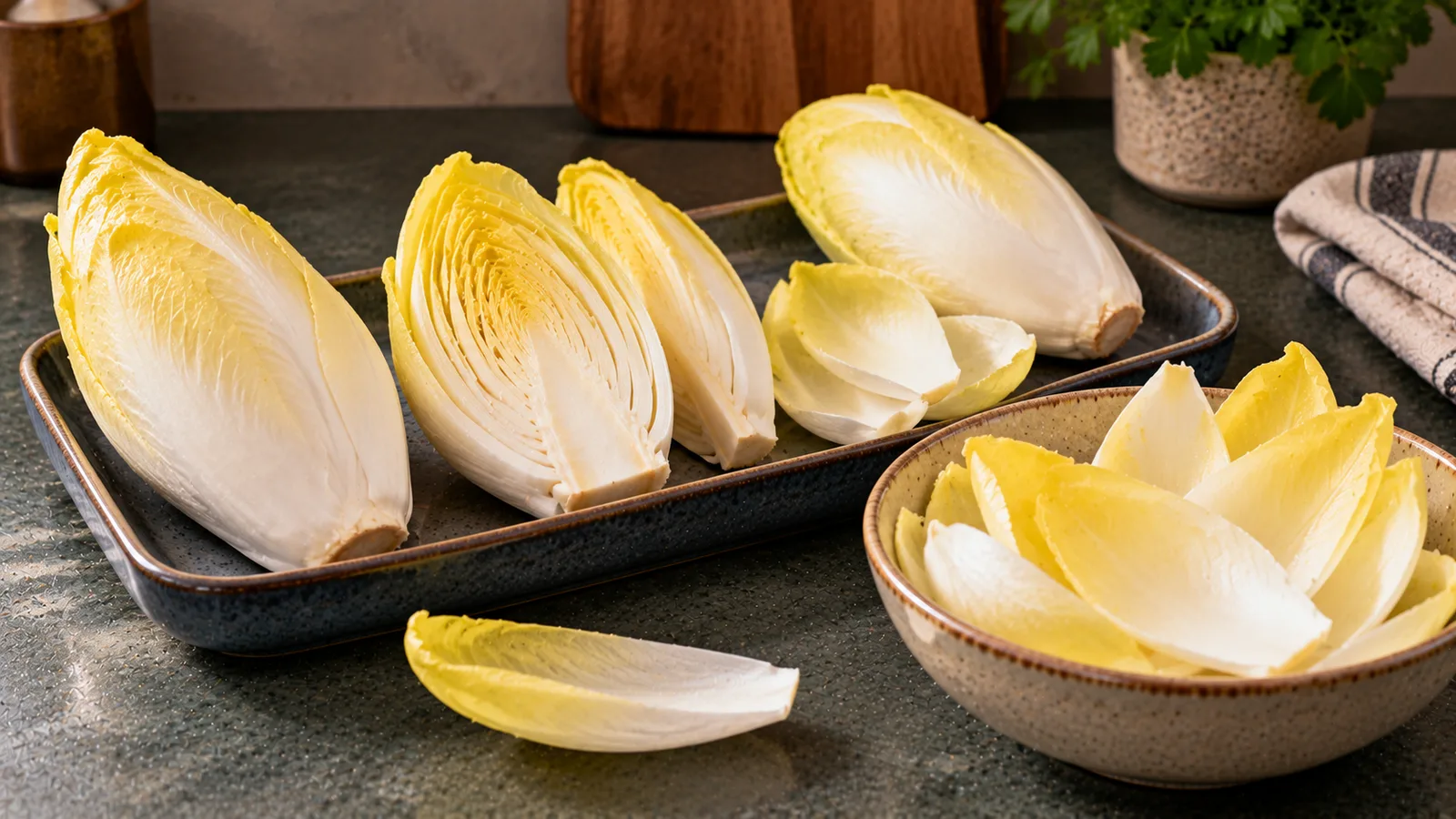
Belgian endive (witloof) has 17 kcal per 100 g. Compare weighed raw-leaf portions, nutrients, and chicory varieties without mixing USDA entries.
Read article →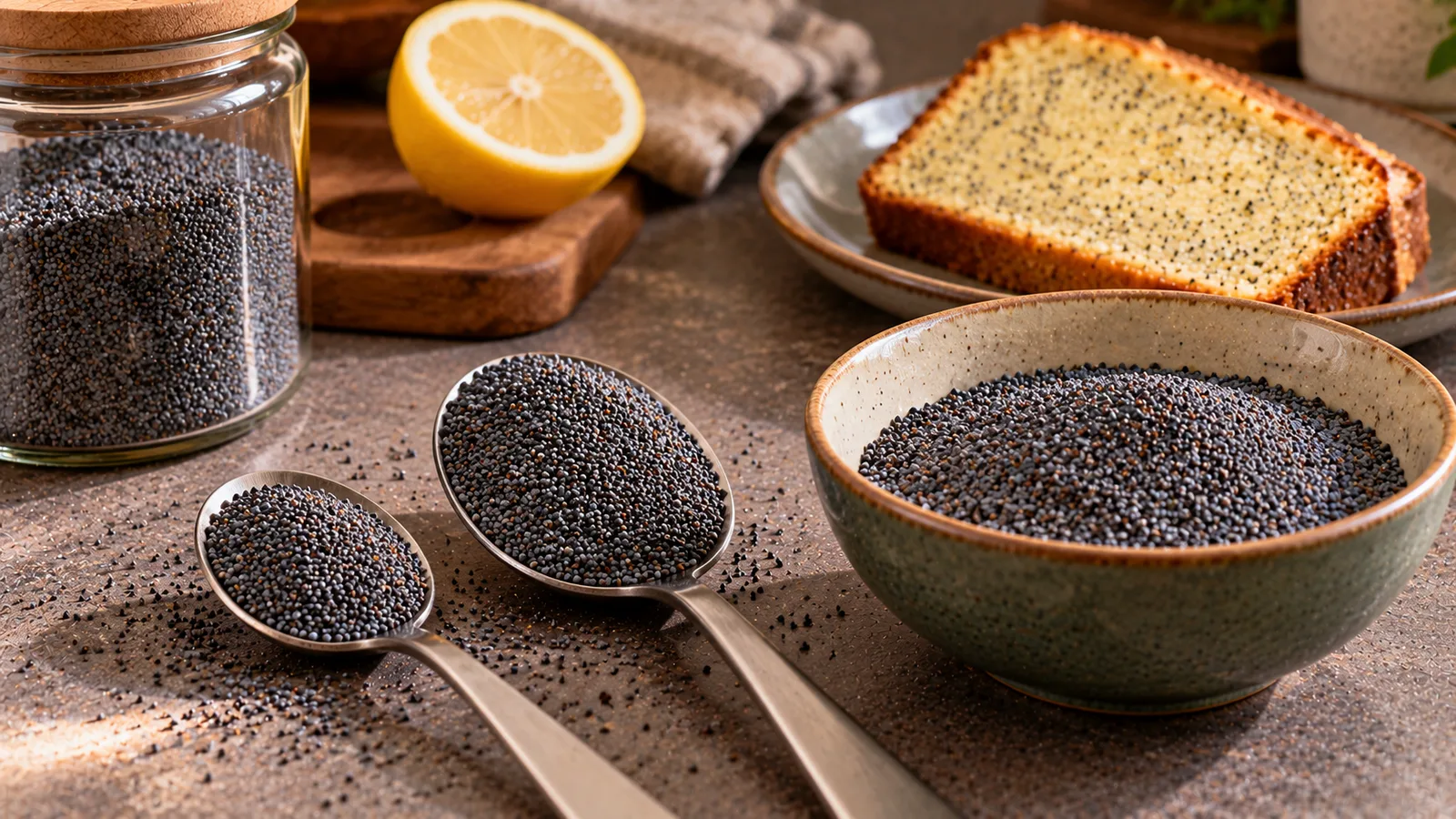
Find poppy seed calories for 2.8 g teaspoons, 8.8 g tablespoons and 100 g; see macros, a baking example and food-safety notes.
Read article →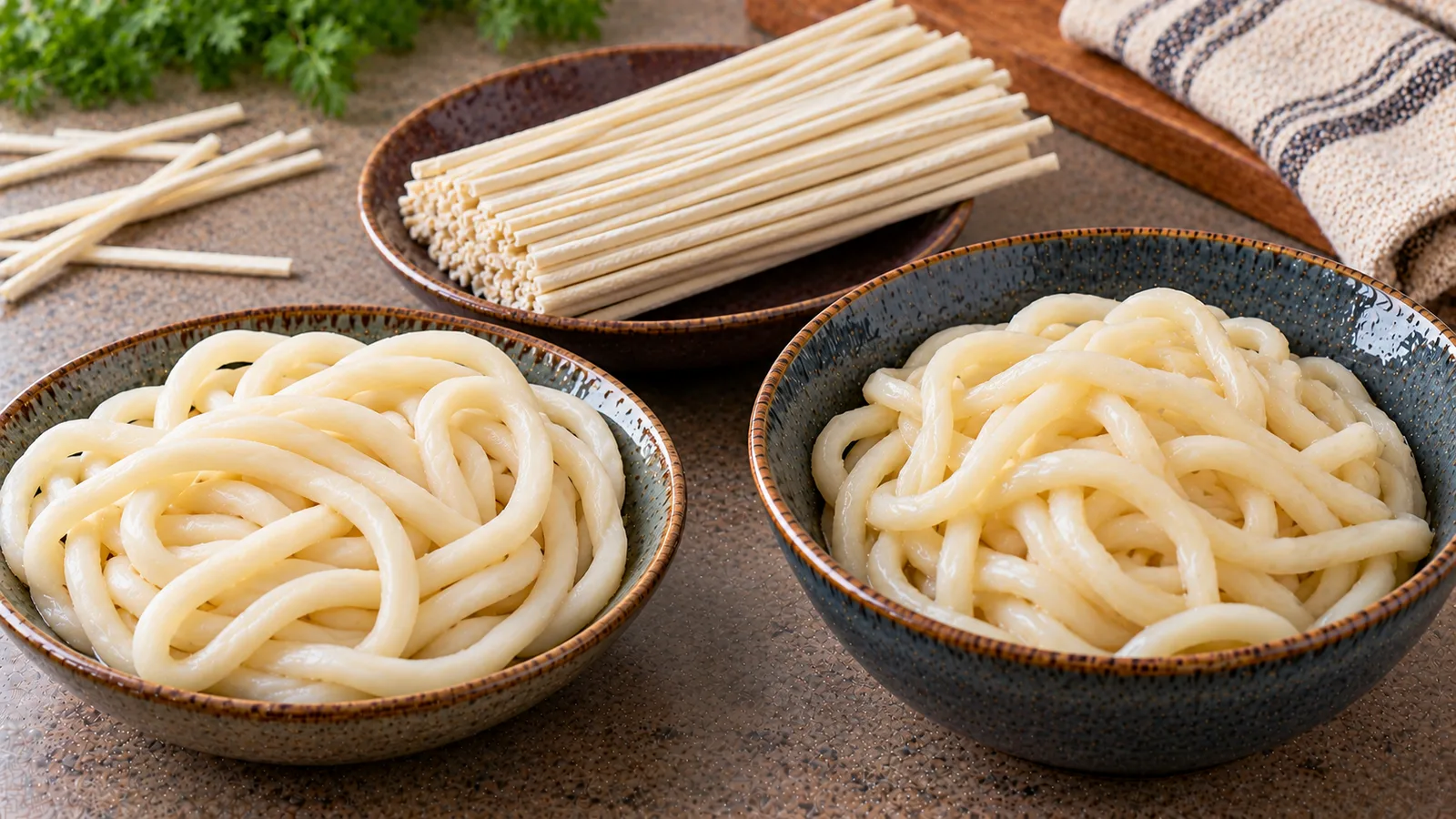
Udon are thick wheat noodles, but the same word on a package can describe fresh uncooked dough, a dry shelf-stable product or moist noodles that are.
Read article →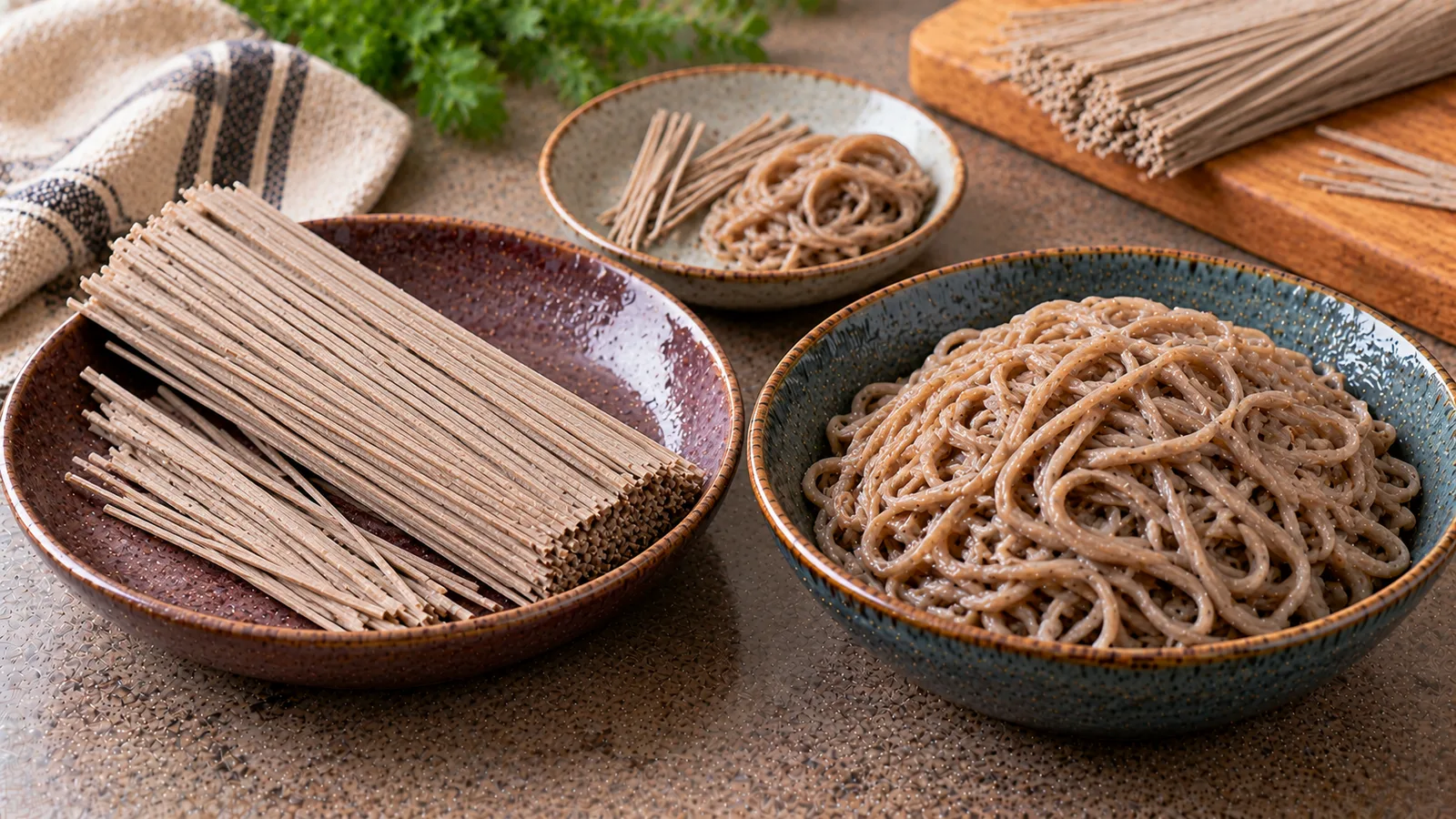
Soba are Japanese-style noodles traditionally associated with buckwheat. Their calorie count depends most of all on whether the weight you have recorded is dry or cooked. A dry bundle and a plate of noodles do not represent the same amount of water, and two packages called soba need not contain the
Read article →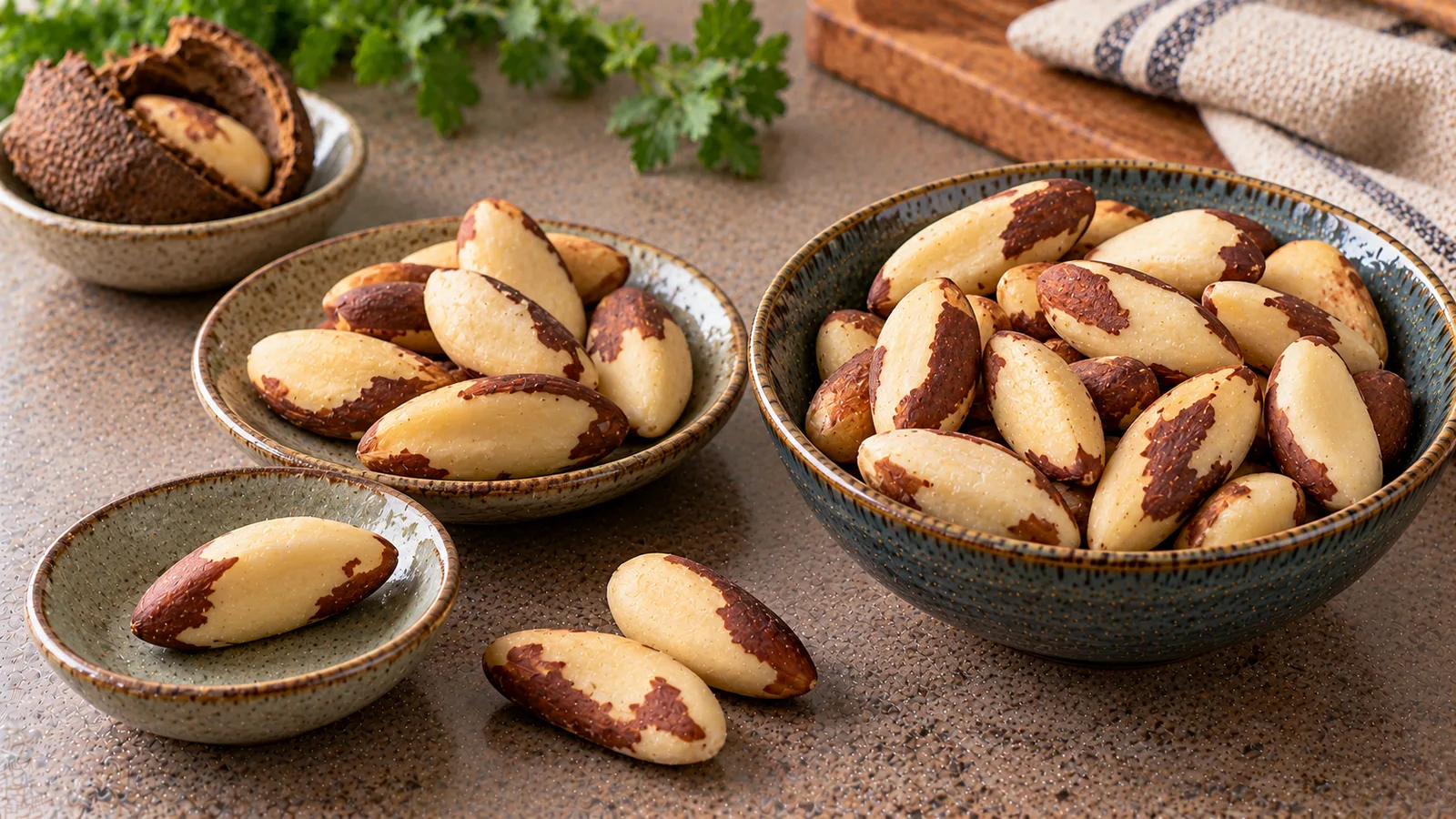
Calories in Brazil nuts: 659 kcal per 100 g, roughly 33 per 5 g nut and 198 per 30 g. Understand selenium variability and safe interpretation.
Read article →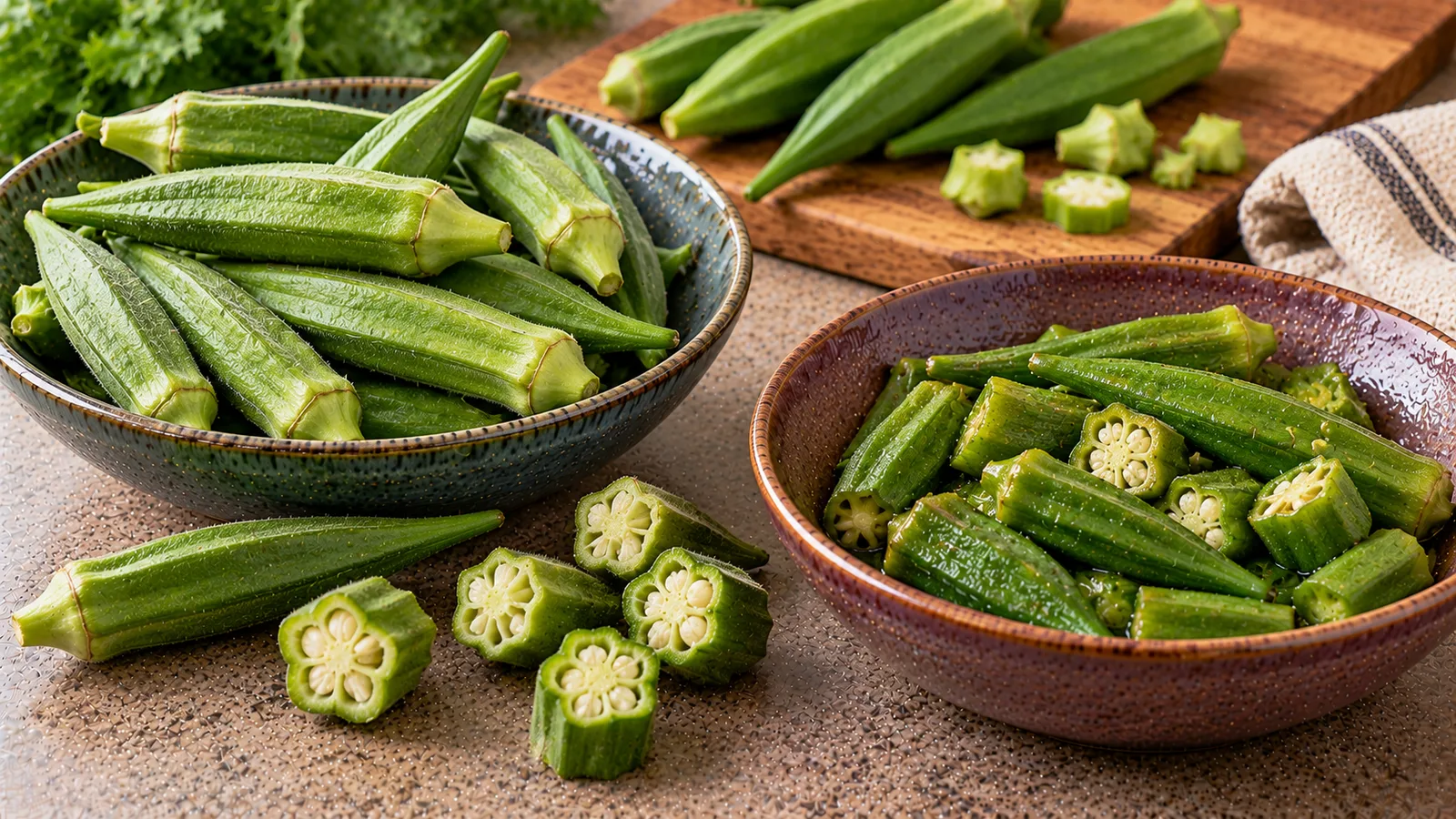
Okra has 33 kcal per 100 g raw and 22 kcal per 100 g boiled, drained. See weighed portions, fibre, added oil and raw-versus-cooked tracking.
Read article →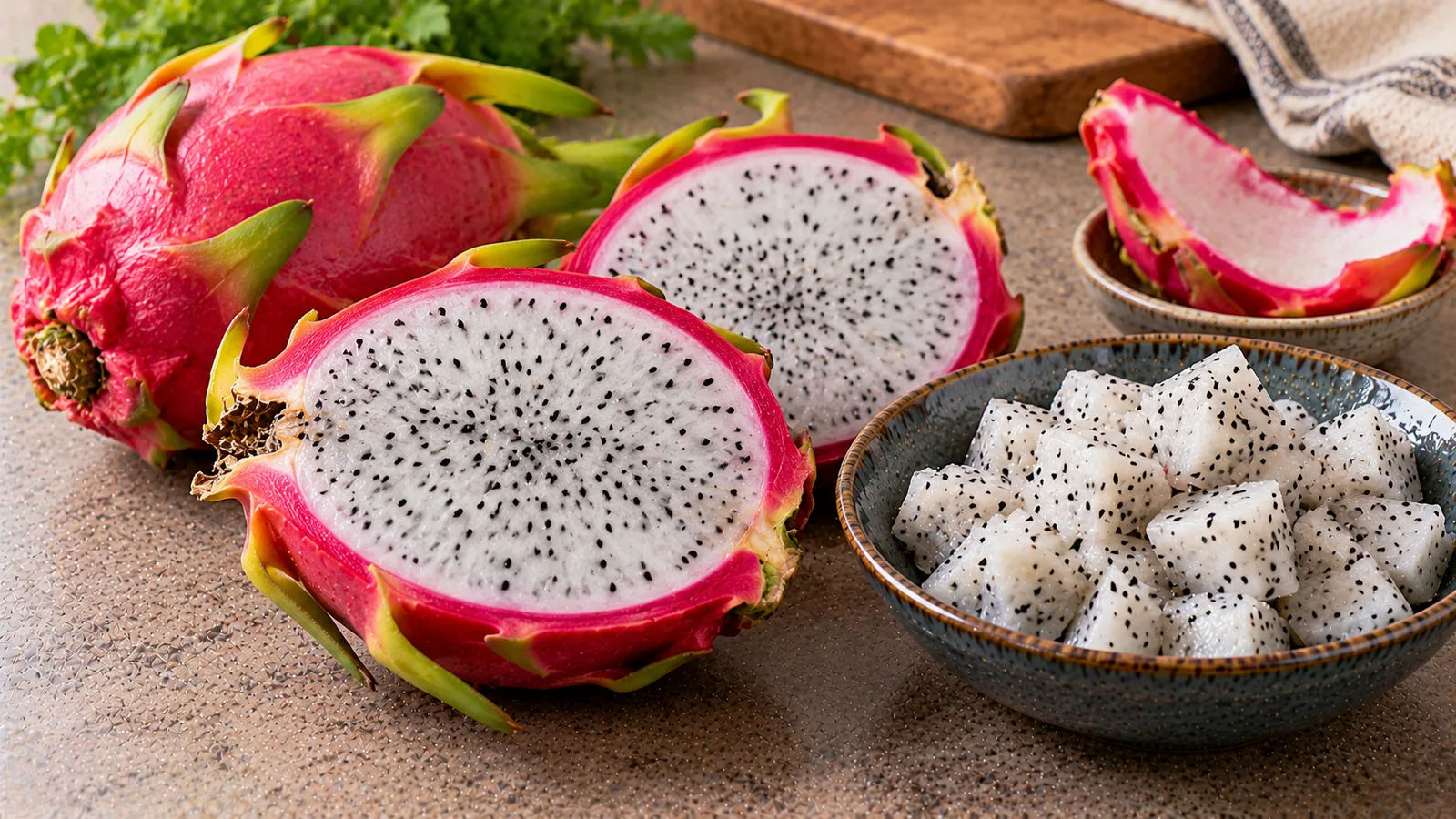
How many calories are in dragon fruit? Compare 52, 58 and 68 kcal per 100 g reference entries, learn to weigh edible flesh and calculate one fruit.
Read article →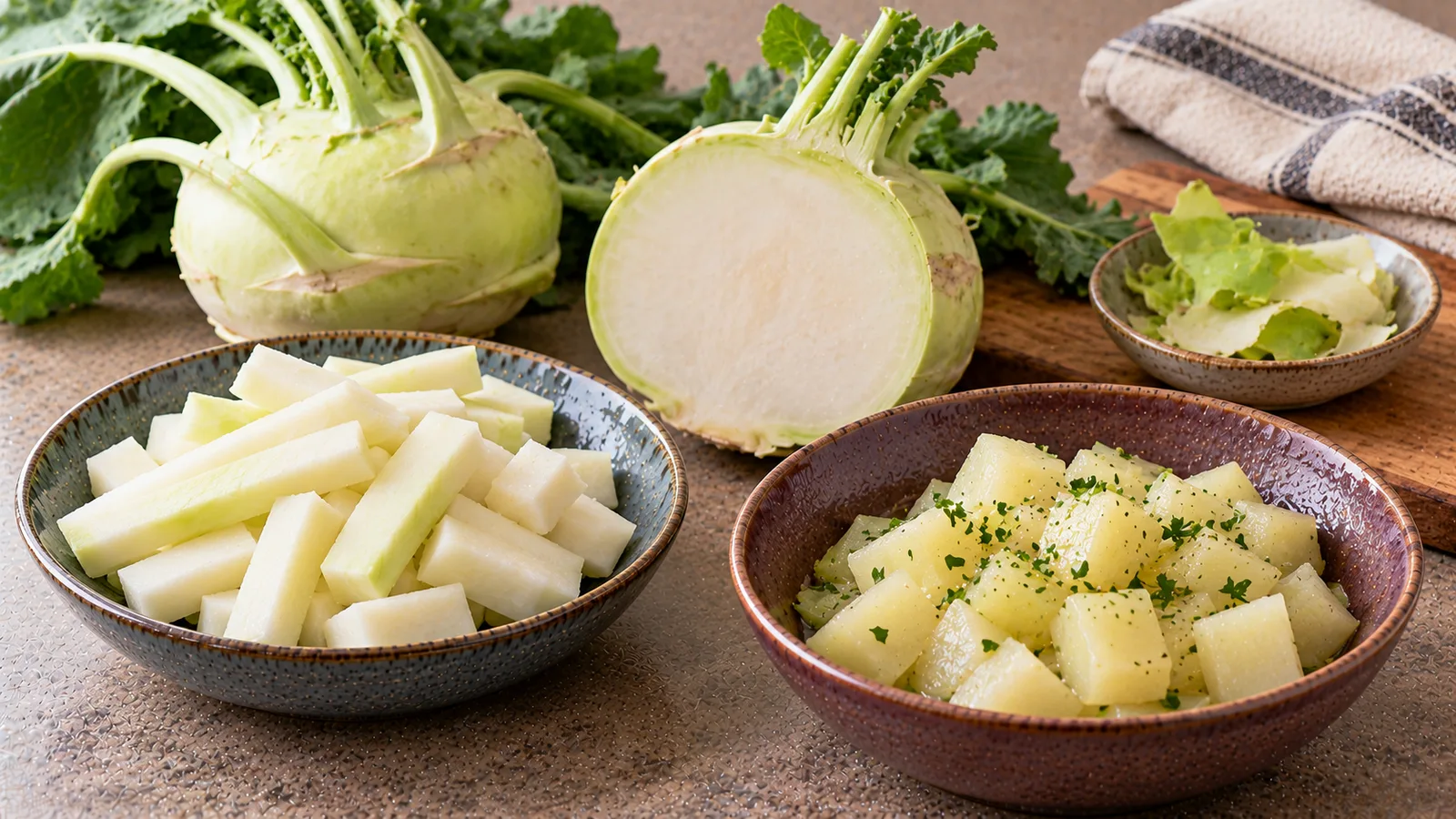
Kohlrabi has 27 kcal per 100 g raw and 29 kcal per 100 g boiled. Compare weighed portions, peeling yield, cooking oil and USDA nutrition.
Read article →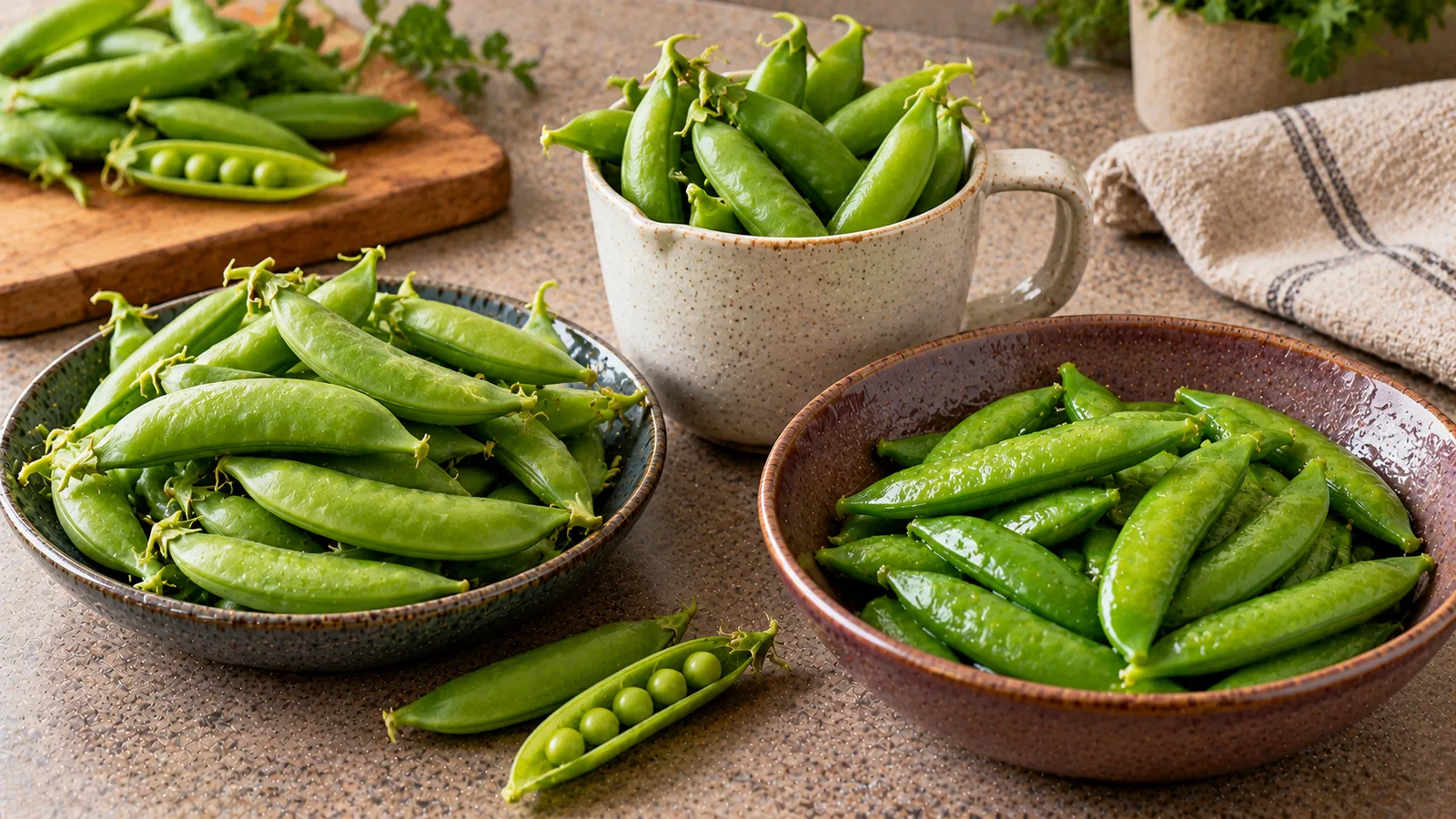
Sugar snap peas calories per 100 g, one cup whole vs chopped, edible weight, macros and cooking oil: a practical USDA-based guide.
Read article →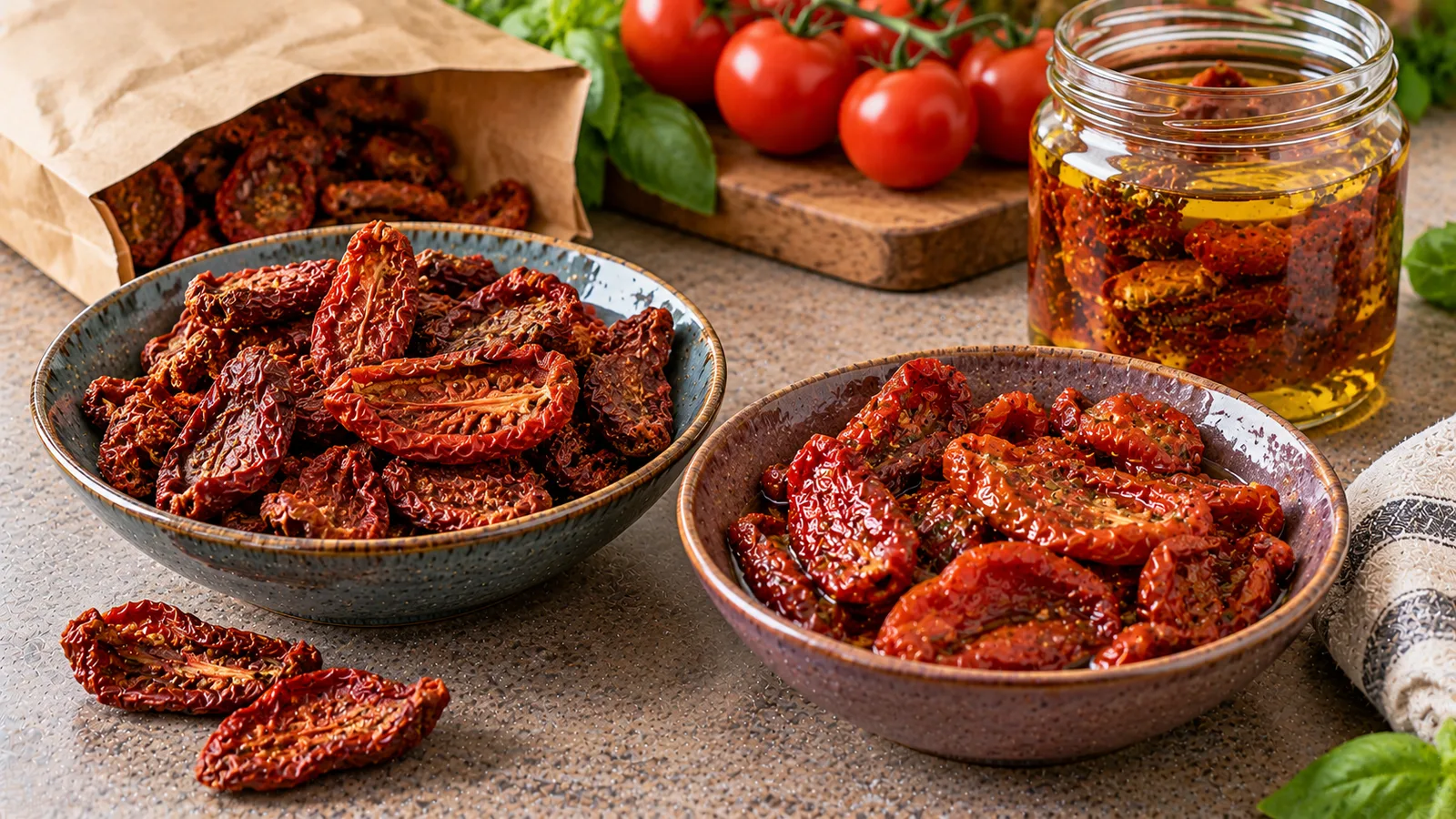
Dry sun-dried tomatoes and oil-packed drained tomatoes use different nutrition records. Compare portions, extra oil and rehydrated weight.
Read article →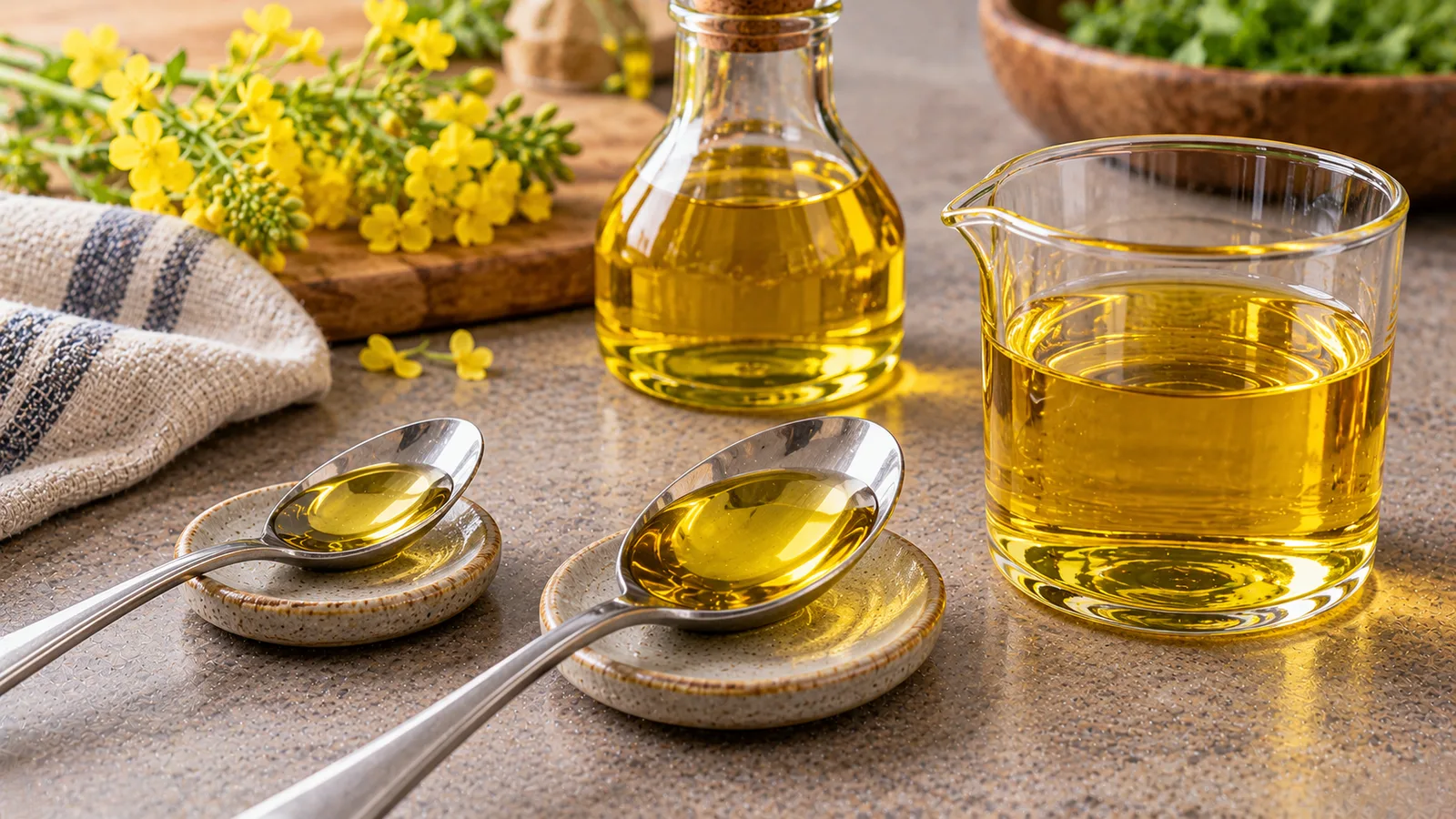
Rapeseed oil supplies around 884 kcal per 100 g; volume portions need a density conversion.
Read article →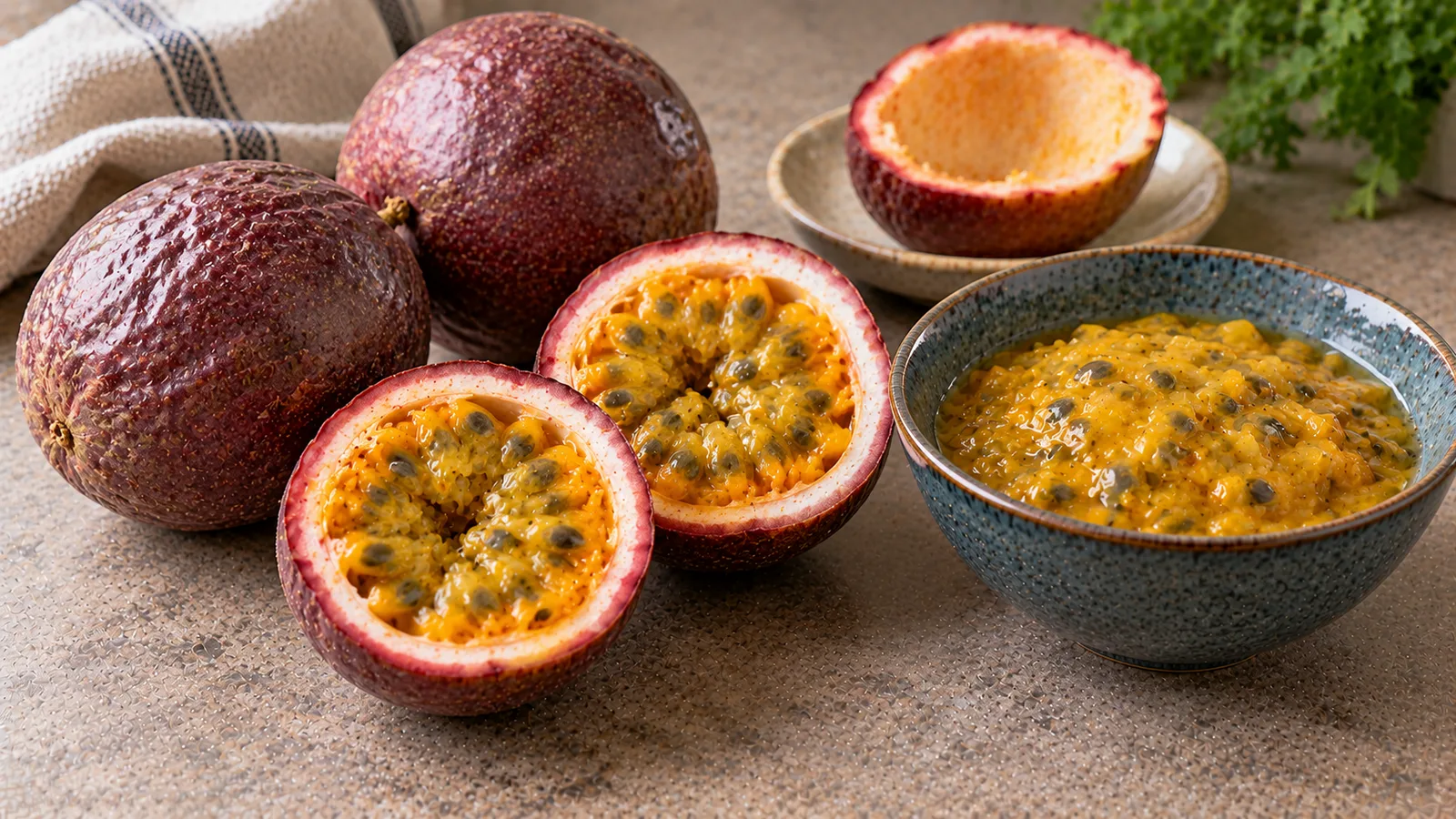
Passion fruit has 97 kcal per 100 g edible pulp and seeds; a reference 18 g serving has about 17 kcal. Calculate servings without counting the rind.
Read article →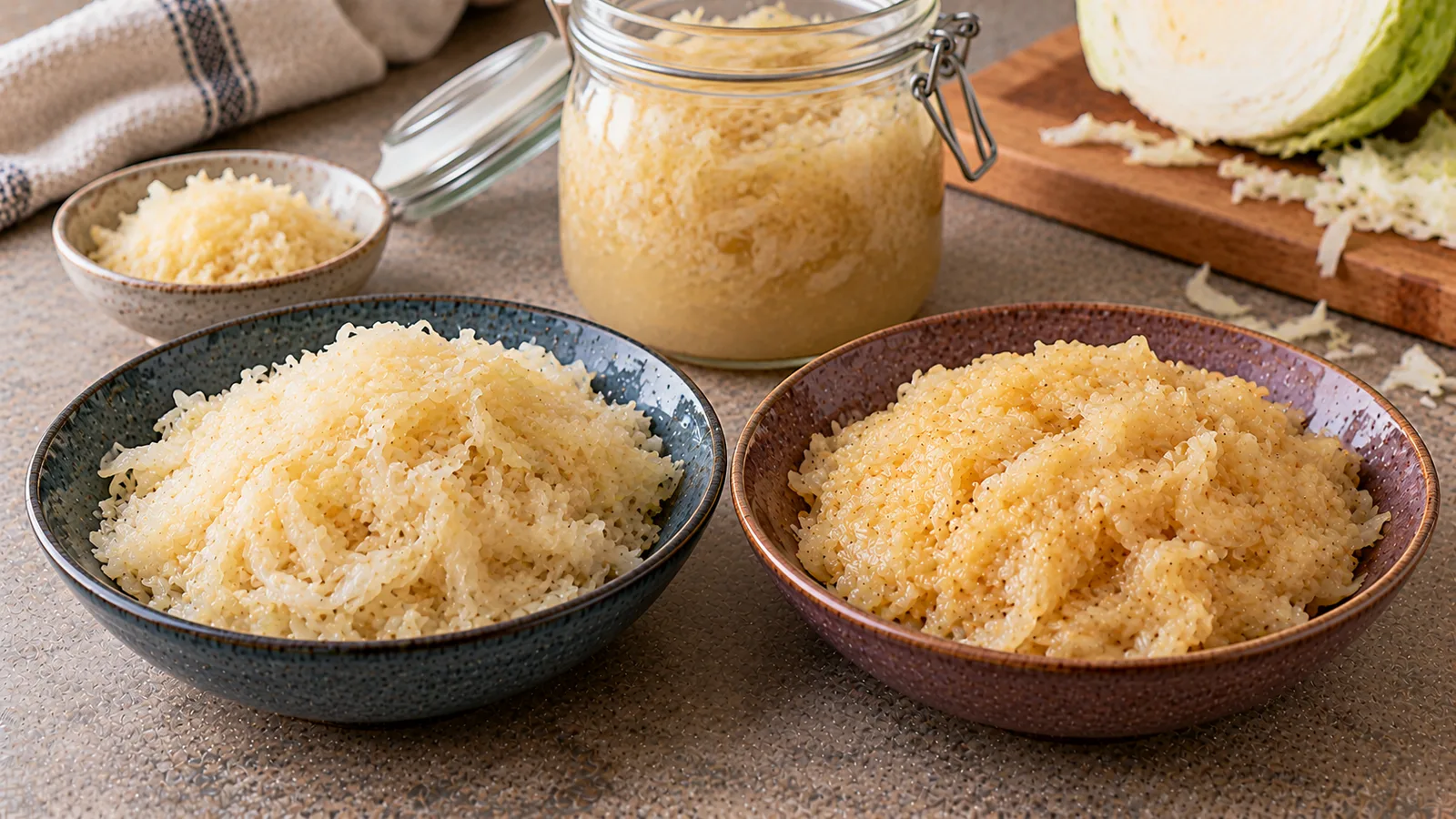
Calories in sauerkraut: 19 kcal per 100 g in the USDA reference. Compare raw, heated and drained servings, oil and salt.
Read article →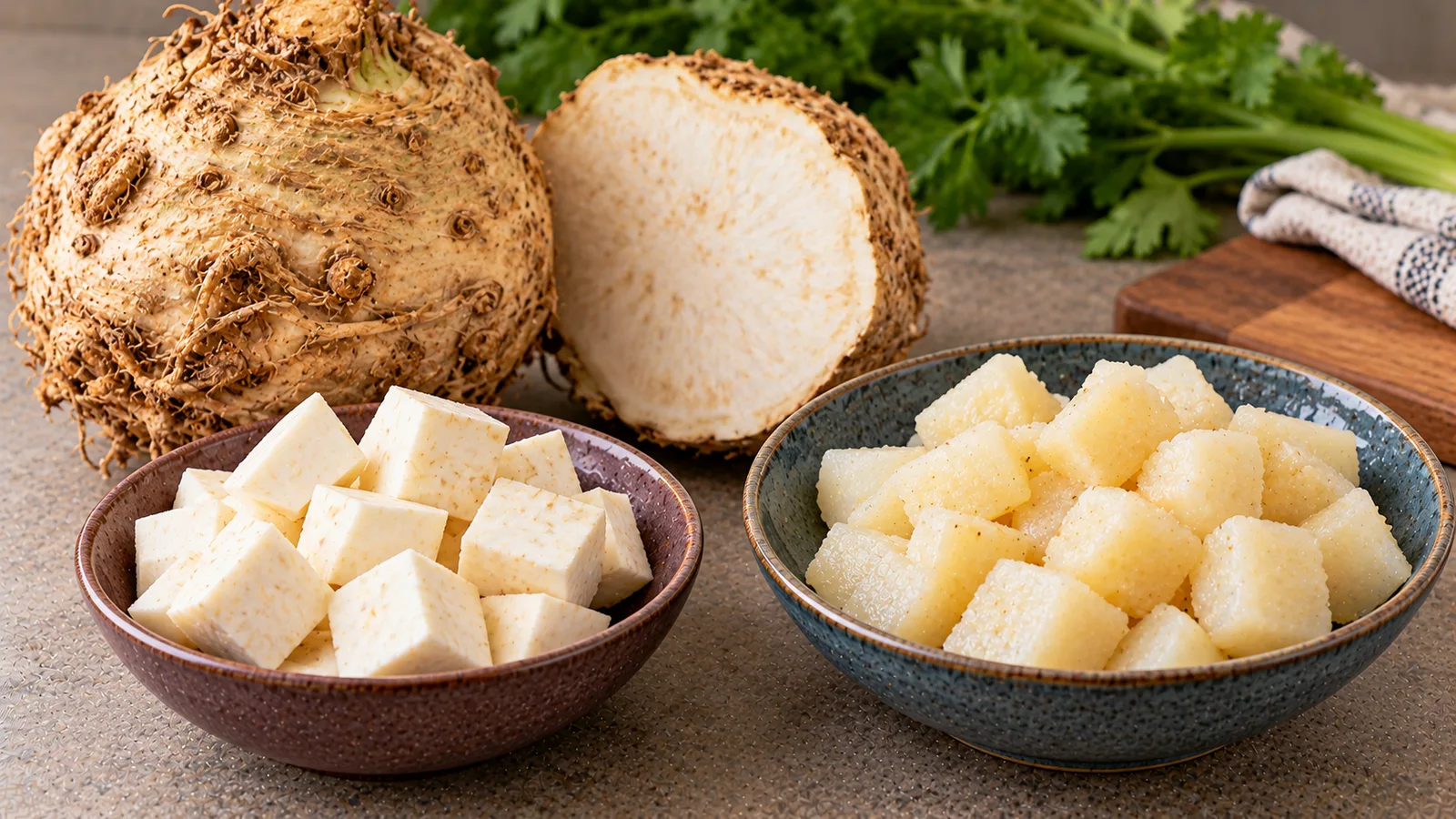
How many calories are in celeriac? Compare 42 kcal raw and 27 kcal boiled per 100 g, calculate edible yield after peeling and weigh real portions.
Read article →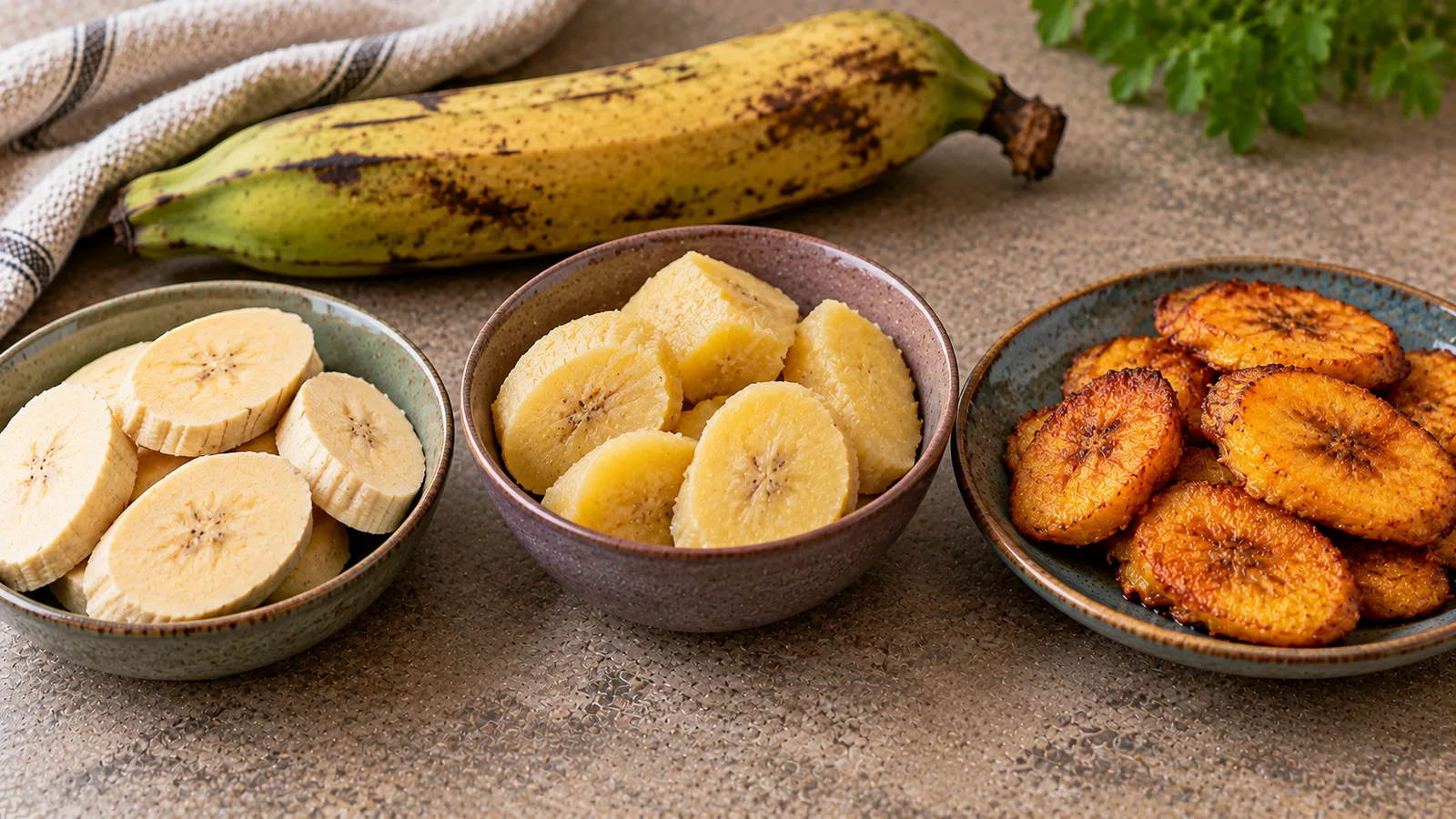
Compare raw, boiled and fried plantain calories per 100 g and by weighed portion, including ripeness, frying oil and edible weight.
Read article →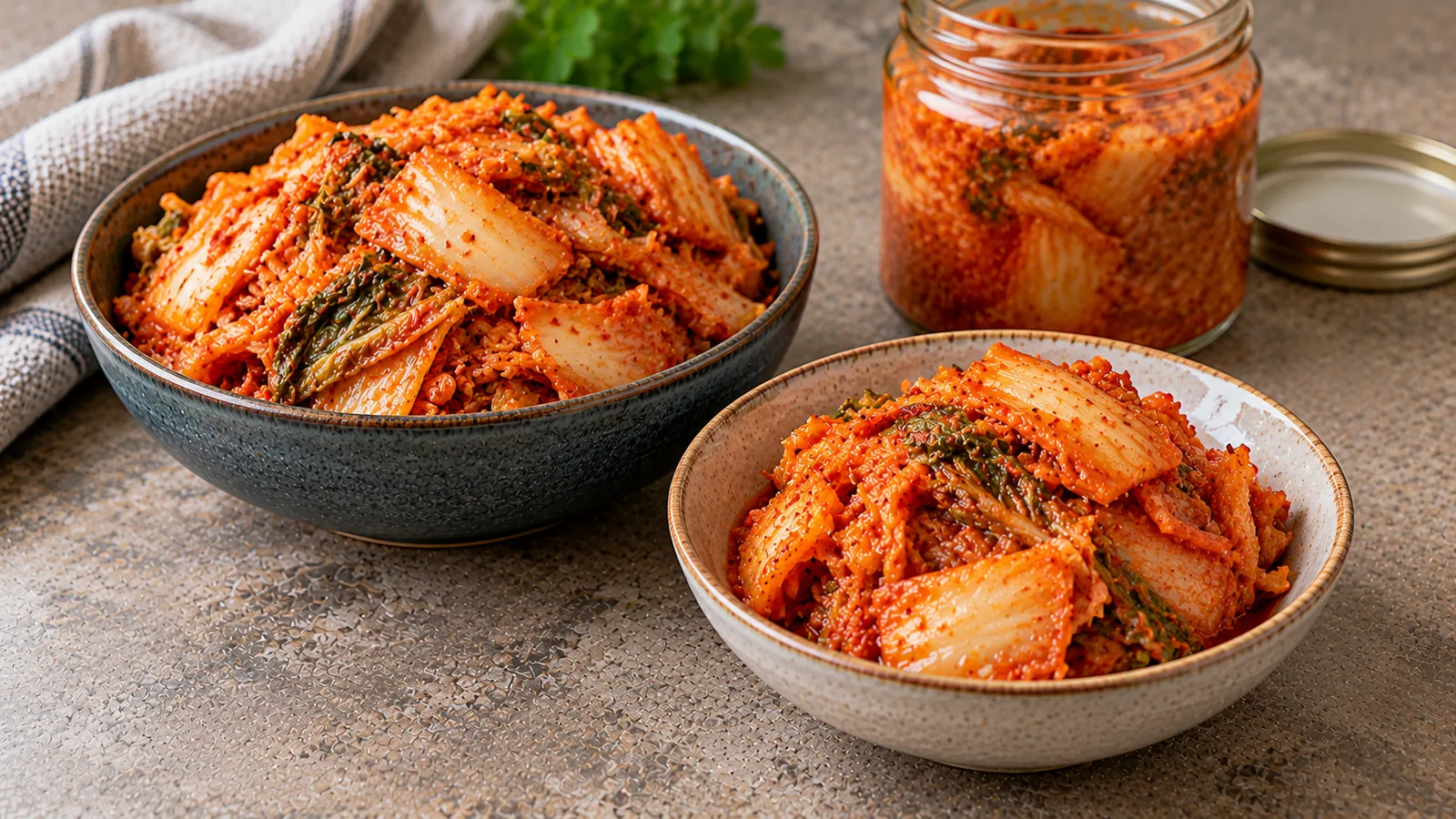
How many calories and how much sodium are in kimchi? Compare 50–150 g servings, salt equivalents and ingredients using an identified USDA record.
Read article →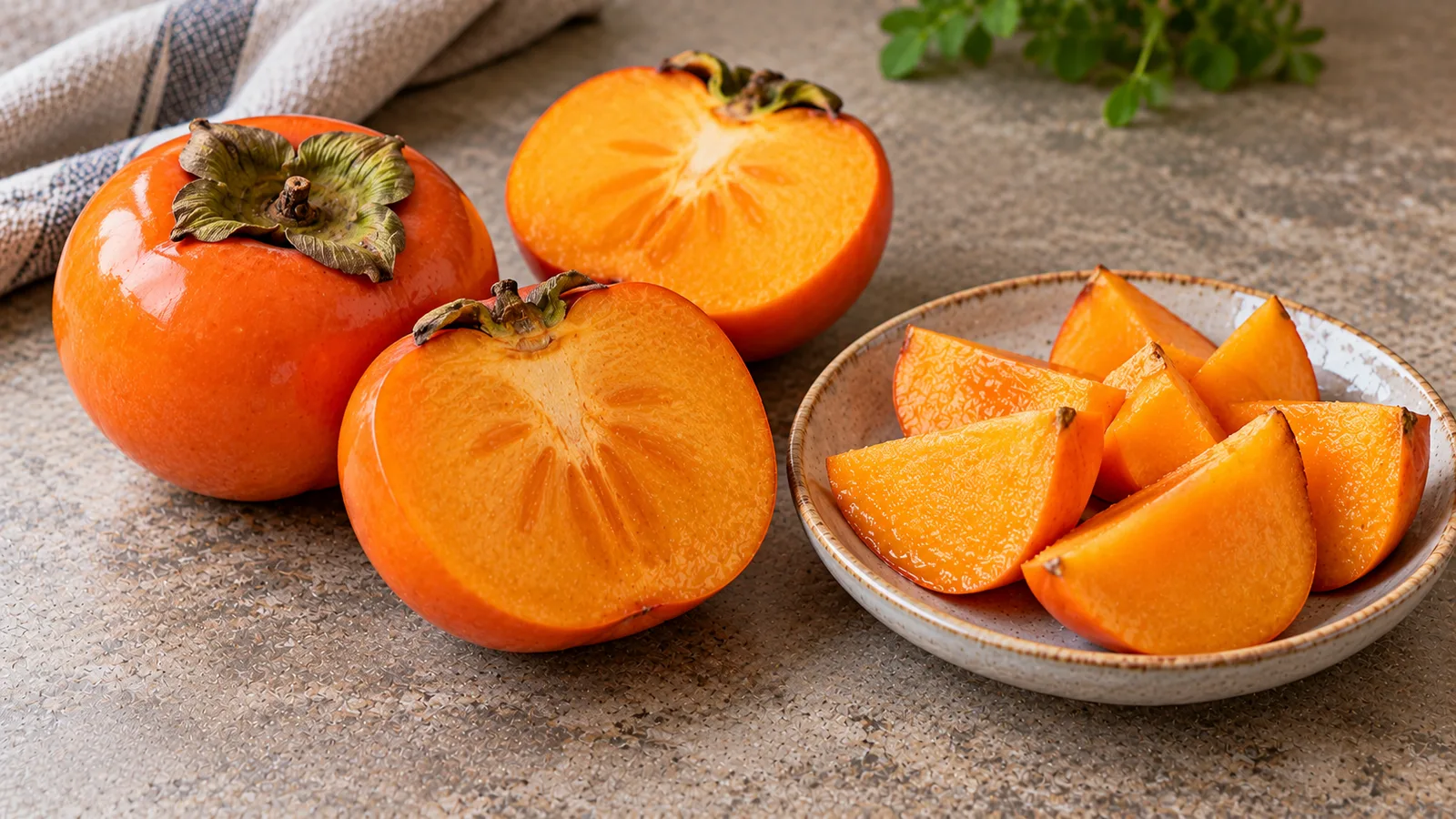
Persimmon calories per 100 g and per fruit. Learn to weigh edible flesh, compare varieties and calculate a serving without counting peel twice.
Read article →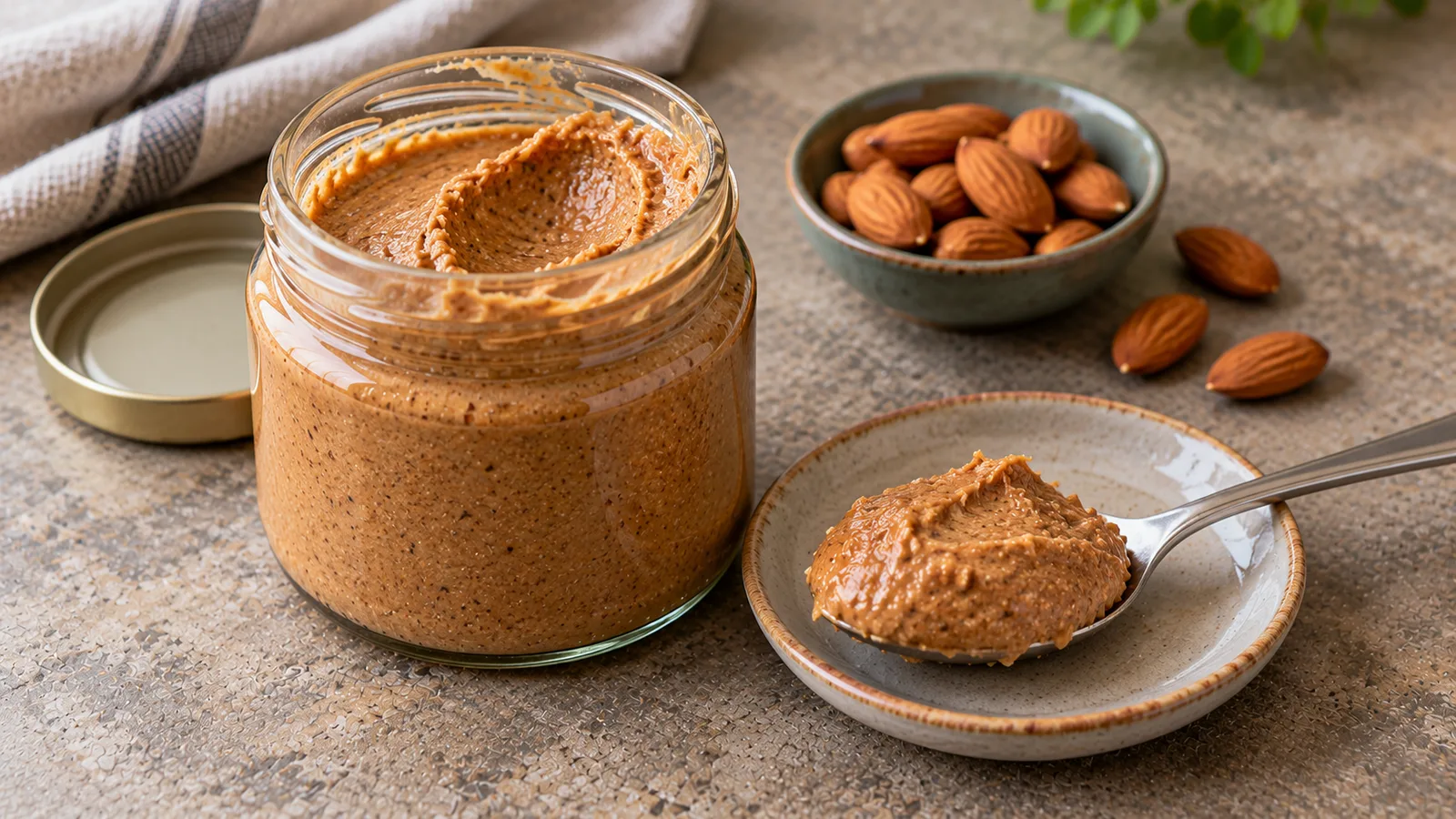
Calculate almond butter calories from weighed servings, understand spoon sizes and compare nutrition labels.
Read article →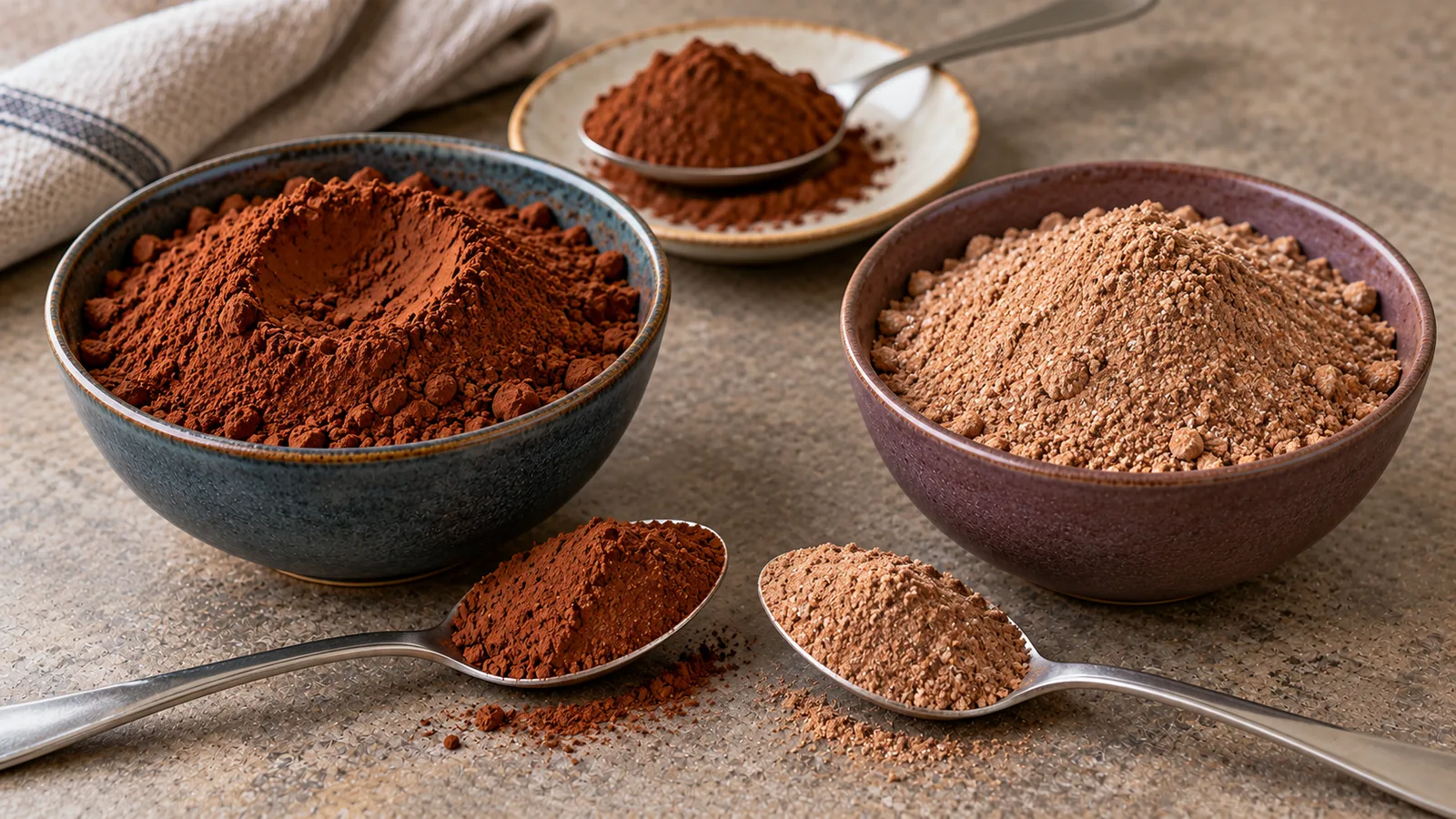
Cocoa calories per 100 g and per spoon, with worked examples for sweetened mixes and prepared drinks.
Read article →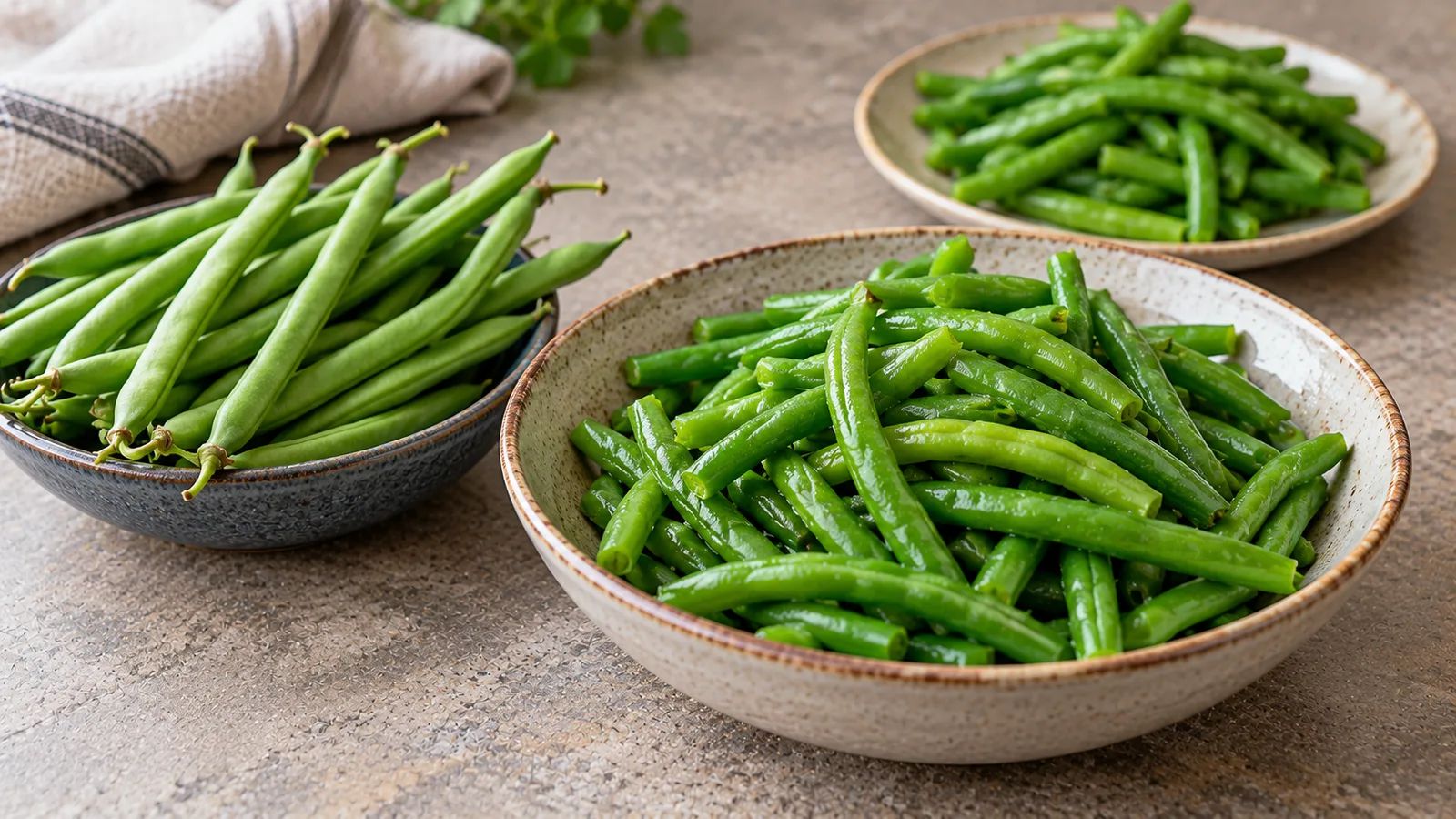
Green bean calories by measured raw or cooked weight, with a 150 g side and dressing calculations.
Read article →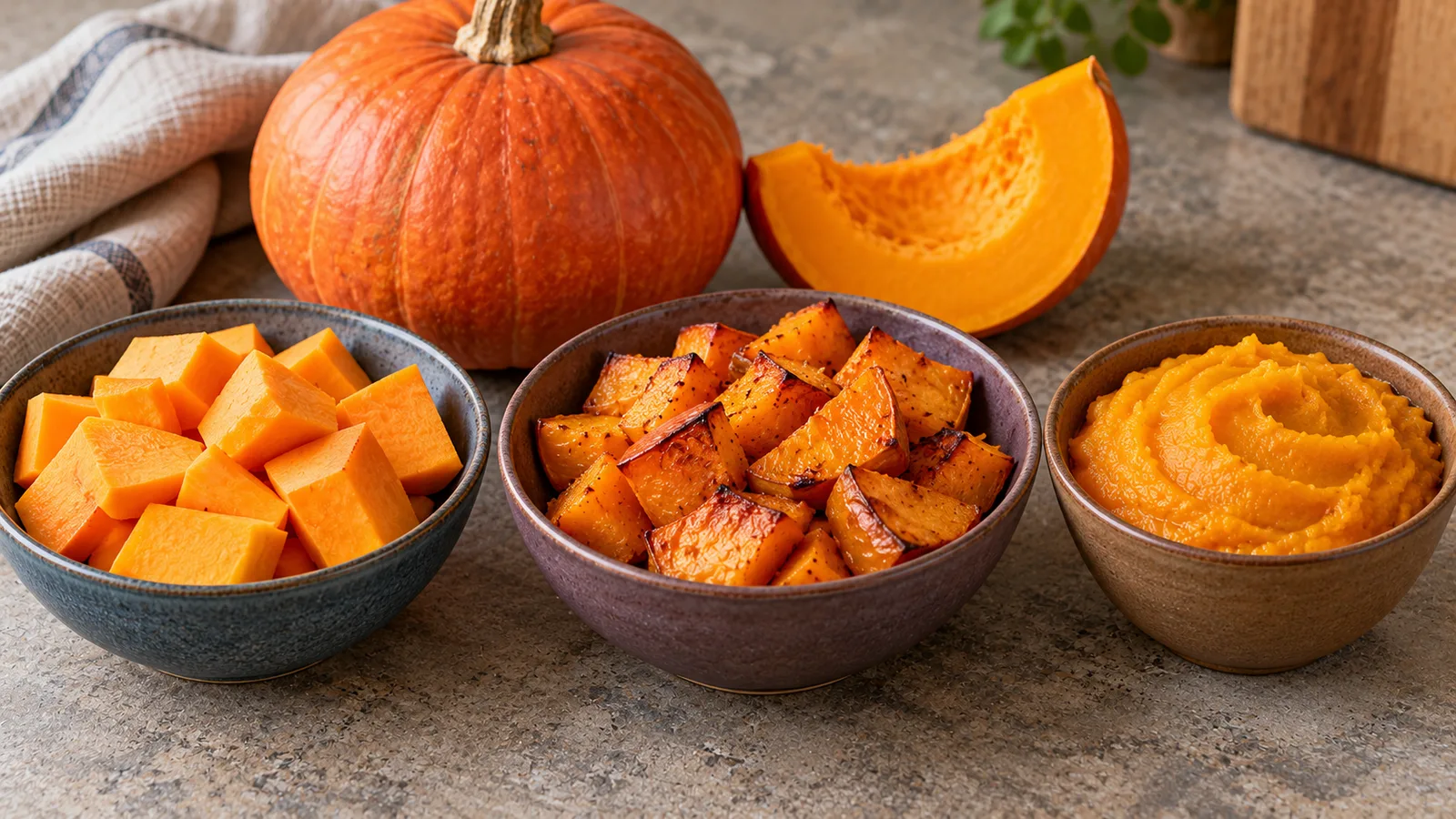
Raw pumpkin has about 26 kcal per 100 g of edible flesh; cooked and plain canned references differ.
Read article →