
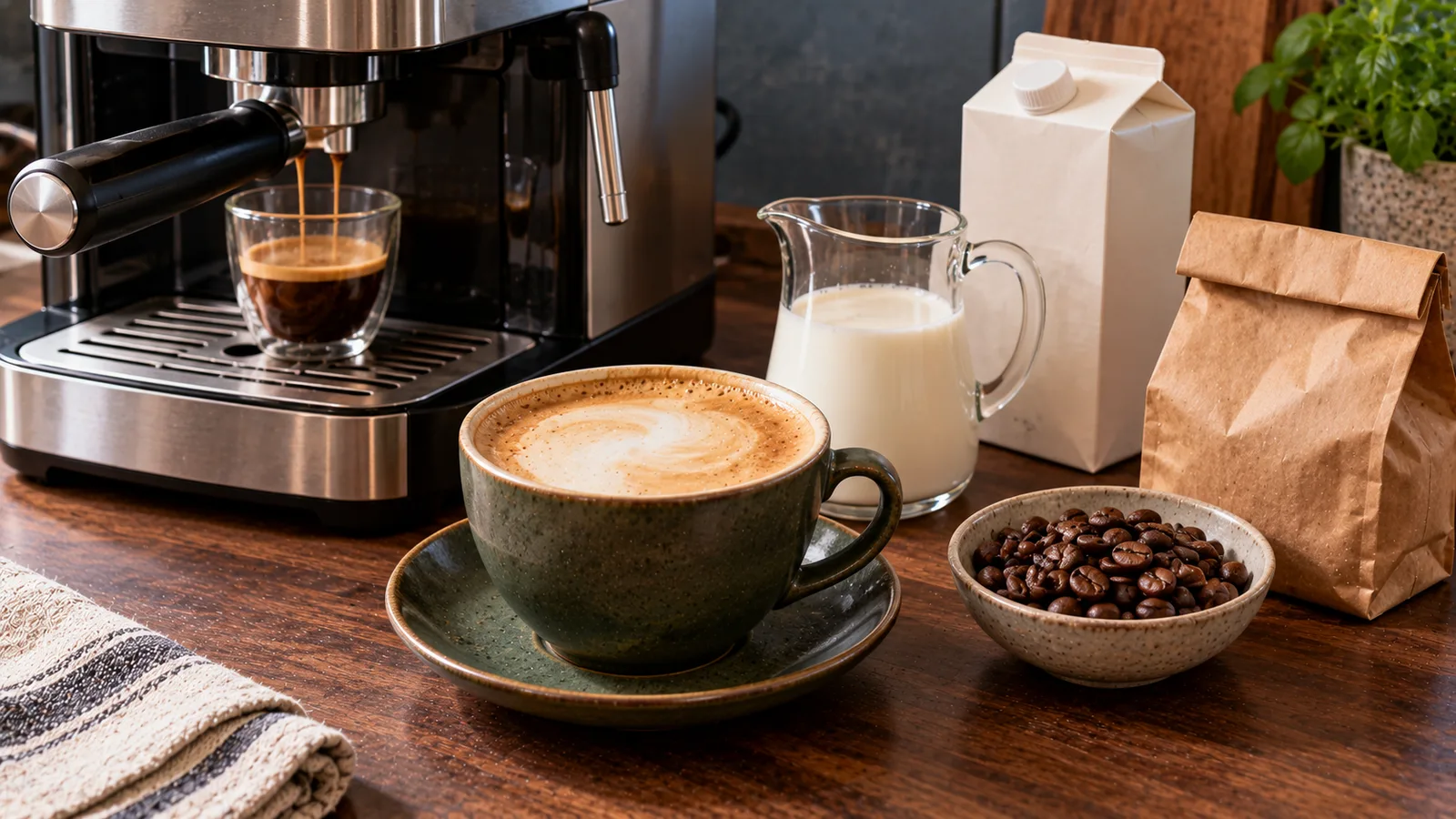
Homemade Coffee Cost per Cup: Beans, Milk and Electricity
Calculate the cost of a homemade coffee using measured beans, milk and kWh. Transparent German product-price example, per-cup math and shopping versus consumption.
Read article →Practical ways to plan meals, shop smarter and manage food spending.
Calculate the cost of a homemade coffee using measured beans, milk and kWh. Transparent German product-price example, per-cup math and shopping versus consumption.
Read article →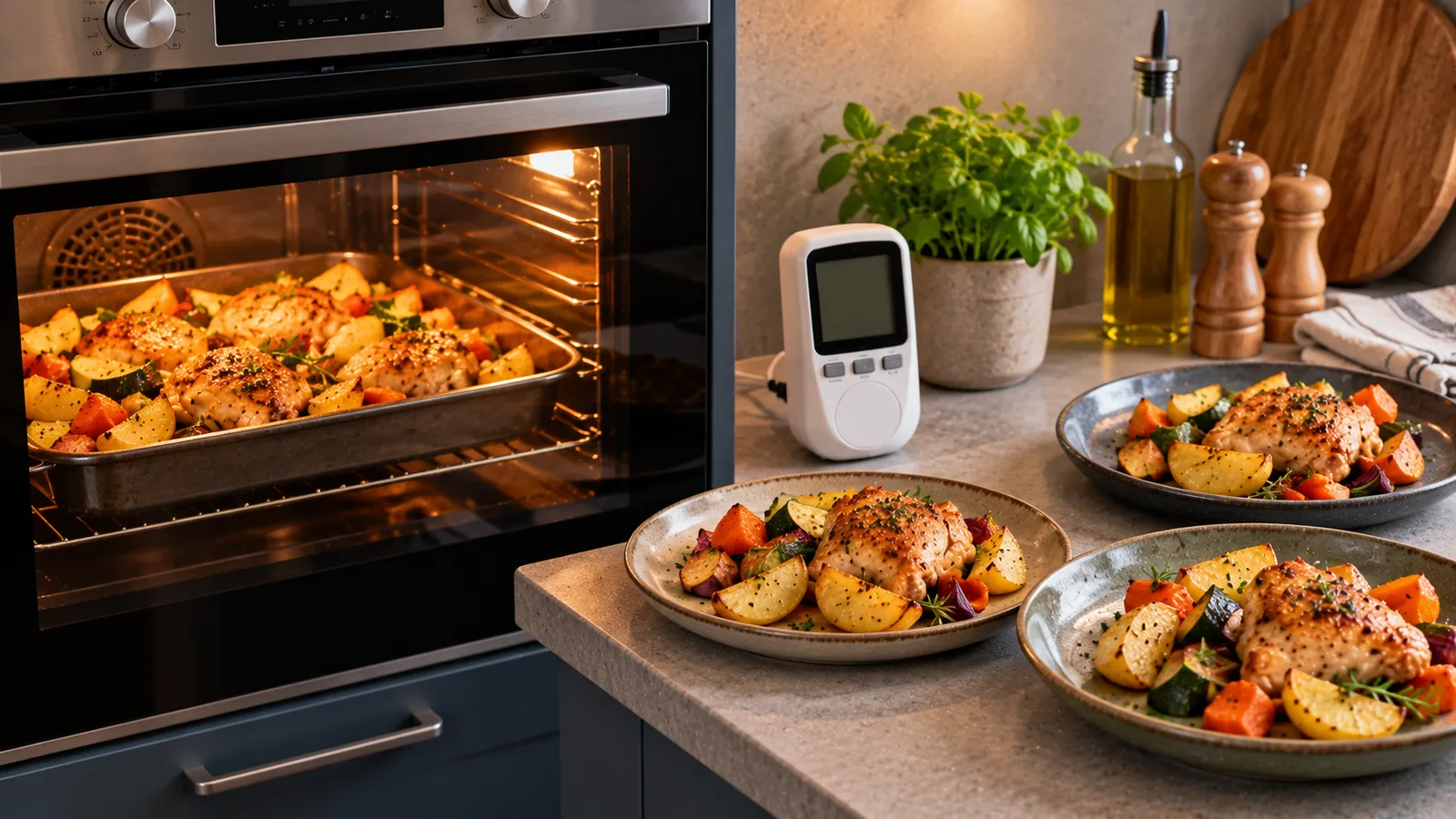
Calculate electricity cost for cooking one batch and each serving using kWh, your own tariff, appliance wattage or a measured reading.
Read article →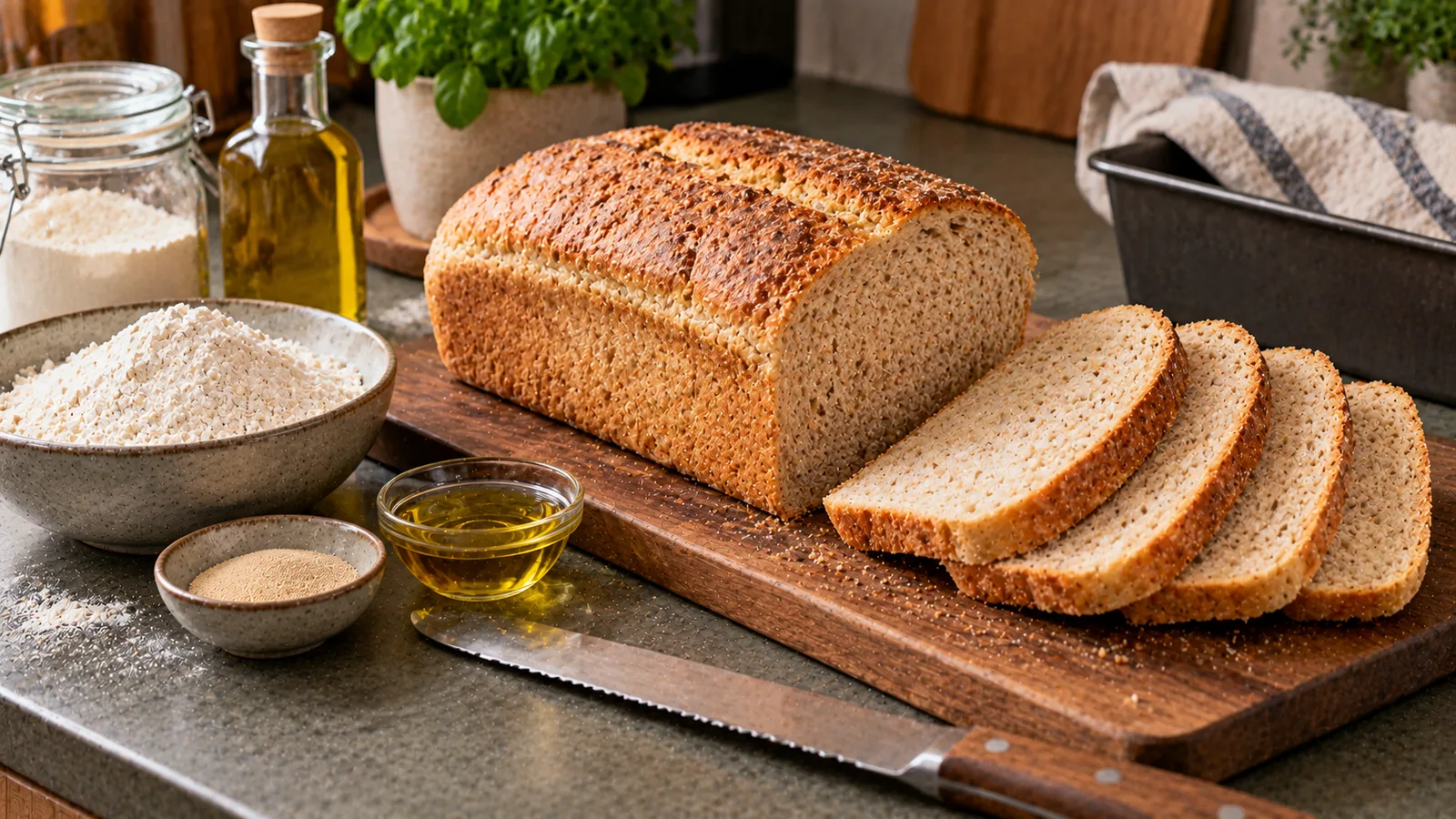
Find the true cost of a homemade loaf and each slice. Price ingredients, oven electricity, cooled bread weight and waste with a measured example.
Read article →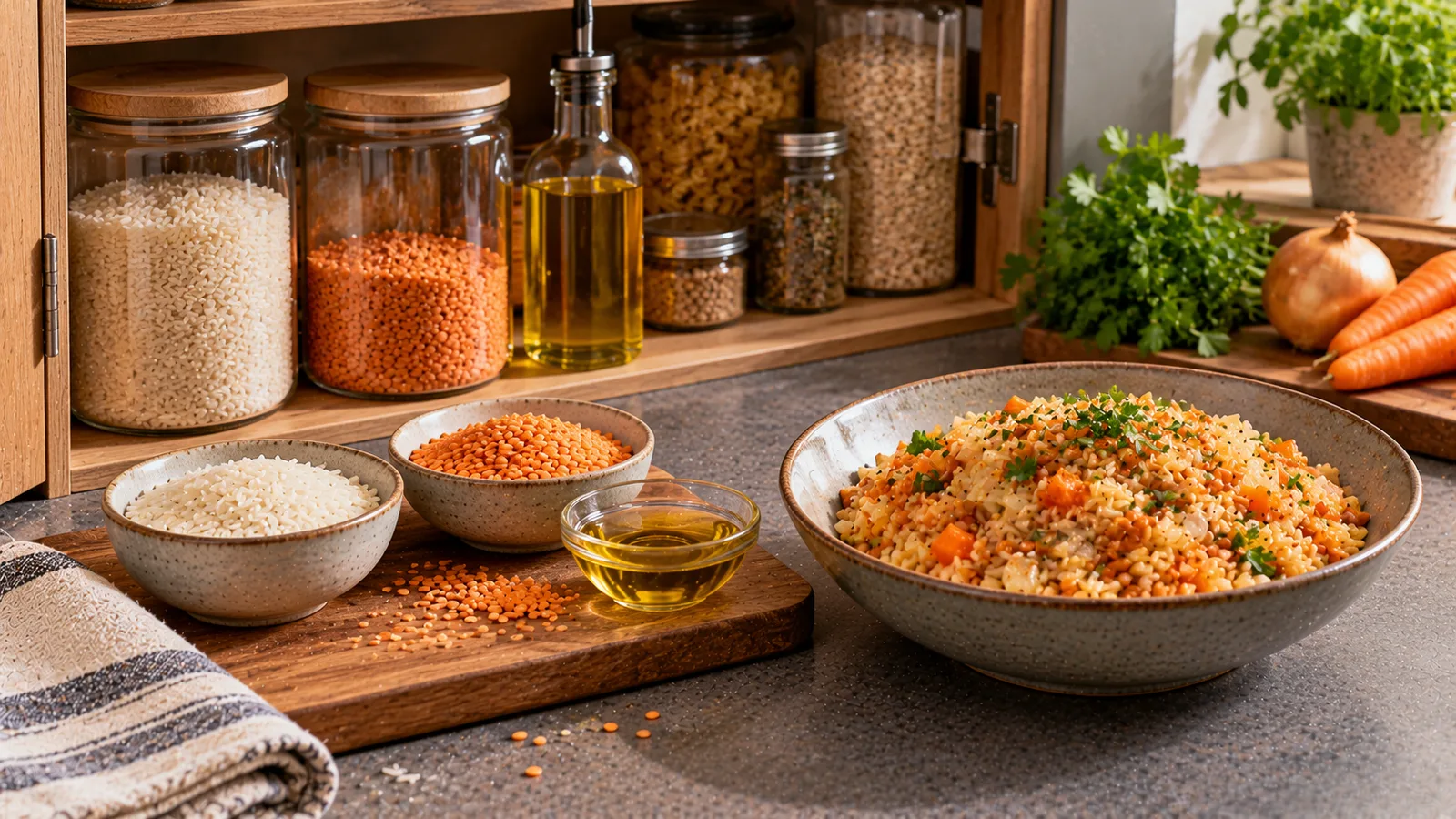
Track one pack of rice or oil across several recipes. Separate checkout spending, recipe use and remaining pantry value with a worked ledger.
Read article →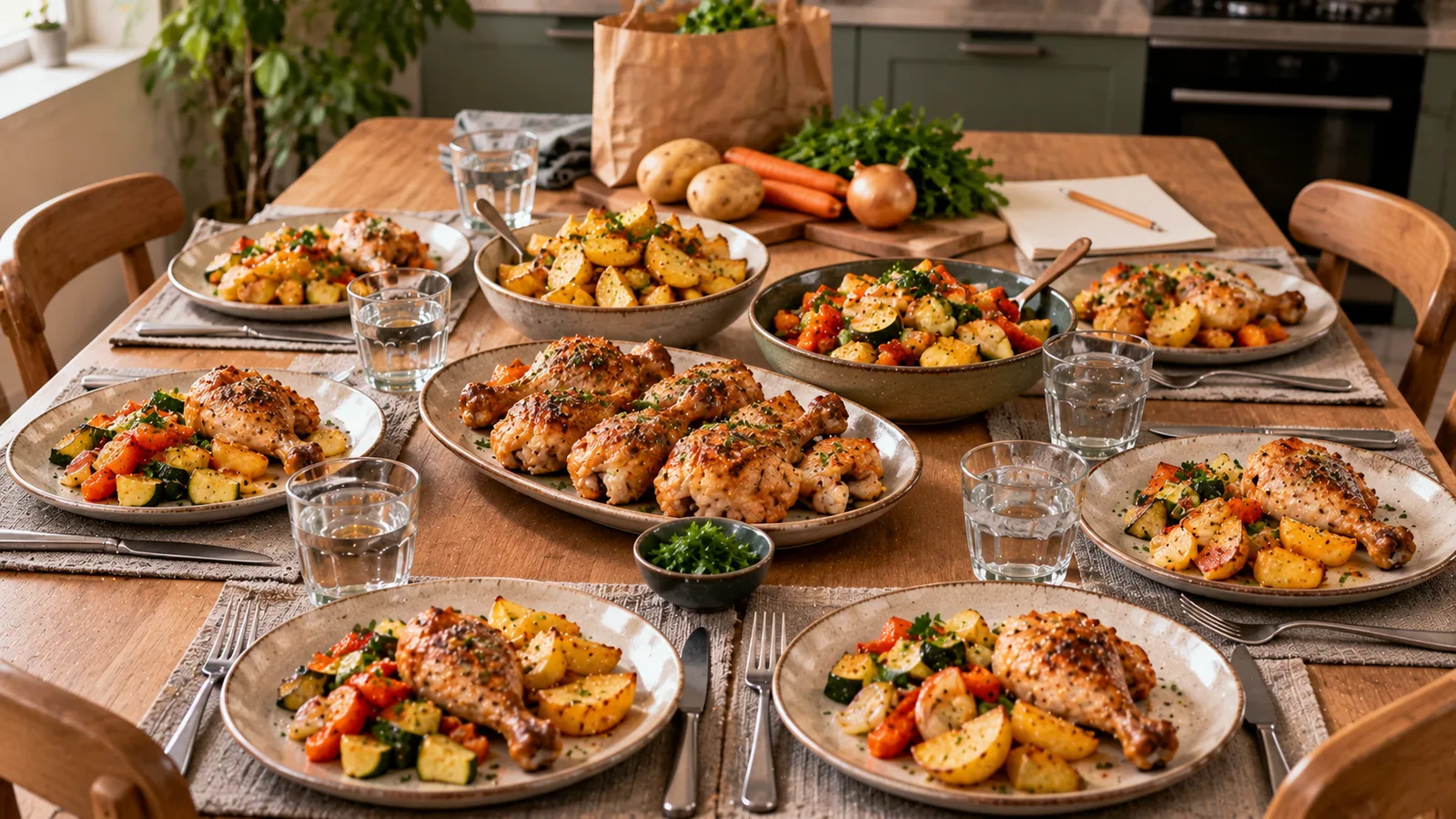
A reproducible dinner-party budget that separates checkout spending from the food actually used.
Read article →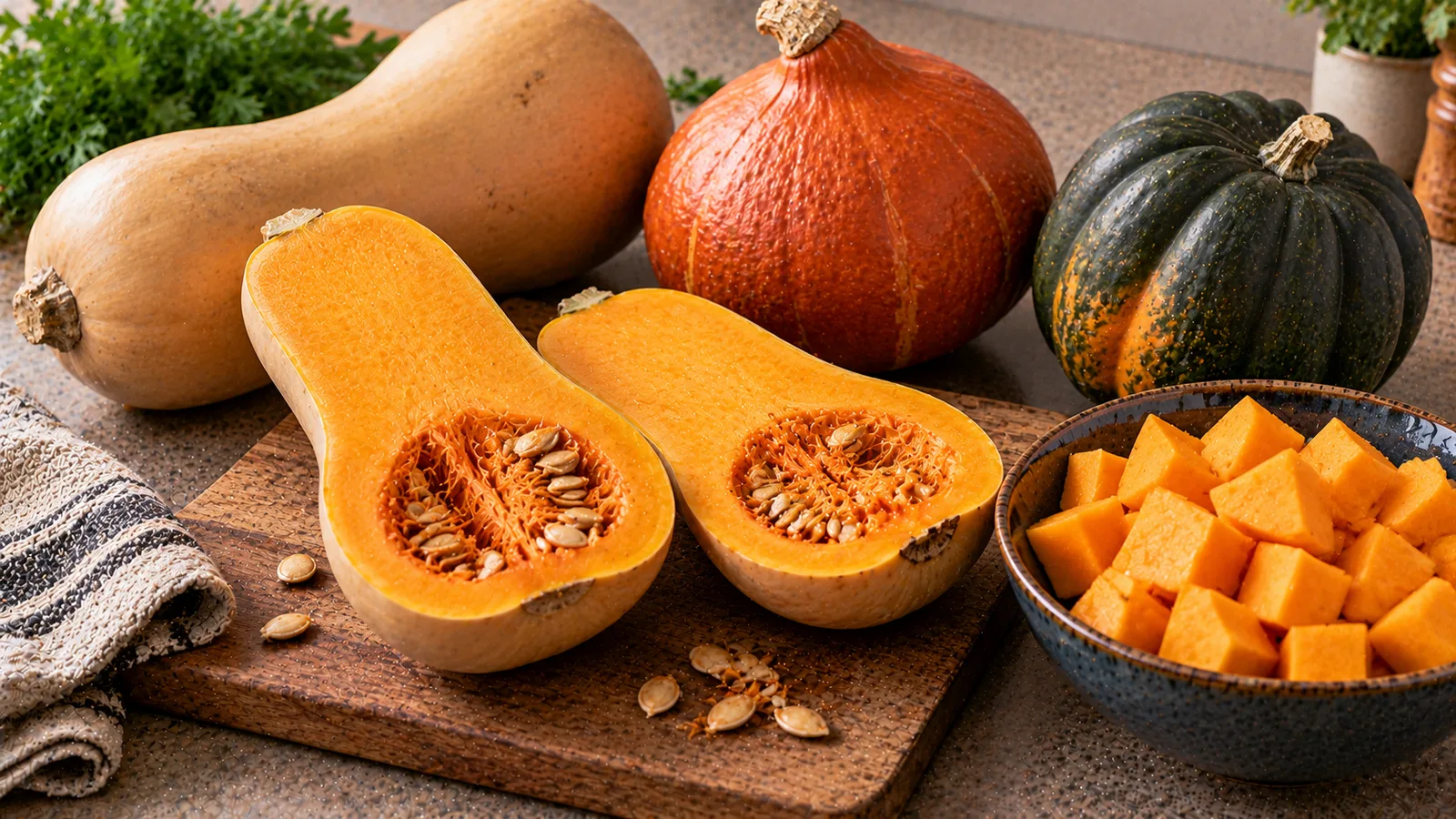
Compare butternut, acorn, delicata and kabocha by weighed edible flesh, realistic storage time and illustrative cost per meal.
Read article →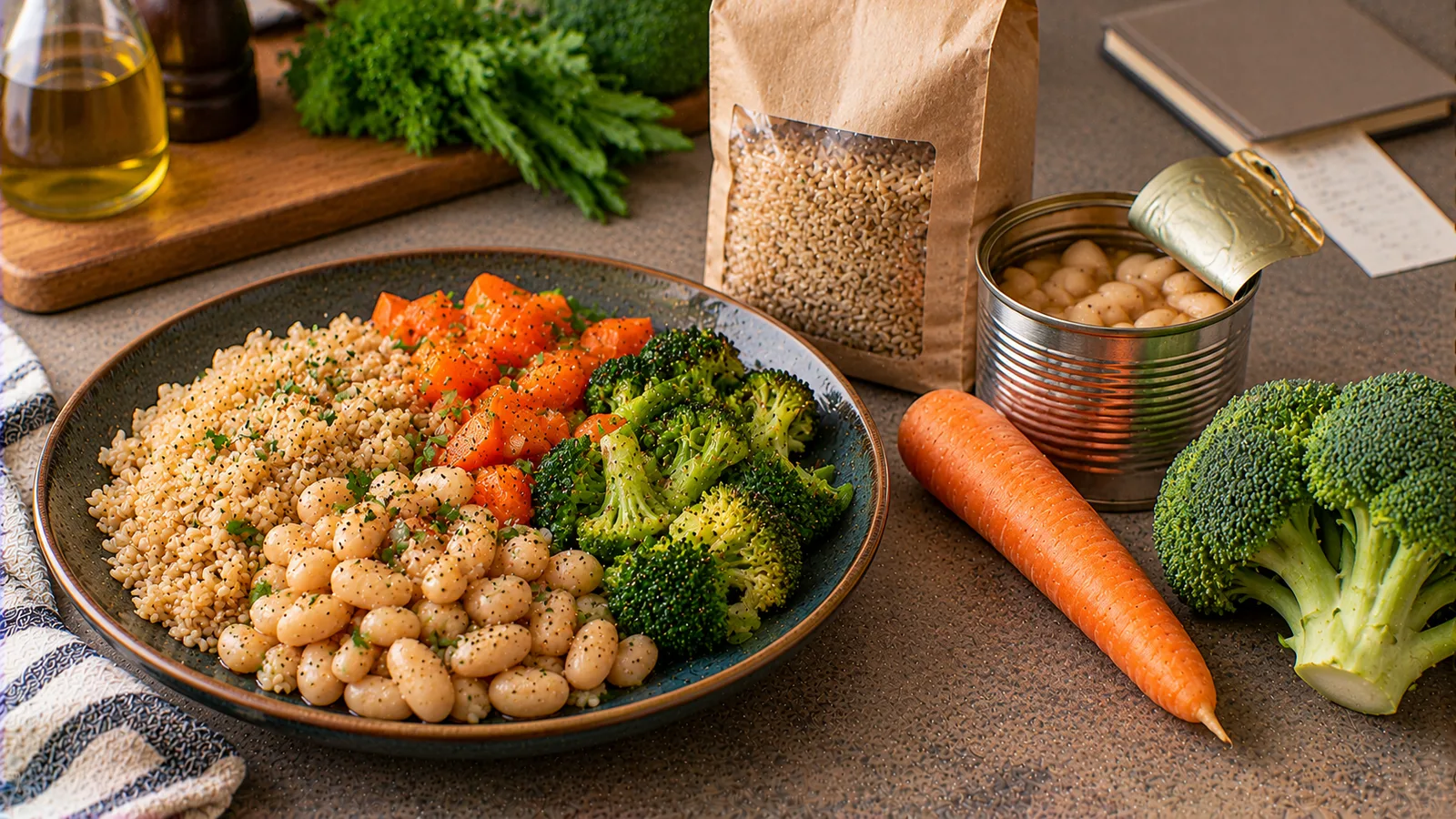
A worked German €5 dinner budget: €13.33 at checkout, €3.72 of ingredients for one salmon dinner, with edible-yield and leftover-package accounting.
Read article →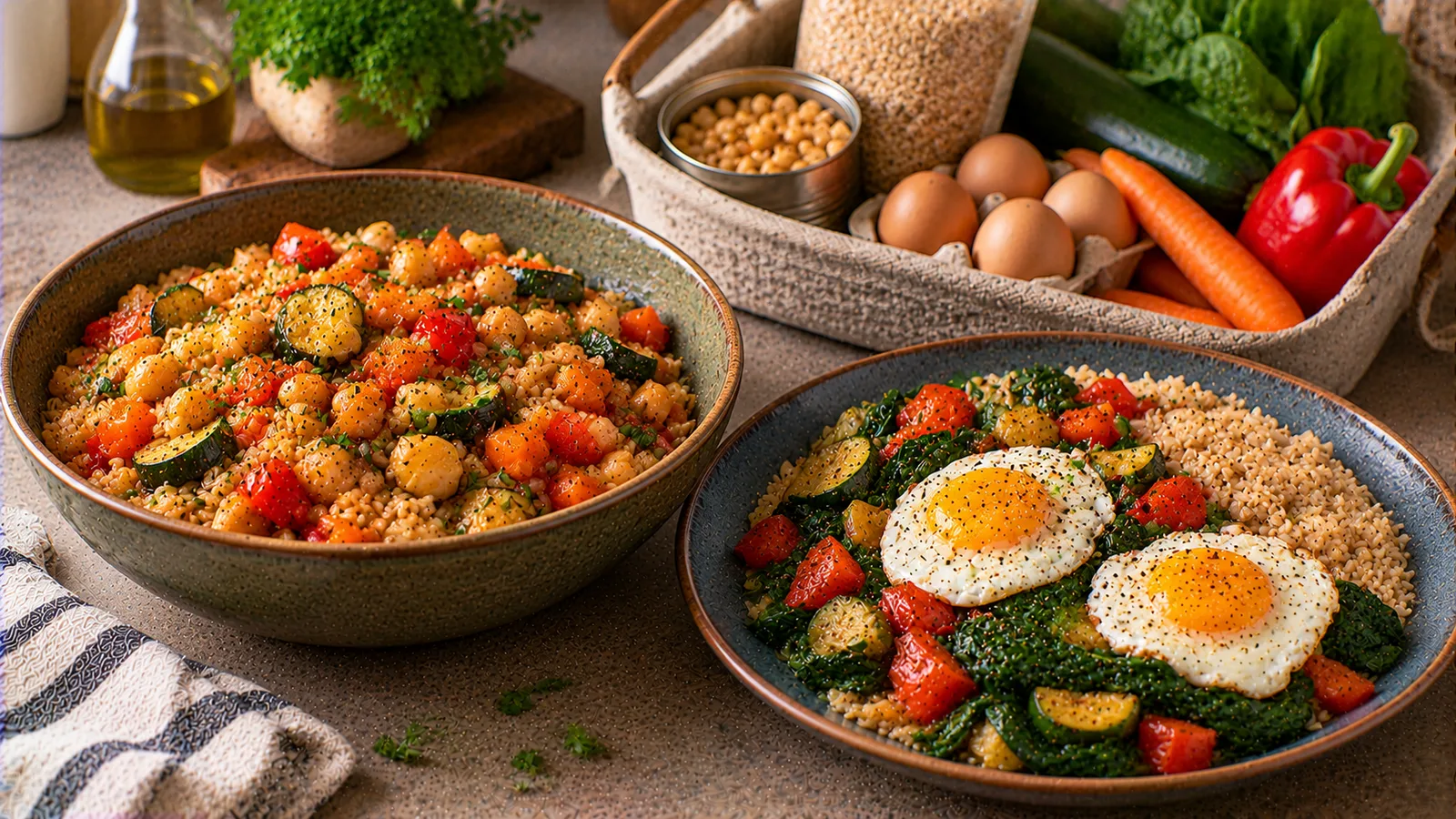
Buy an illustrative €14.75 German grocery basket to make three complete vegetarian dinners for one. See receipts versus ingredients used, quantities and recipes.
Read article →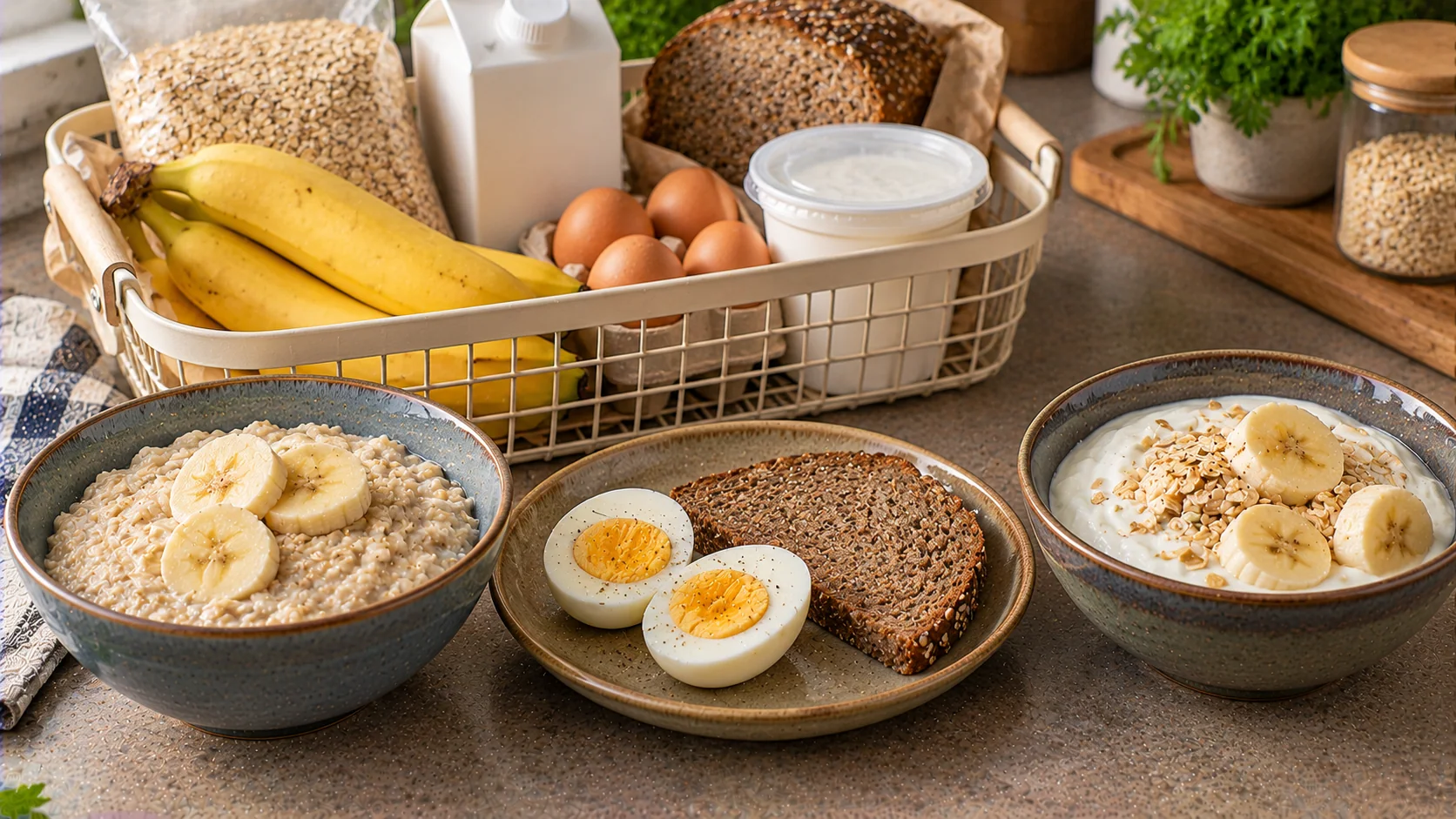
Build a three-day breakfast basket for €15 with a complete shopping list, three measured breakfasts, realistic pack costs, leftovers and alternatives.
Read article →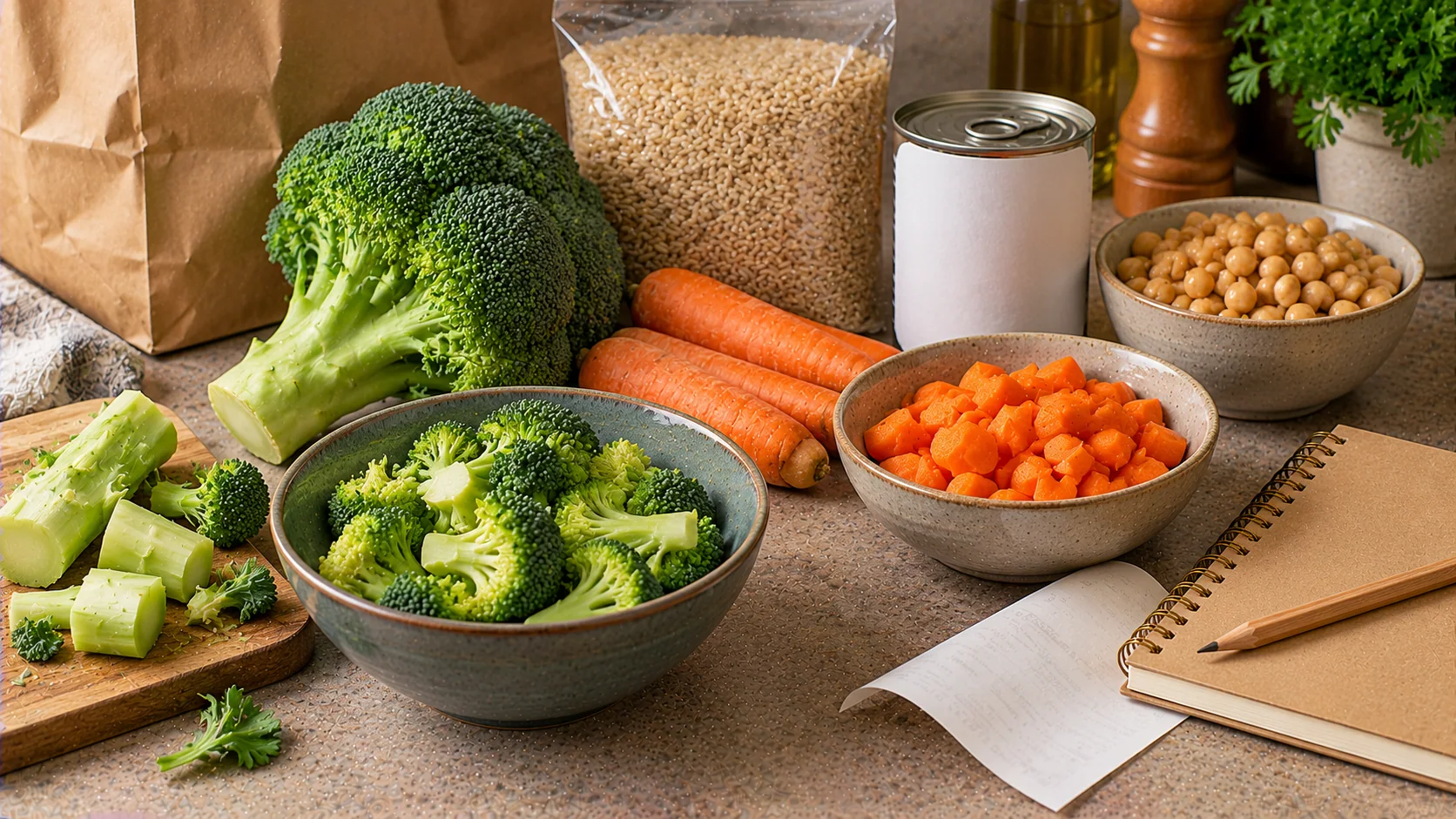
Calculate a recipe’s cost per serving using sale prices, used quantities, edible yield and leftover groceries. Worked receipts and formulas.
Read article →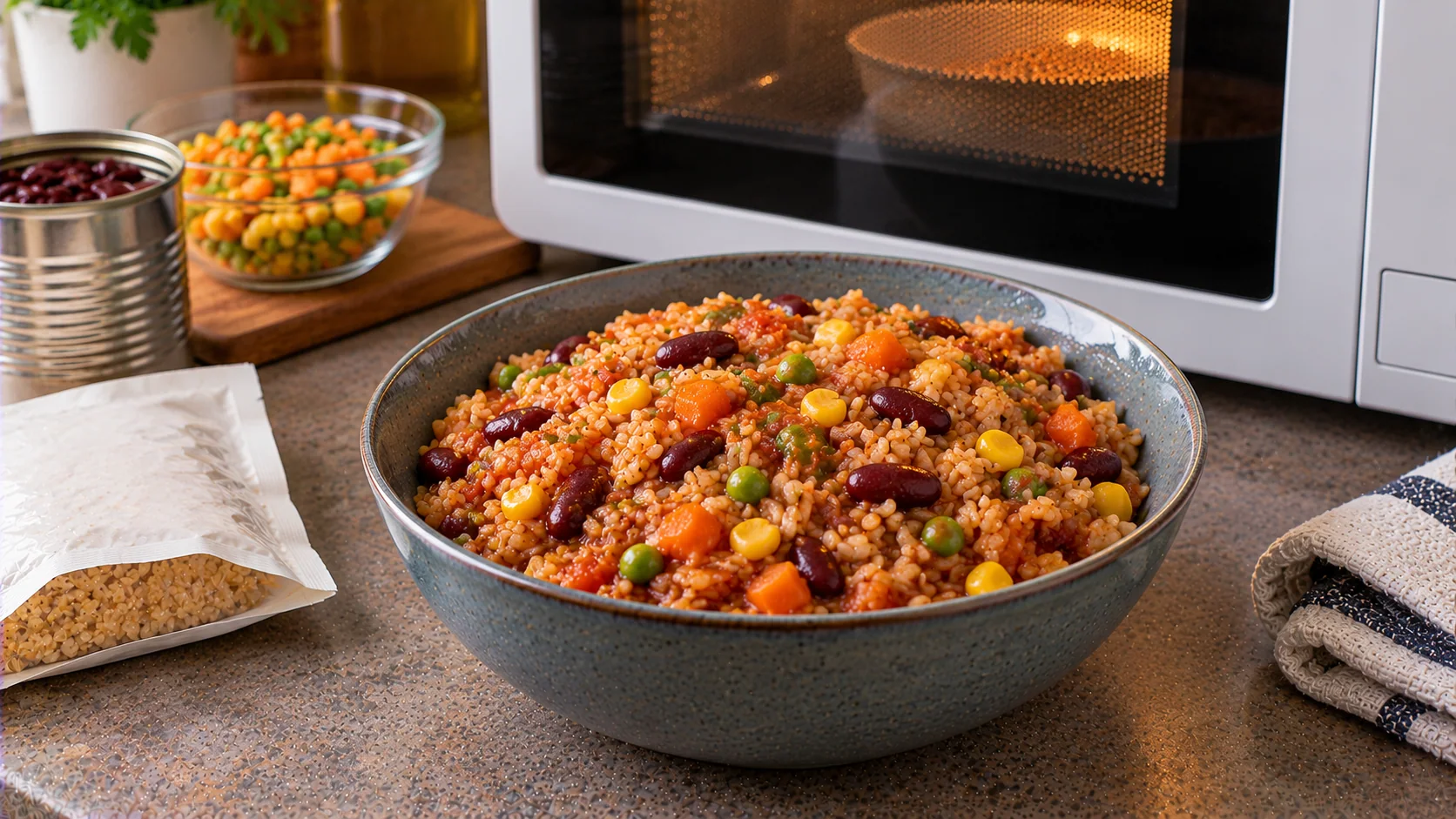
Five affordable dinners cooked with a microwave only: ingredients for one, times, appliance safety, prices and storage guidance.
Read article →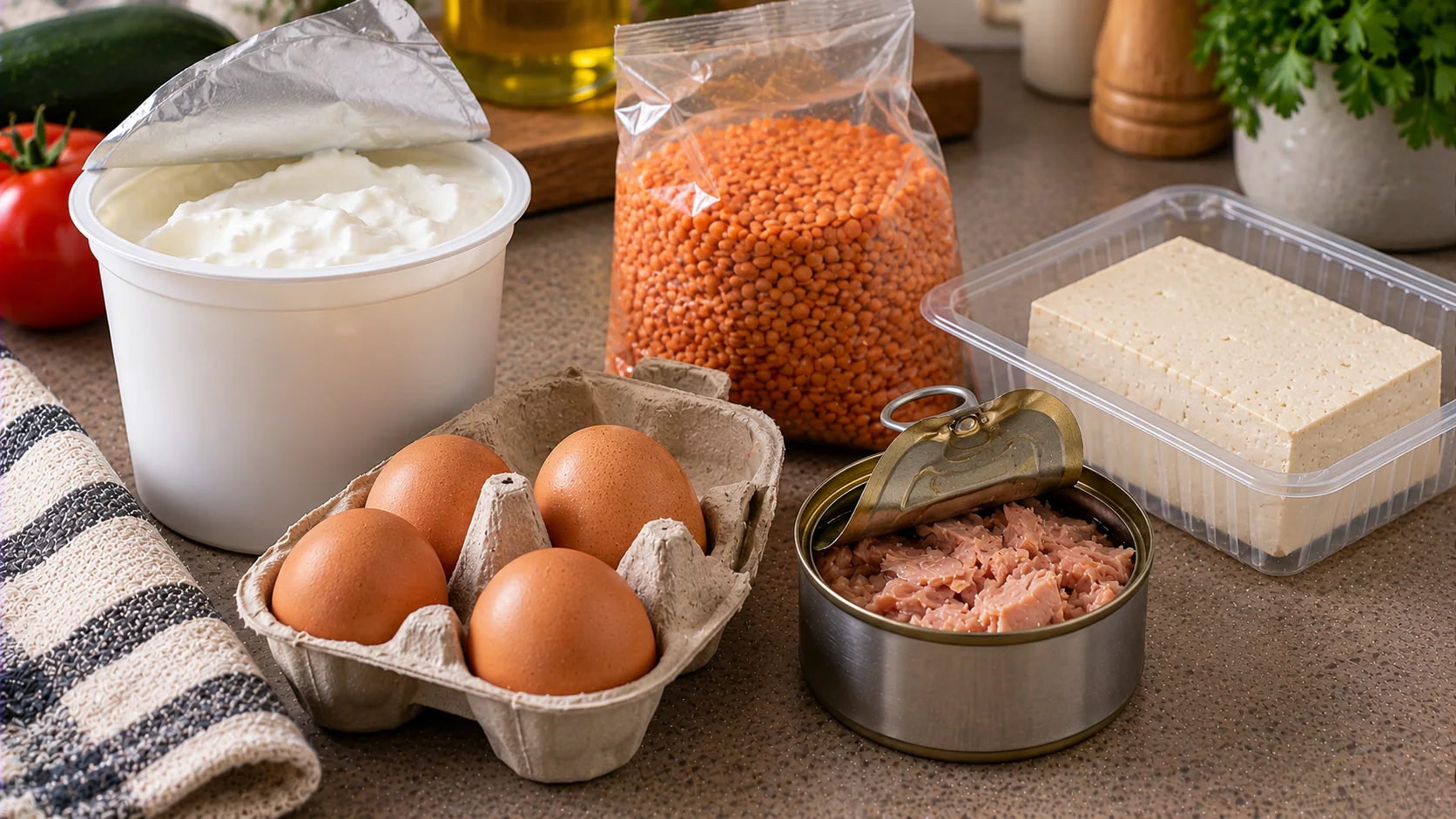
Compare protein for each euro using German product pages, edible quantities, serving sizes and dated prices, with clear formulas and limitations.
Read article →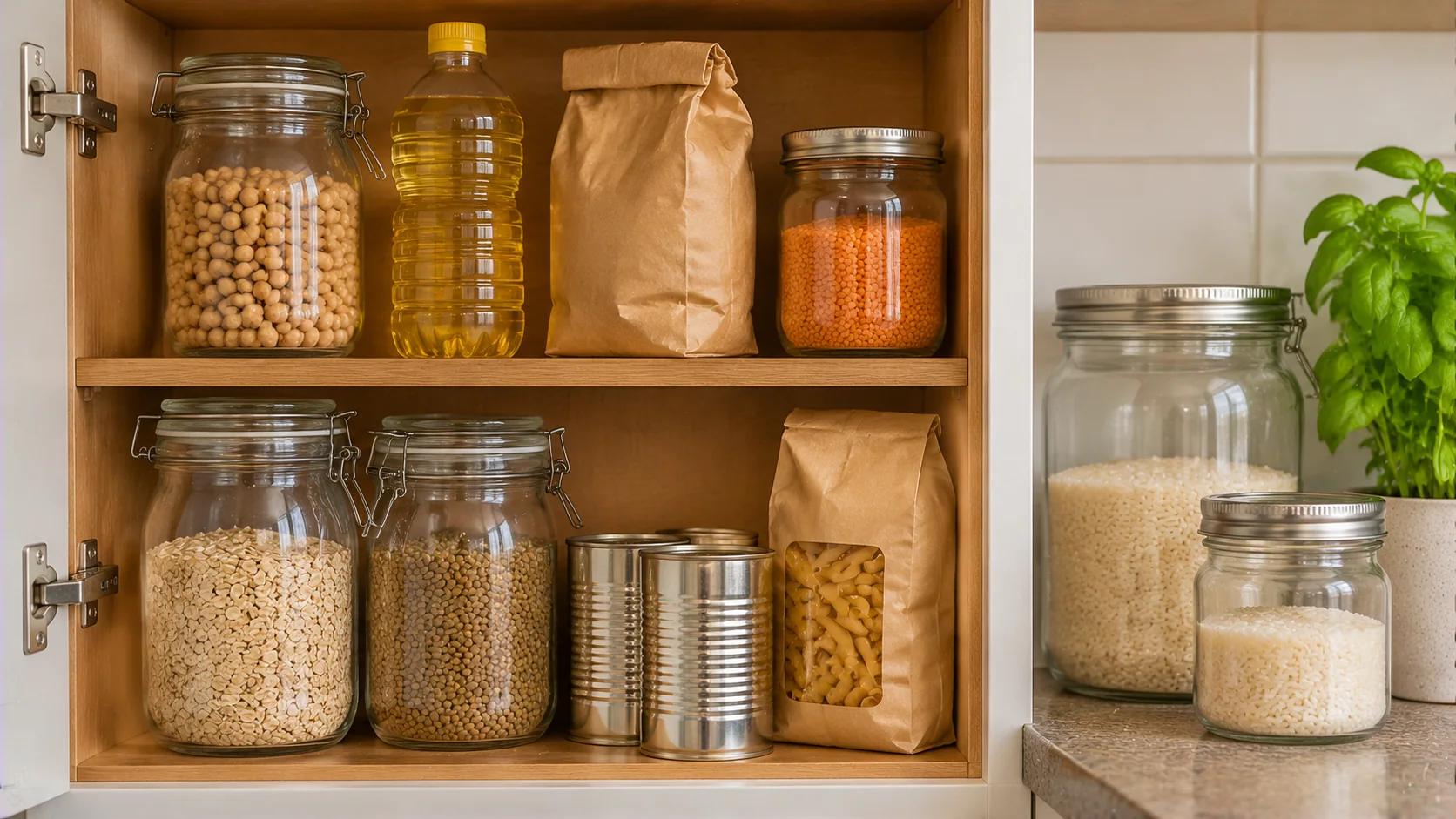
A practical pantry-stock matrix for two people: package sizes, weekly use, reorder points, example costs and less food waste.
Read article →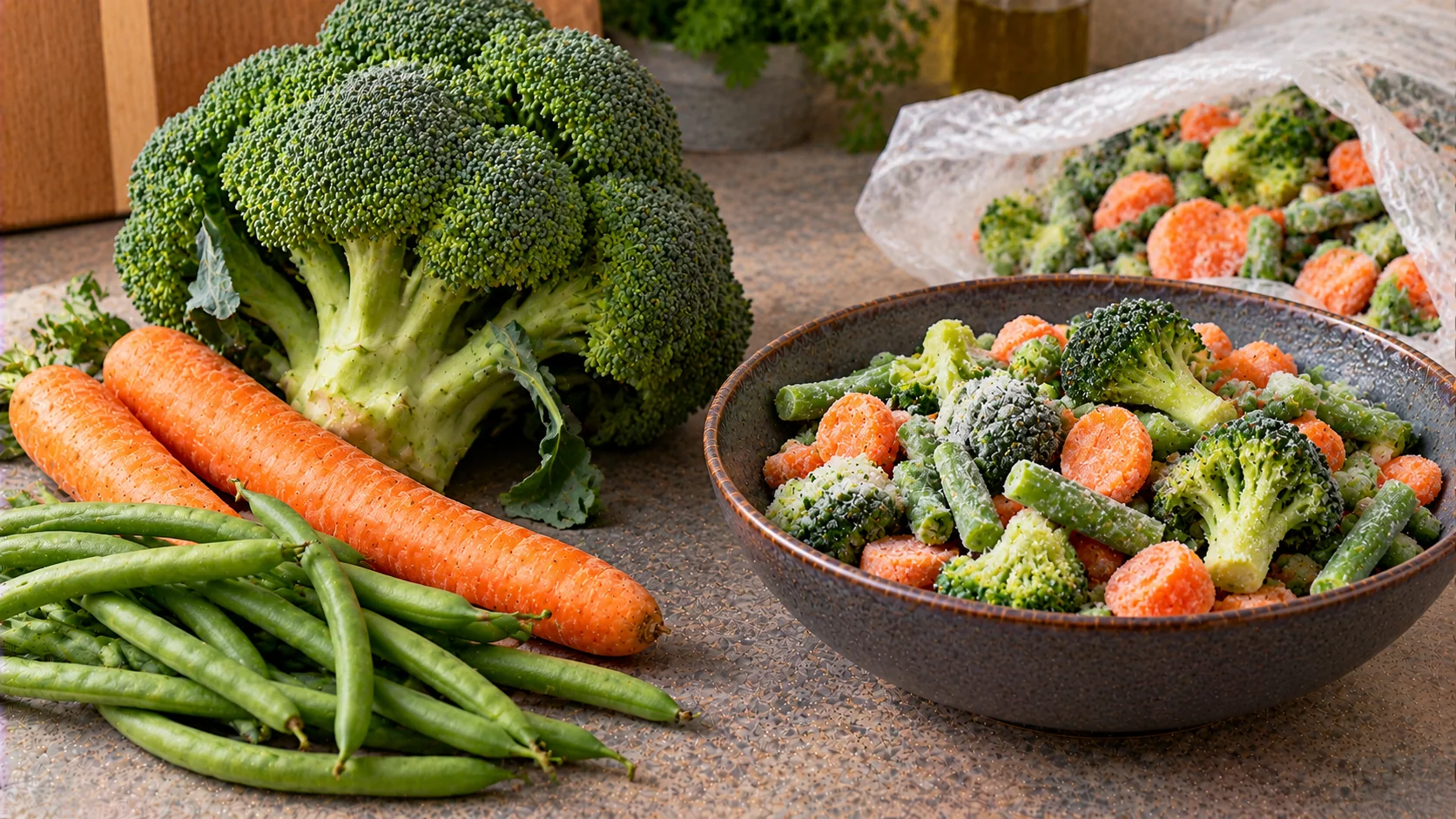
Compare frozen and fresh vegetables by edible weight, nutrient evidence, leftovers and waste using practical calculations and examples.
Read article →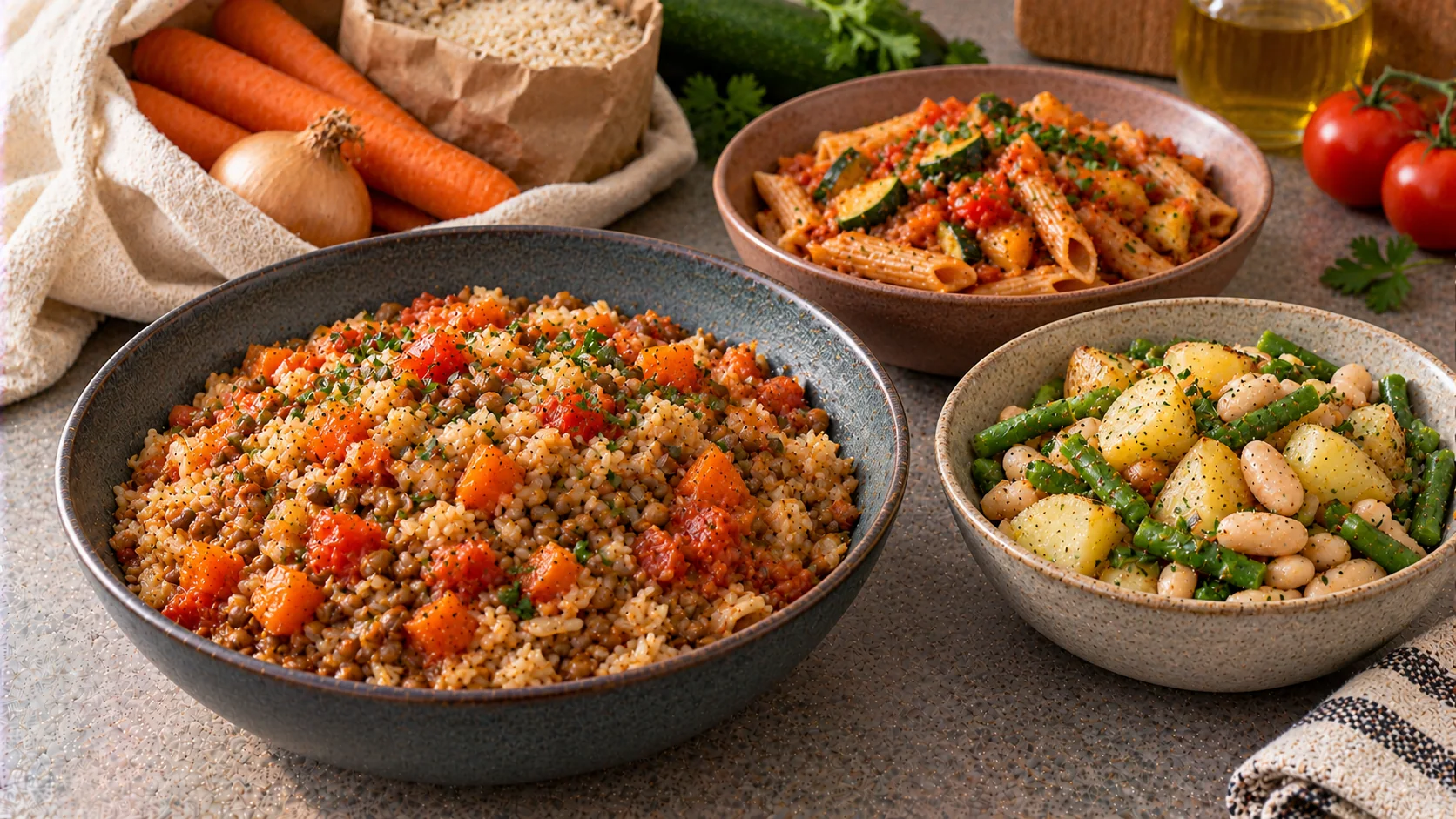
Build eight measurable meal servings from one example grocery basket costing €27.44, with recipes, portions, pack leftovers and transparent assumptions.
Read article →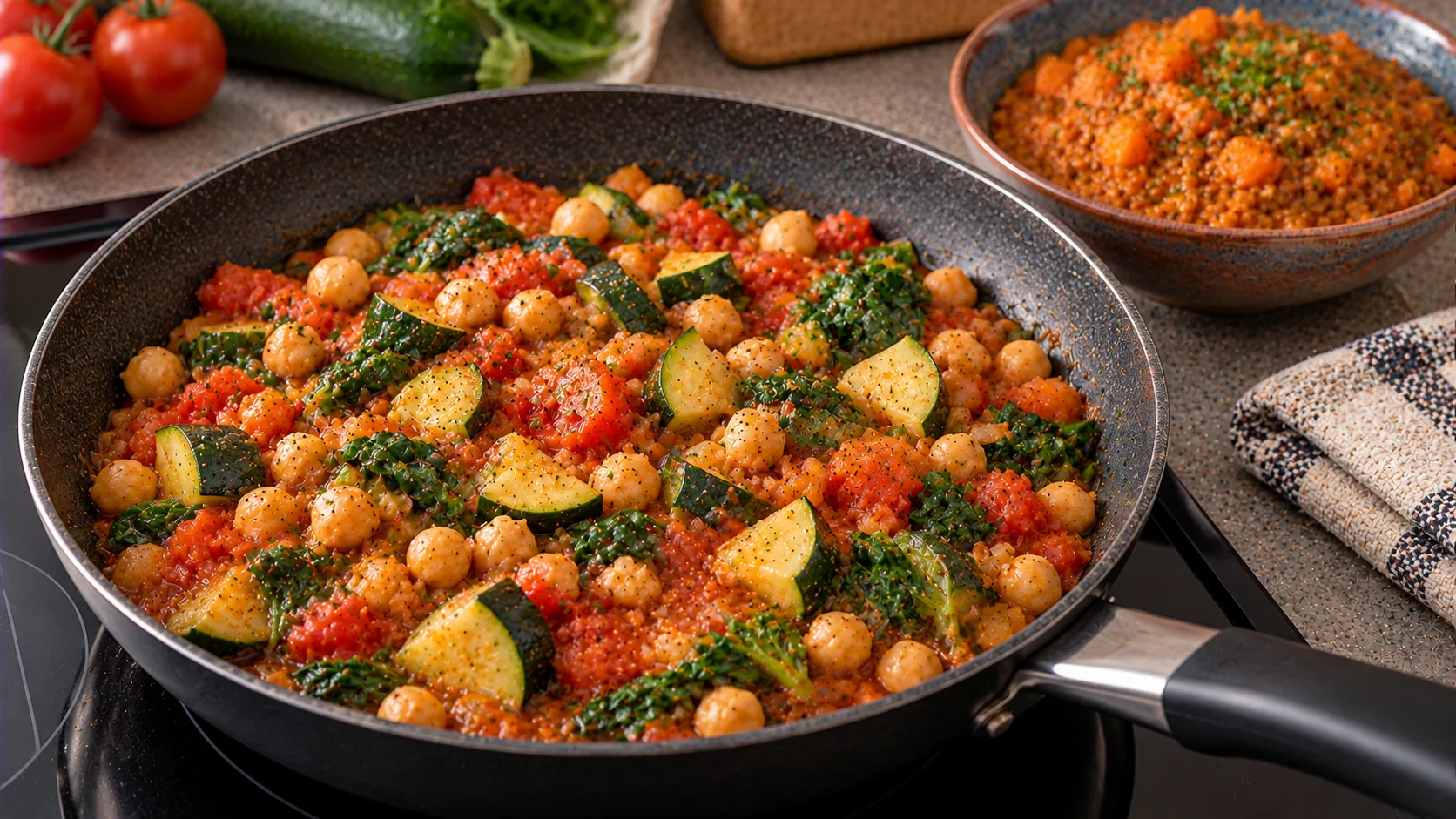
Five complete, low-cost stovetop dinners with measured ingredients, cooking steps, cost examples and food-storage advice.
Read article →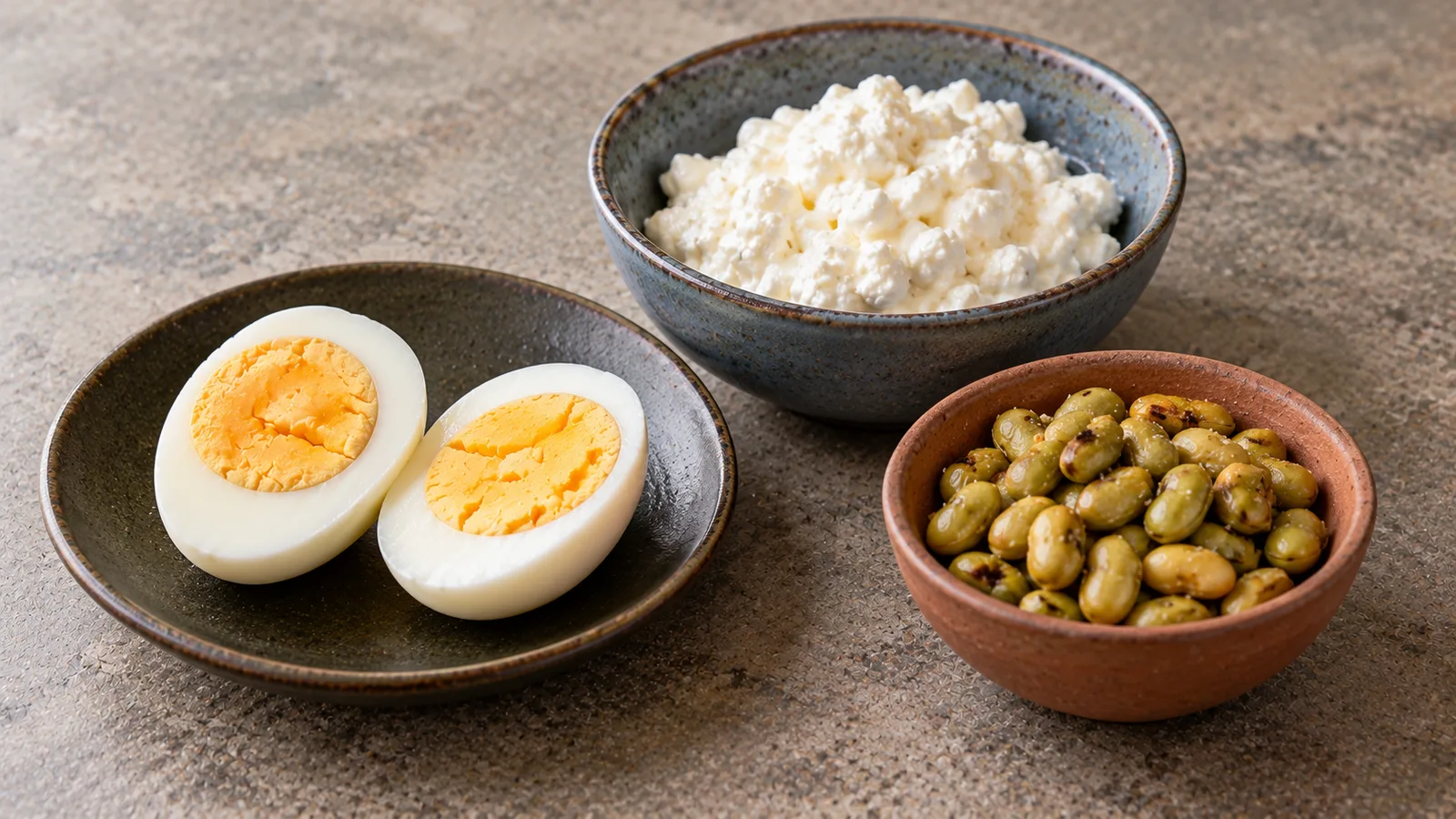
Compare six affordable snack combinations with gram weights, protein, calories and the difference between ingredient-use cost and checkout spend.
Read article →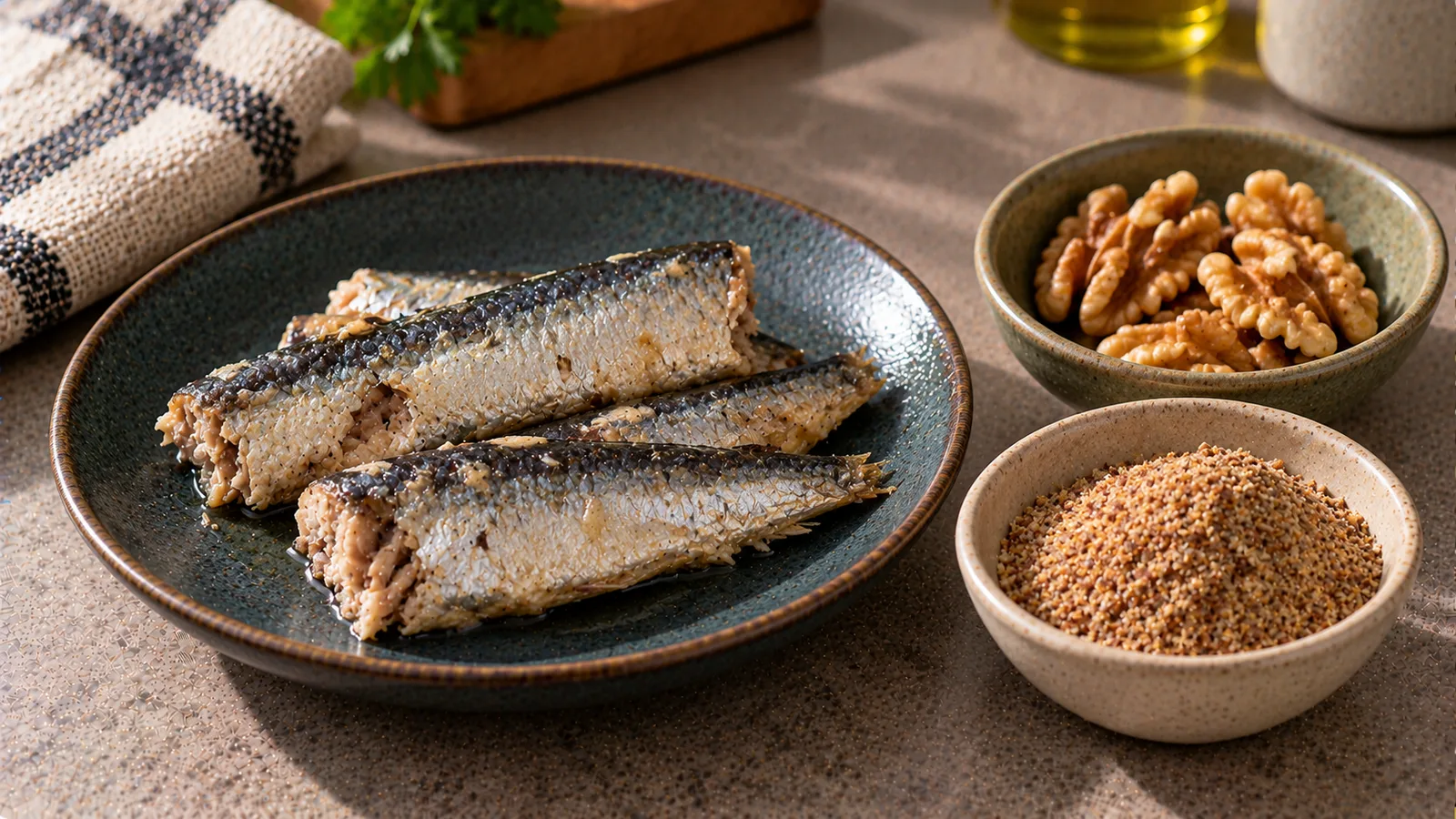
Compare six affordable omega-3 foods with real food-composition data, transparent hypothetical costs and separate ALA versus EPA/DHA measures.
Read article →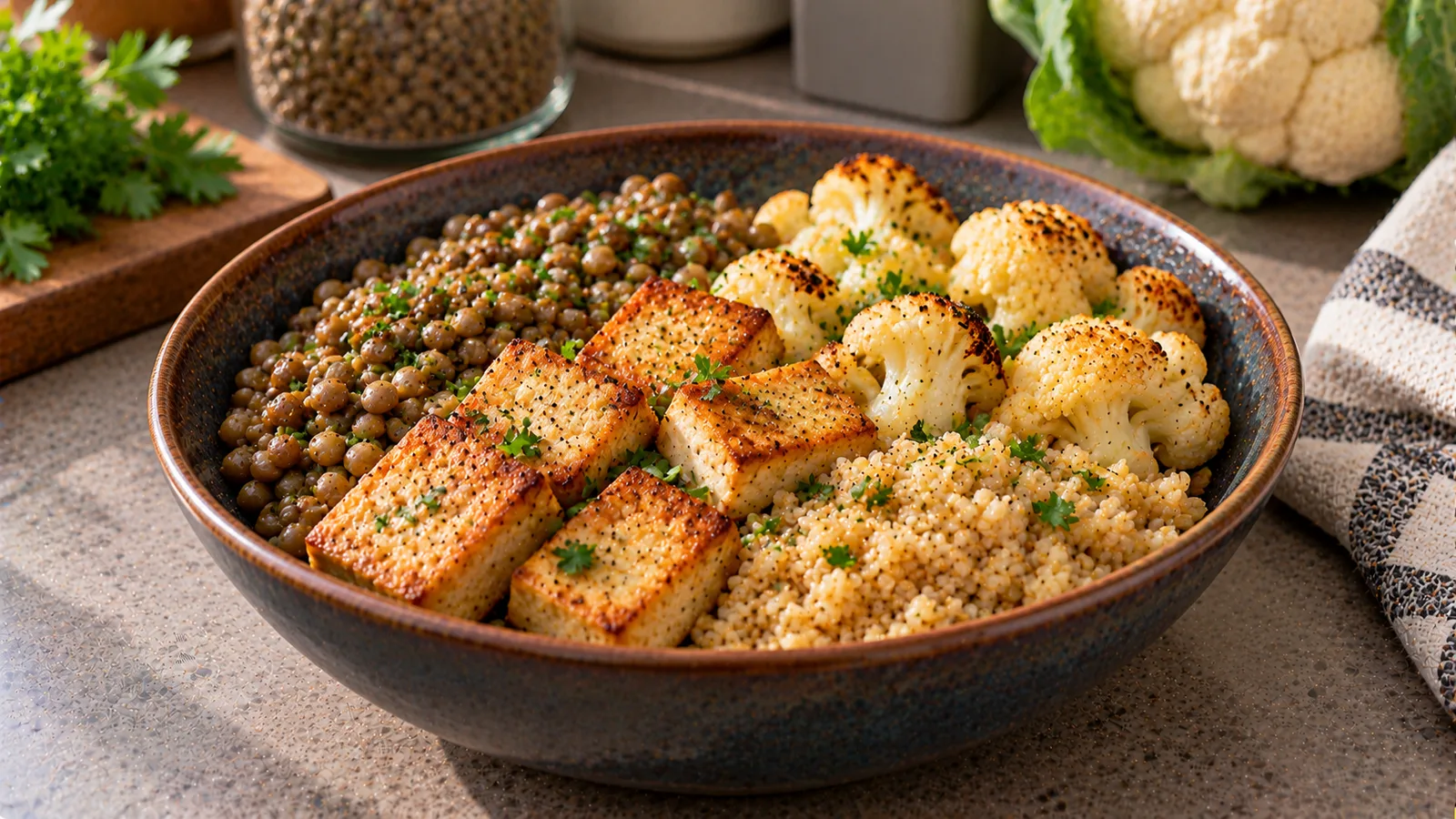
Compare five budget vegetarian dinners by protein per portion, fibre, calories and estimated ingredient costs in Germany.
Read article →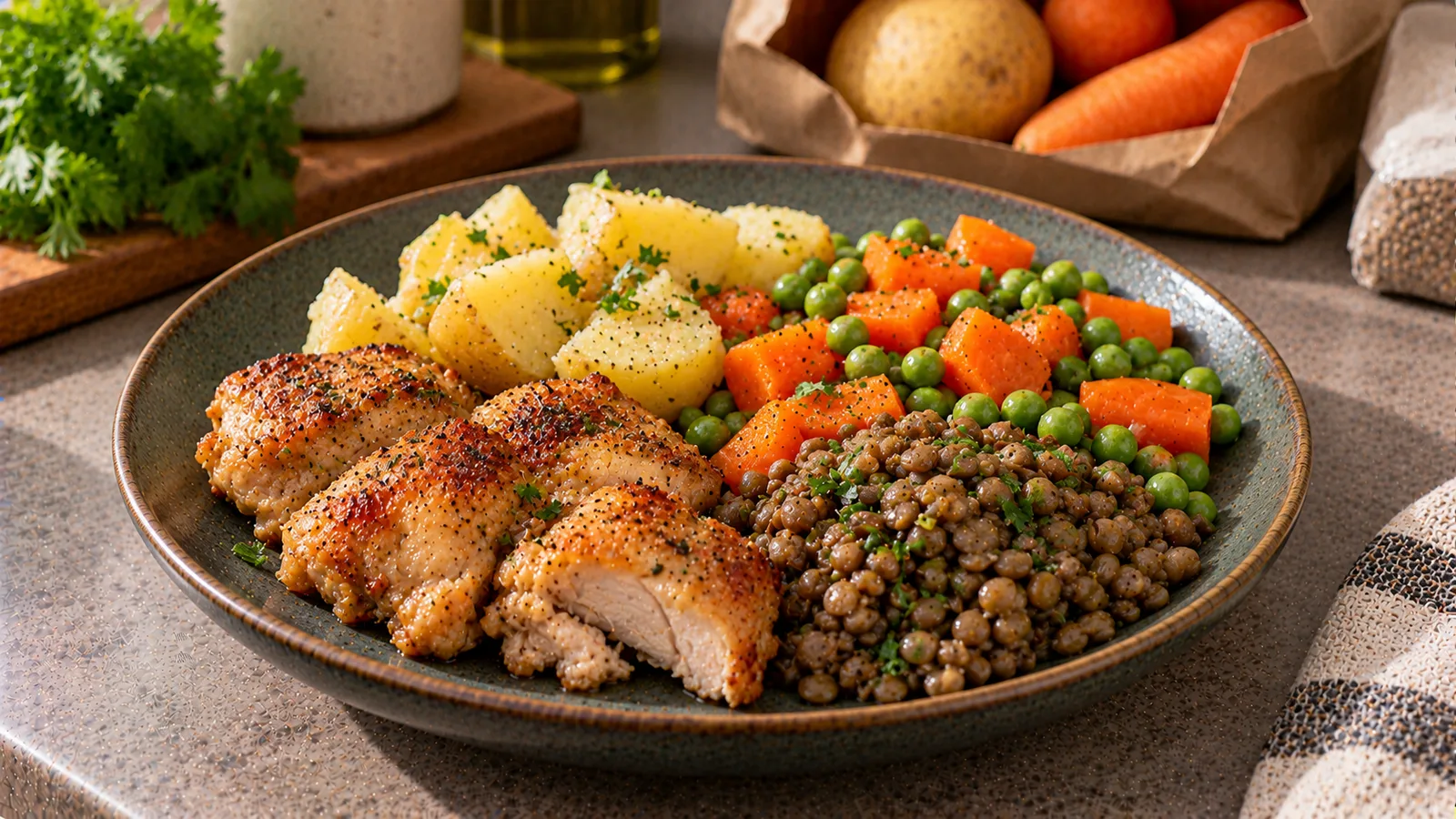
An example discount-grocery basket costs €19.29 at checkout and uses €9.30 of ingredients for four two-person dinners, with the difference retained as groceries.
Read article →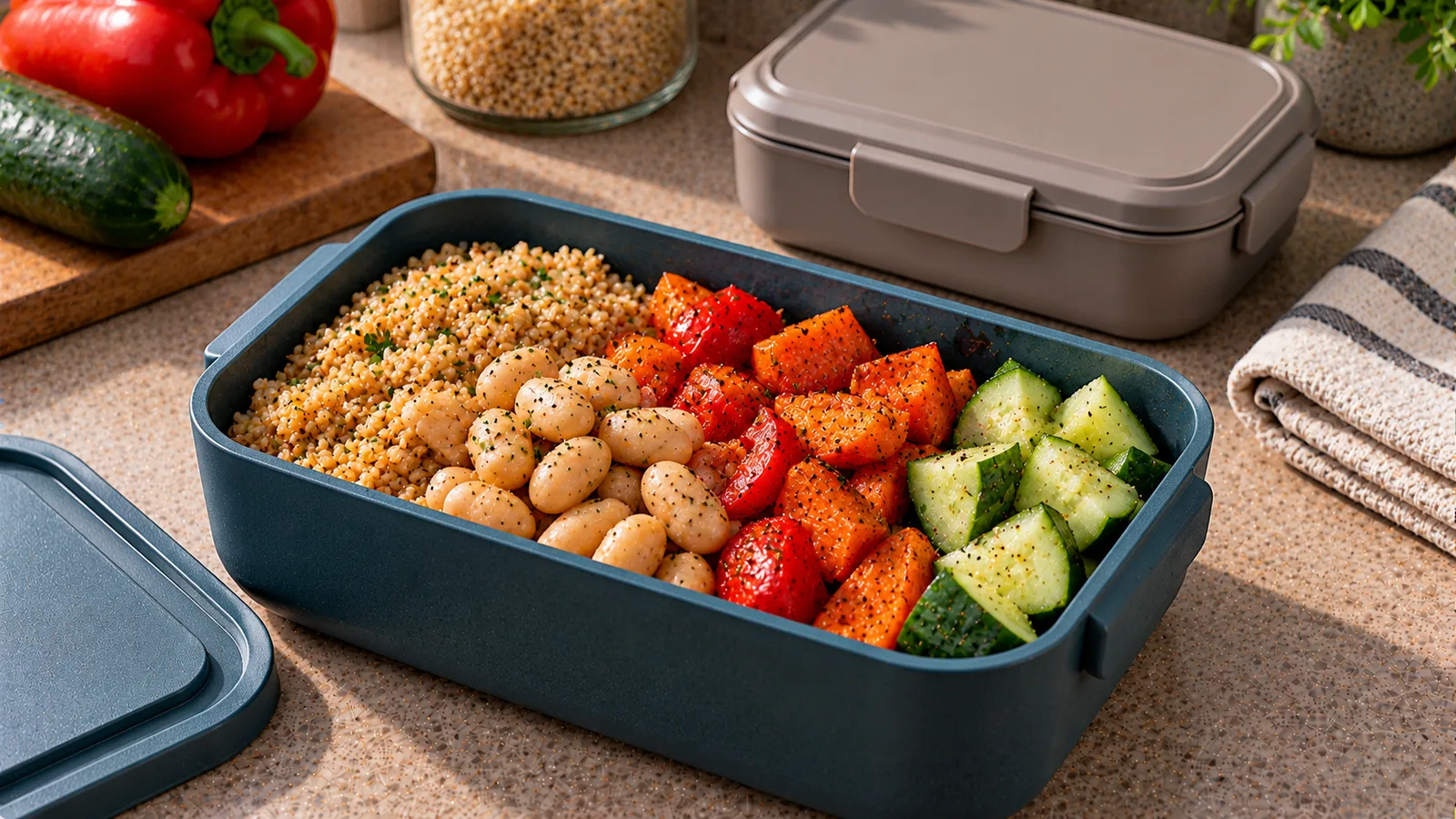
Five varied lunches for one worker, a transparent German shopping basket, per-box ingredient costs and cold-chain advice.
Read article →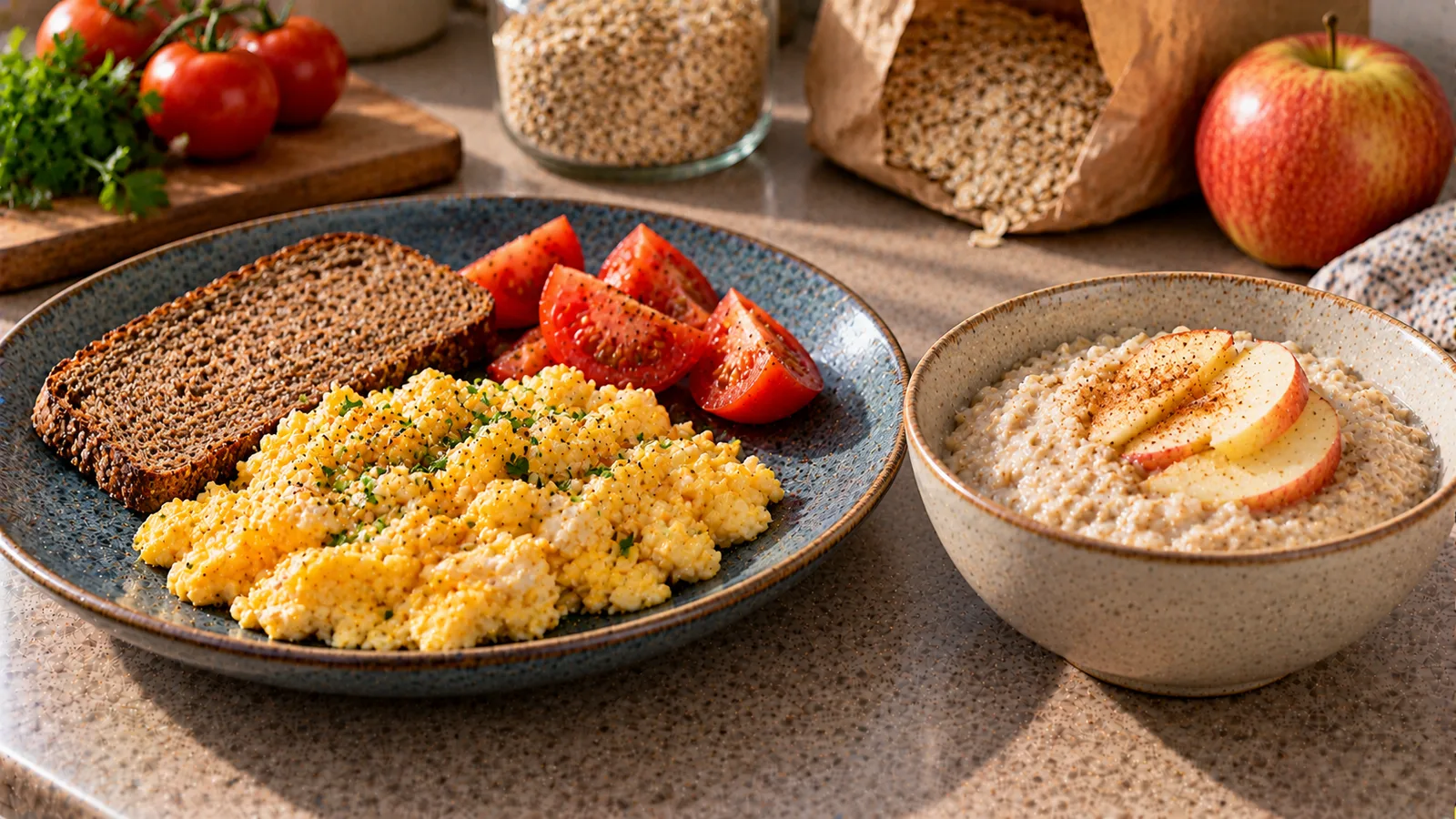
A cheap breakfast plan is only useful if its grocery list matches the breakfasts and if the amount paid at the checkout is kept separate from the
Read article →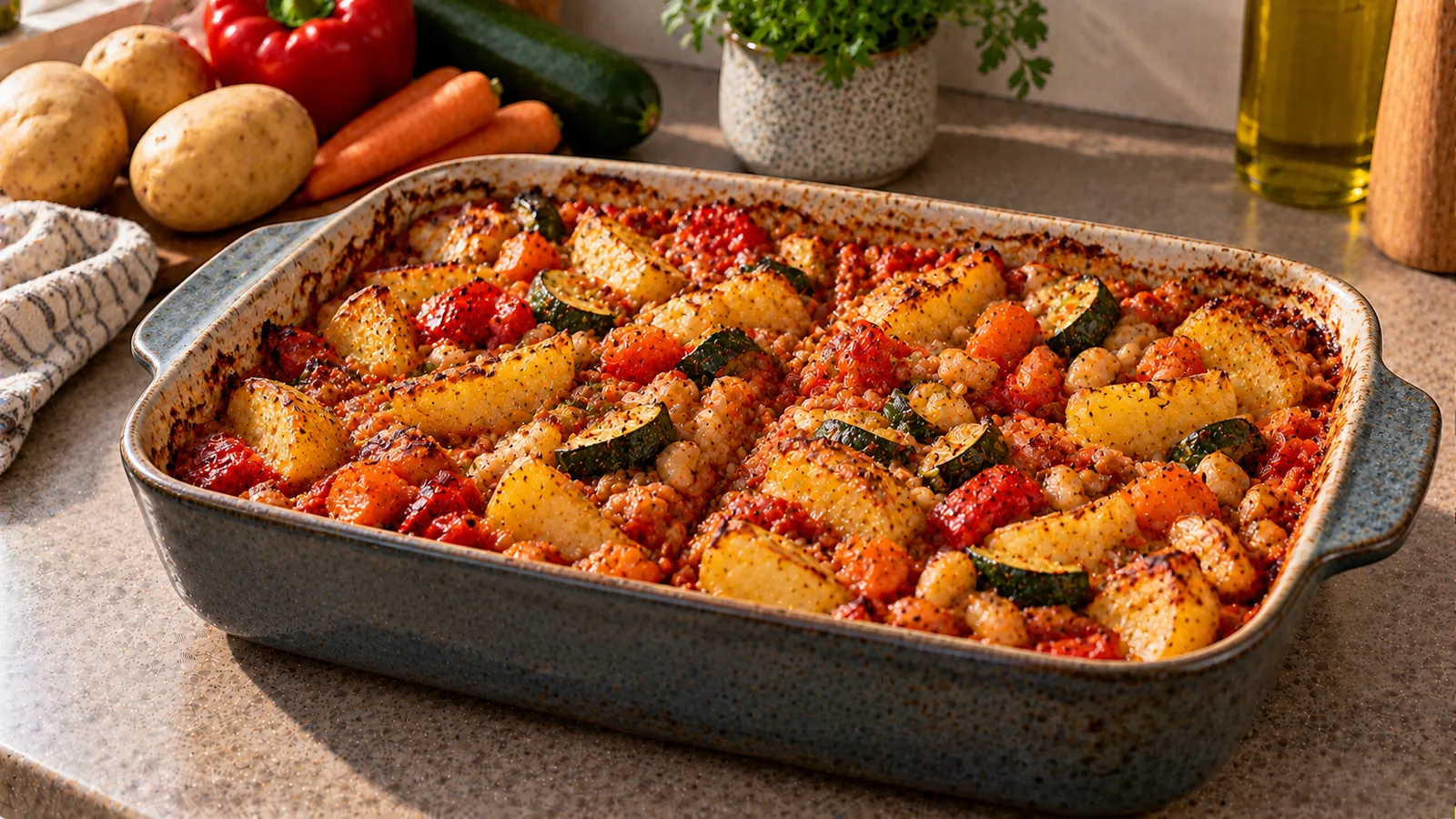
Five family dinners for four, a single 16-item grocery basket and a transparent cost model separating checkout spending from the food used.
Read article →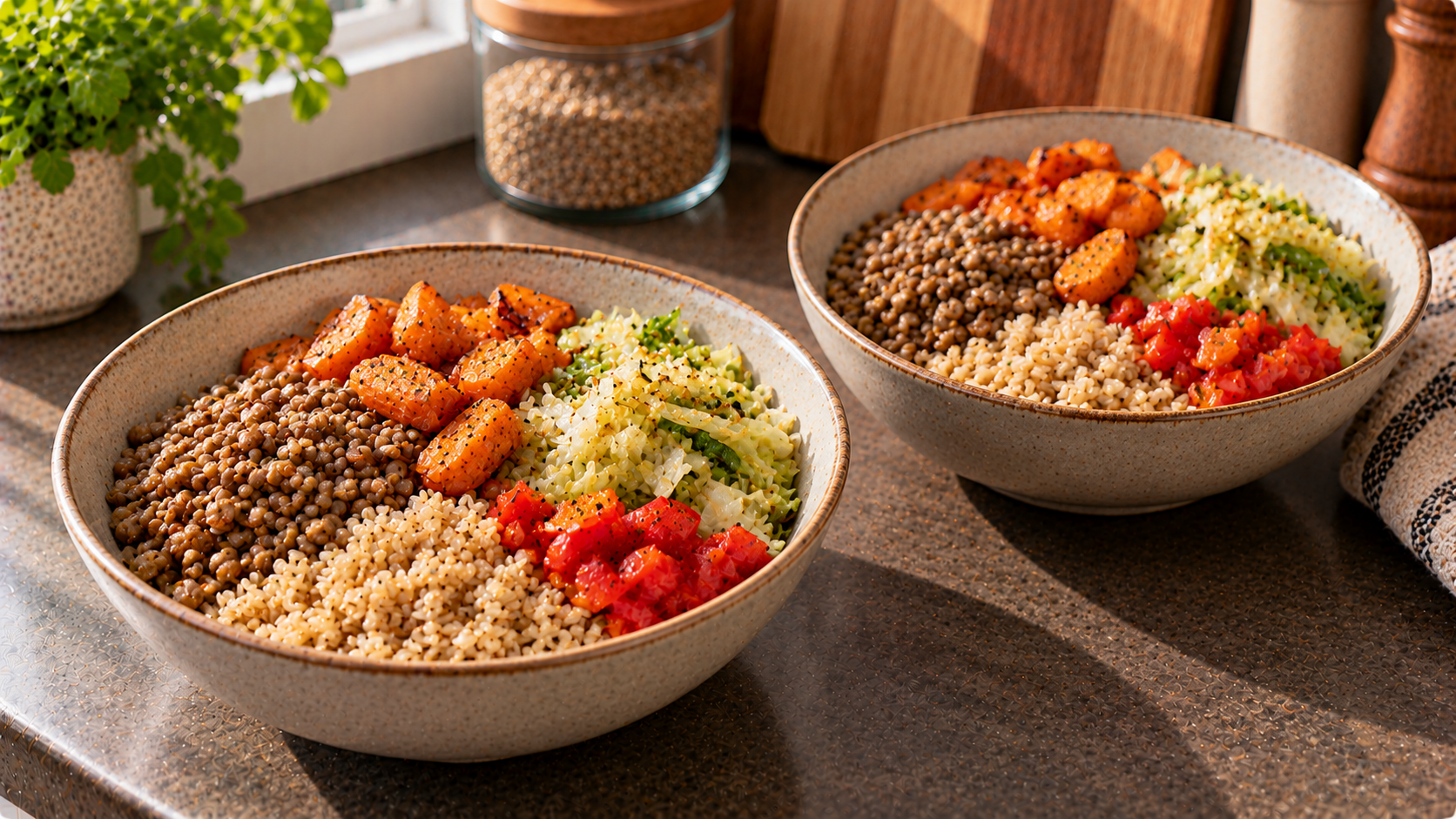
Three different grain bowls for two people, with uncooked and edible weights and a practical approach to meal cost.
Read article →