
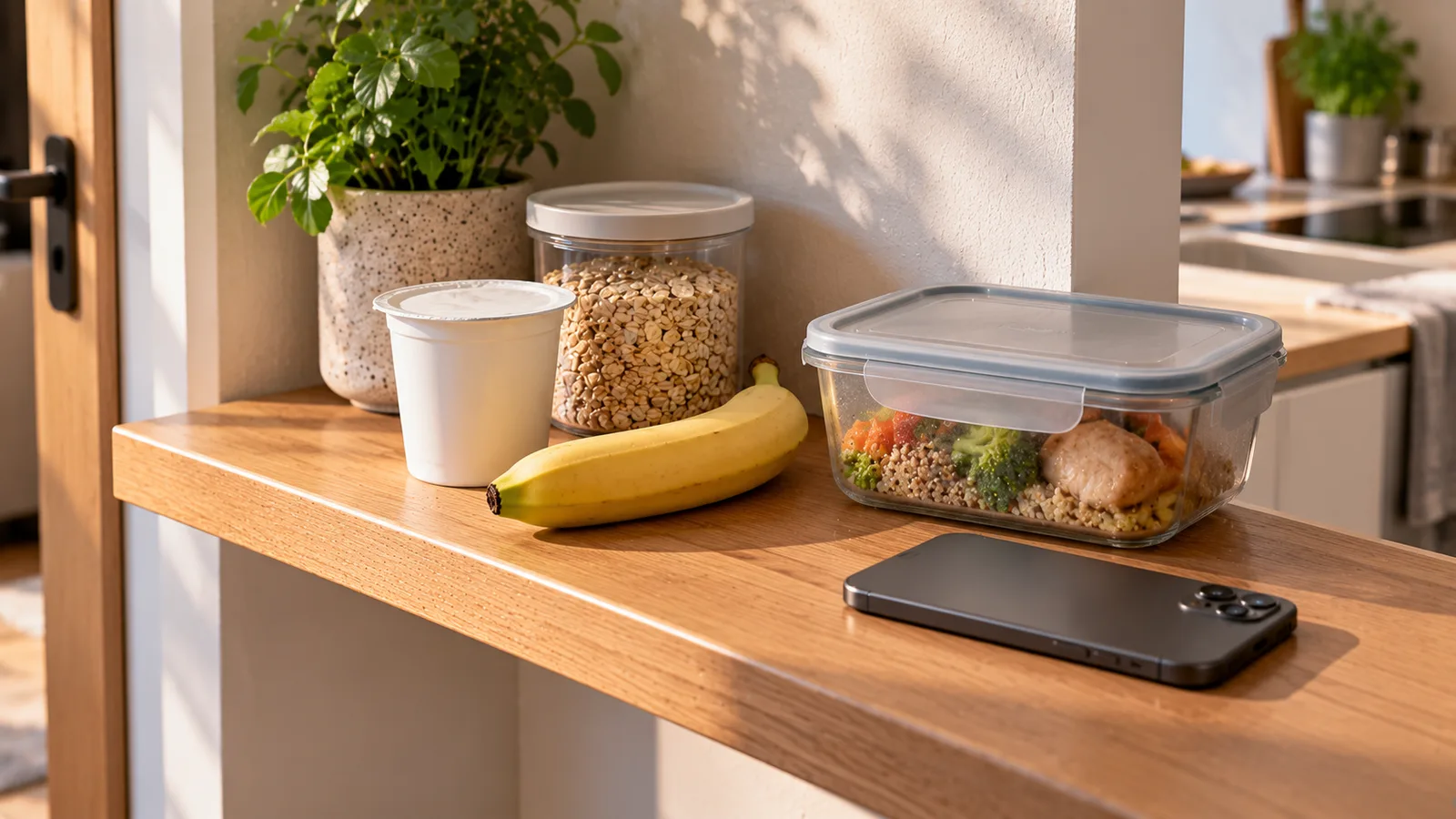
How to Set Up a Food Tracking App for Faster Daily Logging
A practical setup guide for making food tracking faster: configure goals, portions, favorite foods, repeat meals, shortcuts and a simple logging routine.
Read article →Practical guides about calories, macros, protein and everyday nutrition.
A practical setup guide for making food tracking faster: configure goals, portions, favorite foods, repeat meals, shortcuts and a simple logging routine.
Read article →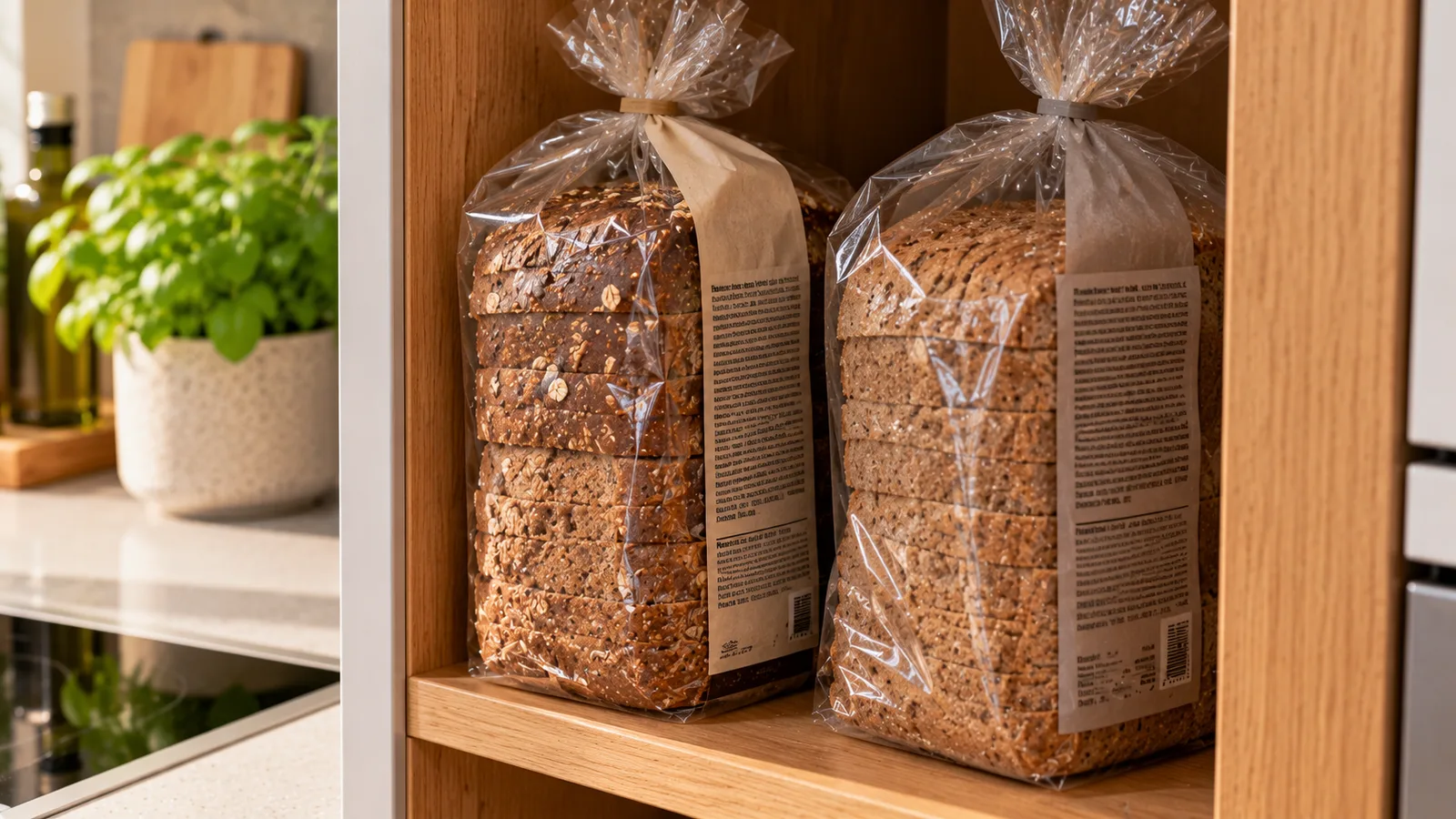
Learn how to identify whole-grain foods using ingredient lists and nutrition labels instead of relying on package color or marketing claims.
Read article →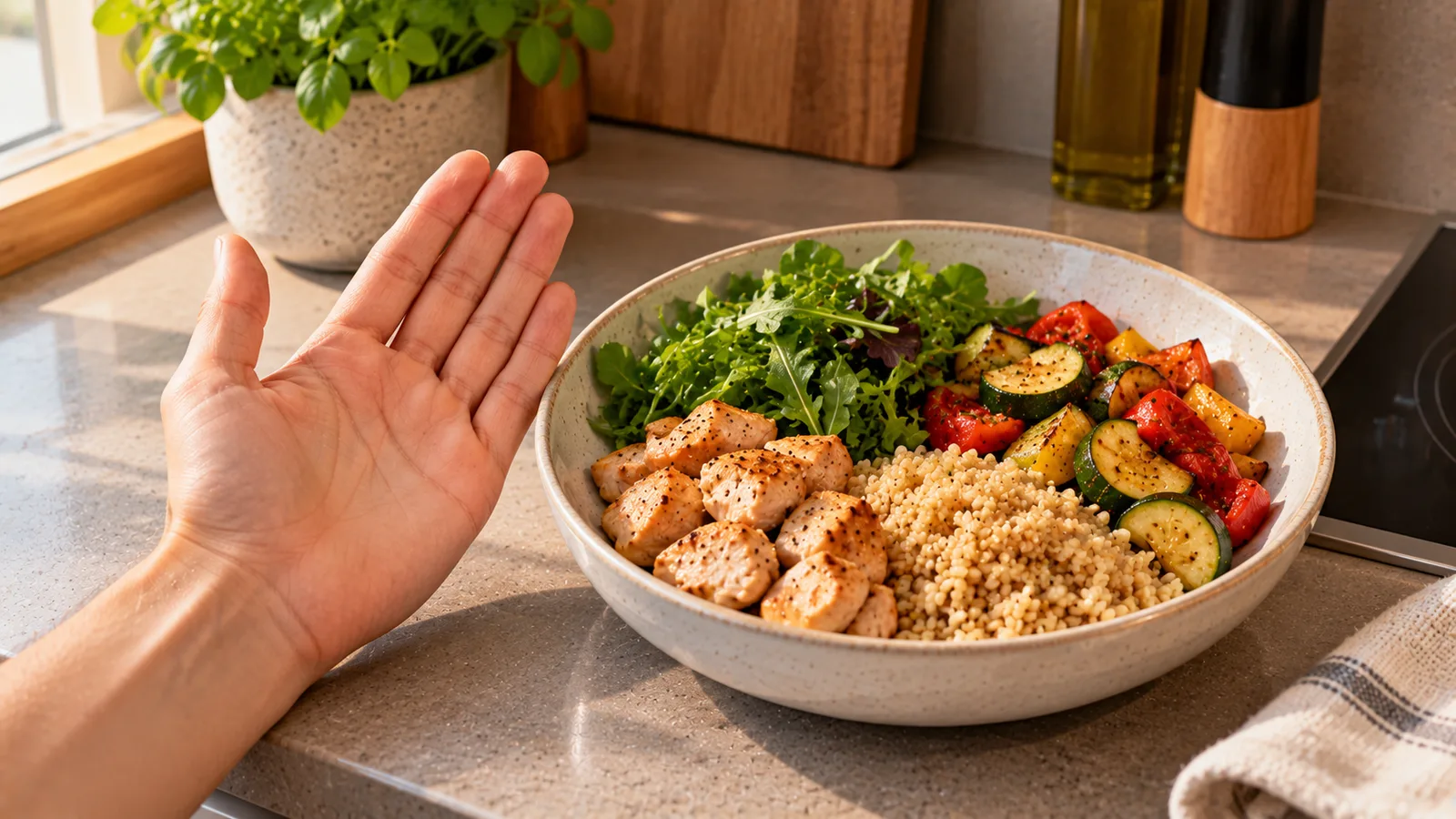
Learn how to use your hand as a practical reference for estimating food portions when weighing food is inconvenient or impossible.
Read article →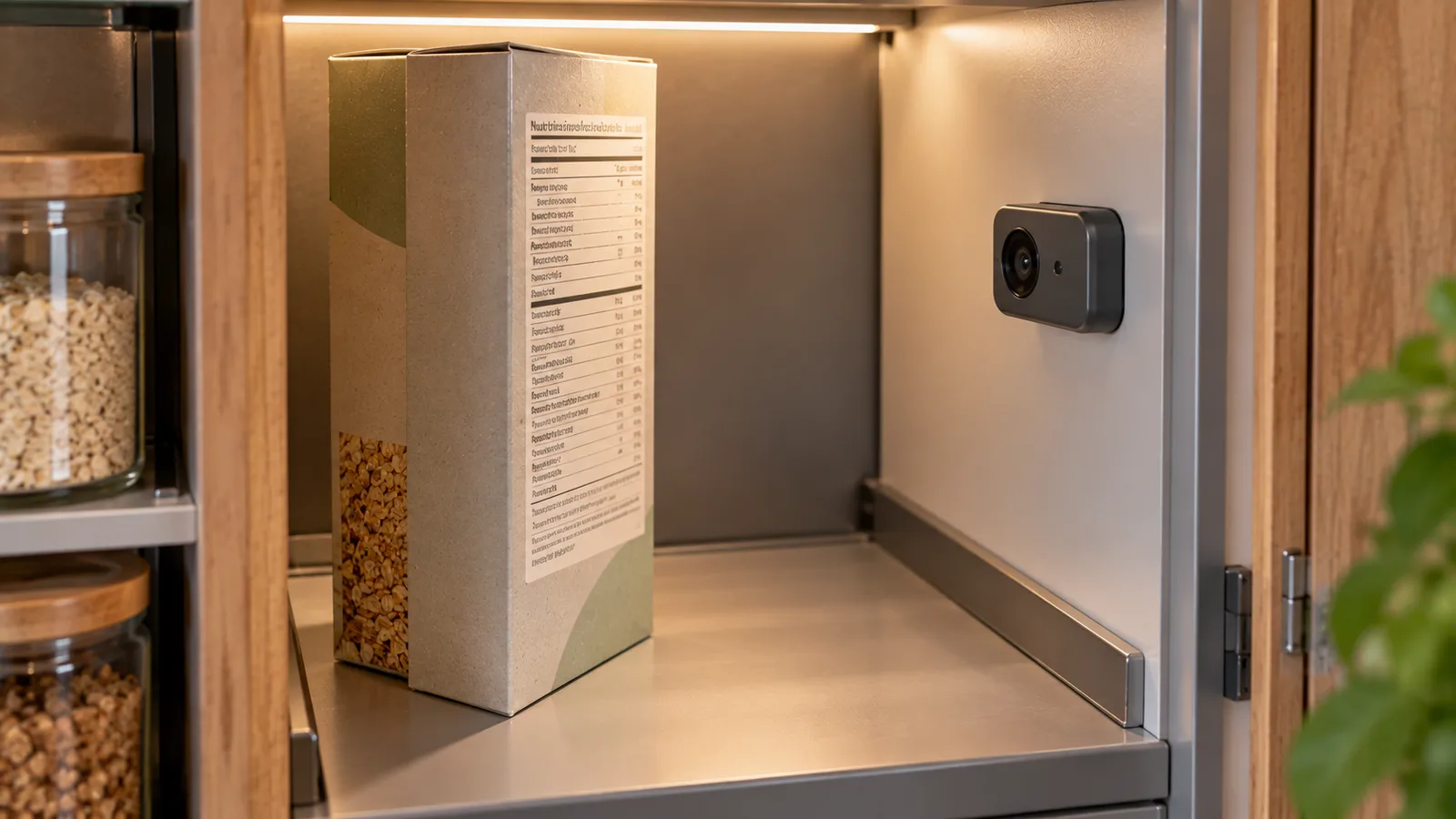
Learn how nutrition label scanner apps use photos to read calories, macros and serving information, what they can extract and when manual verification is still useful.
Read article →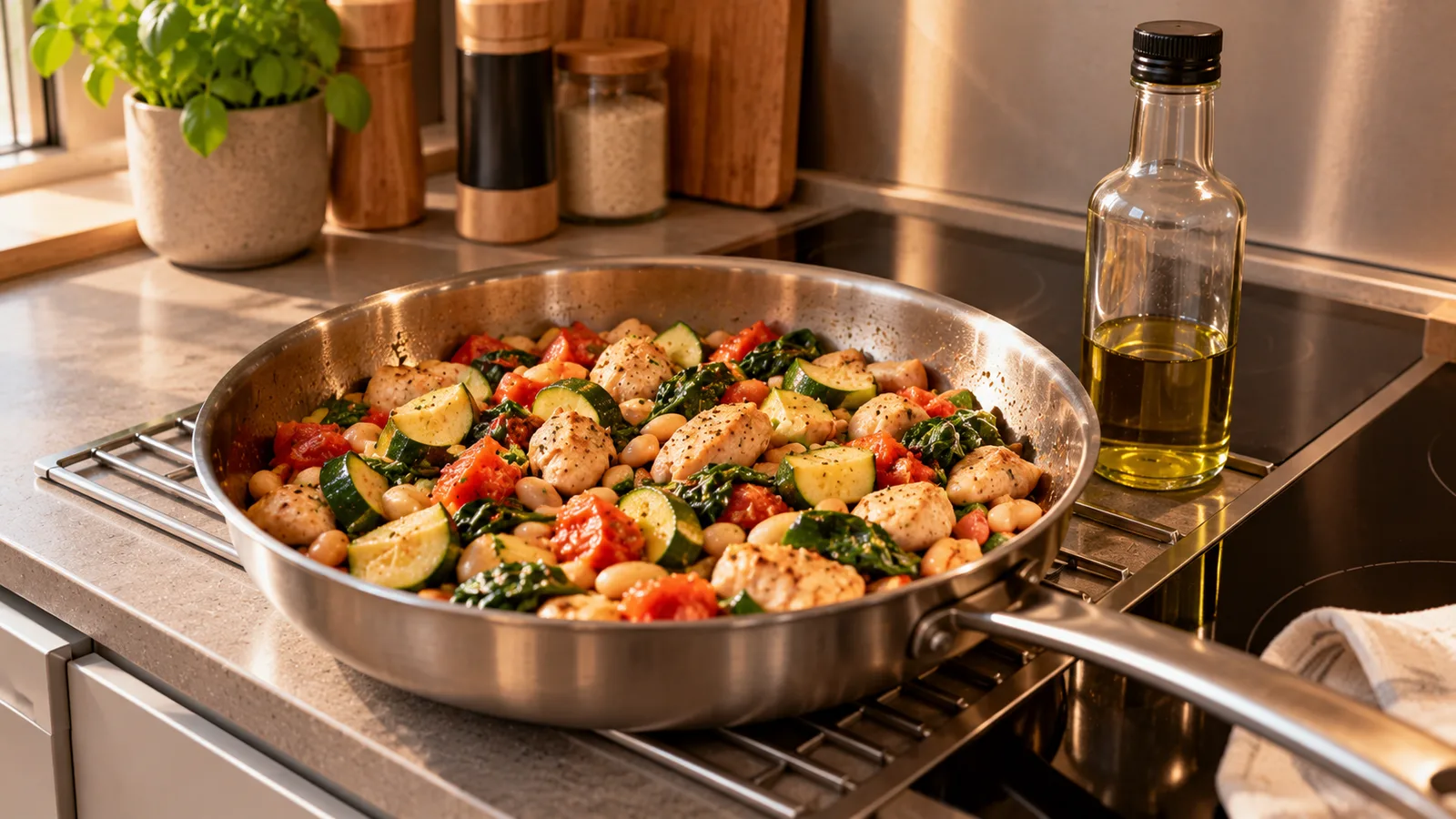
How much fat should you eat while losing weight? Learn how dietary fat fits into a calorie deficit, how to set a practical intake and which food sources to prioritize.
Read article →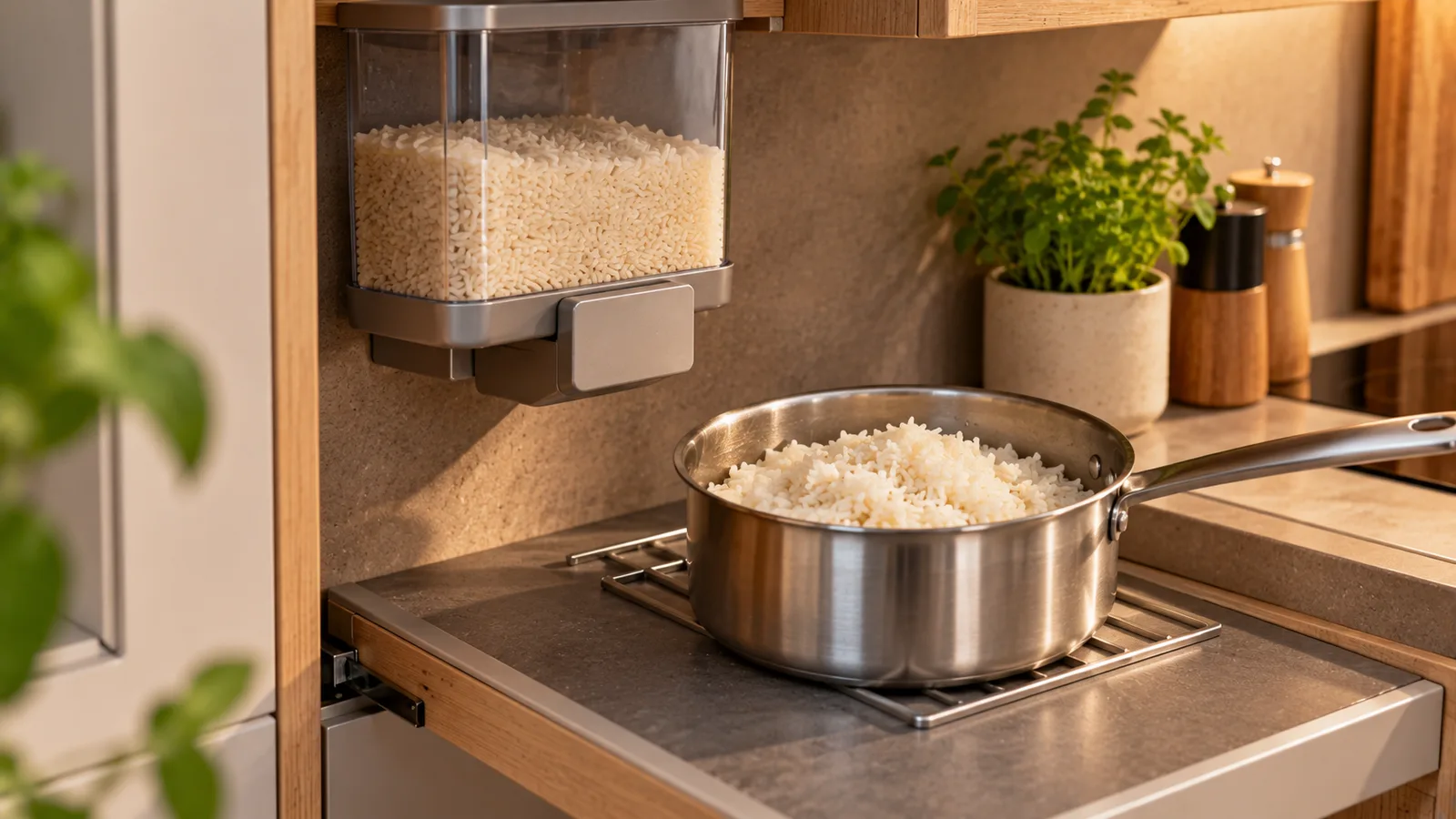
Raw and cooked food can have very different weights because cooking changes water content. Learn how to match the weight you measure with the correct nutrition entry.
Read article →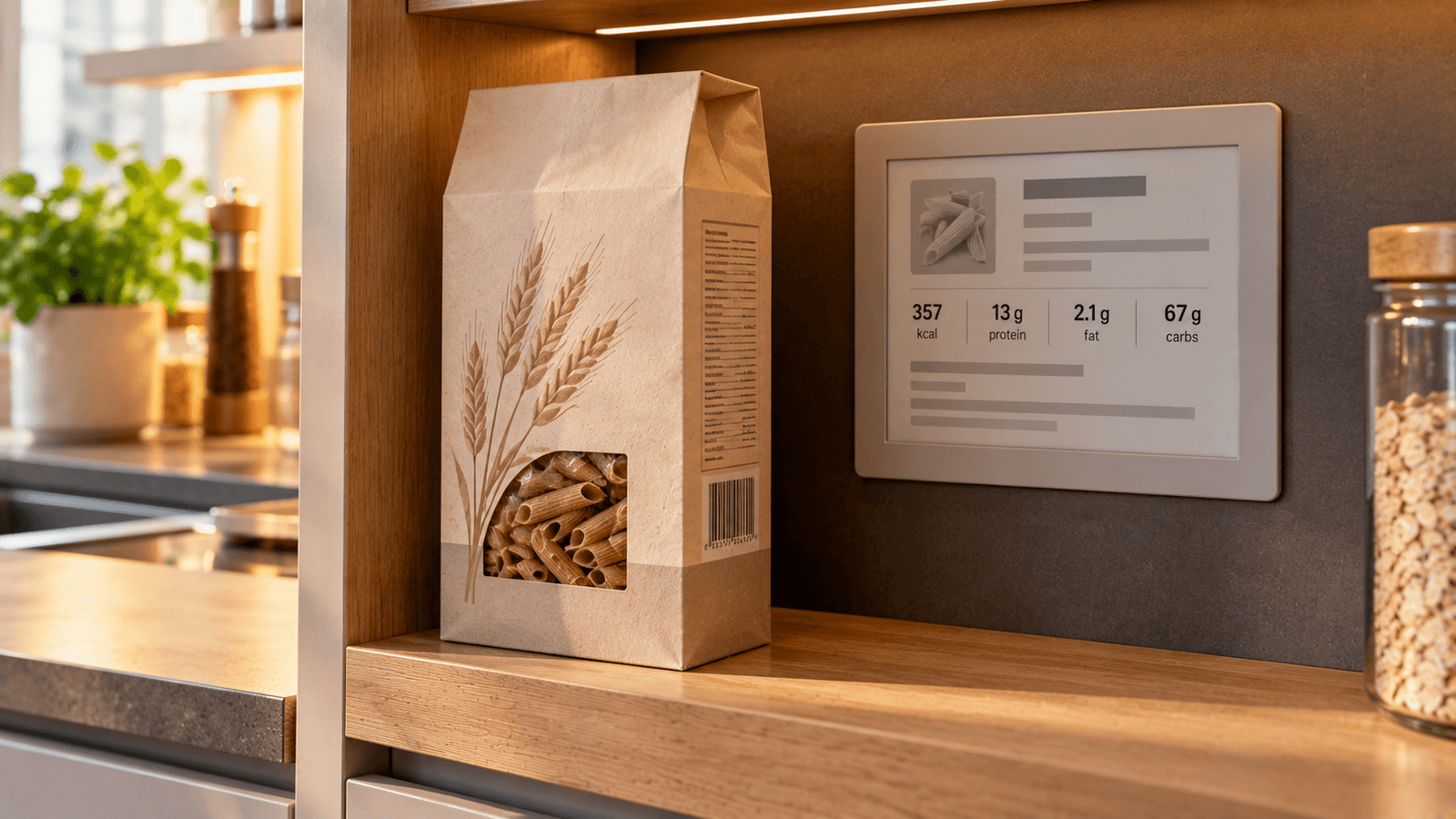
Learn what happens when you scan a food barcode, what nutrition data a scanner can retrieve, where that data comes from, and what to check before adding a product to your food log.
Read article →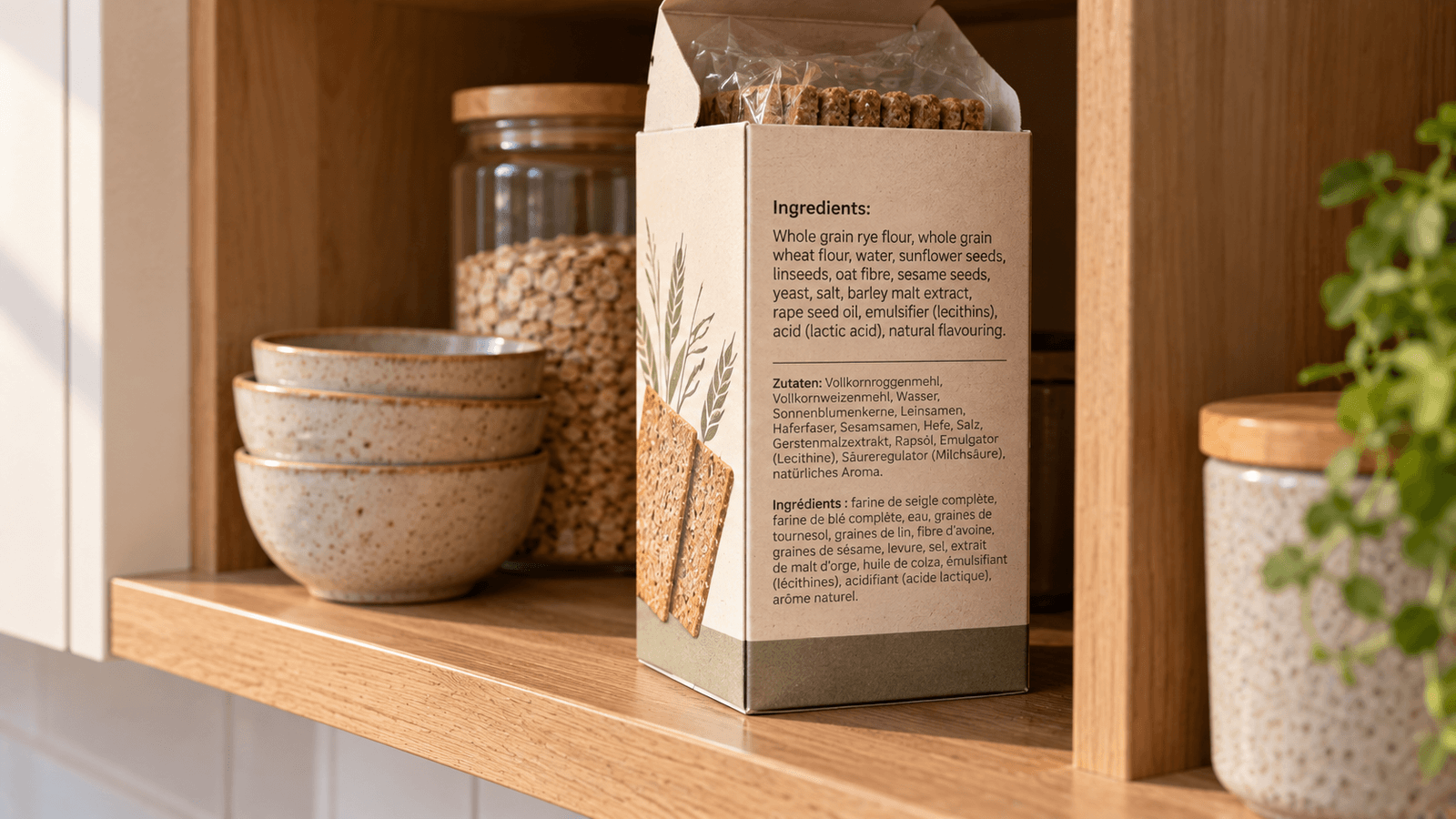
Learn how to interpret an ingredient list, understand ingredient order, identify compound ingredients and allergens, and compare packaged foods more effectively.
Read article →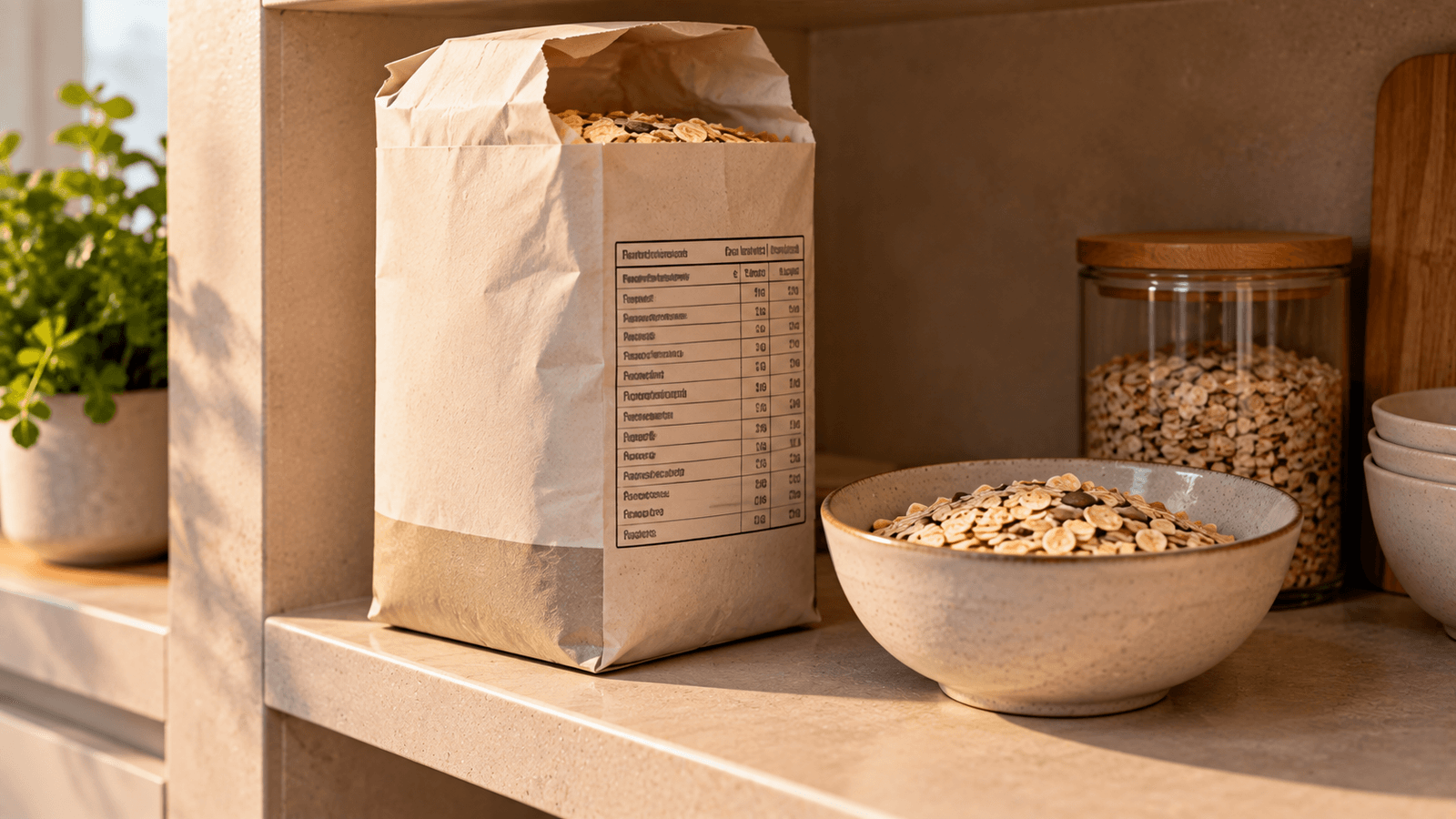
Learn how to read a nutrition label step by step, including calories, serving information, fat, carbohydrates, sugars, protein, salt and per-100-g comparisons.
Read article →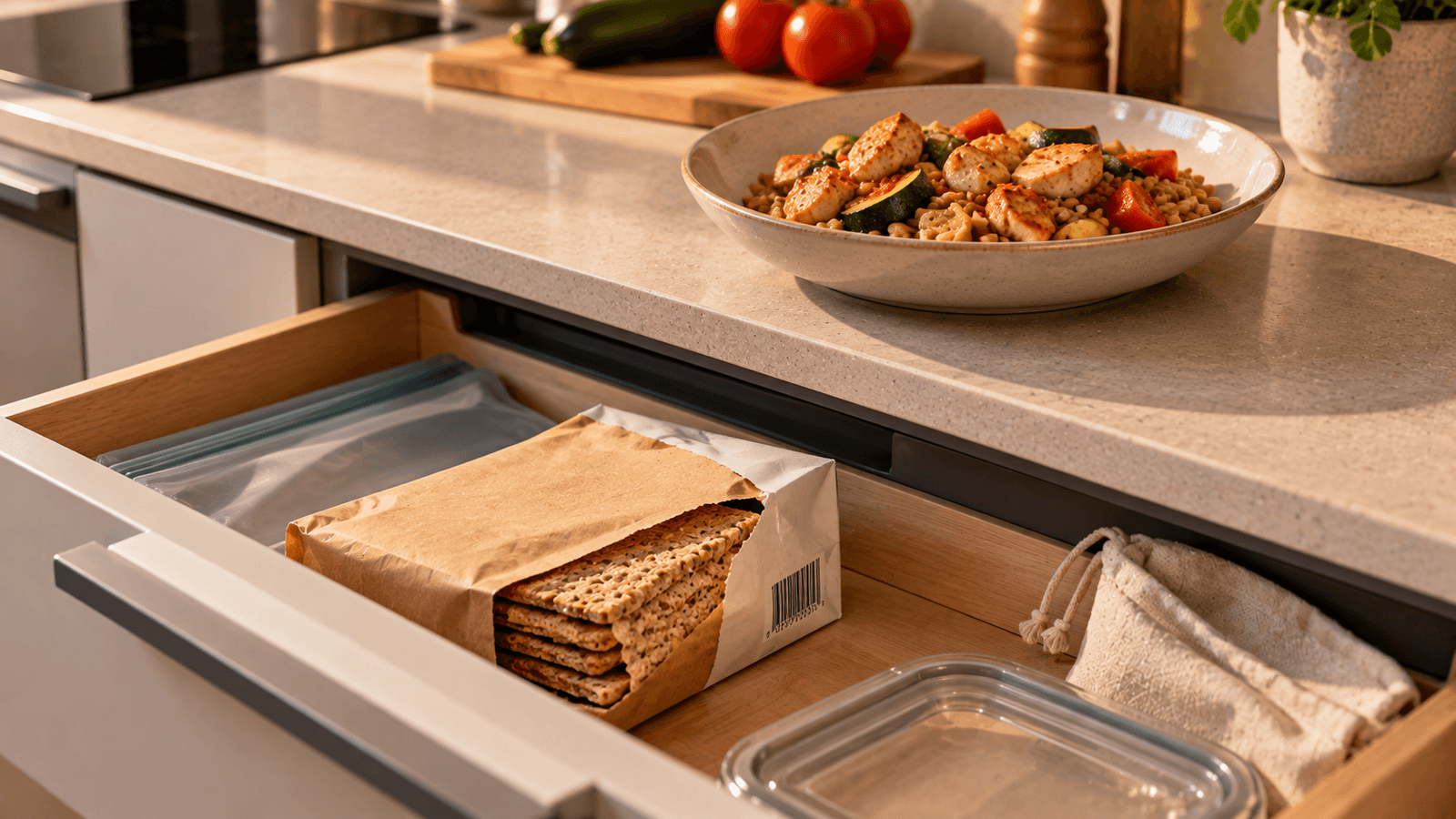
Barcode scanning and photo food tracking solve different food-logging problems. Compare where each method works best, where errors come from and when using both is more practical.
Read article →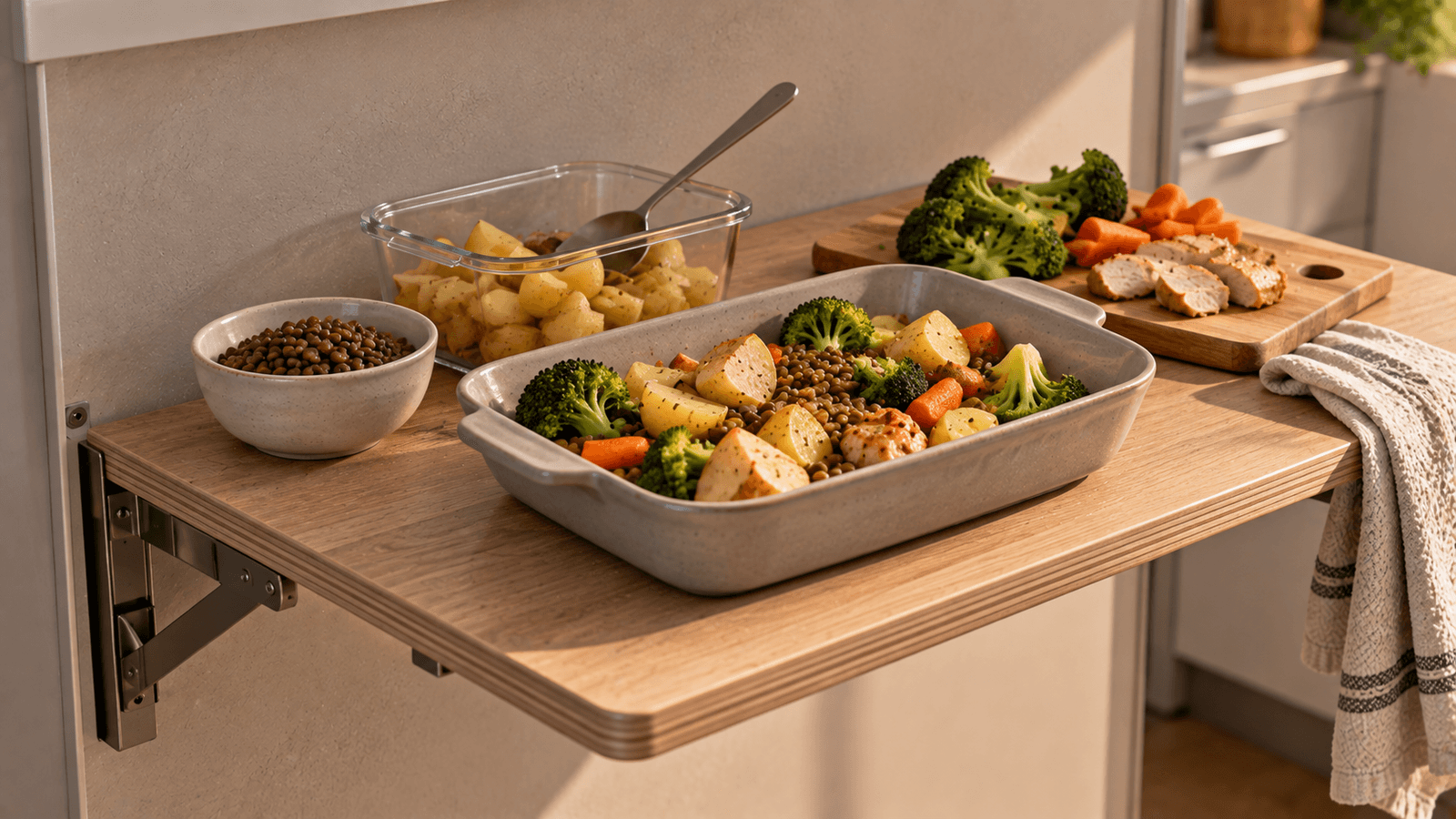
You do not have to eliminate carbohydrates to lose weight. Learn how much carbohydrate can fit into a weight-loss diet, how to choose useful sources and how to adjust intake around your preferences and activity.
Read article →
Empty calories is an informal term for foods and drinks that provide substantial energy while contributing relatively few nutrients. Learn what the term means and how to use it without labeling foods as good or bad.
Read article →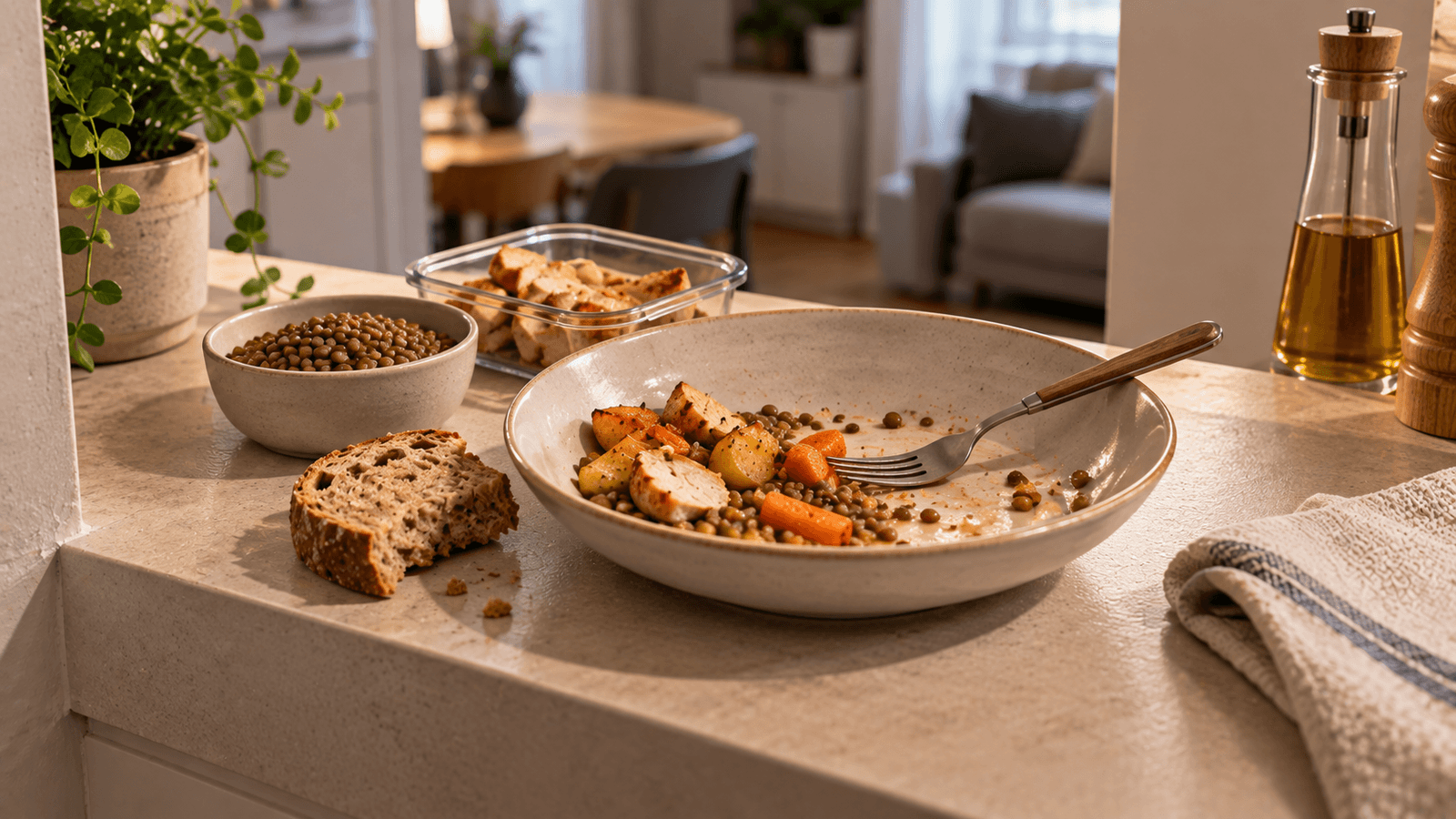
Protein can influence hunger and fullness, but the effect depends on the whole meal, the amount eaten and the individual. Here is what the evidence means in practice.
Read article →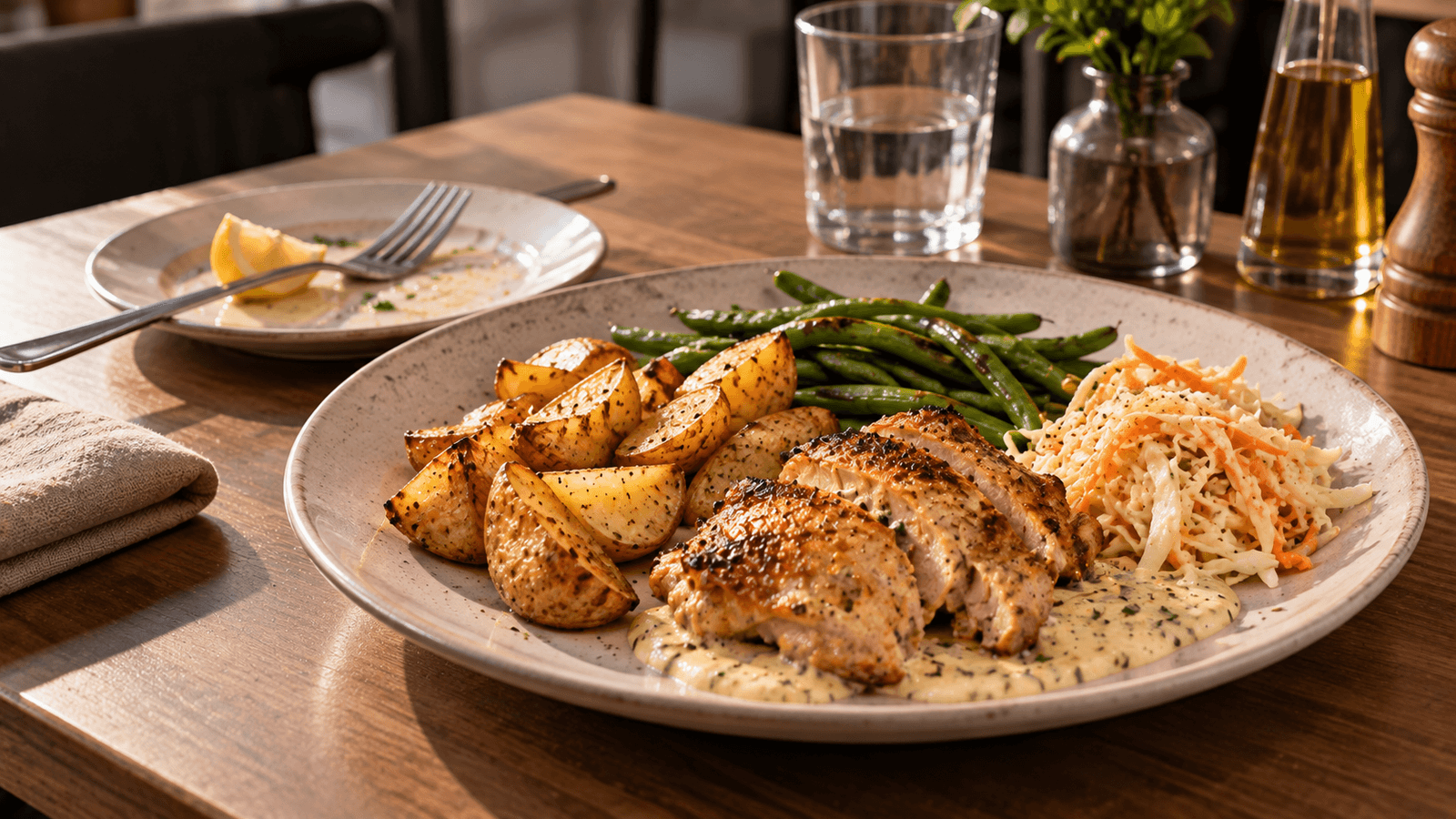
A practical workflow for tracking restaurant meals when exact ingredients, portions and nutrition data are not available.
Read article →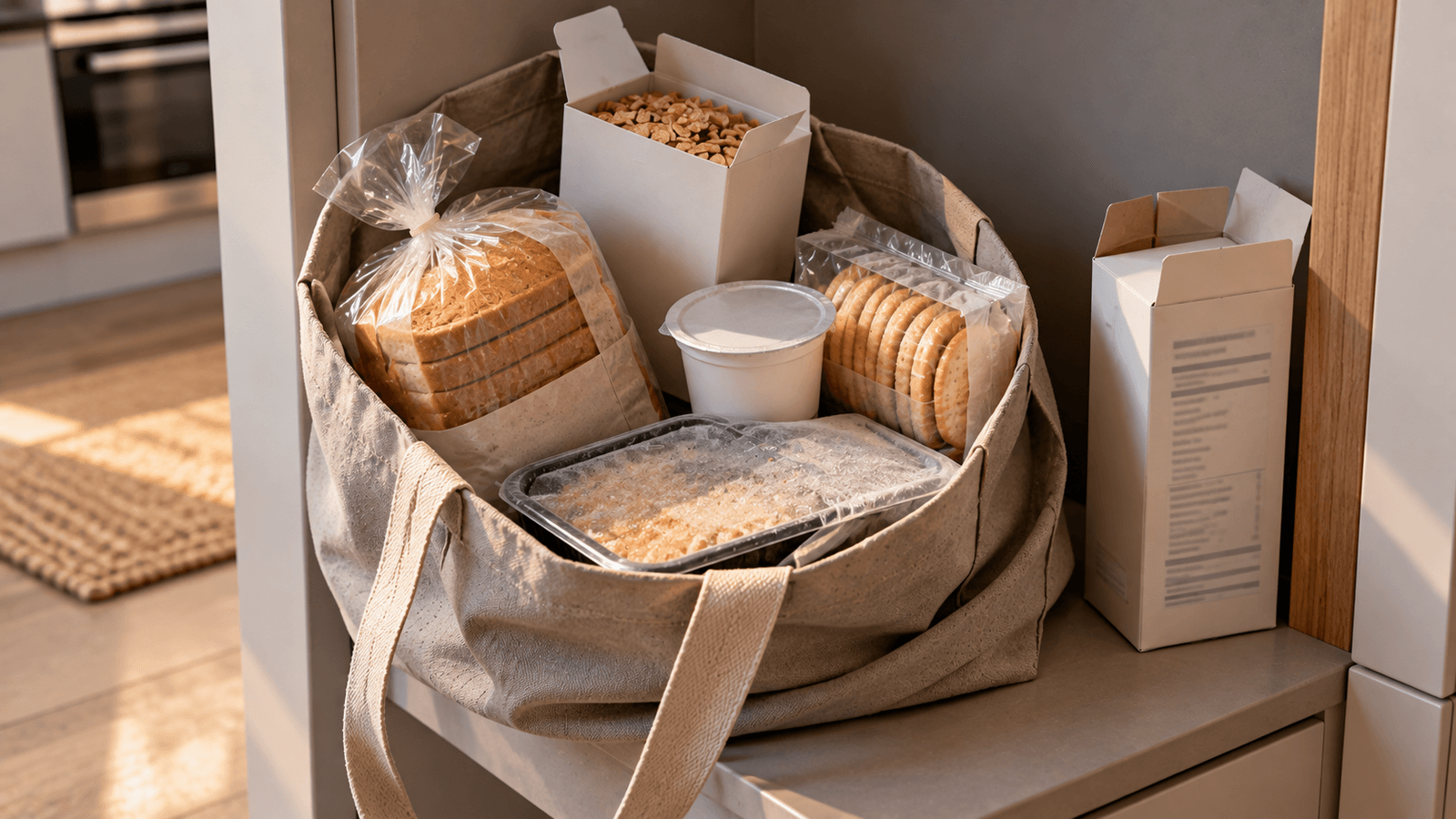
What does ultra-processed food actually mean? Learn how the NOVA system classifies foods, how ultra-processed foods differ from ordinary processed foods, and why the distinction is not always obvious.
Read article →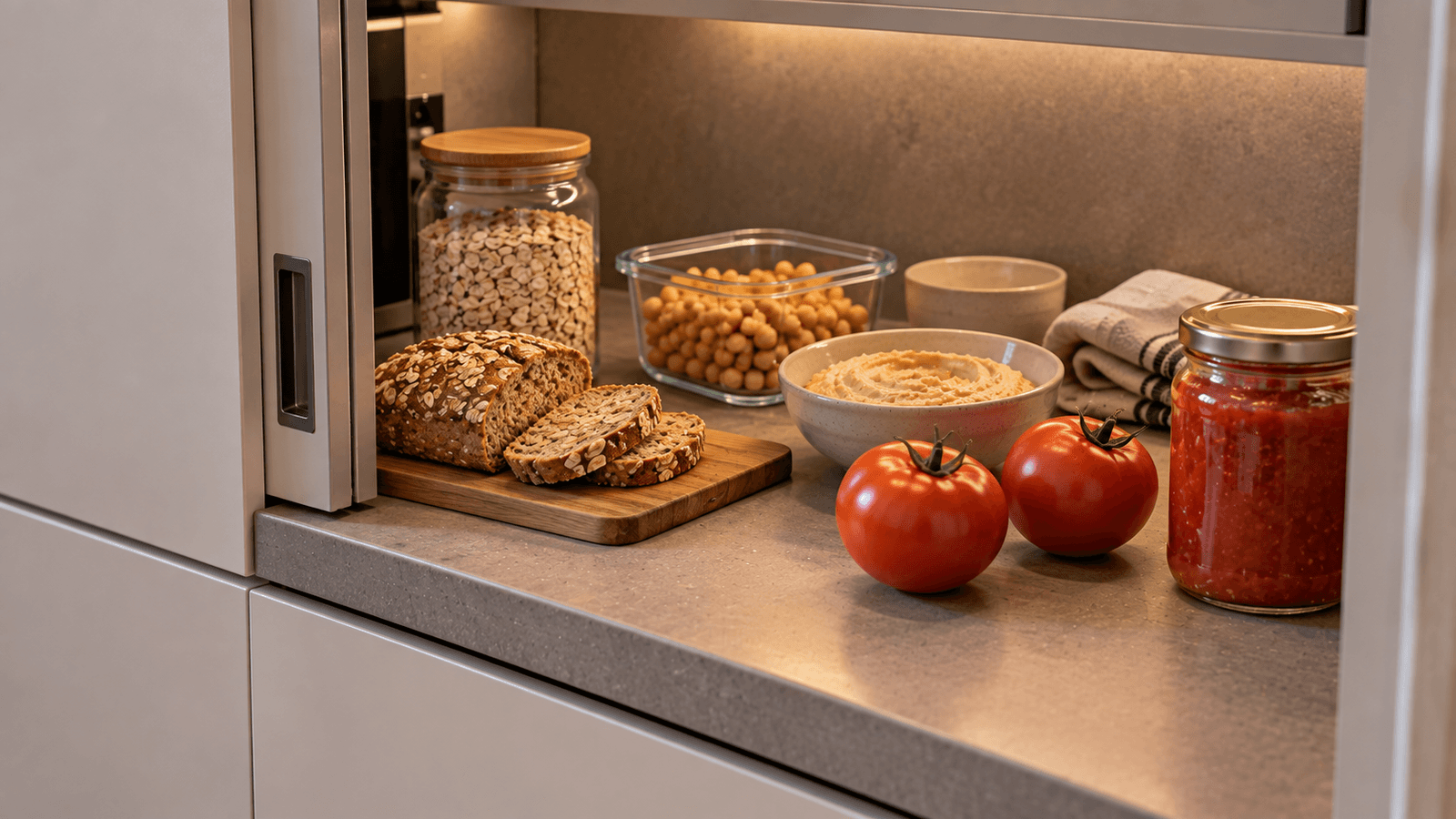
Whole and processed foods are often presented as opposites, but processing exists on a spectrum. Learn the practical differences and how to compare foods without treating every processed product the same.
Read article →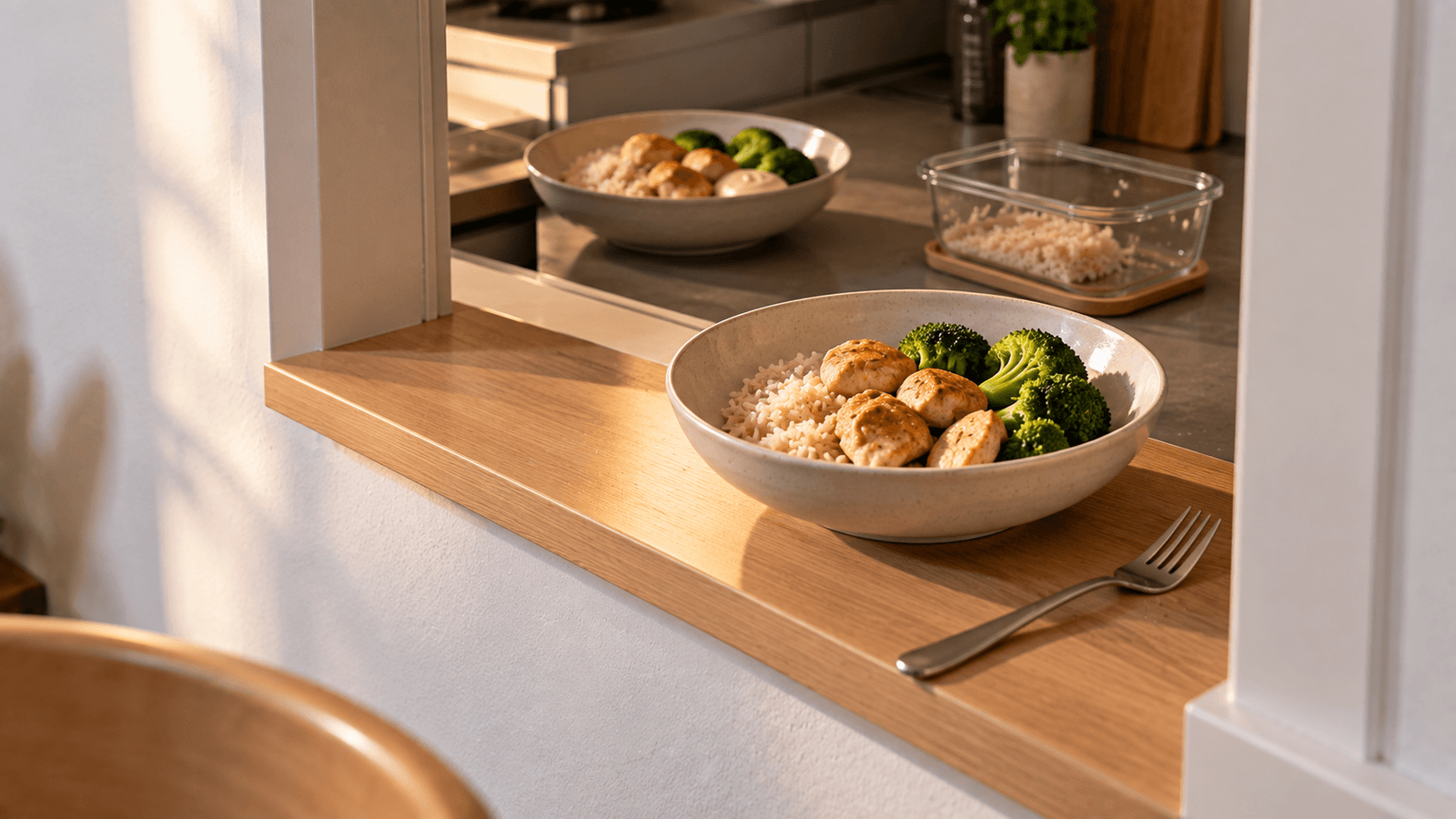
If you regularly eat the same breakfasts, lunches or recipes, you do not need to log every ingredient from scratch. Learn practical ways to track repeat meals faster without losing useful accuracy.
Read article →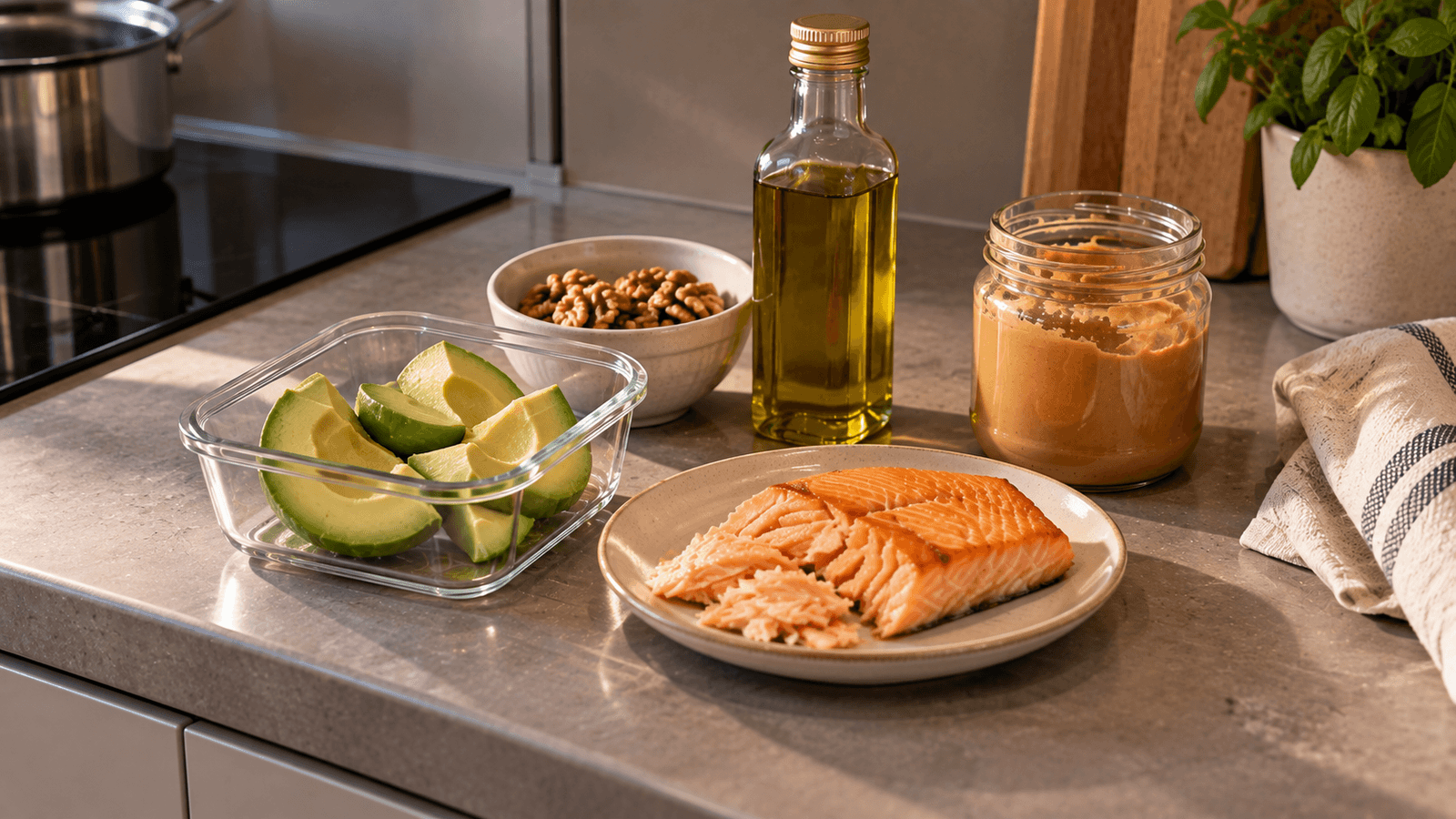
Dietary fat is an essential macronutrient. Learn the differences between unsaturated, saturated and trans fats, where they are found and why fat quality matters.
Read article →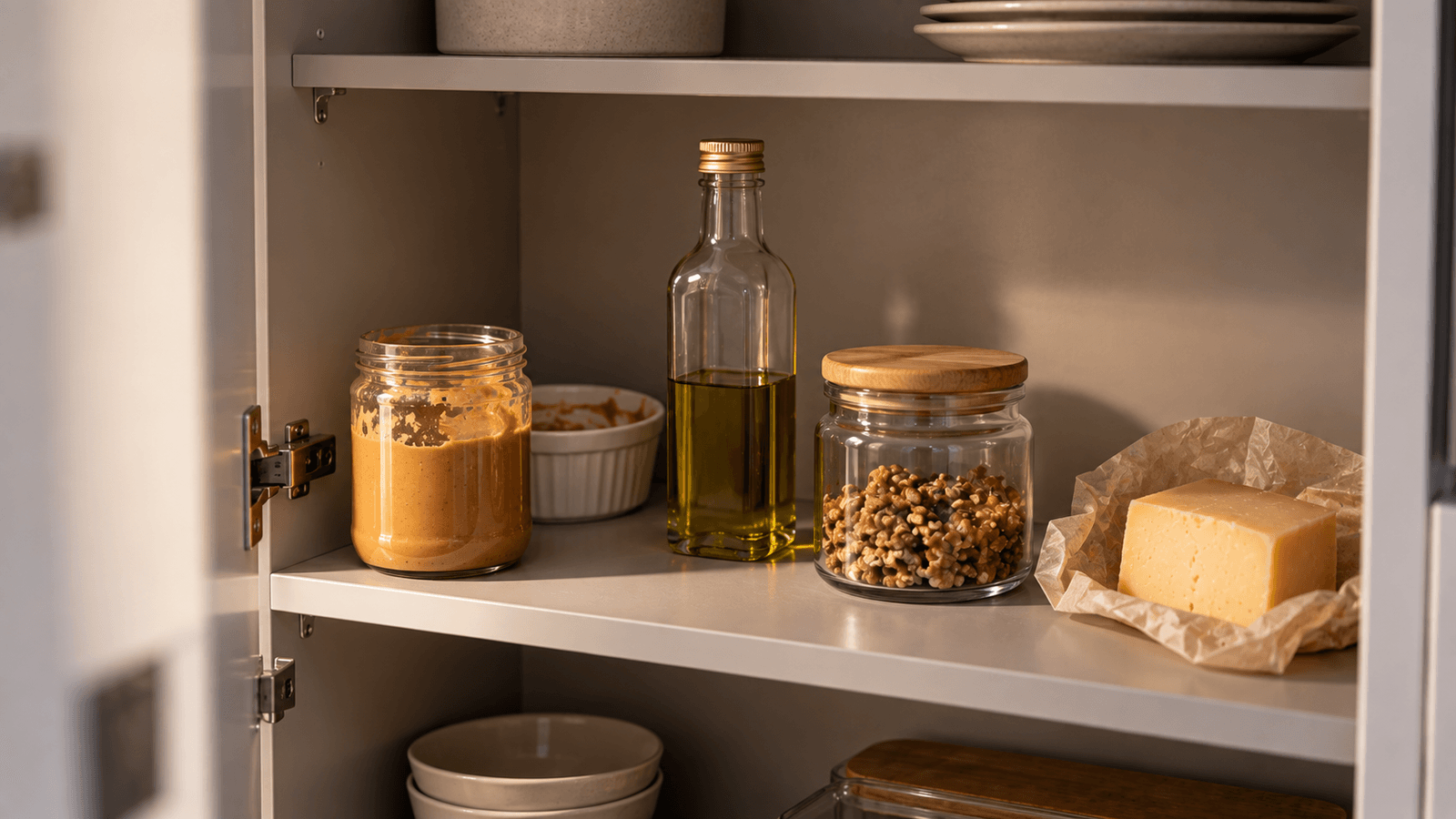
High-calorie foods provide a relatively large amount of energy for their weight or volume. Learn when energy-dense foods can be useful and how nutritional quality still matters.
Read article →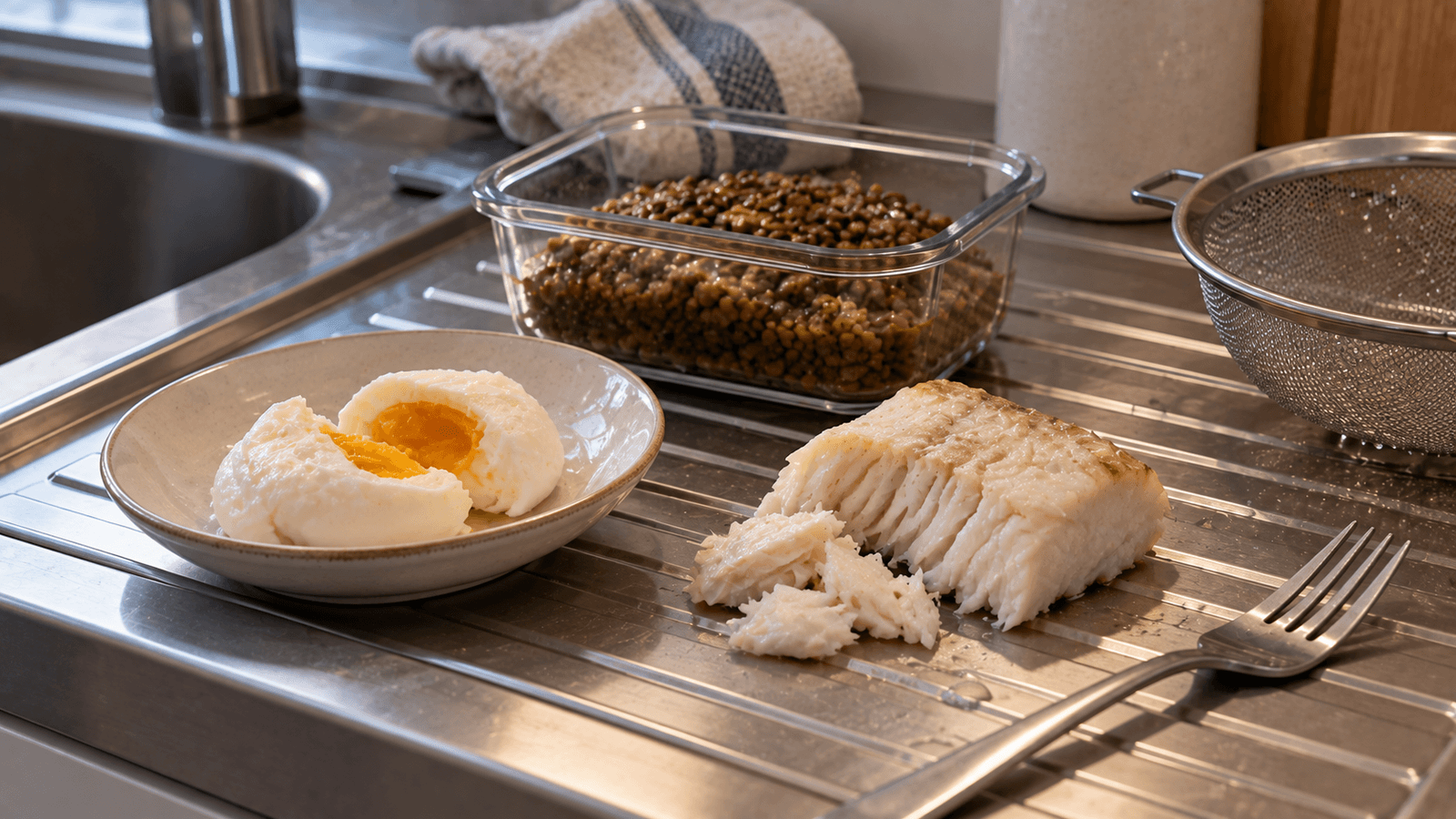
Protein quality scores combine information about indispensable amino acids and digestibility. Learn what PDCAAS and DIAAS measure, why they differ and how useful they are in everyday nutrition.
Read article →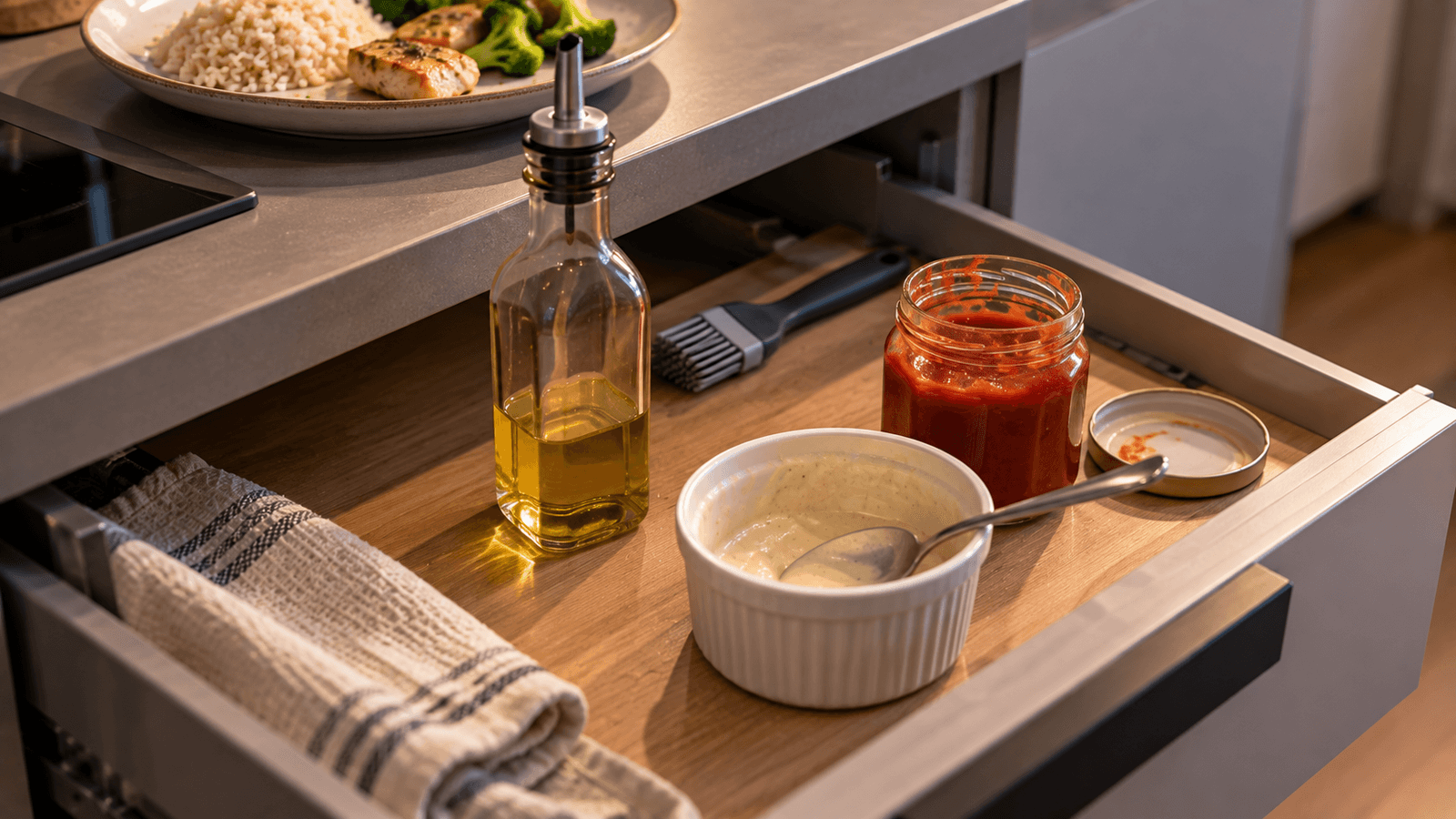
A practical method for tracking oils, sauces, dressings and condiments without turning every meal into a measuring exercise.
Read article →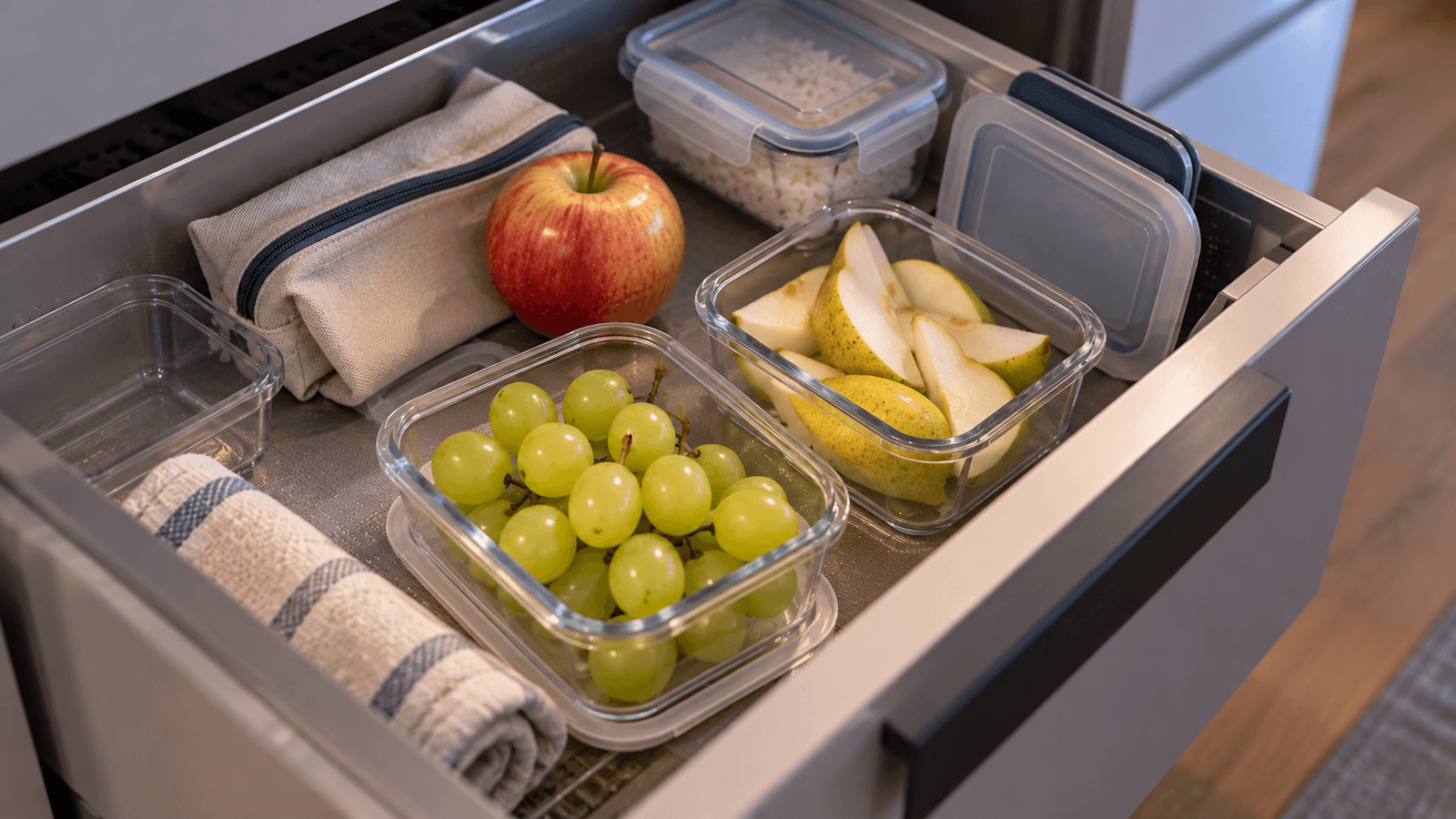
Practical ways to eat more fruit without redesigning your entire diet, from breakfast and snacks to frozen, canned and seasonal options.
Read article →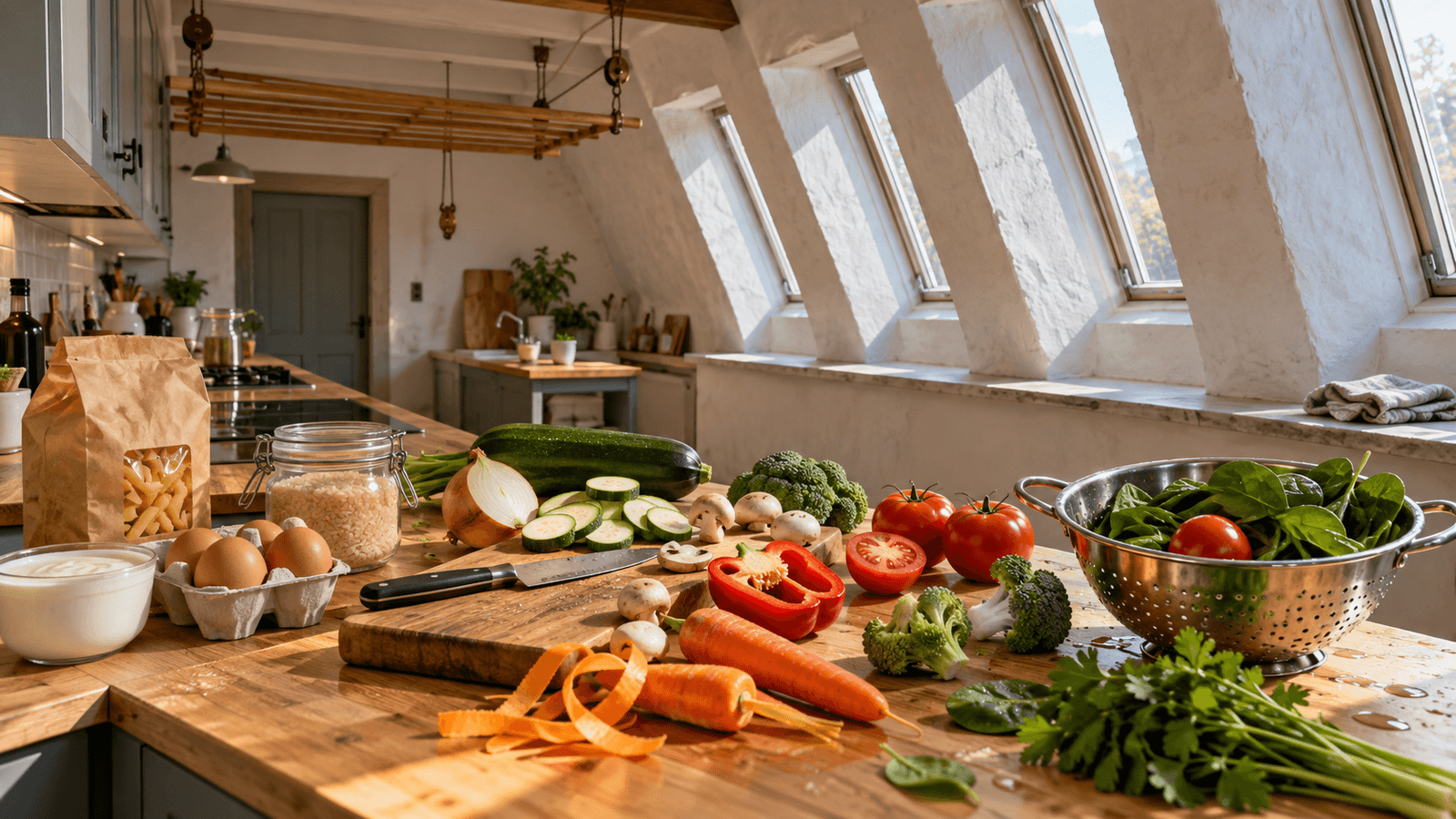
Practical ways to eat more vegetables without changing your entire diet, following a restrictive plan or turning every meal into a salad.
Read article →
Compare photo food diaries with traditional food logging, including speed, detail, accuracy, consistency and when each method may be more useful.
Read article →