
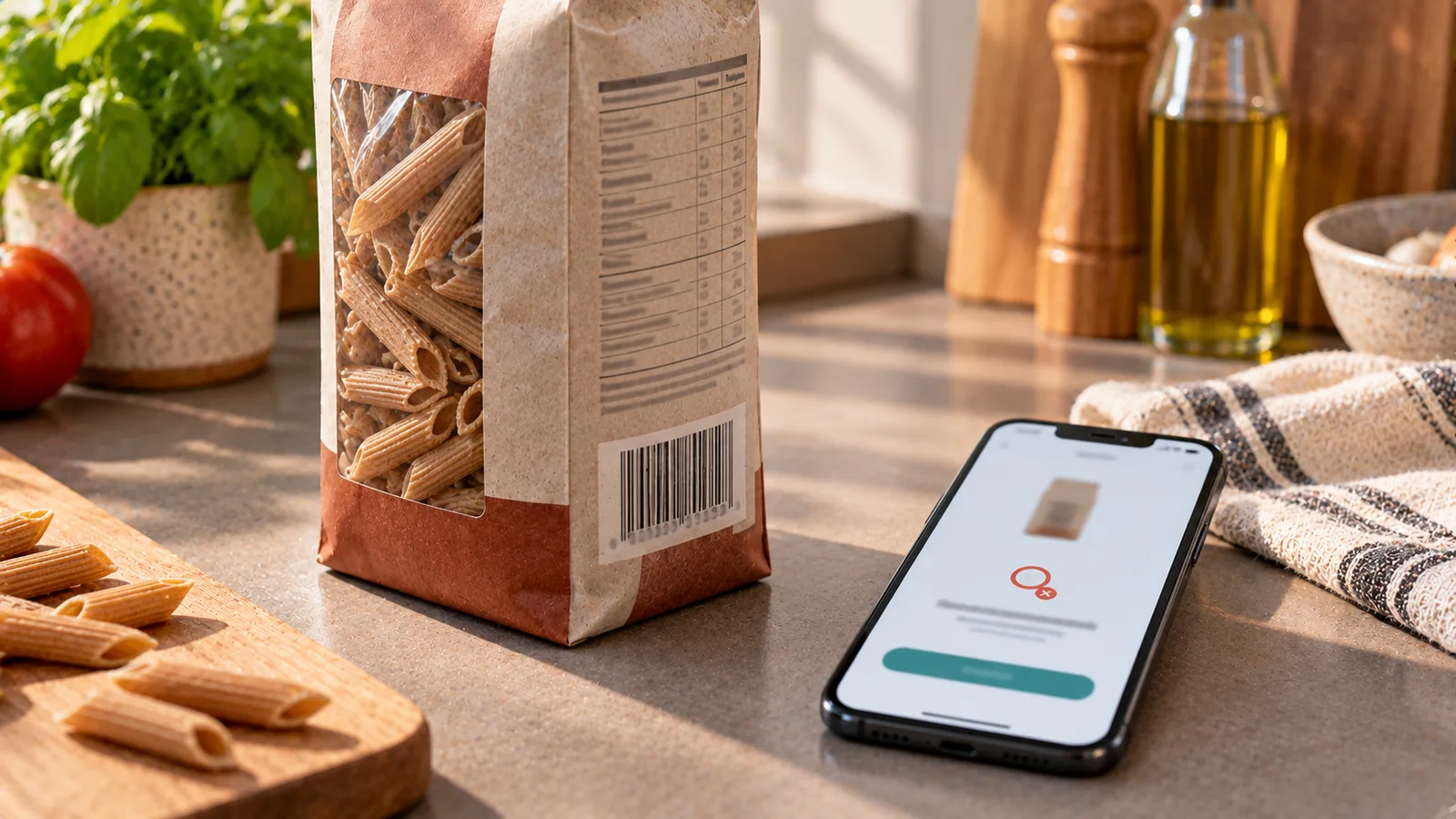
Why a Food Barcode Is Missing From an App—and What to Do
A food barcode may be missing because the product is new, regional, reformulated or simply absent from the app database. Here is how to log it accurately without guessing.
Read article →Practical guides about calories, macros, protein and everyday nutrition.
A food barcode may be missing because the product is new, regional, reformulated or simply absent from the app database. Here is how to log it accurately without guessing.
Read article →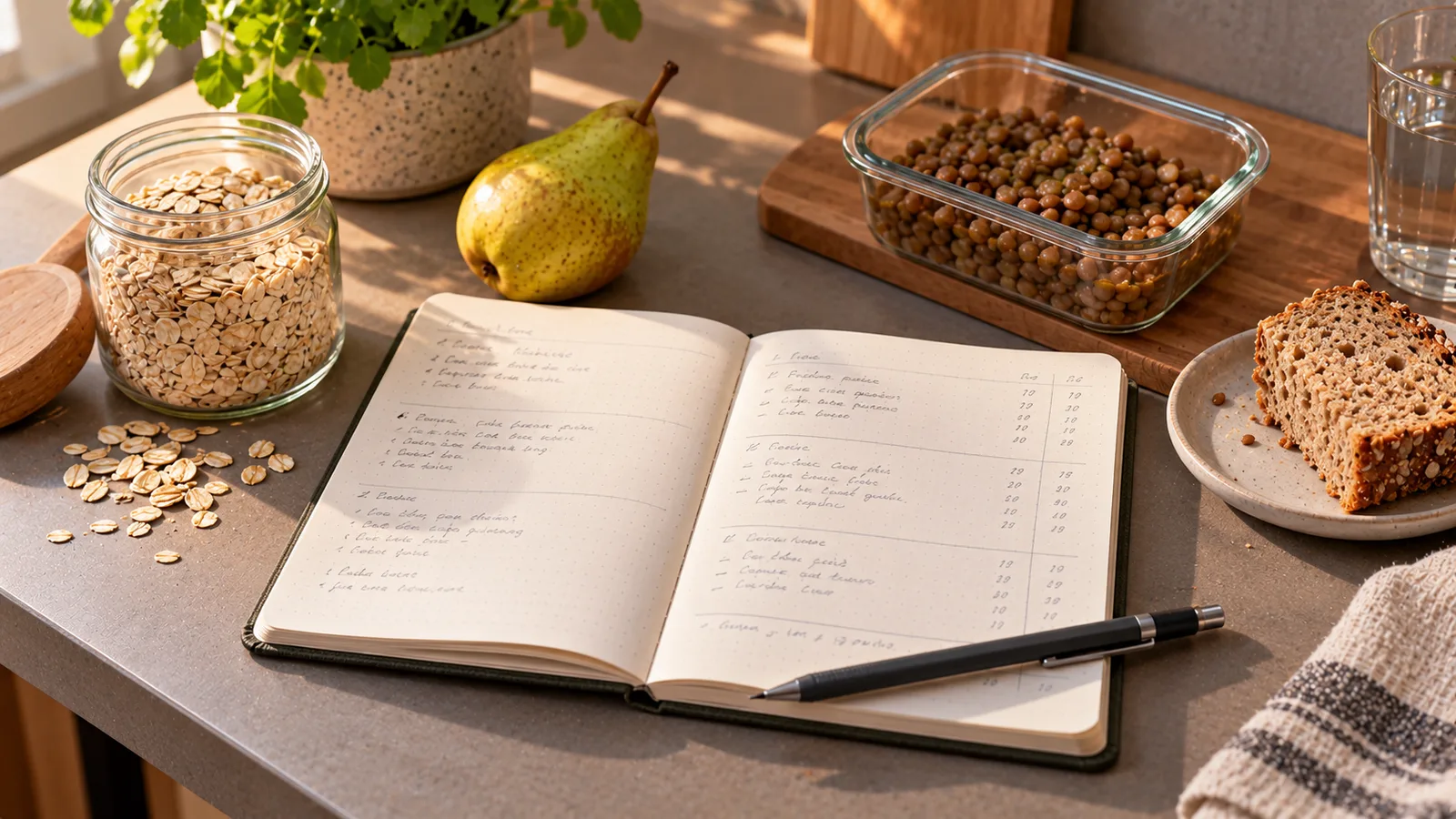
Learn how to track fiber alongside calories, what a complete food diary can reveal about your usual intake, and how to interpret daily patterns without overreacting to a single number.
Read article →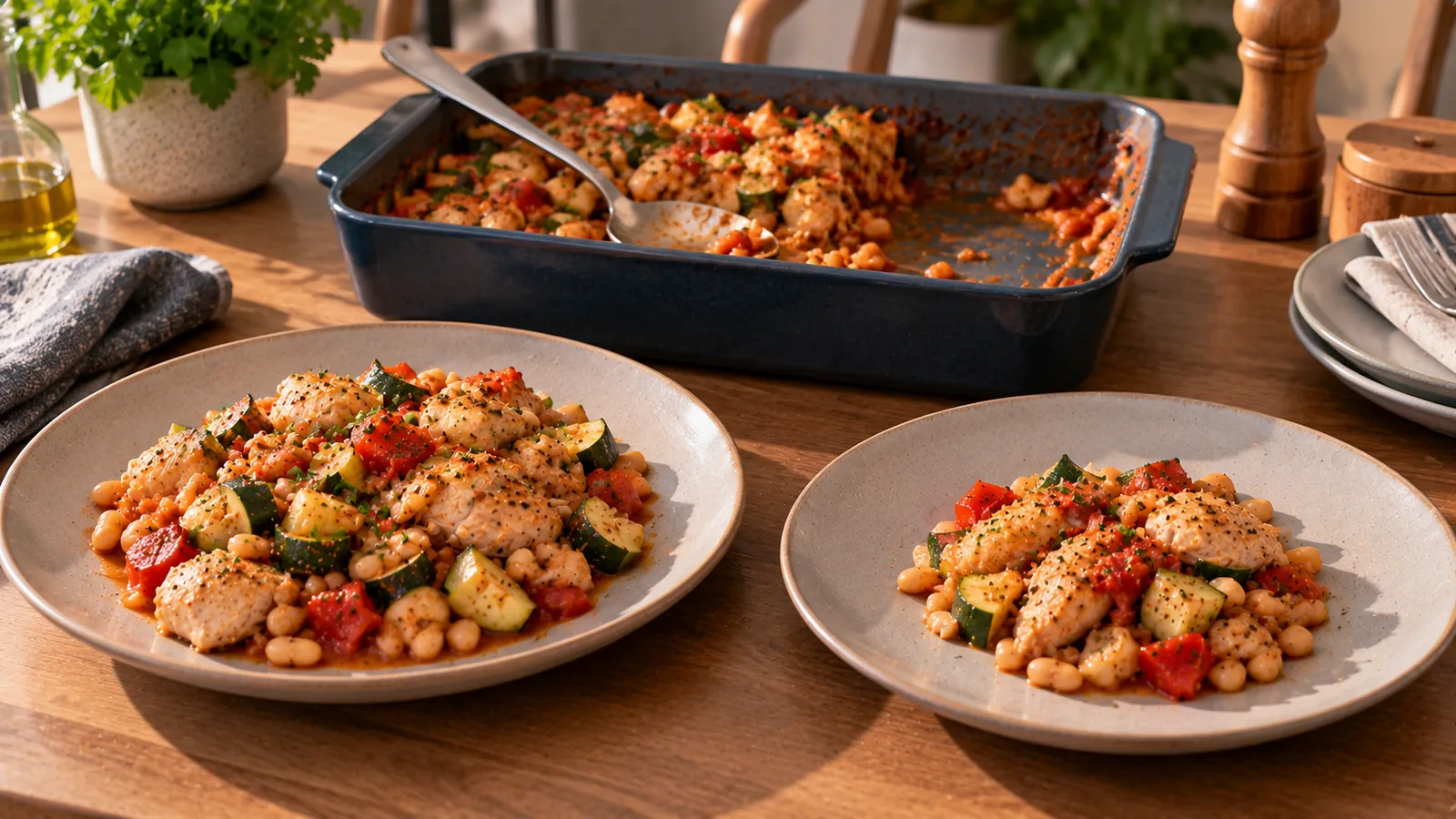
Learn how to track calories and macros from a shared meal when everyone eats a different amount, using total cooked weight, individual portions and practical estimates.
Read article →
Learn a practical way to track an all-you-can-eat buffet when you have multiple plates, refills, mixed dishes and uncertain portions.
Read article →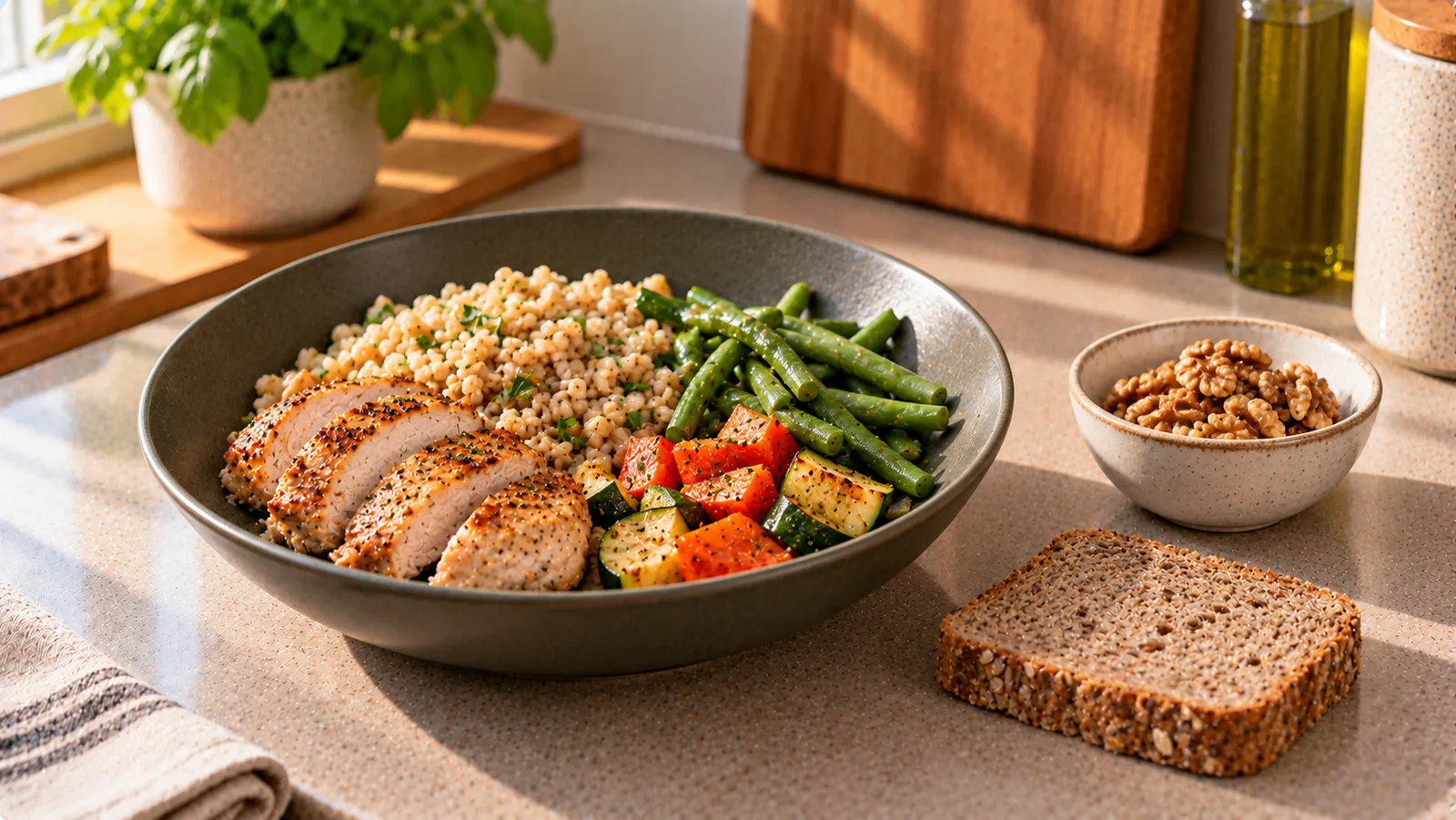
Learn how to move from a calorie deficit to maintenance by recalculating calories, keeping protein practical and adjusting carbohydrates and fats without rebuilding your diet.
Read article →
Learn what a high-protein claim actually means, how to check protein against calories and serving size, and why EU and US package claims can differ.
Read article →
A practical workflow for tracking a meal when an AI food scanner cannot recognize one ingredient, including clarification, label checks and manual entry.
Read article →
Learn how to verify a food database entry before using it for calorie and macro tracking, from brand and preparation state to serving units and nutrition labels.
Read article →
Learn when to use drained weight, net weight or the full contents of a can when tracking calories and macros.
Read article →
EU and US nutrition labels use different conventions for calories, carbohydrates, fiber and serving sizes. Learn how to compare them without transferring values incorrectly.
Read article →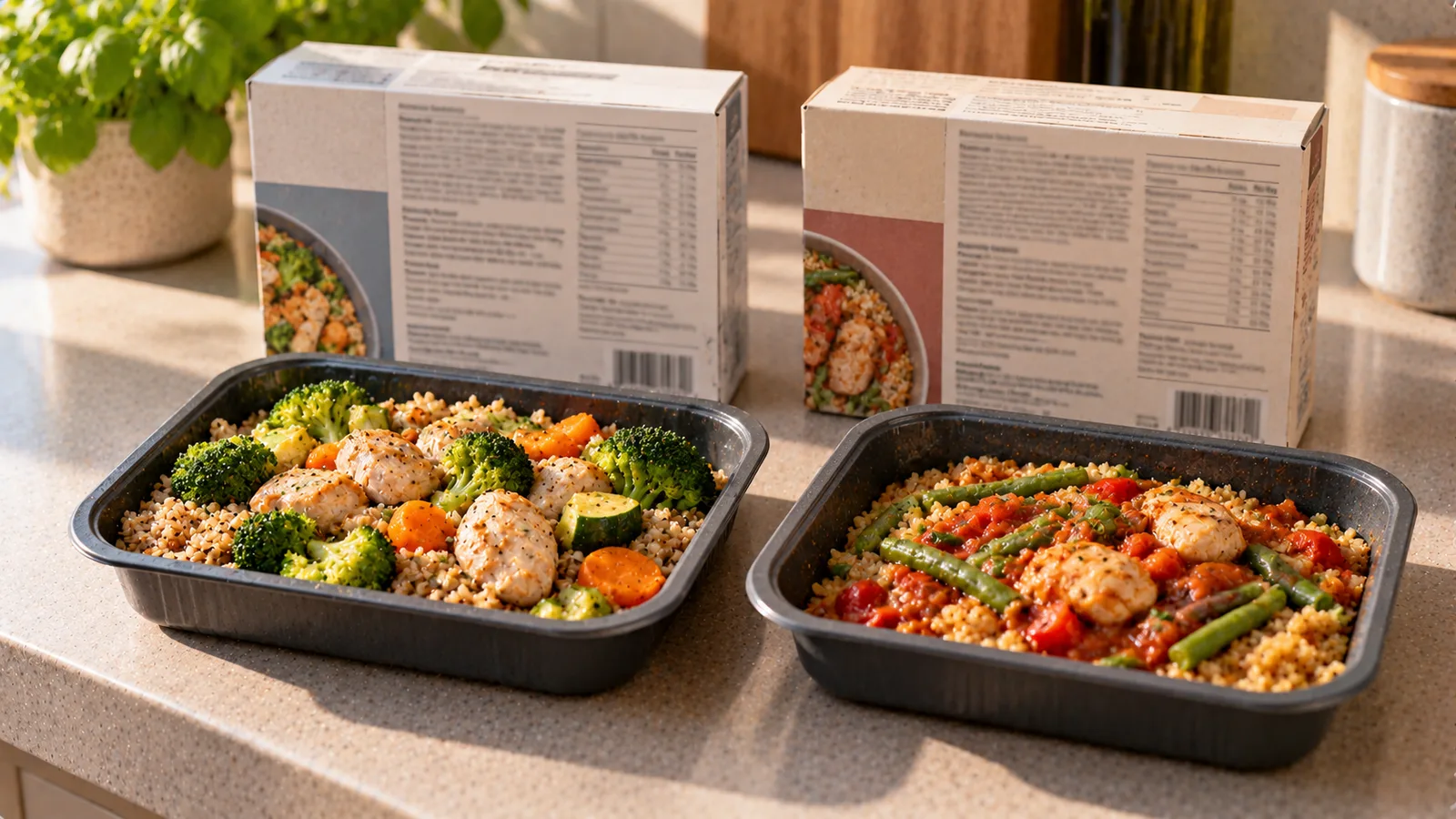
Learn how to compare ready meals using calories, protein, vegetables, fiber, salt and the actual amount you plan to eat.
Read article →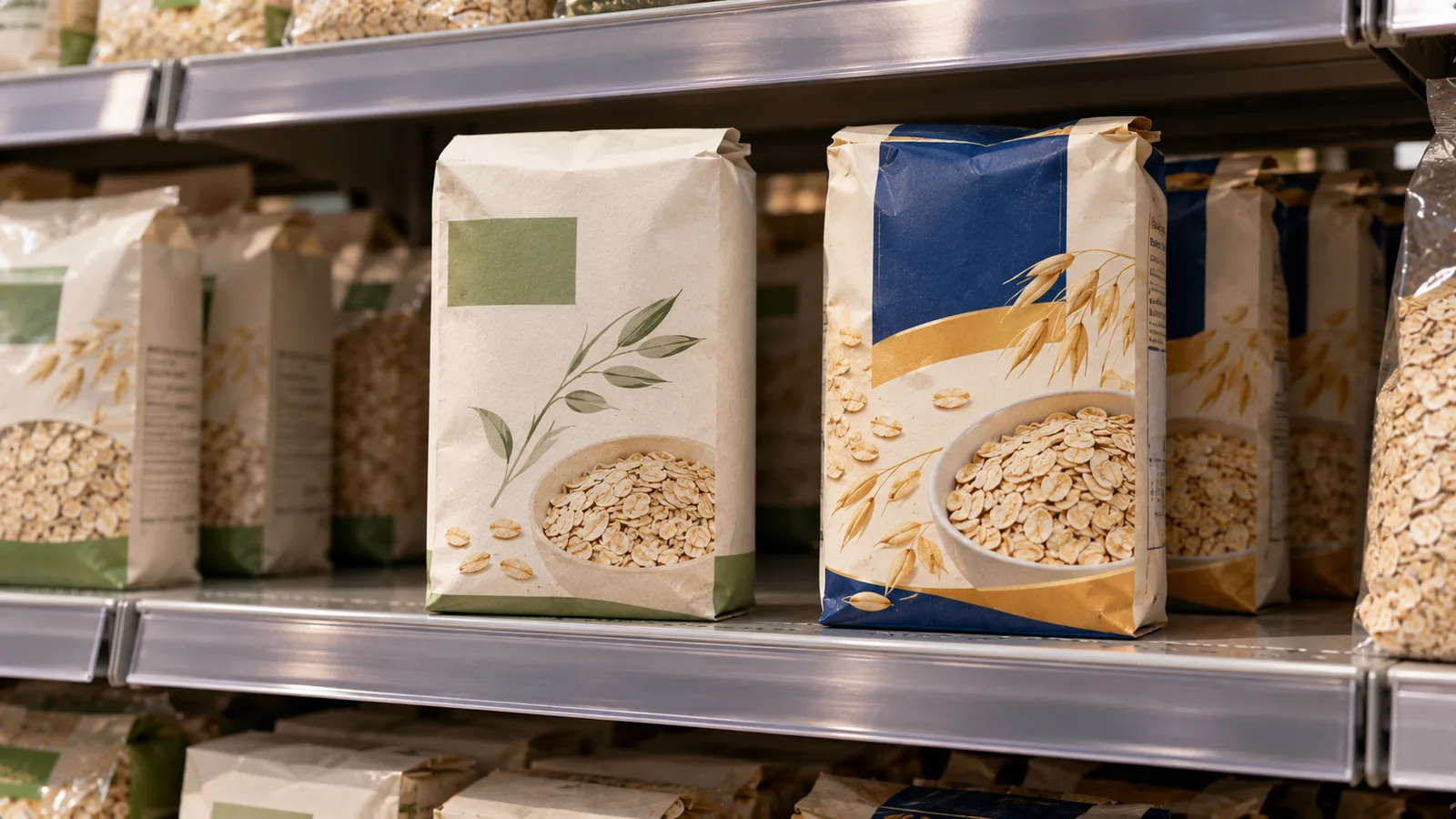
Learn the difference between soluble and insoluble fiber, which foods provide each type, and why many plant foods contain a mixture of both.
Read article →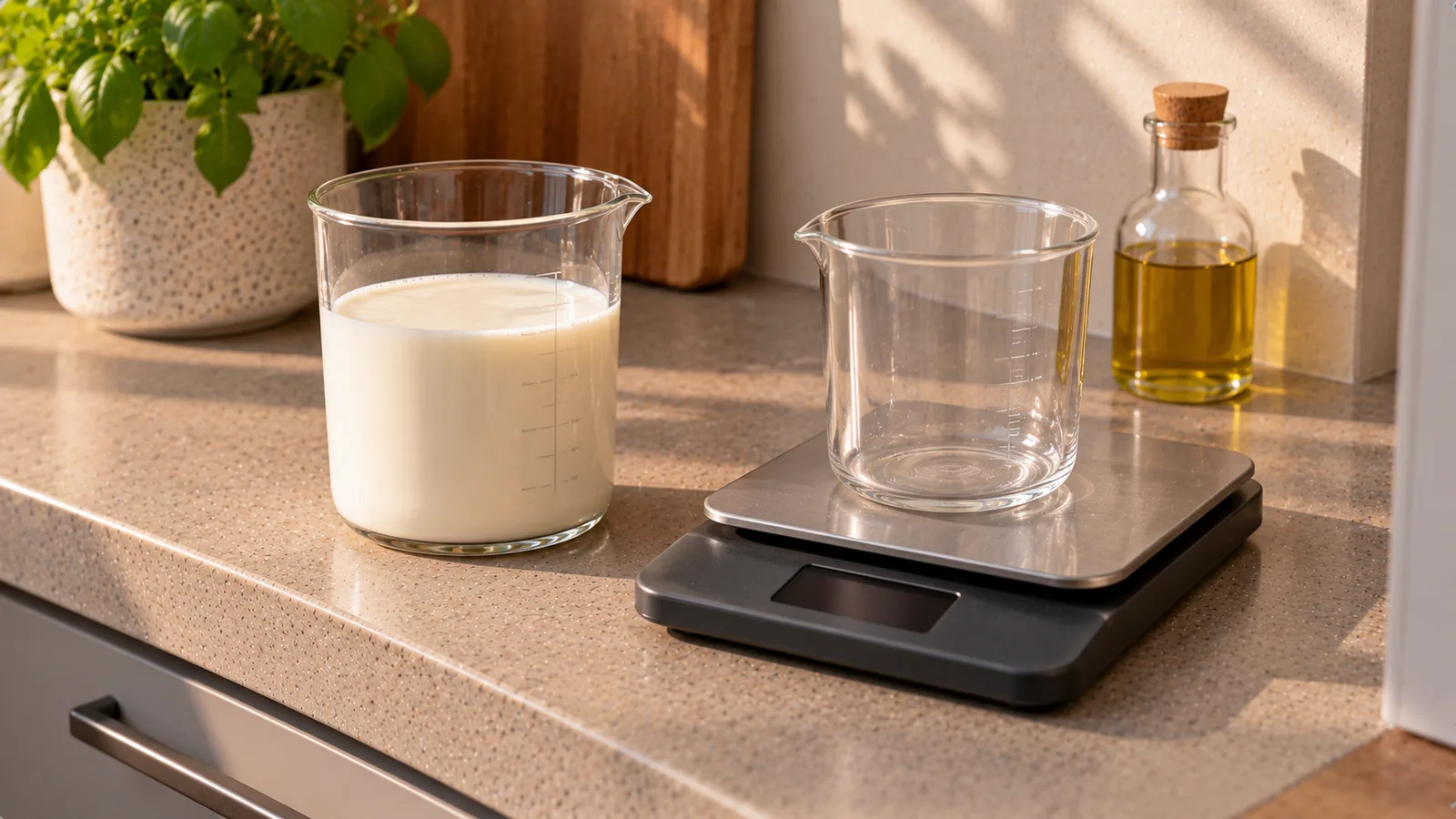
Learn when millilitres and grams can be treated similarly, when density matters, and how to convert foods measured by volume into a useful weight for nutrition tracking.
Read article →
Learn how to log milk, sweetened drinks, juice, smoothies, coffee additions and other liquid calories using the amount you actually drink.
Read article →
A practical way to plan a balanced day of eating using protein, vegetables and fruit, whole grains or other carbohydrate sources, healthy fats and flexible portions.
Read article →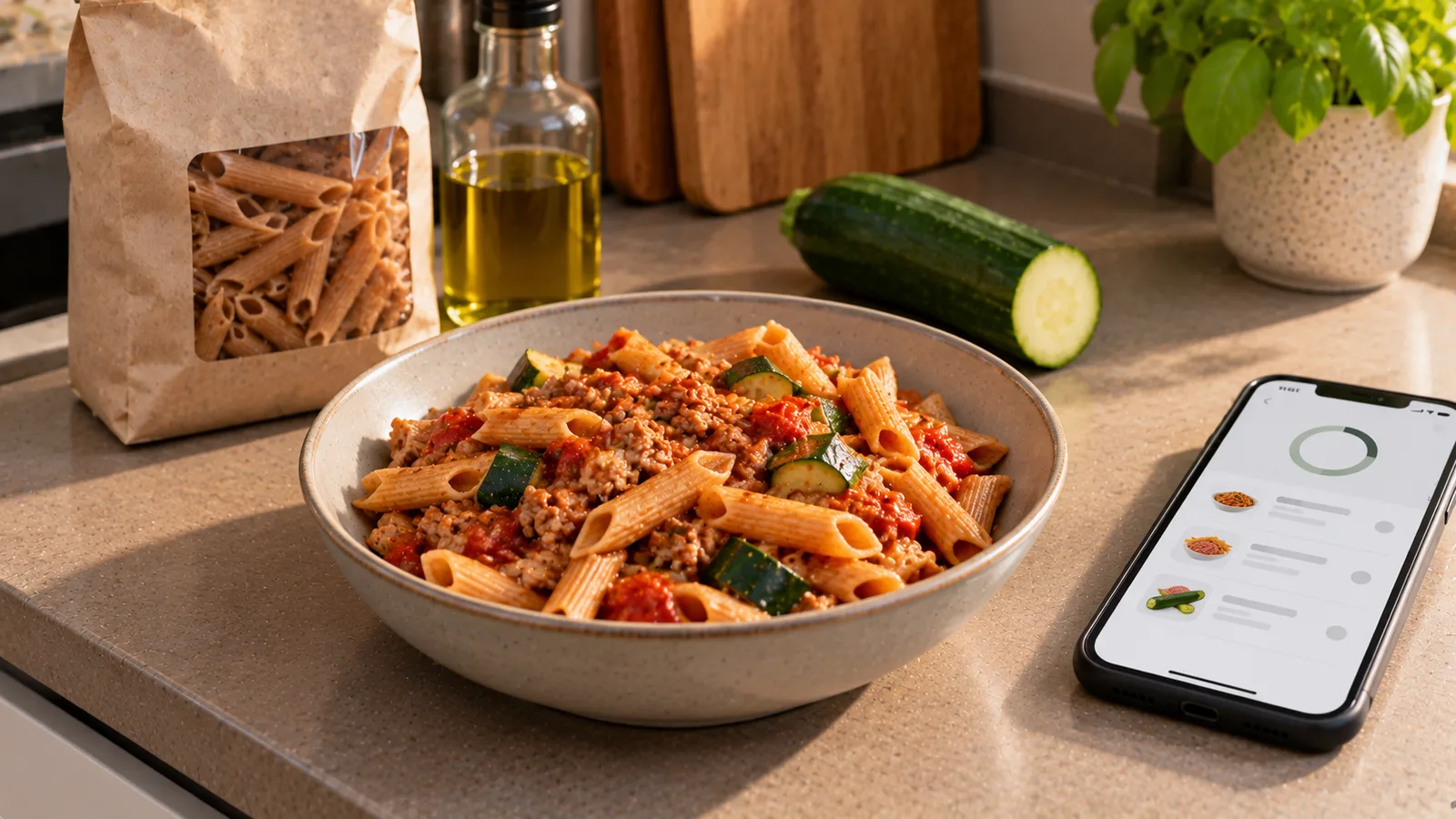
Food tracking apps can be useful without being perfectly accurate. Learn where errors come from in food databases, portions, labels, recipes, photos and everyday logging.
Read article →
Learn how to hit your macros without repeating the same meals by using flexible food groups, macro swaps, meal ranges and practical adjustments.
Read article →
Learn how to convert kilojoules to calories using the kJ-to-kcal formula, with quick examples for food labels, portions and everyday calorie tracking.
Read article →
A practical guide to choosing a calorie tracking app based on logging speed, food input methods, portion handling, nutrition data, personalization and the way you actually eat.
Read article →
A practical way to build a balanced grocery basket with vegetables, fruit, protein foods, whole grains and useful everyday staples.
Read article →
A practical beginner’s guide to healthy eating: build balanced meals, improve your food choices gradually and create habits that work in everyday life.
Read article →
Compare photo logging, barcode scanning, nutrition-label scanning and manual entry to choose the fastest and most reliable method for different foods and meals.
Read article →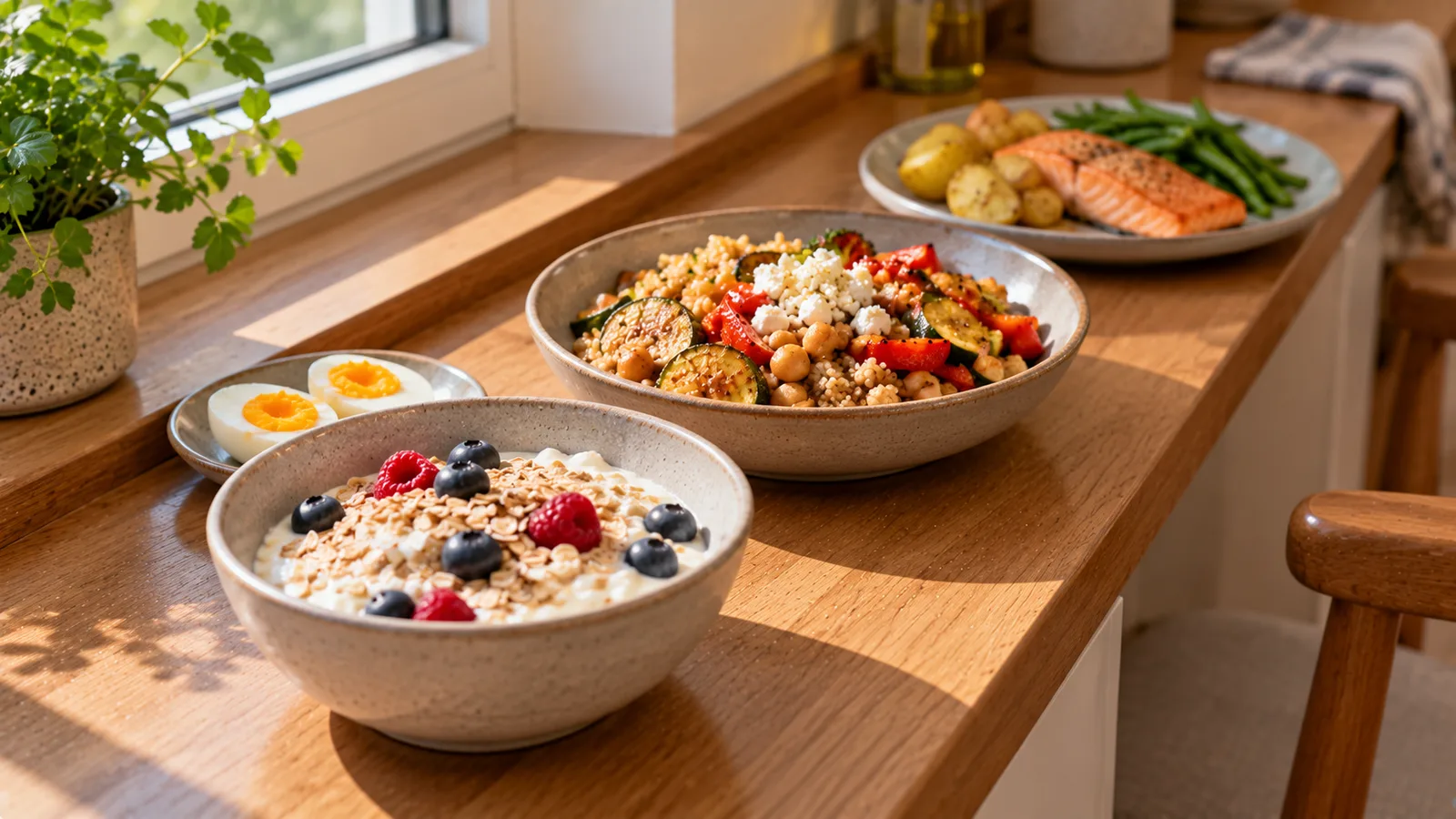
Learn how to distribute protein, carbohydrates and fat across breakfast, lunch, dinner and snacks without forcing every meal to have identical macros.
Read article →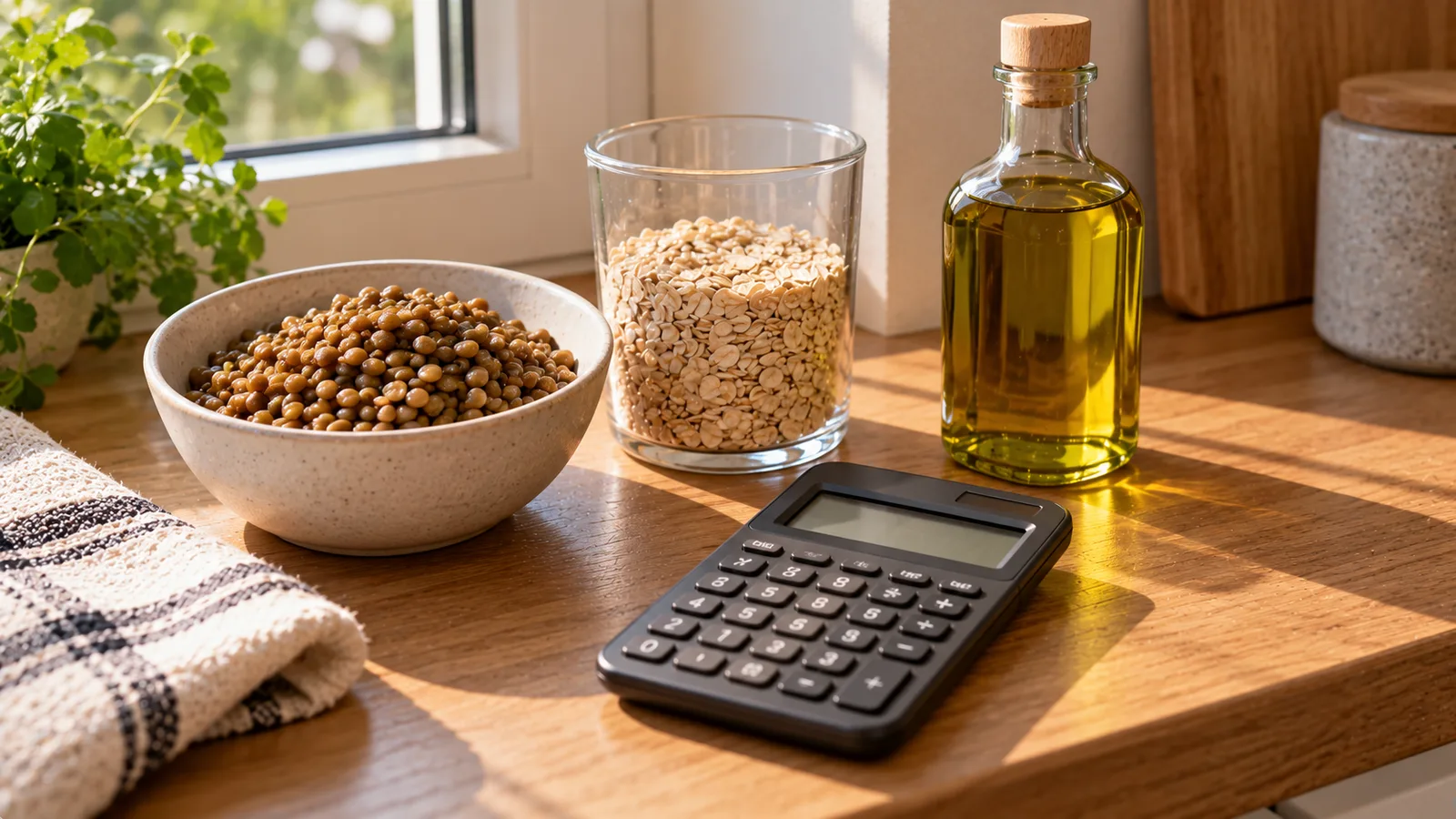
Learn how to calculate calories from protein, carbohydrates and fat using the 4-4-9 rule, with practical examples for meals, recipes and nutrition labels.
Read article →