

Should You Eat Back Exercise Calories?
Should you add exercise calories back to your daily calorie target? Learn when workout calories may already be included, why trackers can overestimate them and how to avoid double-counting.
Read article →Practical guides about calories, macros, protein and everyday nutrition.
Should you add exercise calories back to your daily calorie target? Learn when workout calories may already be included, why trackers can overestimate them and how to avoid double-counting.
Read article →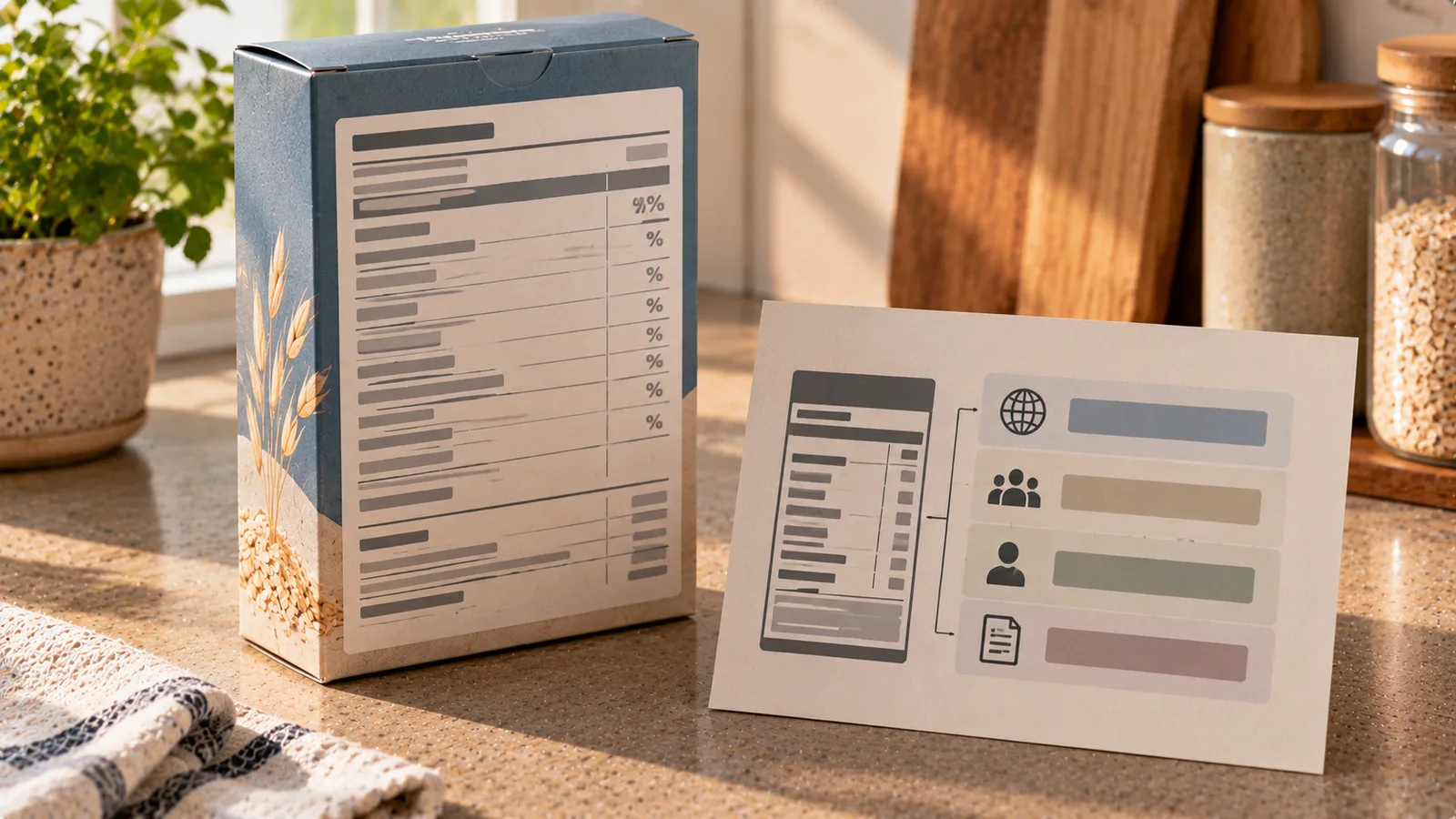
Percent Daily Value (%DV) helps put the nutrients in one serving of food into context. Learn how to read %DV, what it is based on and why it is not the same as your personal nutrition target.
Read article →
Two calorie calculators can give you different daily targets even when you enter the same information. Learn why formulas, activity settings, rounding and assumptions change the result.
Read article →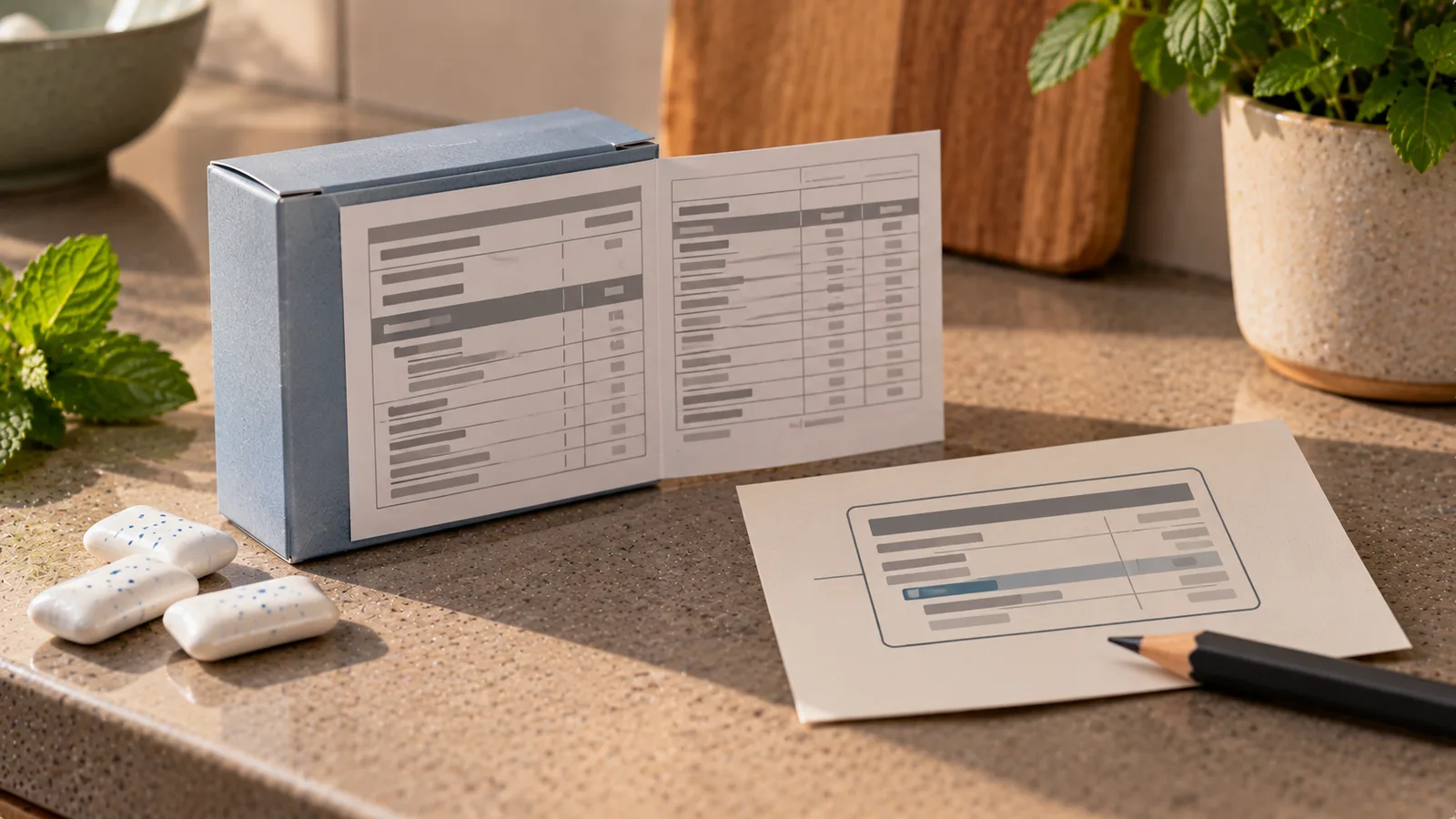
Sugar alcohols can appear differently on U.S. and European nutrition labels. Learn what polyols are, where to find them on a label and how they contribute to carbohydrates and calories.
Read article →
Your calorie needs can change substantially with daily movement, work and exercise. Learn how activity level affects energy expenditure and how to choose a realistic starting estimate.
Read article →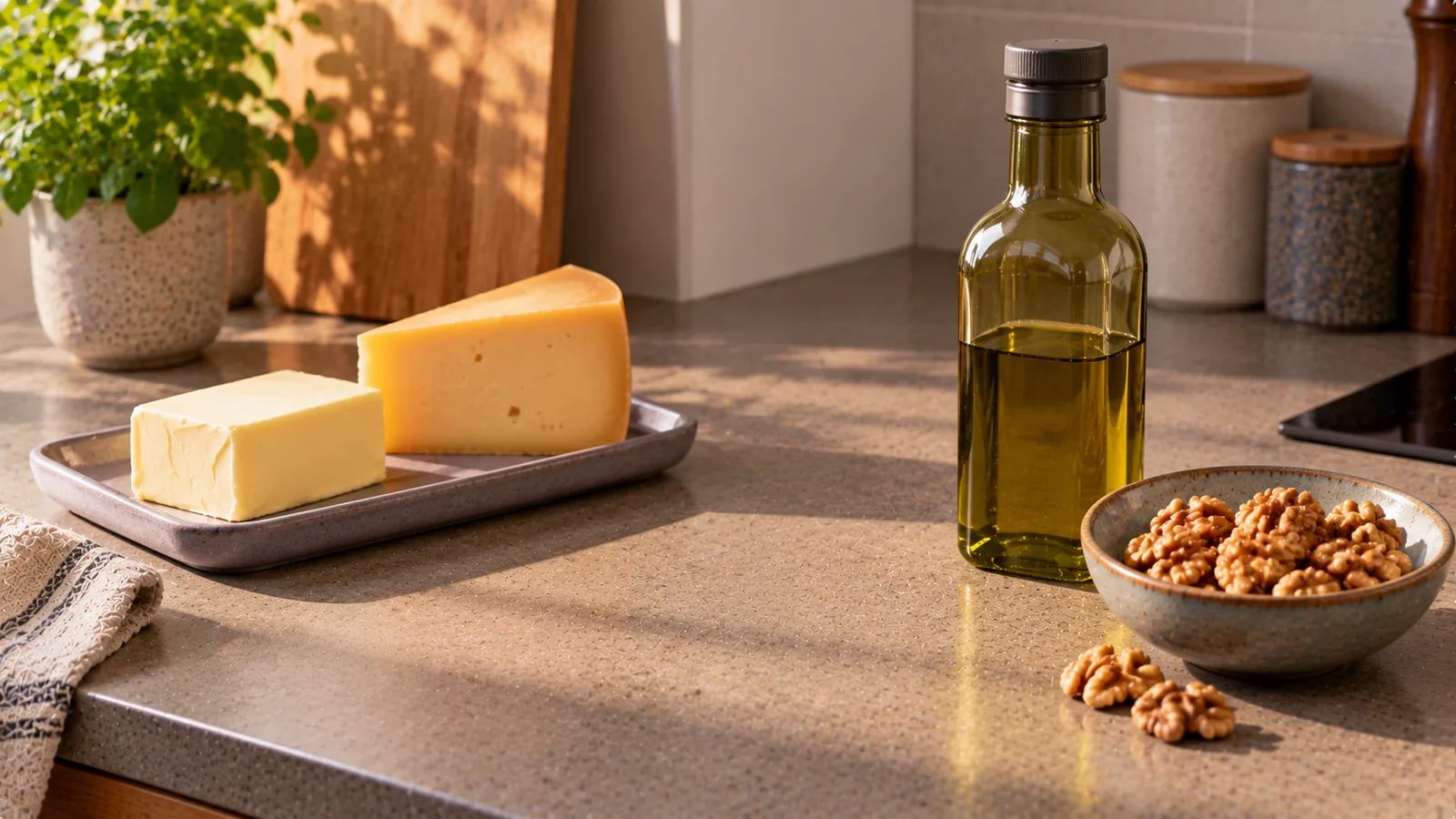
Saturated and unsaturated fats differ in chemical structure, food sources and their effects on blood lipids. Learn how they fit into a balanced diet and your daily macros.
Read article →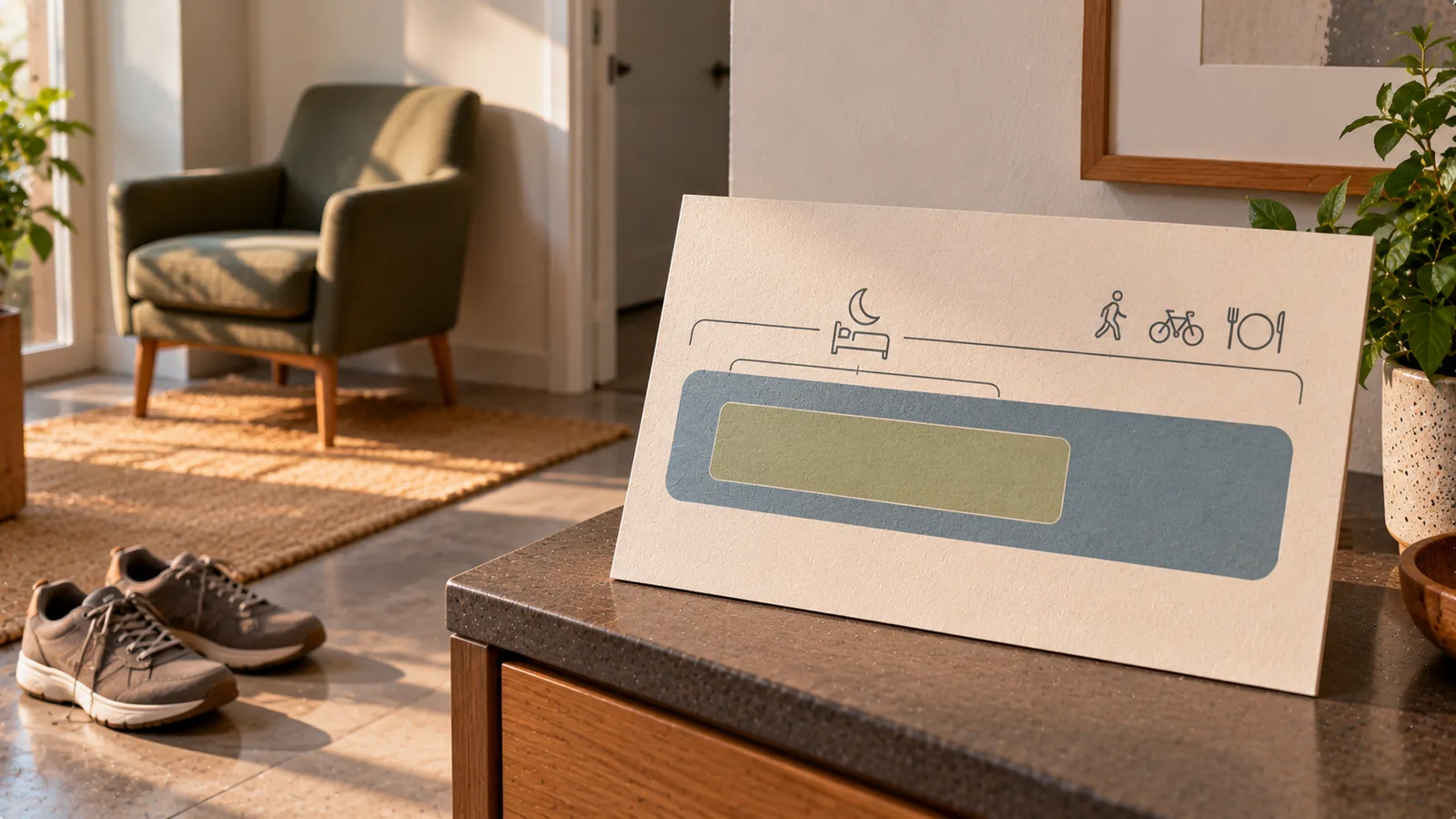
BMR estimates your baseline energy needs, while TDEE estimates your total daily energy expenditure. Learn how the two numbers differ and when each is useful.
Read article →
Alcohol calories can be harder to track than ordinary packaged foods. Learn how serving size, ABV, mixers and incomplete labels affect what you log.
Read article →
Fiber is a type of carbohydrate, but nutrition labels and macro tracking can make the relationship confusing. Learn how fiber fits into total carbs and what to count when tracking macros.
Read article →
TDEE estimates how much energy you use in a full day. Learn how resting needs, physical activity and the thermic effect of food contribute to total daily energy expenditure.
Read article →
Total carbs and net carbs are not the same number. Learn what each term means, how fiber and sugar alcohols affect the calculation, and which number appears on nutrition labels.
Read article →
BMR estimates how much energy your body uses at rest. Learn what basal metabolic rate means, what affects it, how it is estimated and what it can—and cannot—tell you about calorie needs.
Read article →
Learn the difference between ALA, EPA and DHA, which foods provide omega-3 fats, and how fish, seeds, nuts and fortified foods can fit into an everyday diet.
Read article →
Late-night meals and travel can make food-diary dates confusing. Learn how to choose the most useful diary day, handle meals after midnight and keep records consistent when crossing time zones.
Read article →
Your watch and the treadmill can show very different calorie numbers for the same workout. Learn why the estimates differ, what active and total calories mean, and how to interpret the numbers.
Read article →
Total sugar and added sugar are not the same thing. Learn what each term means, why U.S. and EU nutrition labels show sugar differently, and how to interpret the numbers.
Read article →
Feeling guilty after eating can lead to restriction, compensation and more stress around food. Learn how to respond without punishment and when extra support may be useful.
Read article →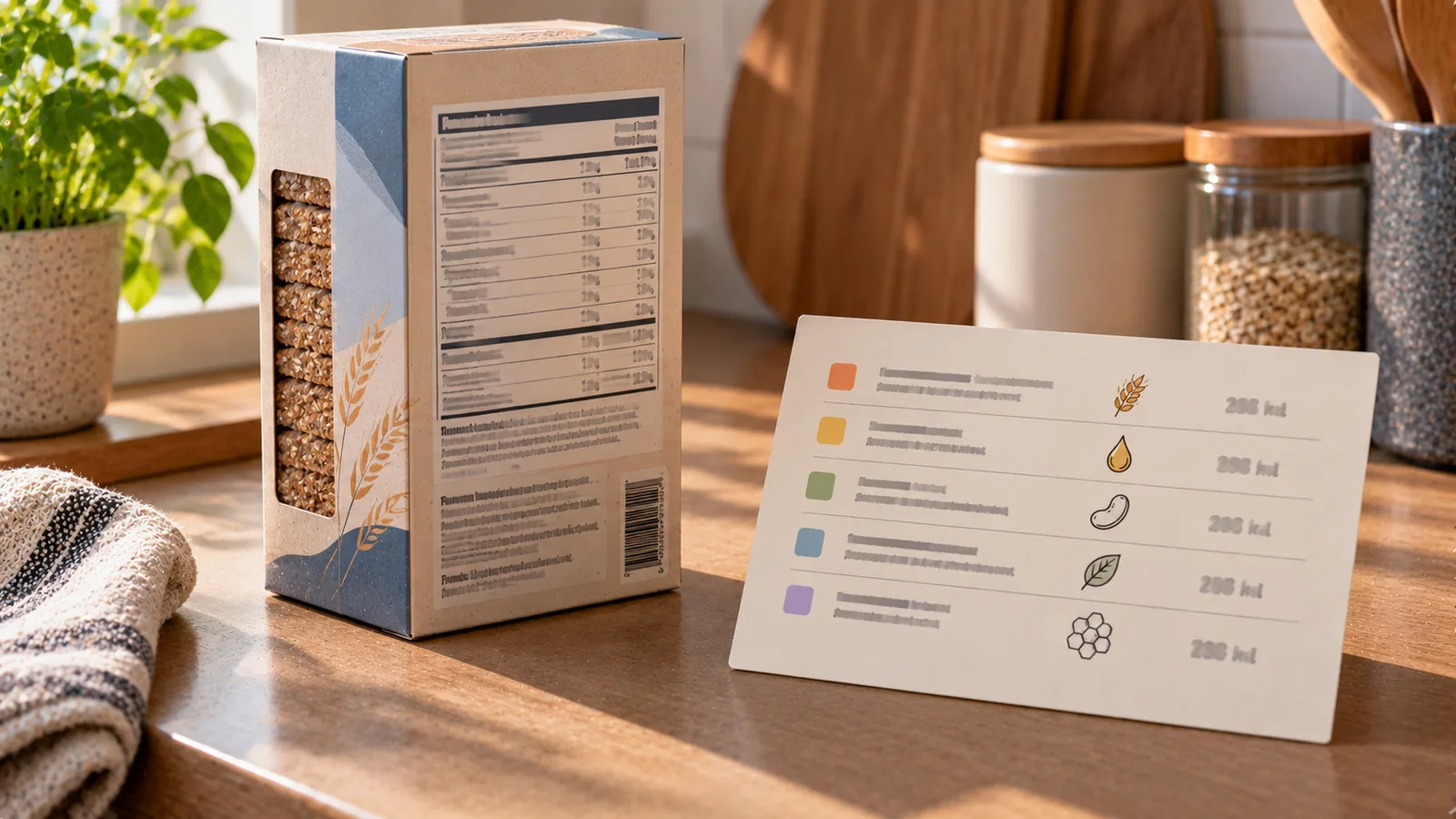
Learn where the calorie number on a food label comes from, why protein, carbohydrate and fat are only part of the calculation, and how fiber, polyols, alcohol and rounding can affect the final value.
Read article →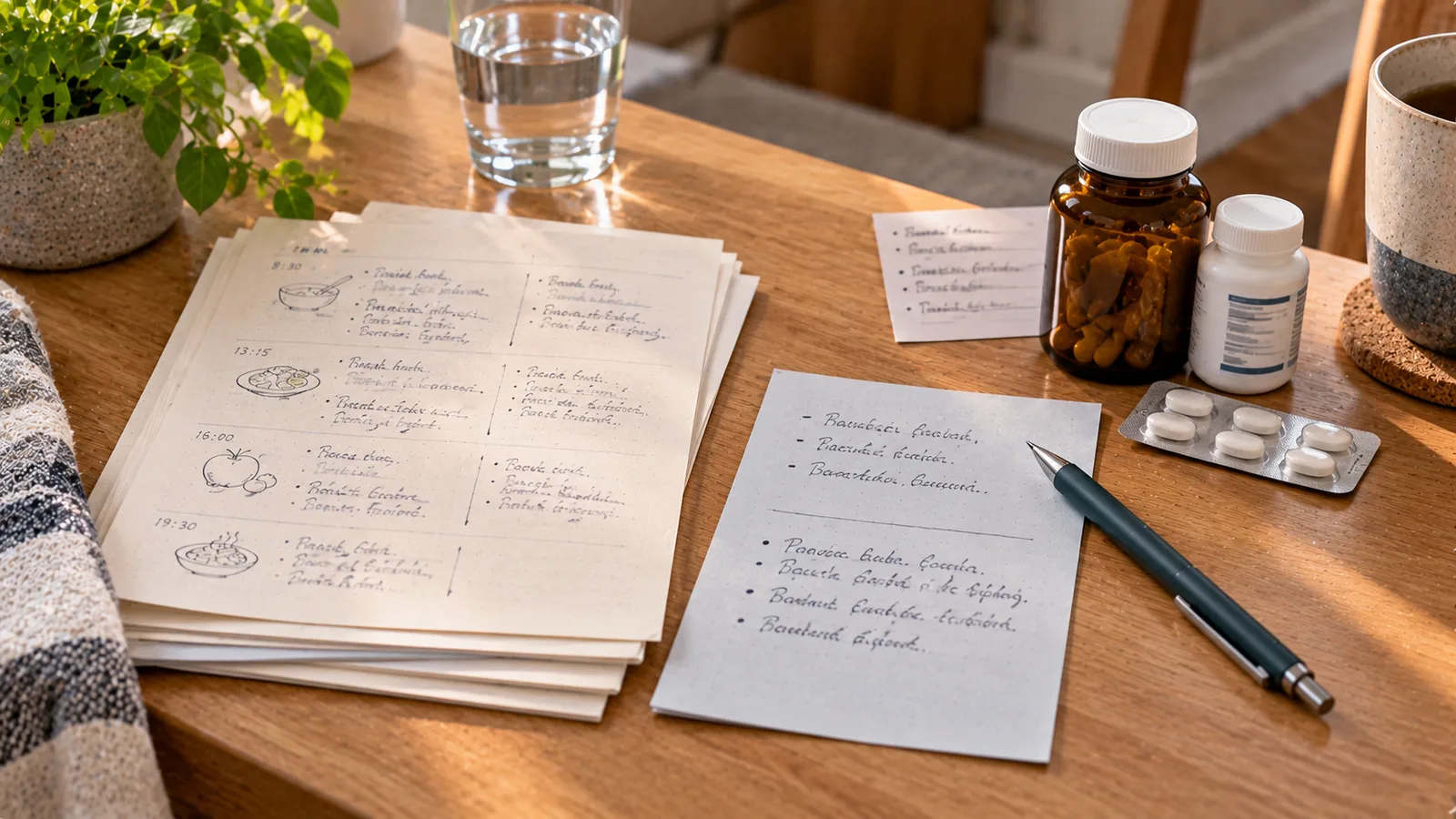
Prepare for a dietitian appointment with a representative food record, a clear list of goals, relevant medications and supplements, and practical questions to discuss.
Read article →
A structured food and symptom diary can give a dietitian useful context. Learn what to record about meals, timing, symptoms and other factors without trying to diagnose yourself.
Read article →
A practical way to increase fiber without changing your entire diet at once. Learn how to make gradual food substitutions, spread fiber across the day and keep fluids in mind.
Read article →
A practical guide to planning meals and snacks around night shifts, limited food access and daytime sleep without turning overnight eating into a rigid diet.
Read article →
No stove or microwave? Learn how to build balanced meals with only a kettle using safe, practical combinations of protein, carbohydrates, vegetables and convenient foods.
Read article →
Changed an ingredient in a saved recipe? Learn how to update the recipe, recalculate its nutrition and account for changes in the finished yield before logging your portion.
Read article →