

Automatic Calorie Tracking: What Can Be Automated?
Learn which parts of calorie tracking can be automated, where AI and food recognition can save time, and which details may still need your input.
Read article →Practical guides about calories, macros, protein and everyday nutrition.
Learn which parts of calorie tracking can be automated, where AI and food recognition can save time, and which details may still need your input.
Read article →
Learn how to track calories without making the process unnecessarily complicated, from estimating portions and logging meals to handling recipes and restaurant food.
Read article →
Learn practical ways to eat more fiber using everyday foods, simple meal changes and gradual habits that are easier to maintain.
Read article →
Learn how food recognition AI analyzes meal photos, identifies possible foods and turns visual information into useful nutrition estimates.
Read article →
Learn how to track protein, carbohydrates and fat without making nutrition unnecessarily complicated, from setting targets to logging everyday meals.
Read article →
Learn how calorie needs for weight loss are estimated, how to choose a practical calorie target and when to adjust it based on your real progress.
Read article →
Learn what nutrient-dense foods are, which everyday foods provide useful nutrients, and practical ways to include more of them in your diet.
Read article →
Learn how to take clearer food photos for AI calorie estimates by improving angle, lighting, visibility, distance and portion context.
Read article →
Learn how to set practical protein, carbohydrate and fat targets for weight loss without making your diet unnecessarily complicated.
Read article →
Learn how to calculate a practical calorie deficit using your estimated maintenance calories, choose a reasonable starting target and adjust it using your real weight trend.
Read article →
Learn how to track calories and macros in homemade meals, mixed dishes and recipes without calculating every serving from scratch.
Read article →
Learn the difference between portion size and serving size, why nutrition labels can be confusing, and how to use serving information without treating it as a rule for how much you should eat.
Read article →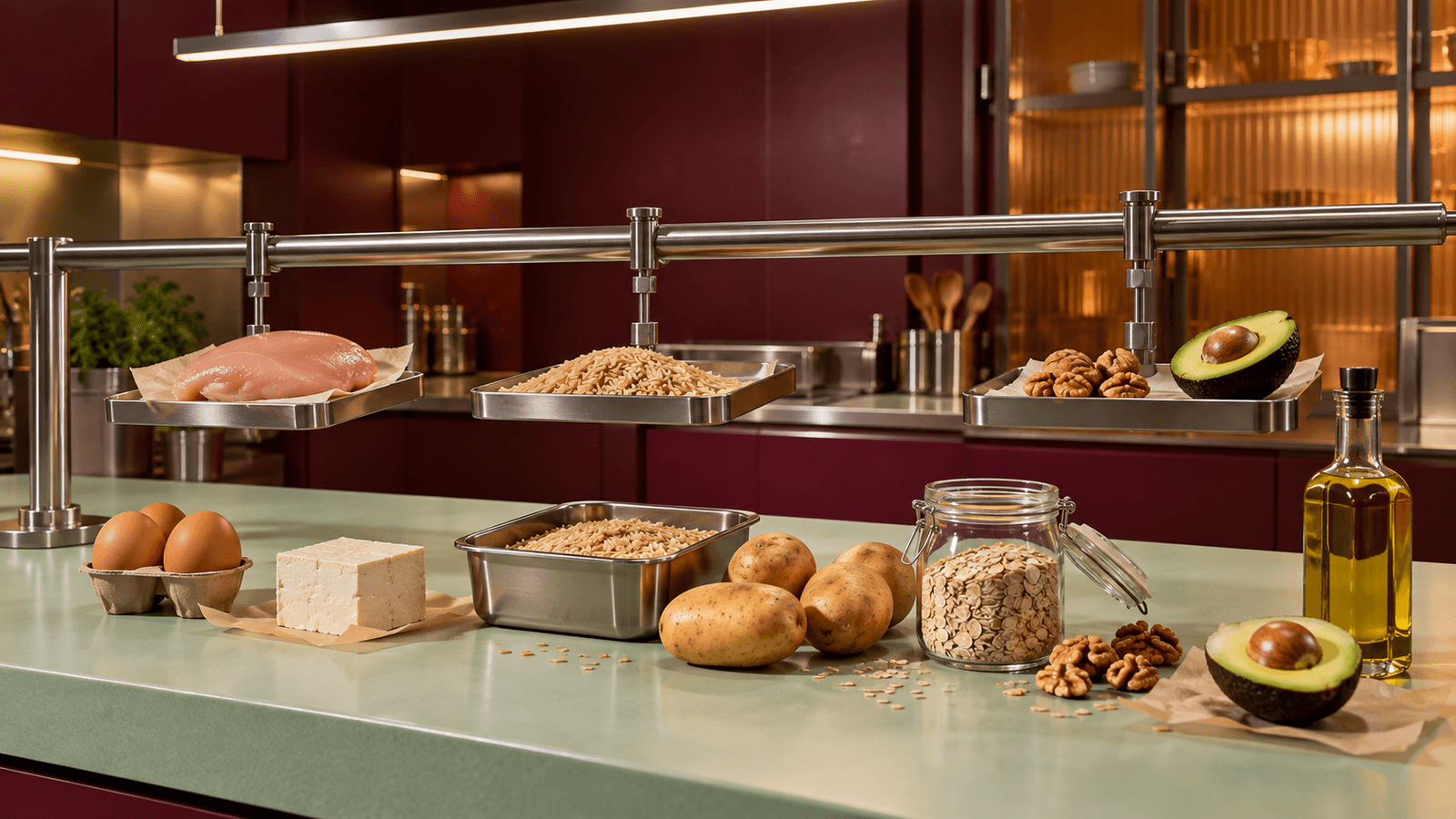
Learn how to calculate protein, carbohydrate and fat targets from your calorie needs and adjust your macros to match your goals and preferences.
Read article →
Learn how to track calories without weighing every ingredient by using portions, labels, repeat meals, photos and selective weighing where accuracy matters most.
Read article →
Learn what maintenance calories are, how they relate to TDEE, how to estimate your maintenance intake and how to refine the estimate using real weight trends.
Read article →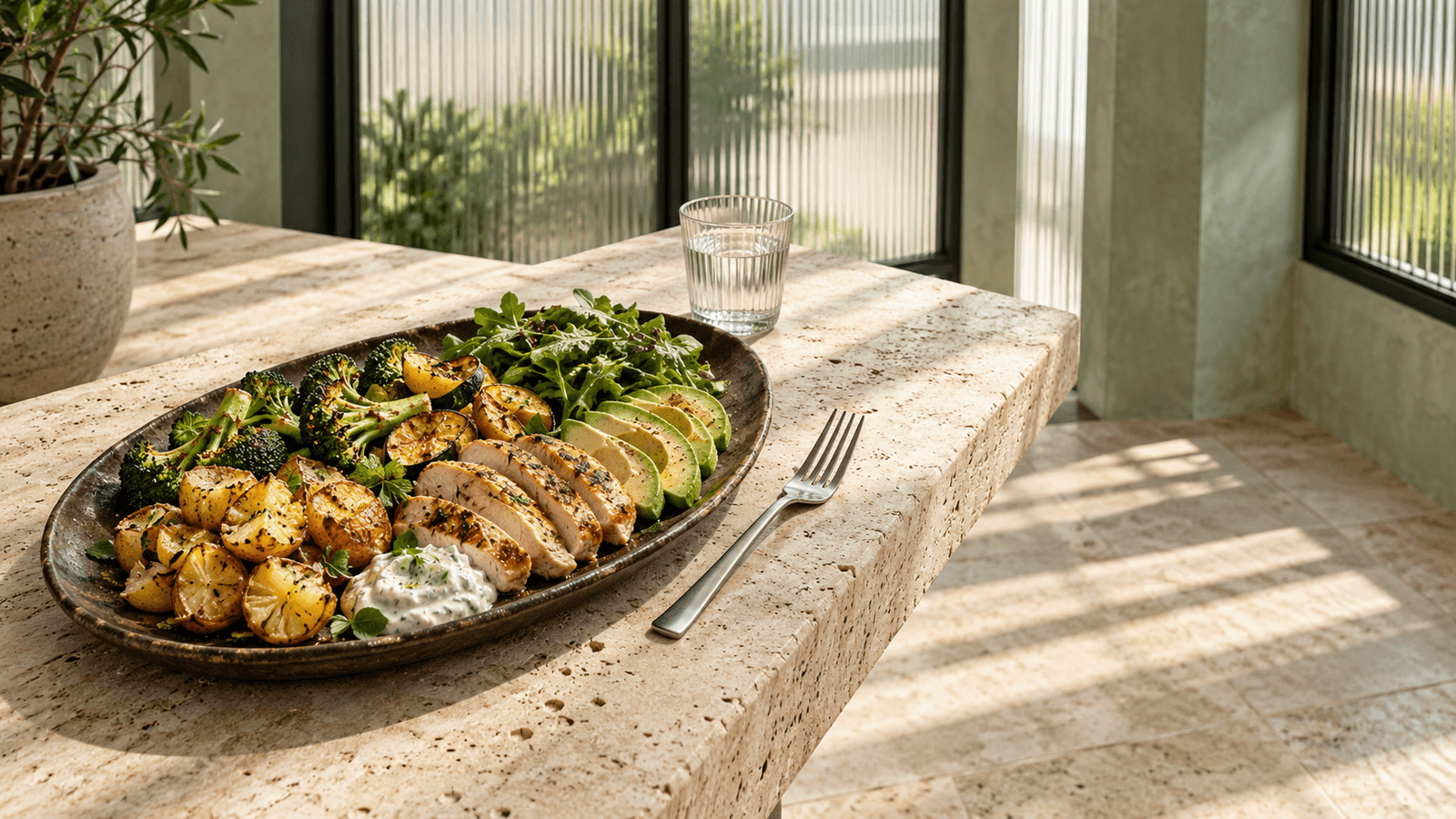
Learn how to build a balanced meal with protein, vegetables, carbohydrates and healthy fats using a simple flexible plate-building approach.
Read article →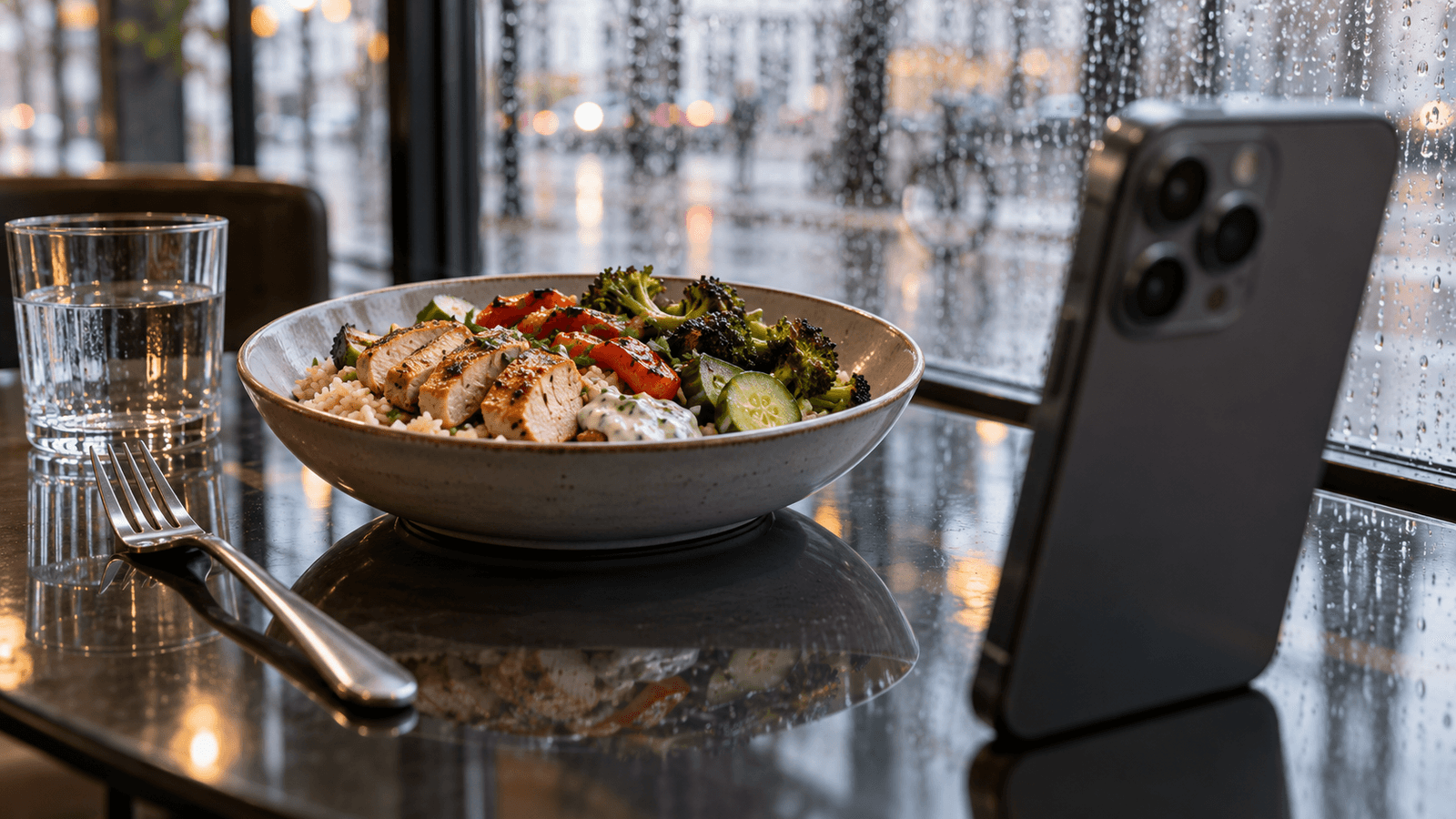
Learn how AI calorie trackers analyze food photos, estimate calories and macros, where photo-based tracking works well, and why reviewing estimates still matters.
Read article →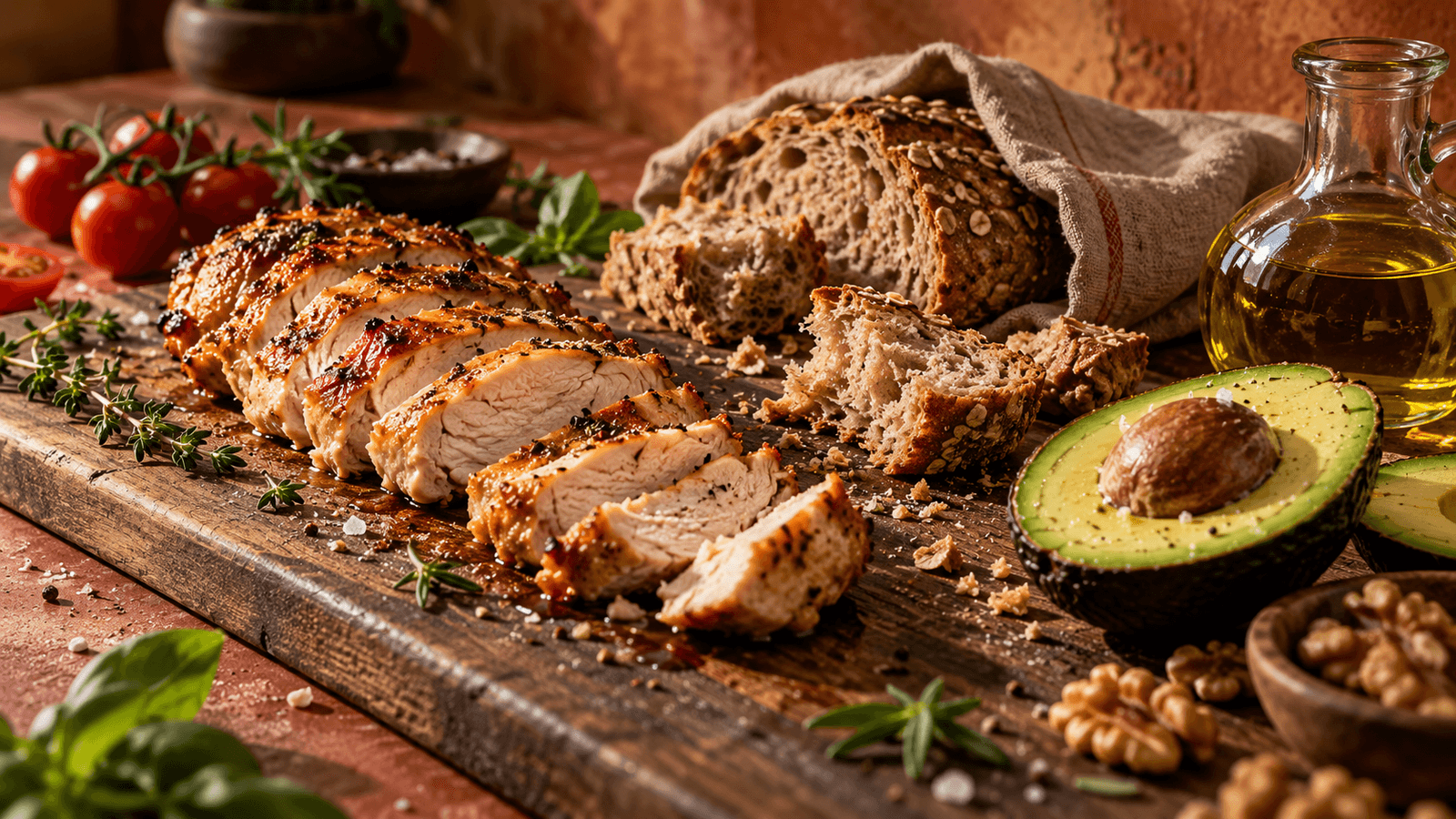
Learn what macronutrients are, what protein, carbohydrates and fat do in the body, how many calories each provides and how to think about your own macro balance.
Read article →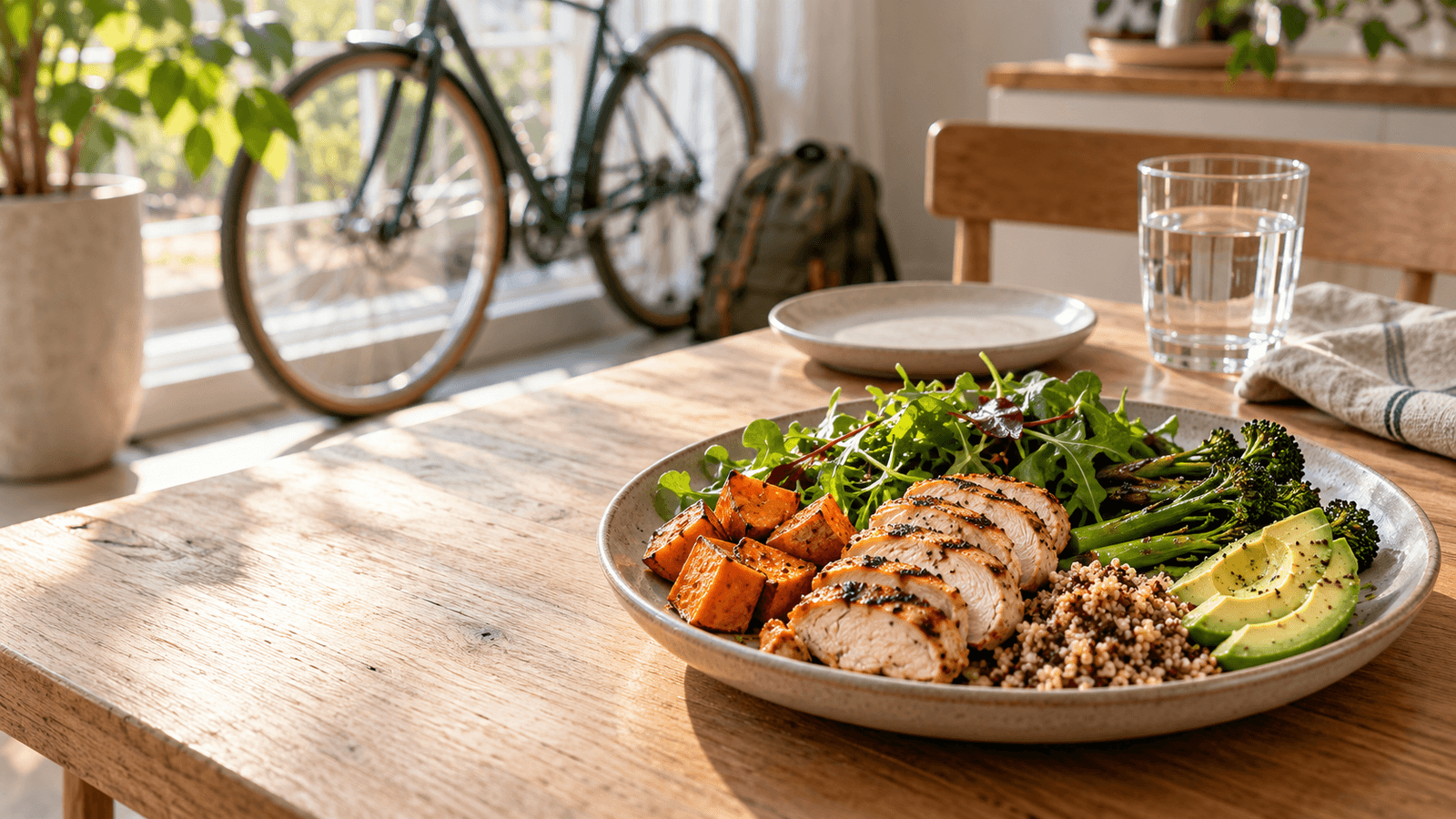
Learn how many calories you may need per day based on your body size, age, activity level and goal, with practical examples for maintenance and weight loss.
Read article →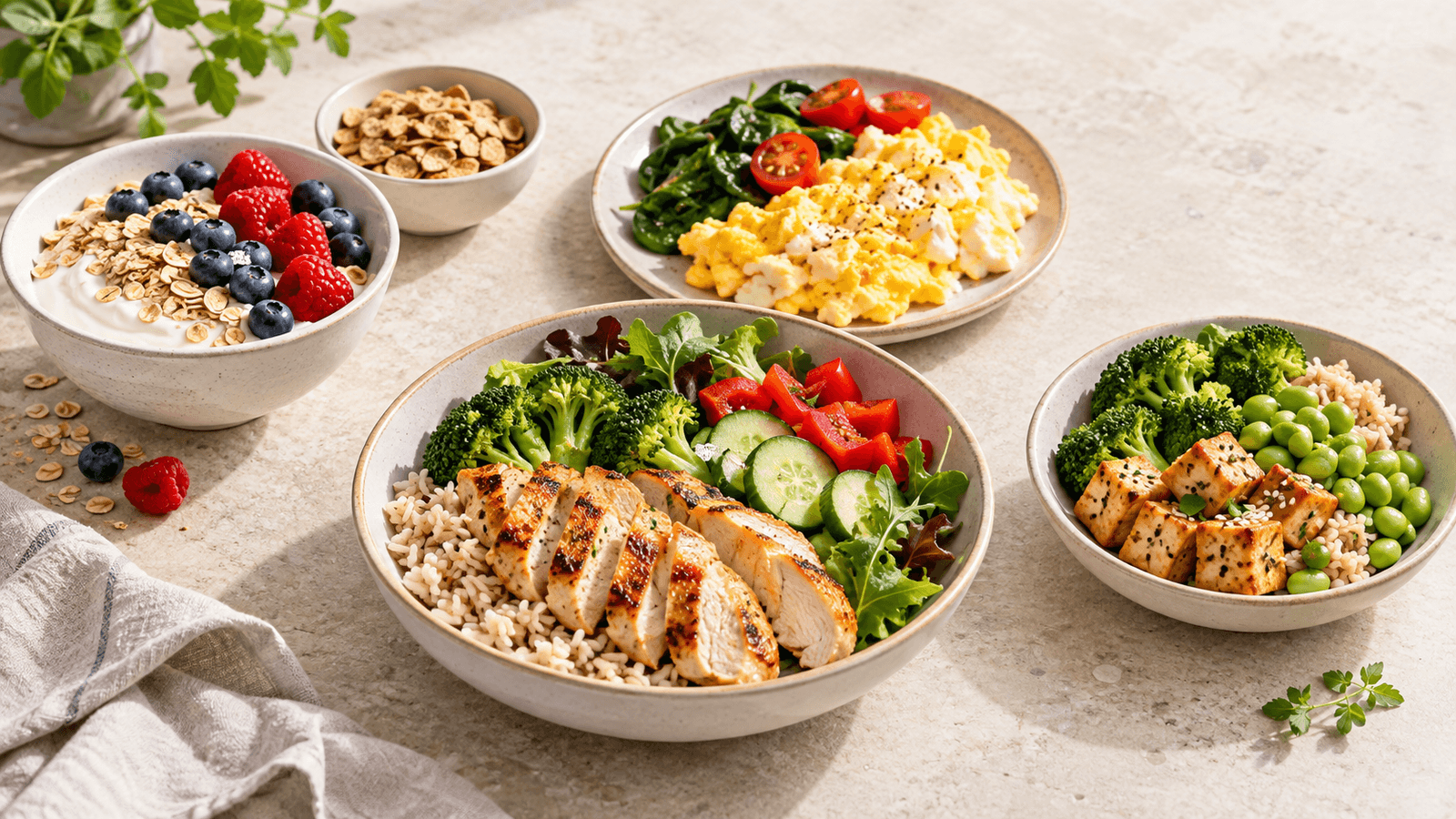
Learn how to eat more protein with 15 simple strategies, practical food swaps and examples for breakfast, lunch, dinner, snacks and plant-based diets.
Read article →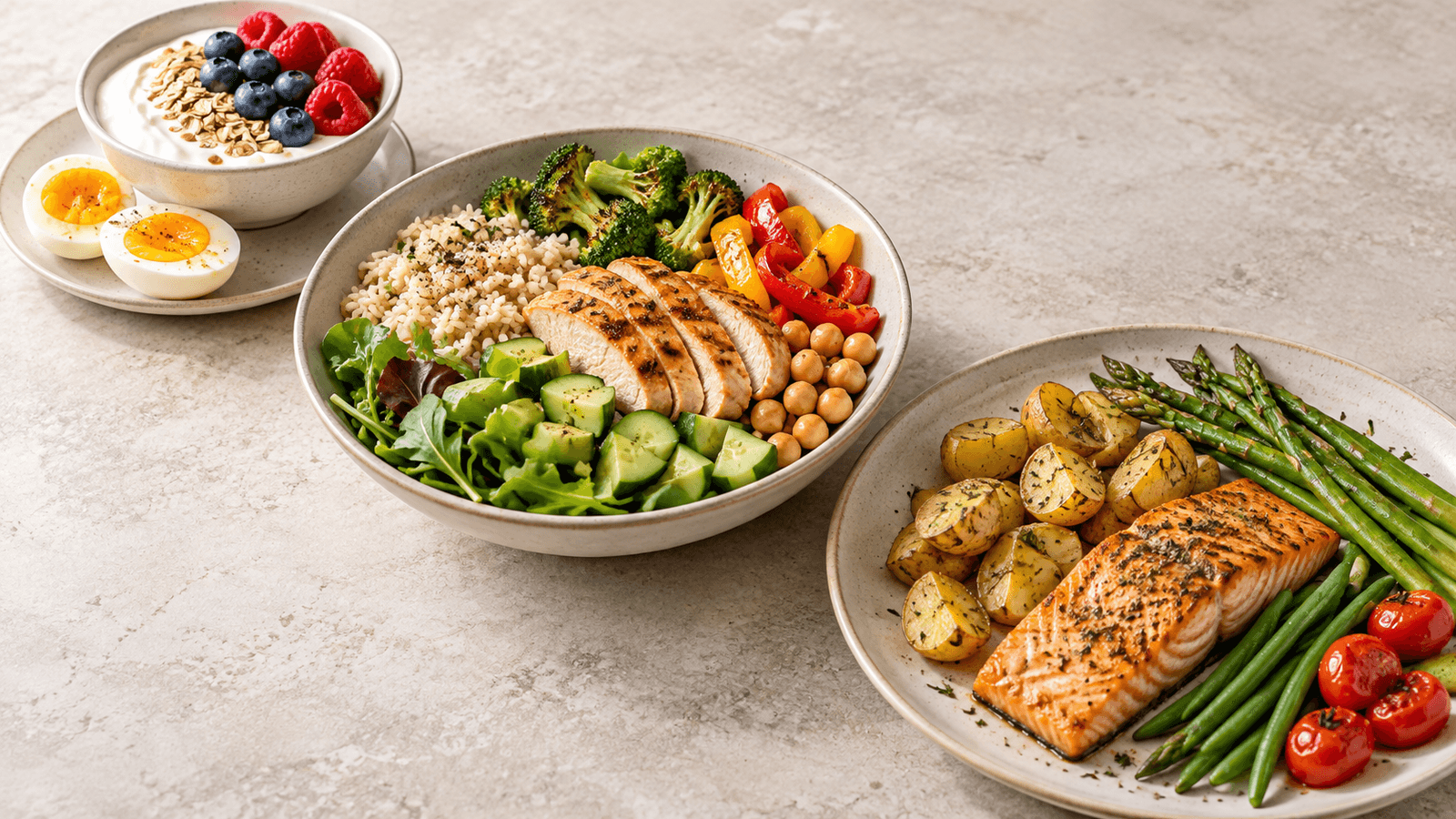
Discover 25 easy high-protein meals for breakfast, lunch and dinner, with practical protein estimates plus options for weight loss, meal prep and plant-based diets.
Read article →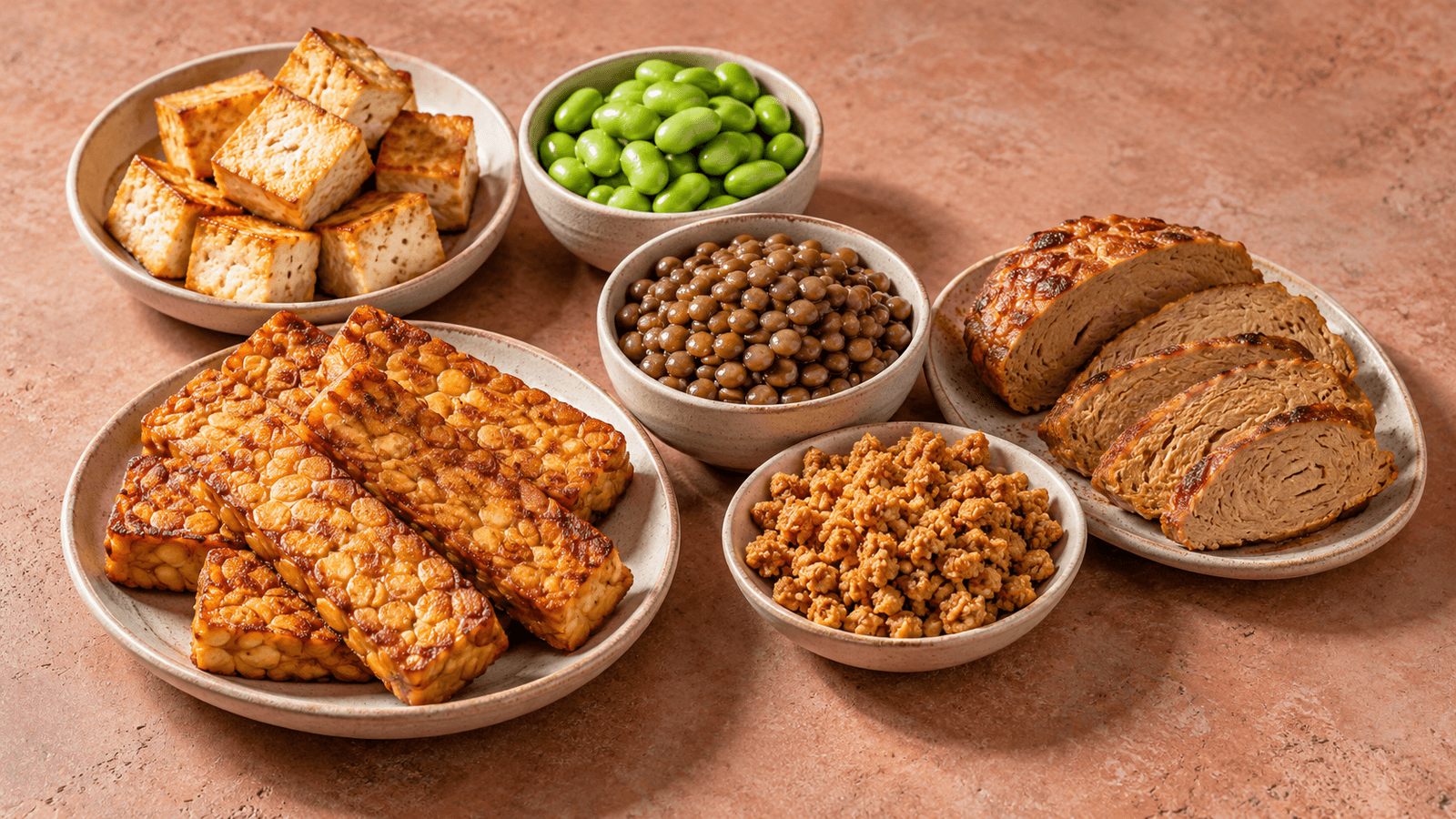
Discover 25 high-protein vegan foods, from tofu and tempeh to seitan, TVP, lentils and edamame, with practical protein amounts and meal ideas.
Read article →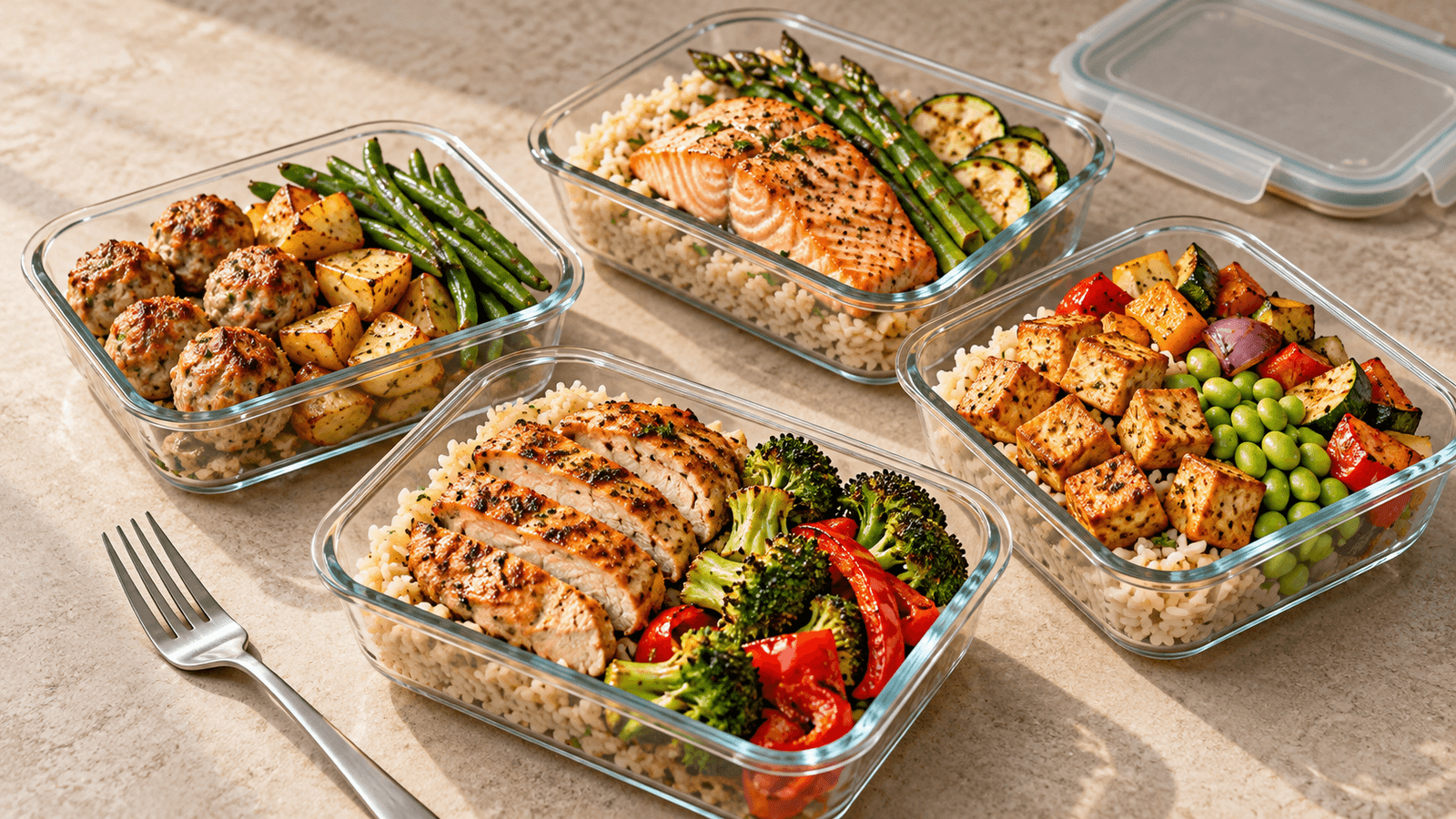
Discover 15 high-protein meal-prep ideas and a simple system for preparing protein-rich breakfasts, lunches and dinners without eating the same meal every day.
Read article →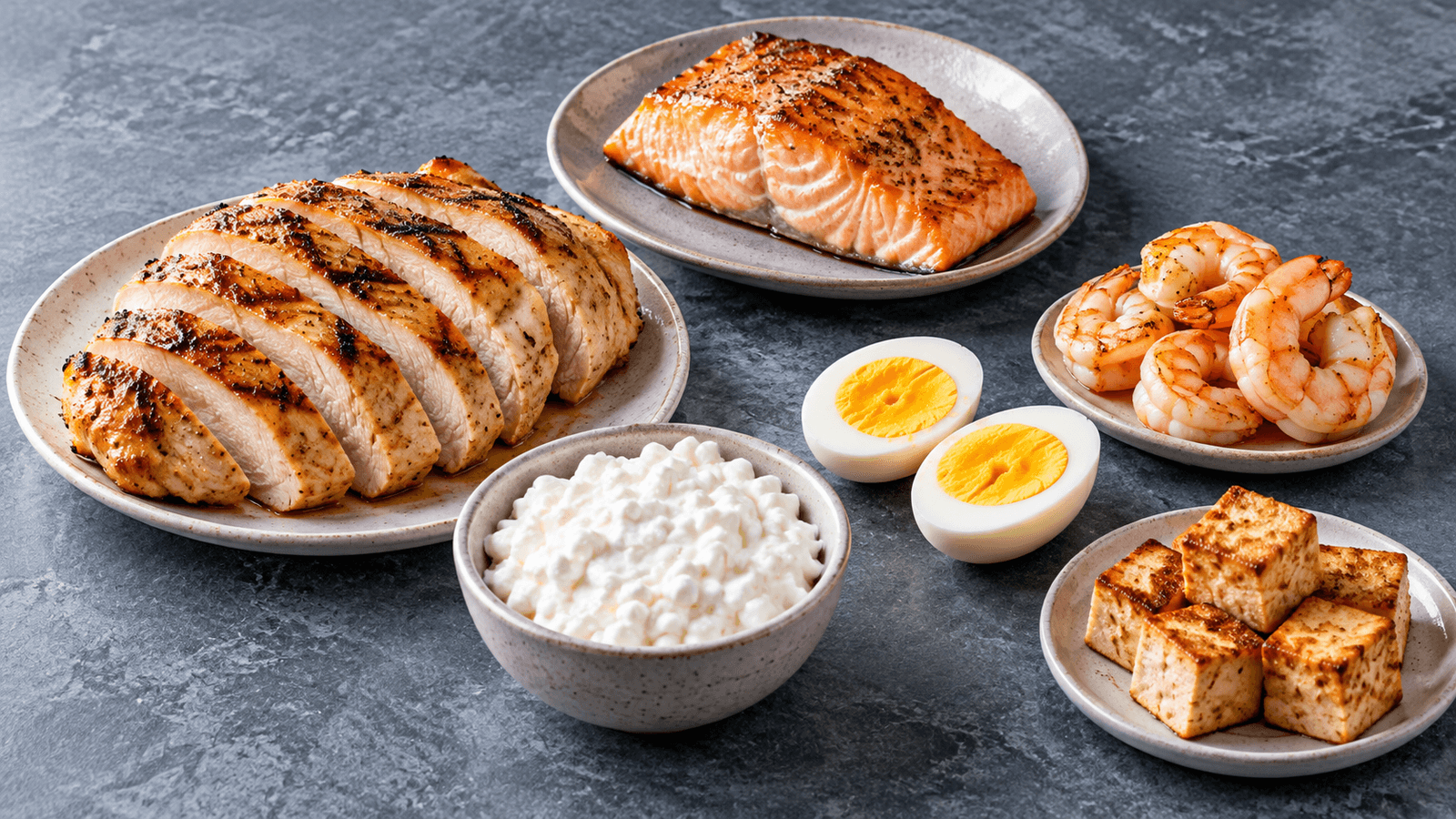
Discover 25 high-protein low-carb foods, including meat, fish, eggs, dairy and plant-based options, with practical protein and carbohydrate estimates.
Read article →