
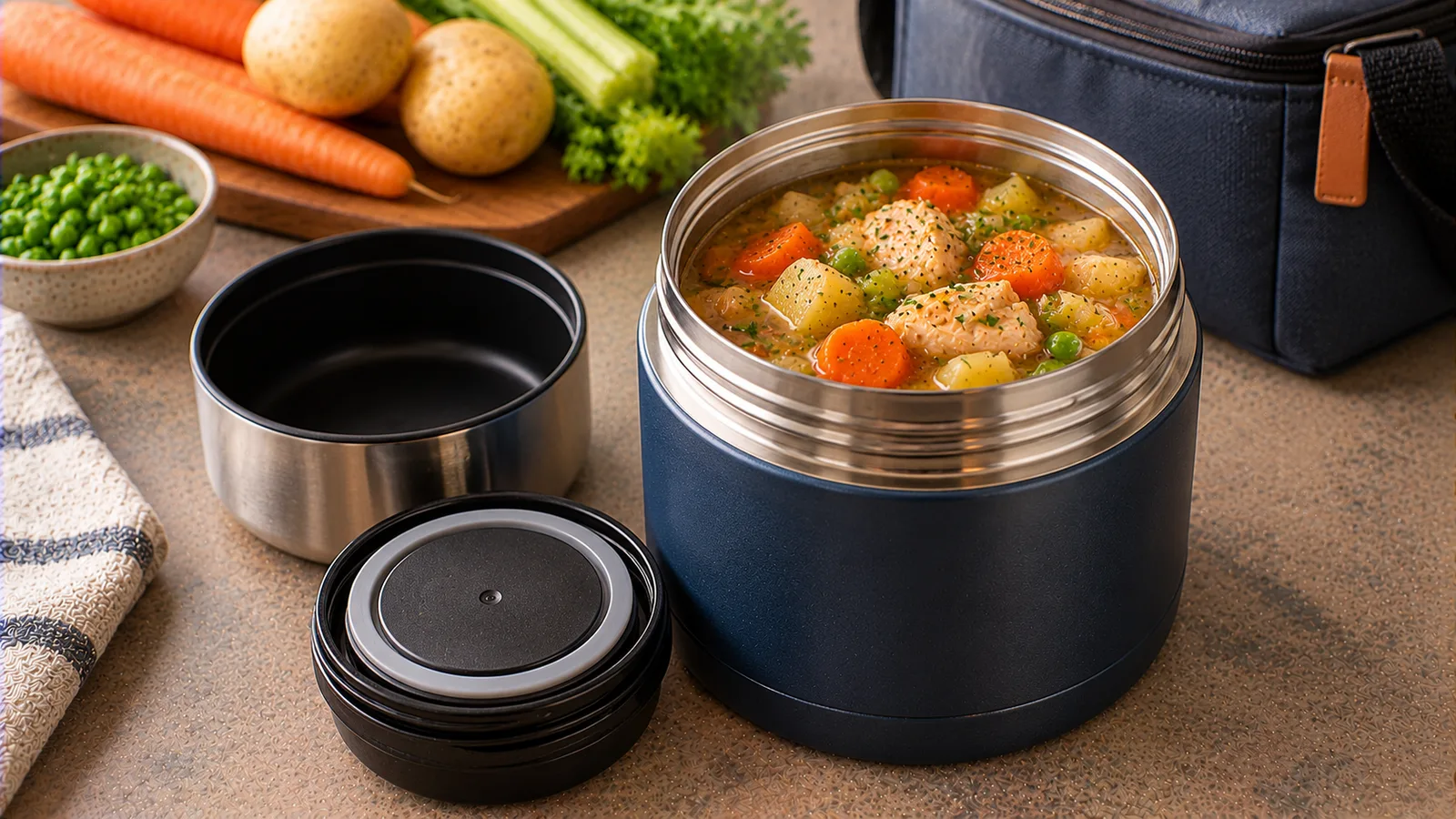
Hot Lunch in a Food Thermos: Safe Packing and Holding Times
How to pack a hot lunch in a food thermos safely: 60°C holding, proper preheating, 74°C reheating for leftovers, temperature checks and no universal hour limit.
Read article →Practical guides about calories, macros, protein and everyday nutrition.
How to pack a hot lunch in a food thermos safely: 60°C holding, proper preheating, 74°C reheating for leftovers, temperature checks and no universal hour limit.
Read article →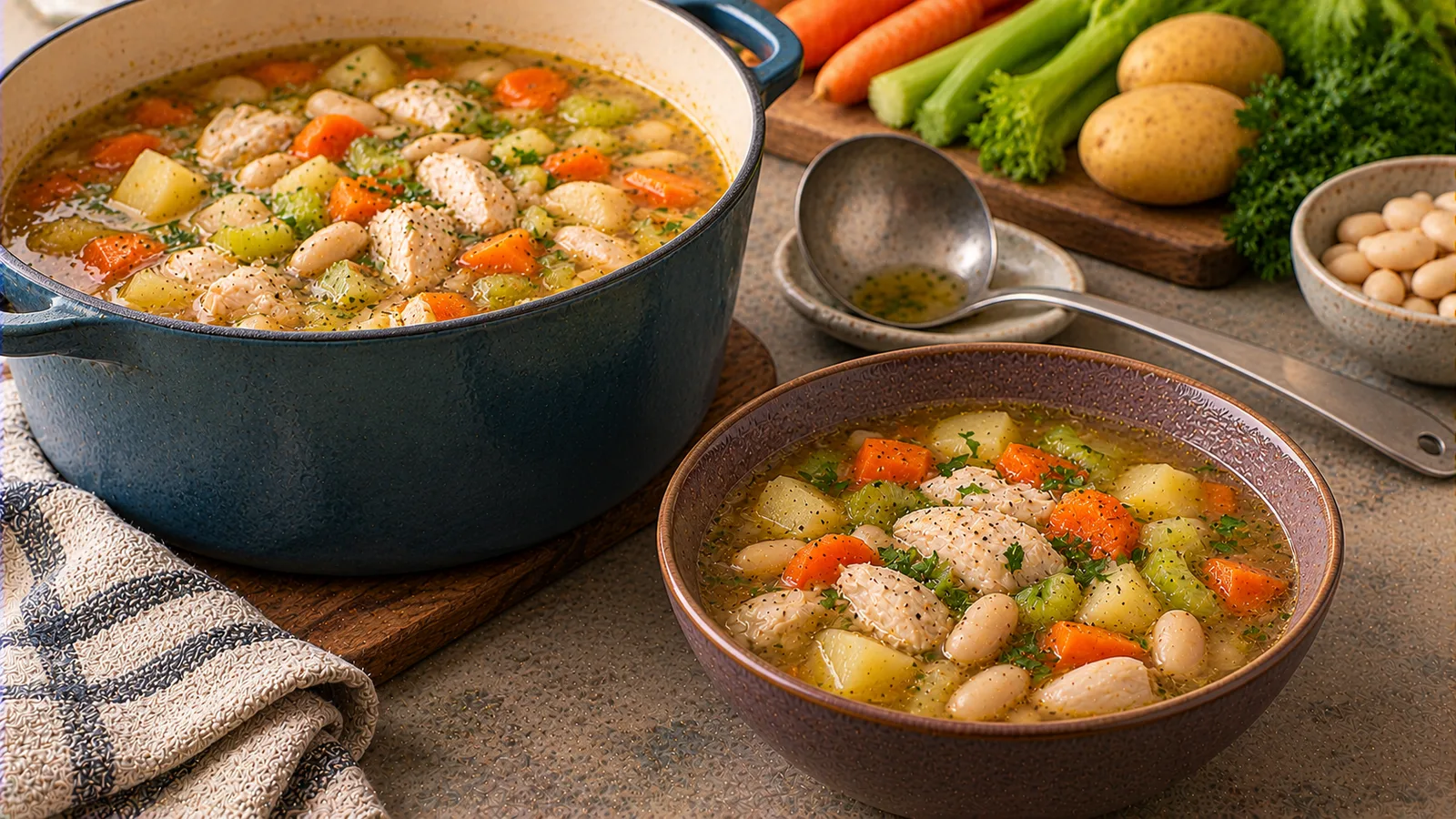
Calculate protein in homemade soup from ingredient weights, the finished pot yield and the grams served in each bowl. See a fully worked example.
Read article →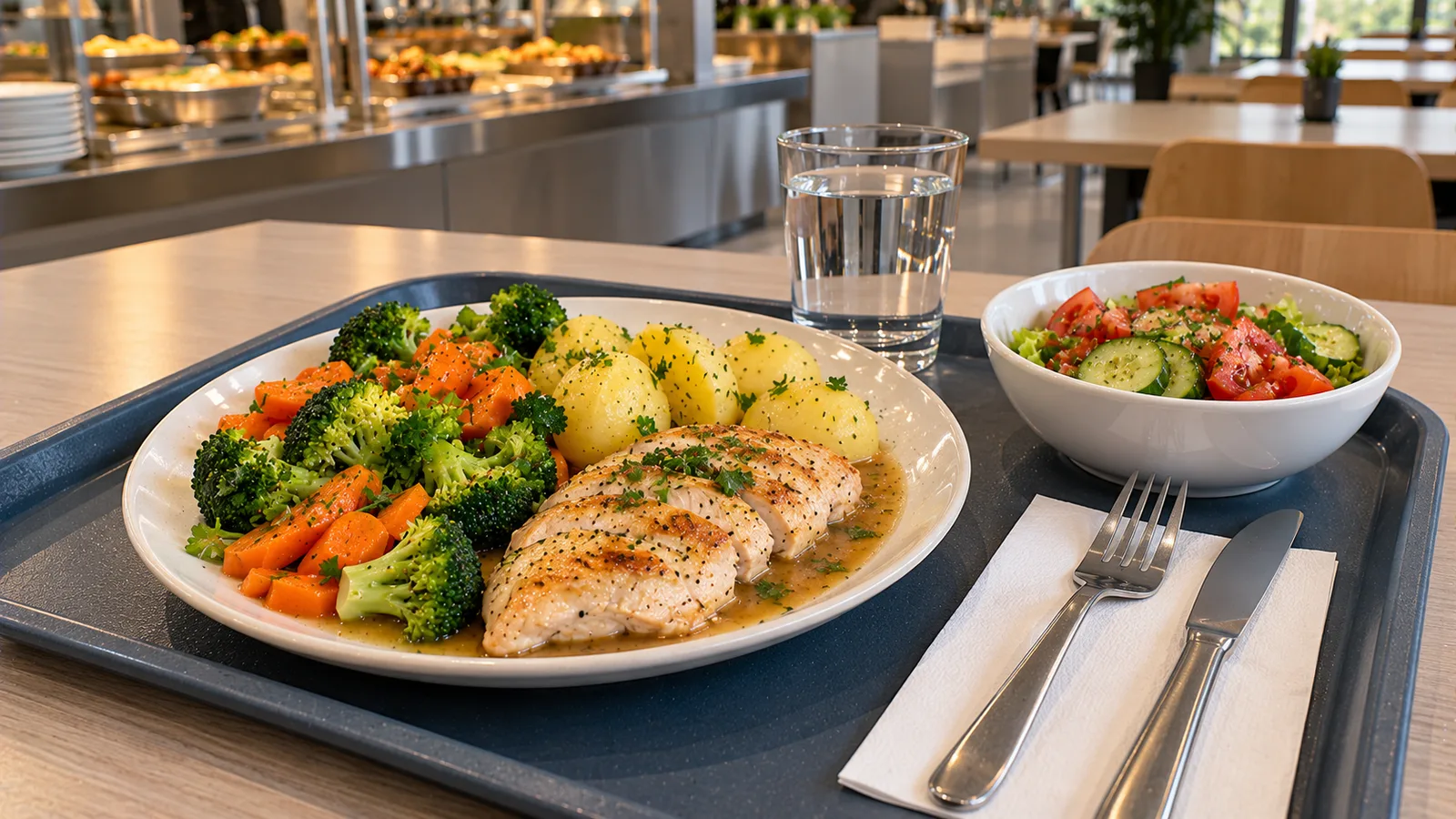
Choose a more balanced German canteen lunch and compare what you really pay for the whole tray. Four hypothetical menus, portions and transparent euro calculations.
Read article →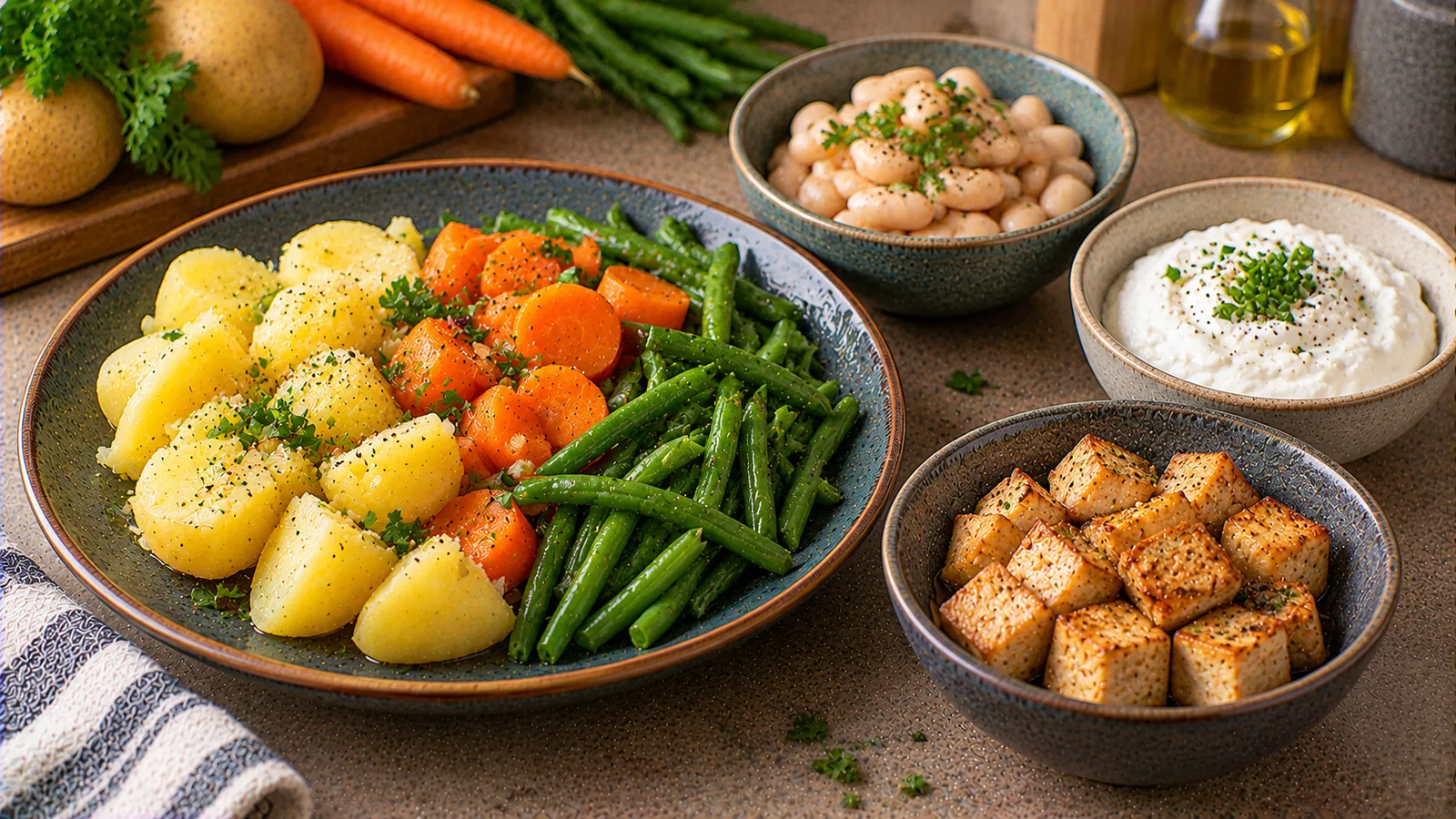
Four measured ways to add about 20 g protein to an inexpensive dinner: quark, tofu, tuna or chickpeas with skyr, with label math and transparent costs.
Read article →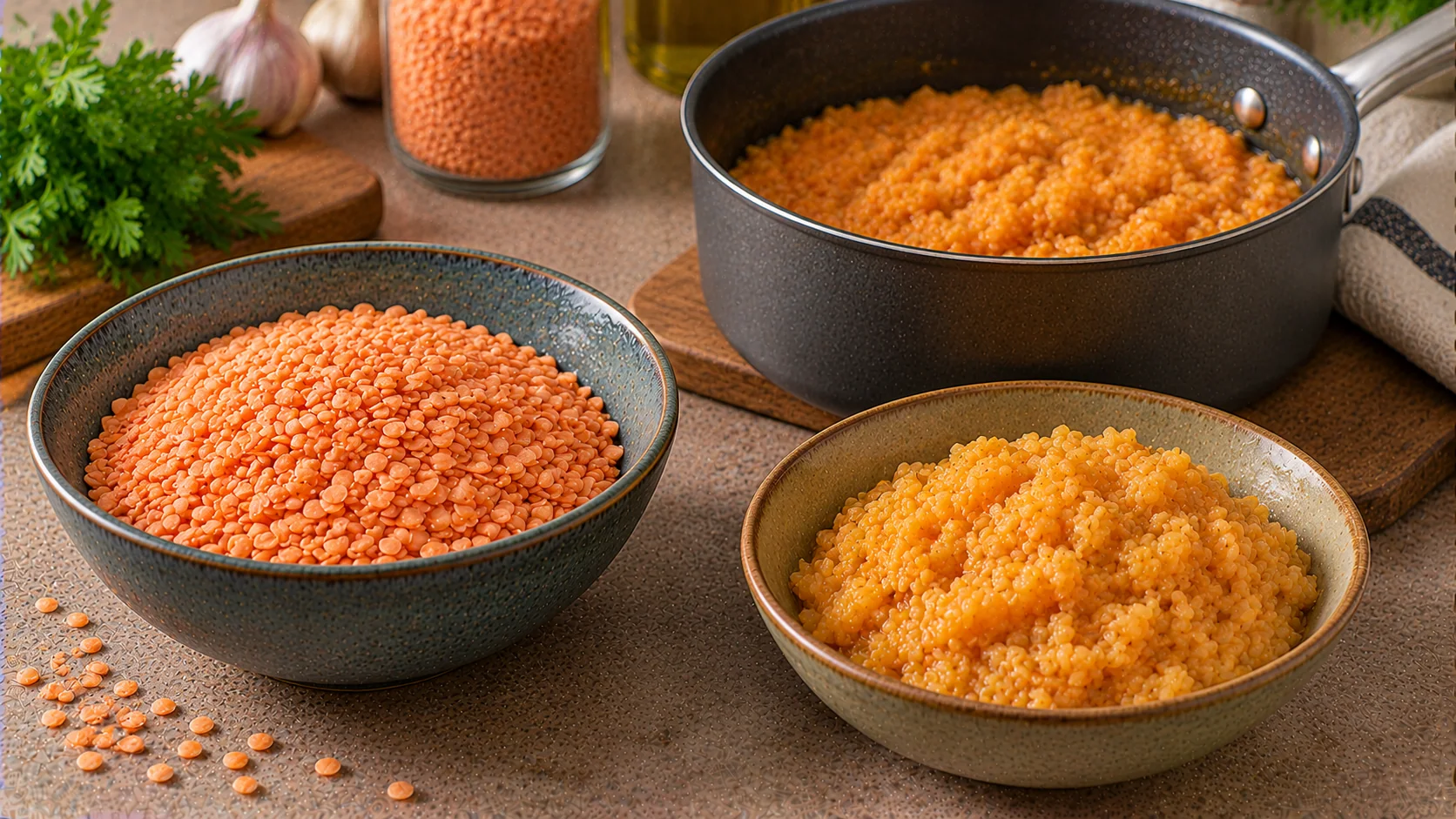
Red split lentils usually do not need soaking. Learn a weighed 150 g method, checking times, cooked-yield calculations and safe storage.
Read article →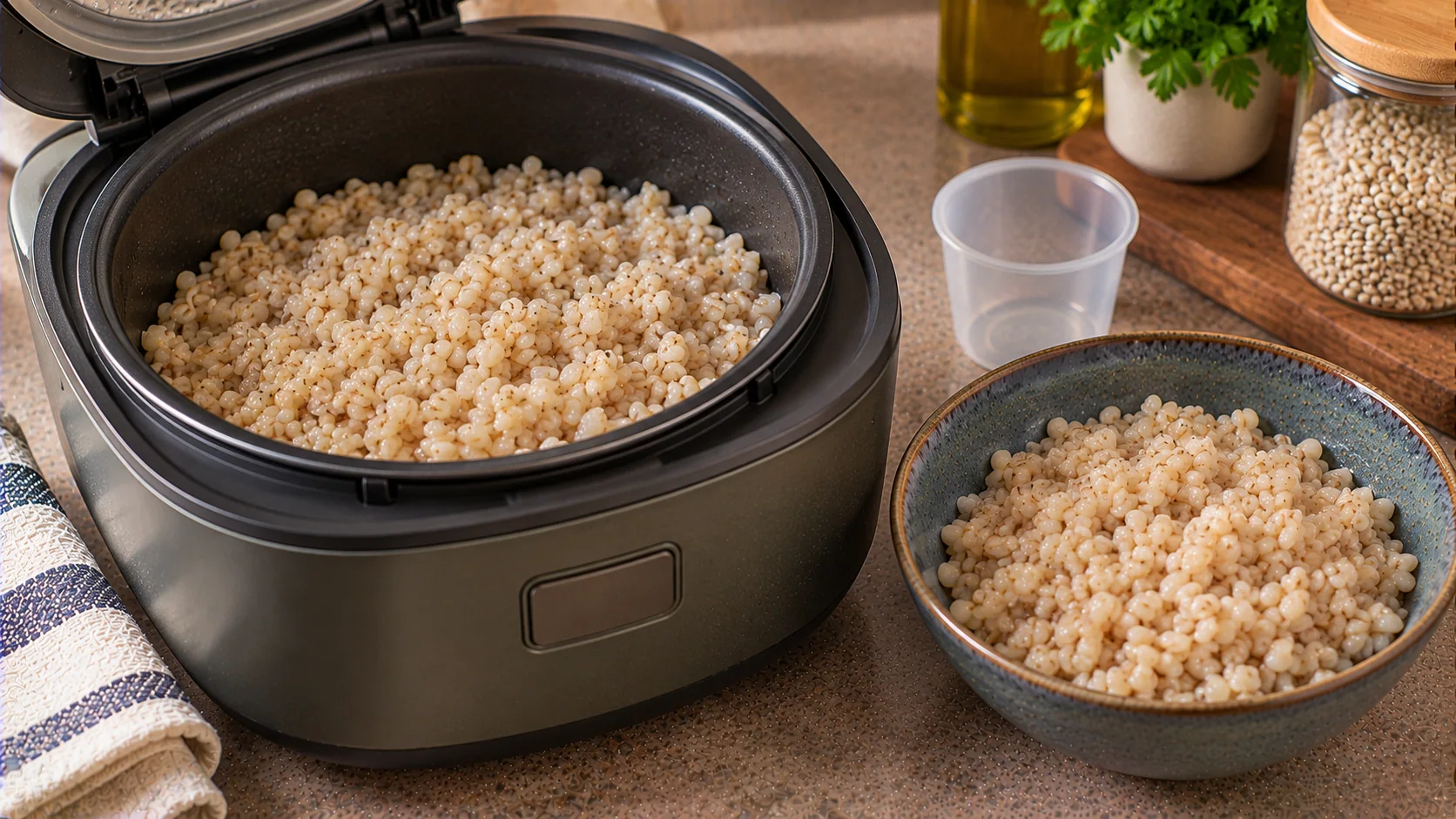
Learn to cook pearl barley in a rice cooker: starting water ratios, programme choice, texture troubleshooting, servings and safe storage.
Read article →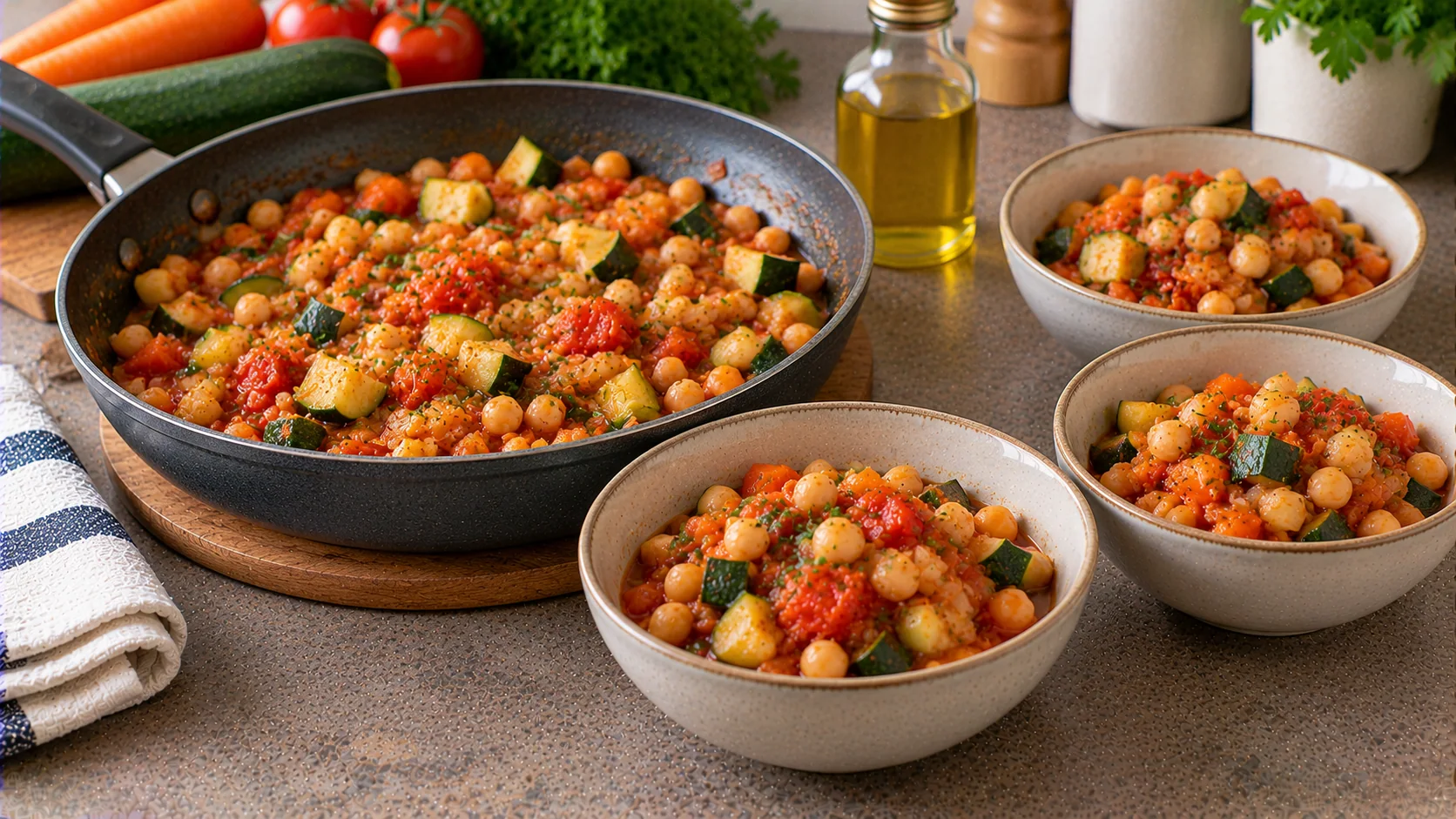
Learn to allocate measured cooking oil across a batch, handle oil left in the pan, and avoid counting the same fat twice. Worked examples and formulas.
Read article →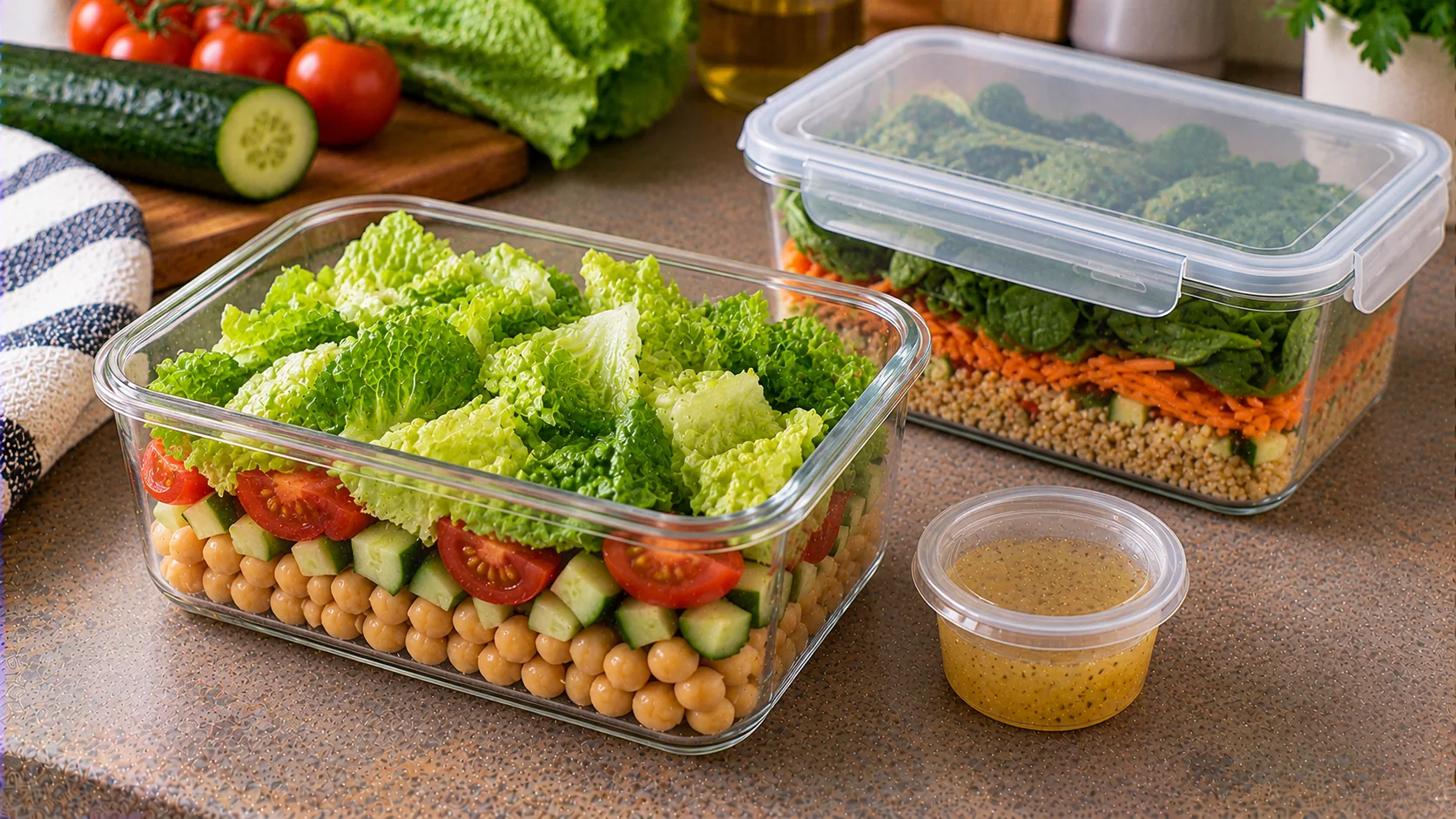
Learn how to layer make-ahead salad bowls, dry lettuce, separate dressing, refrigerate cooked toppings and avoid soggy greens safely.
Read article →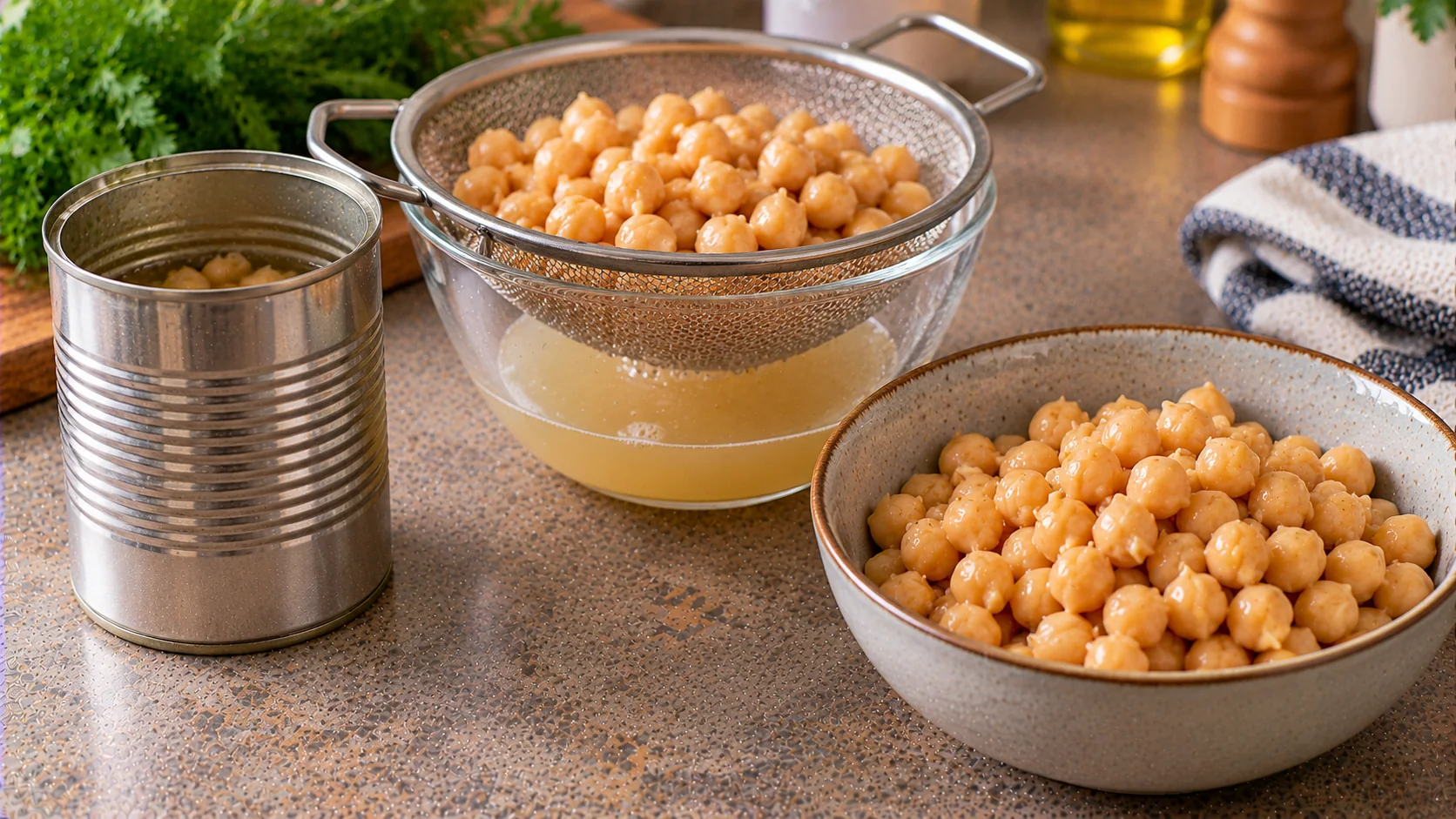
Learn to compare net weight and drained weight of canned chickpeas, calculate real portions, nutrients and cost per edible 100 g.
Read article →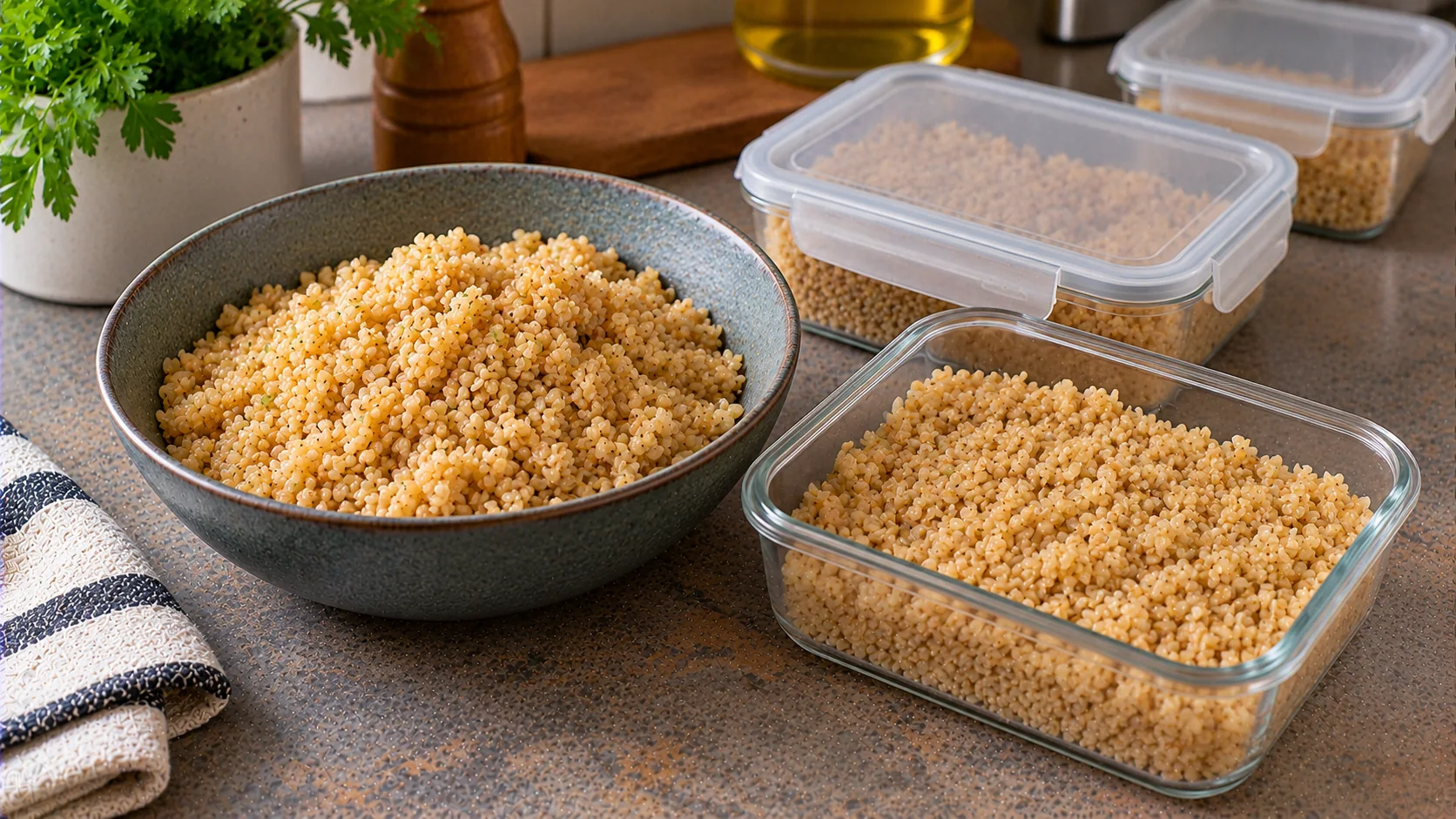
Learn how to cool, portion, freeze, thaw and reheat cooked bulgur while preserving texture, with a practical timeline and food-safety checks.
Read article →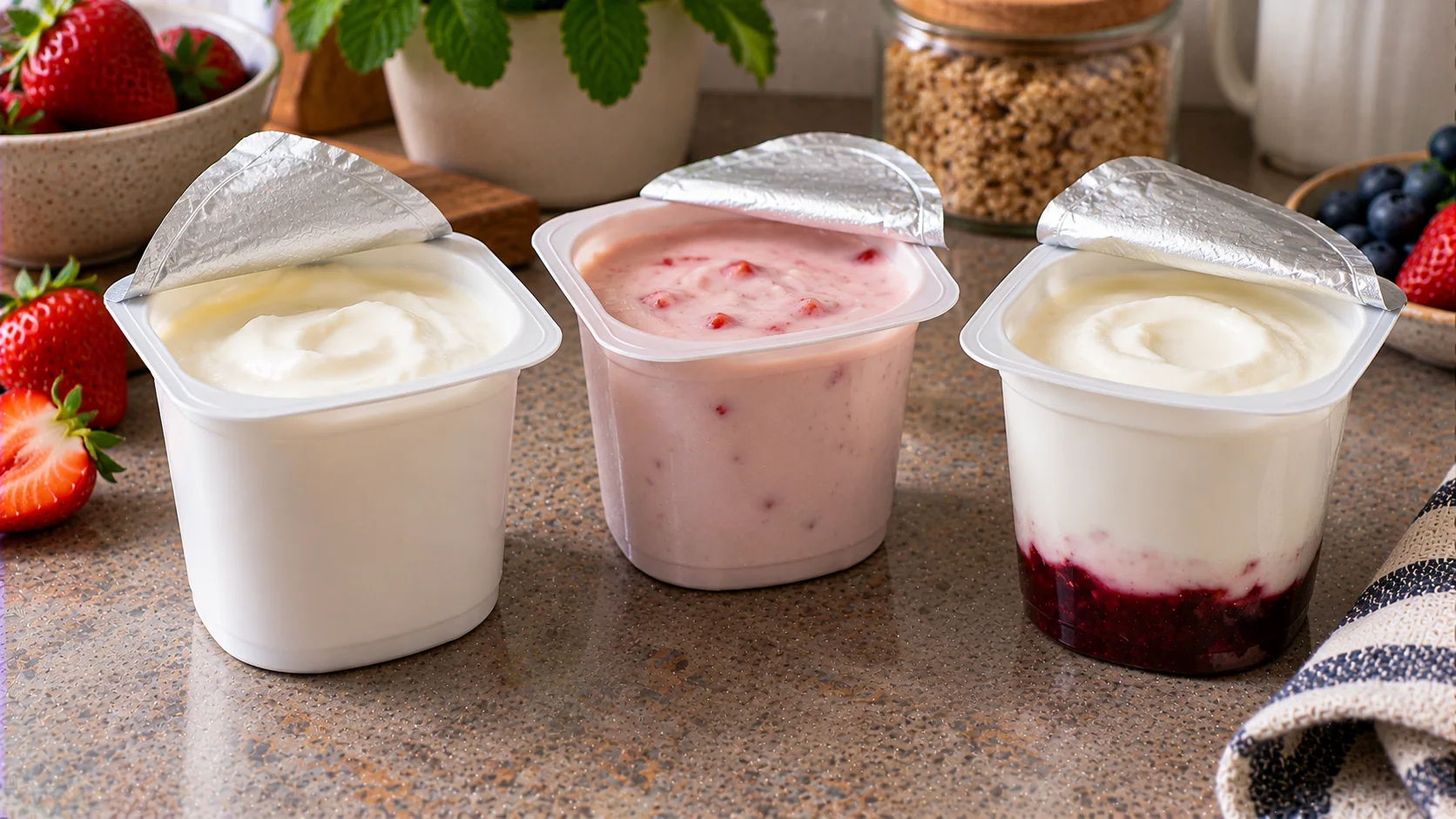
Learn what no added sugars, low sugars and sugars-free really mean on EU yogurt labels, with lactose explanations and worked pot calculations.
Read article →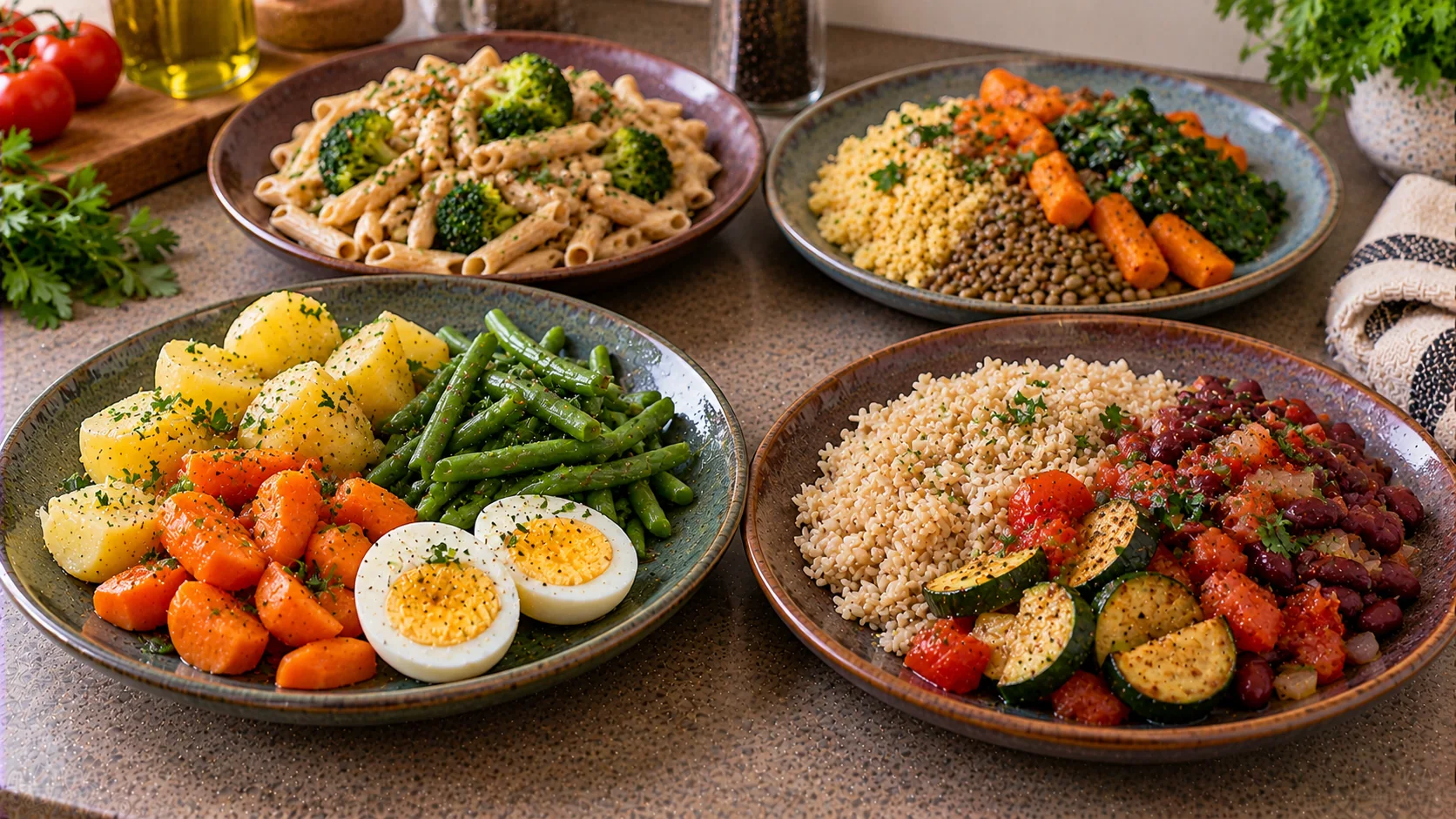
Four budget-balanced meals with weighed ingredients, example food-group proportions, protein calculations and realistic illustrative costs.
Read article →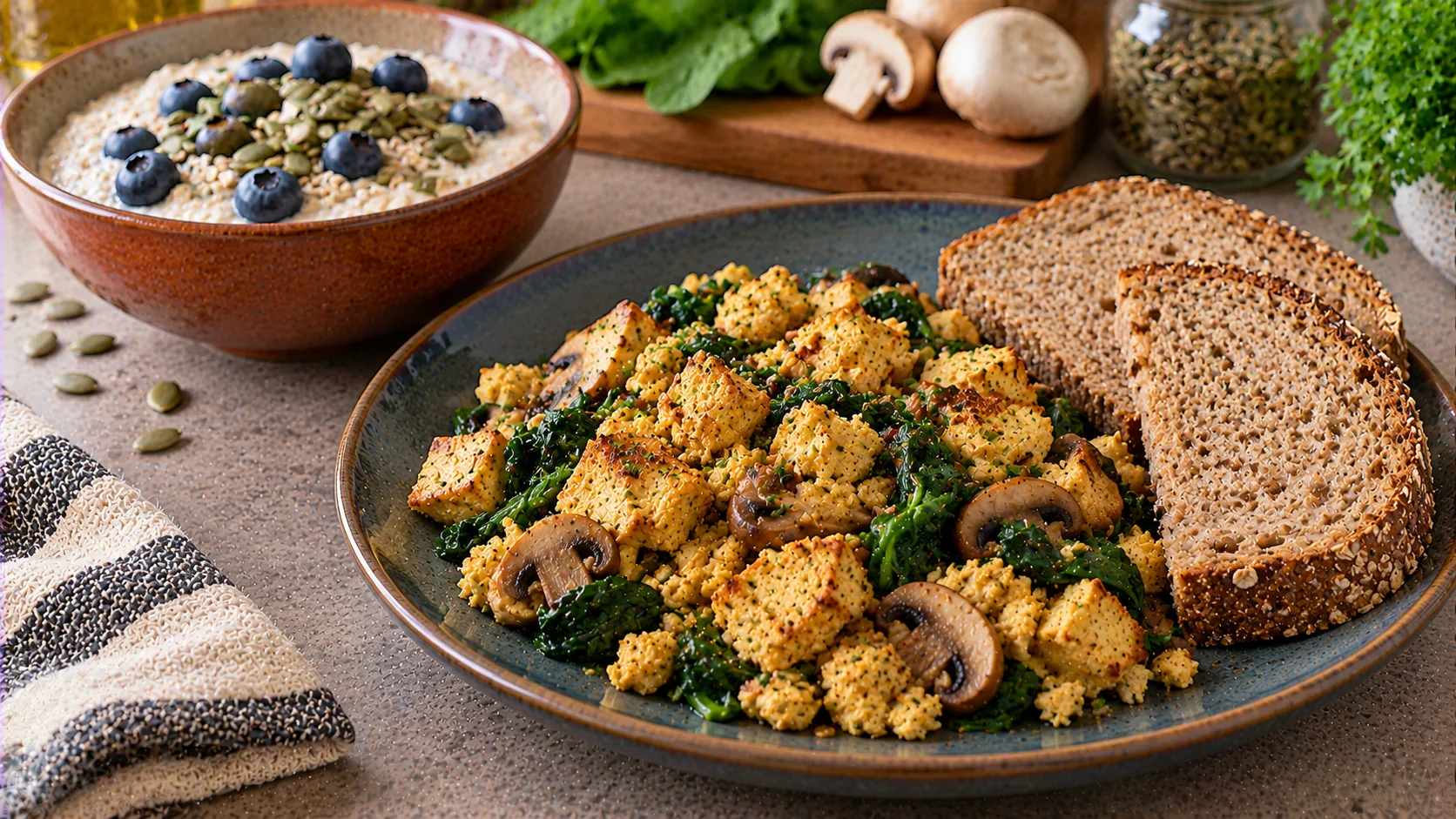
Five egg-free plant-based breakfast combinations, measured portions, sample protein maths, and ways to read soy and grain labels.
Read article →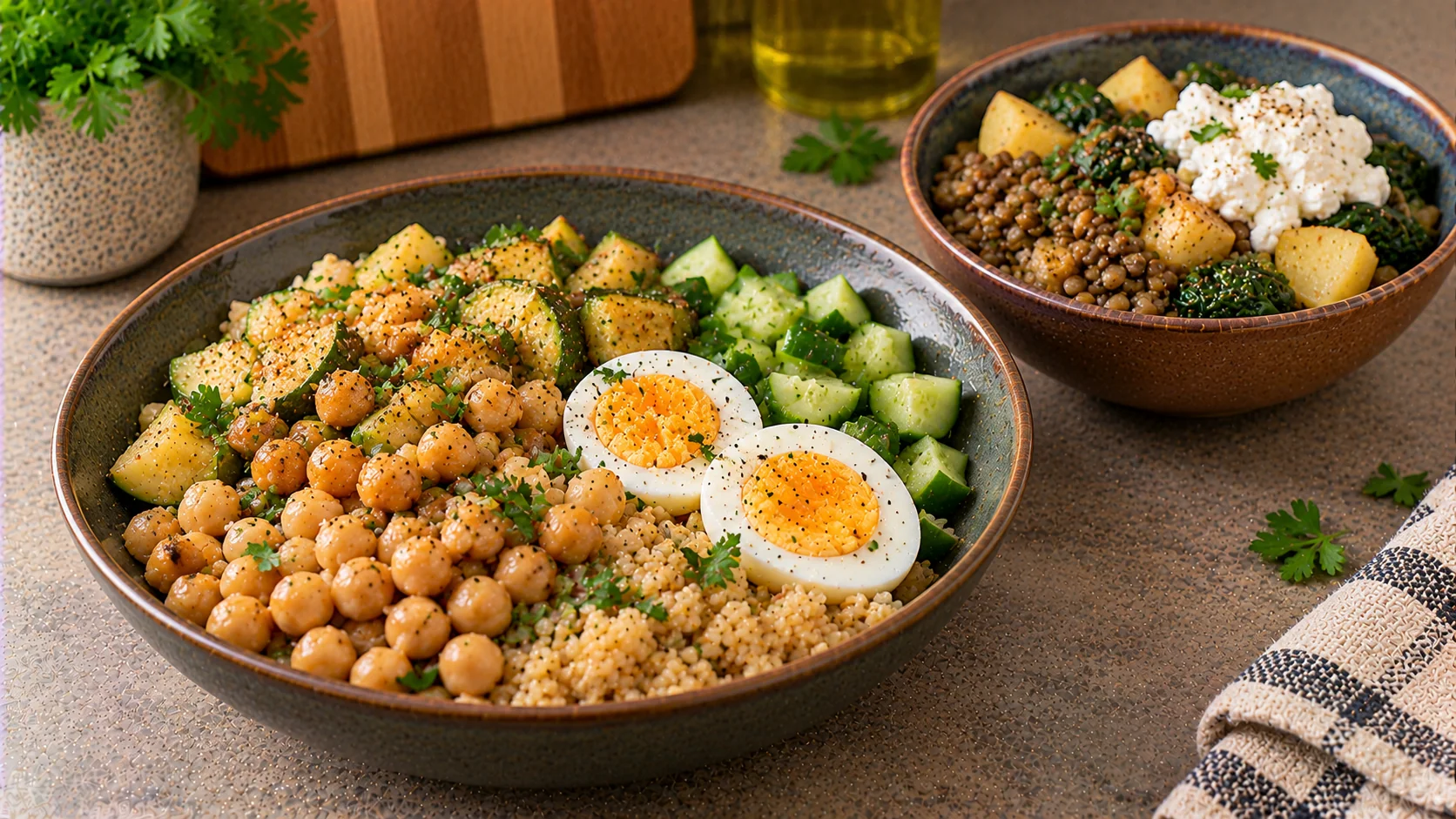
Five affordable vegetarian lunches with exact portions, estimated protein per serving, illustrative costs and simple preparation instructions.
Read article →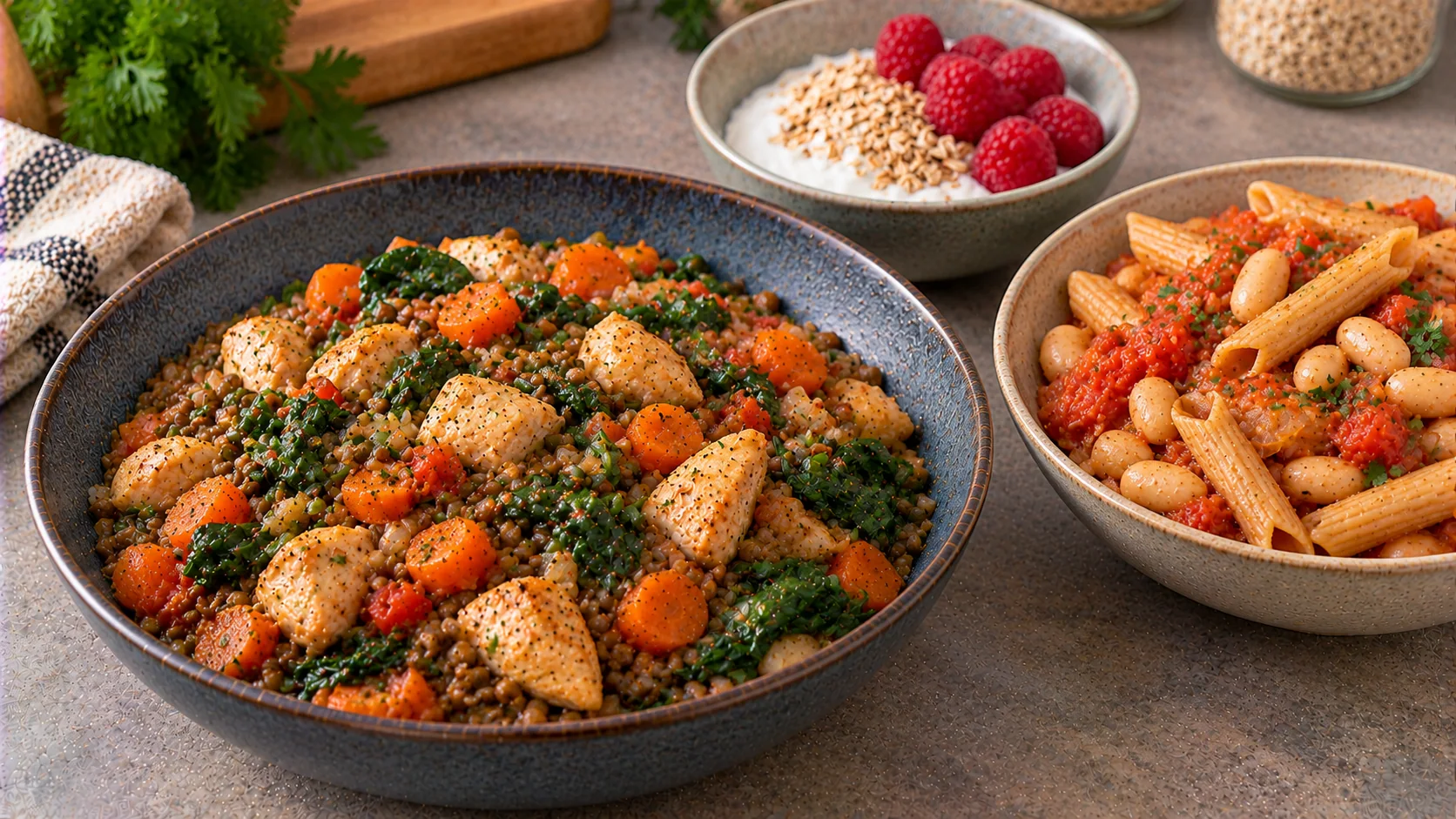
Ten affordable protein-and-fiber meal combinations with ingredient weights, worked estimates, shopping tactics and clear preparation steps.
Read article →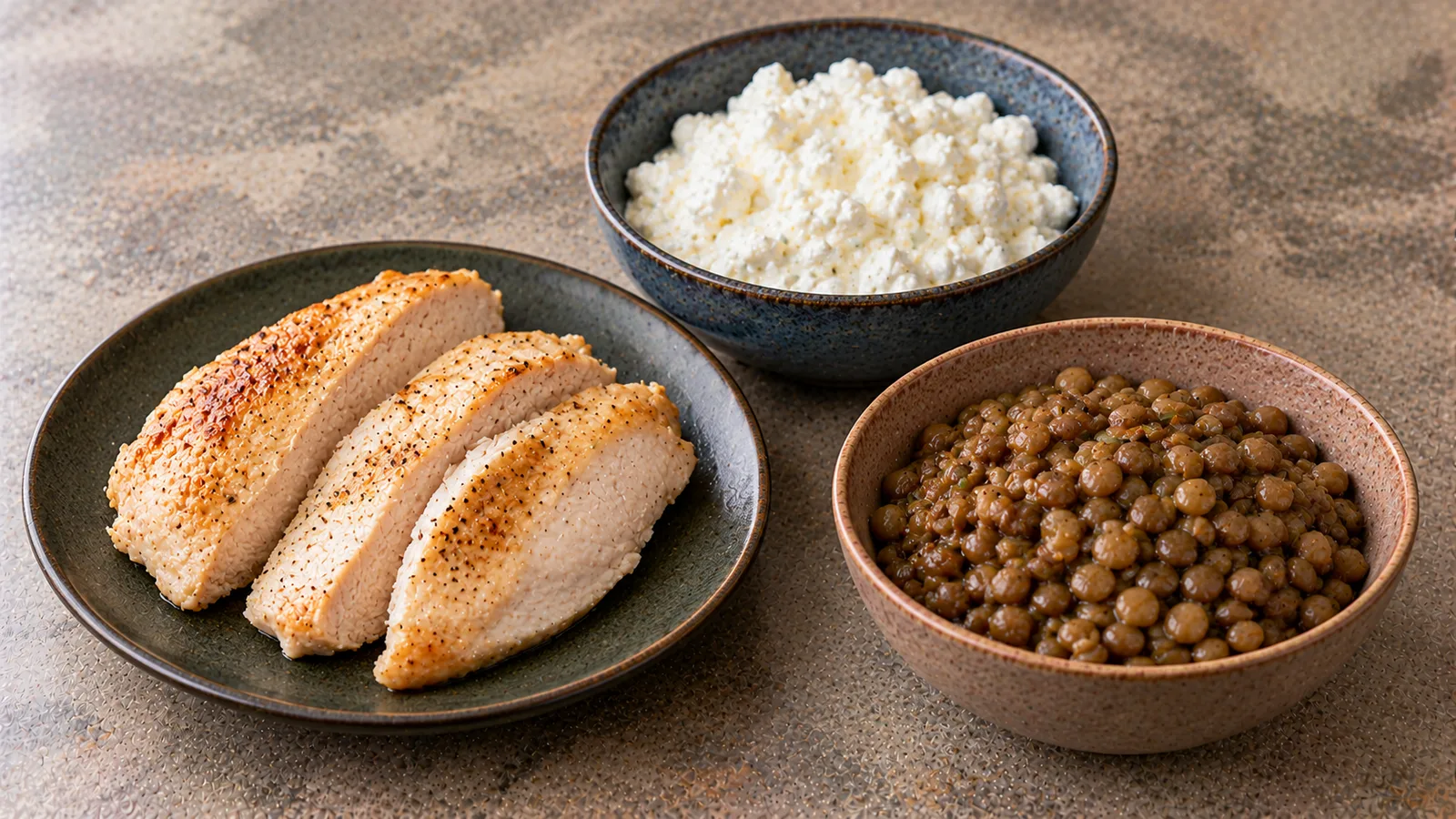
Learn when protein per 100 g, per serving or per 100 kcal answers your question, with four actual grocery labels and hydration examples.
Read article →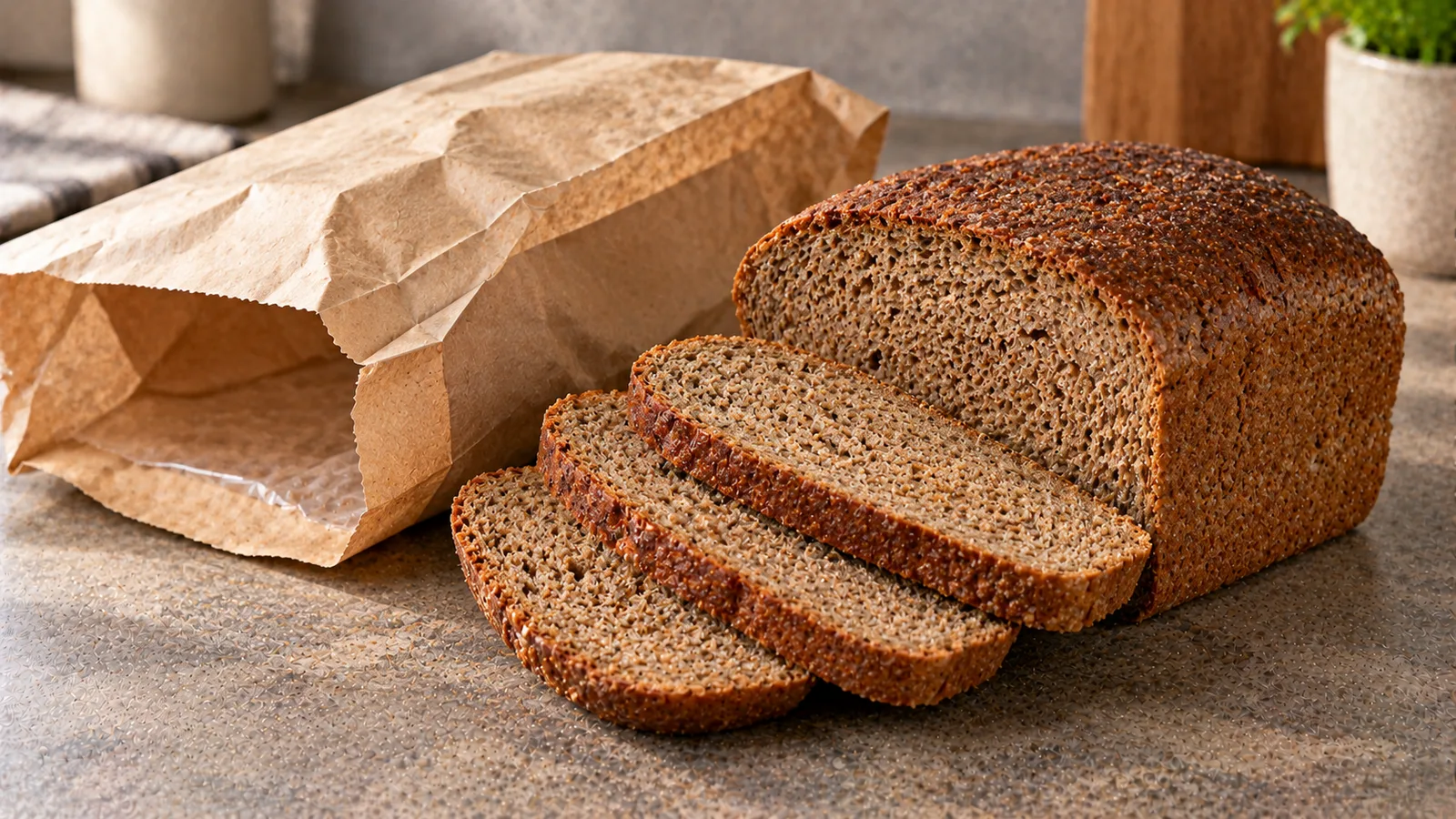
A practical guide to distinguishing wholegrain flour from brown colour or seeds and interpreting bread-label percentages correctly.
Read article →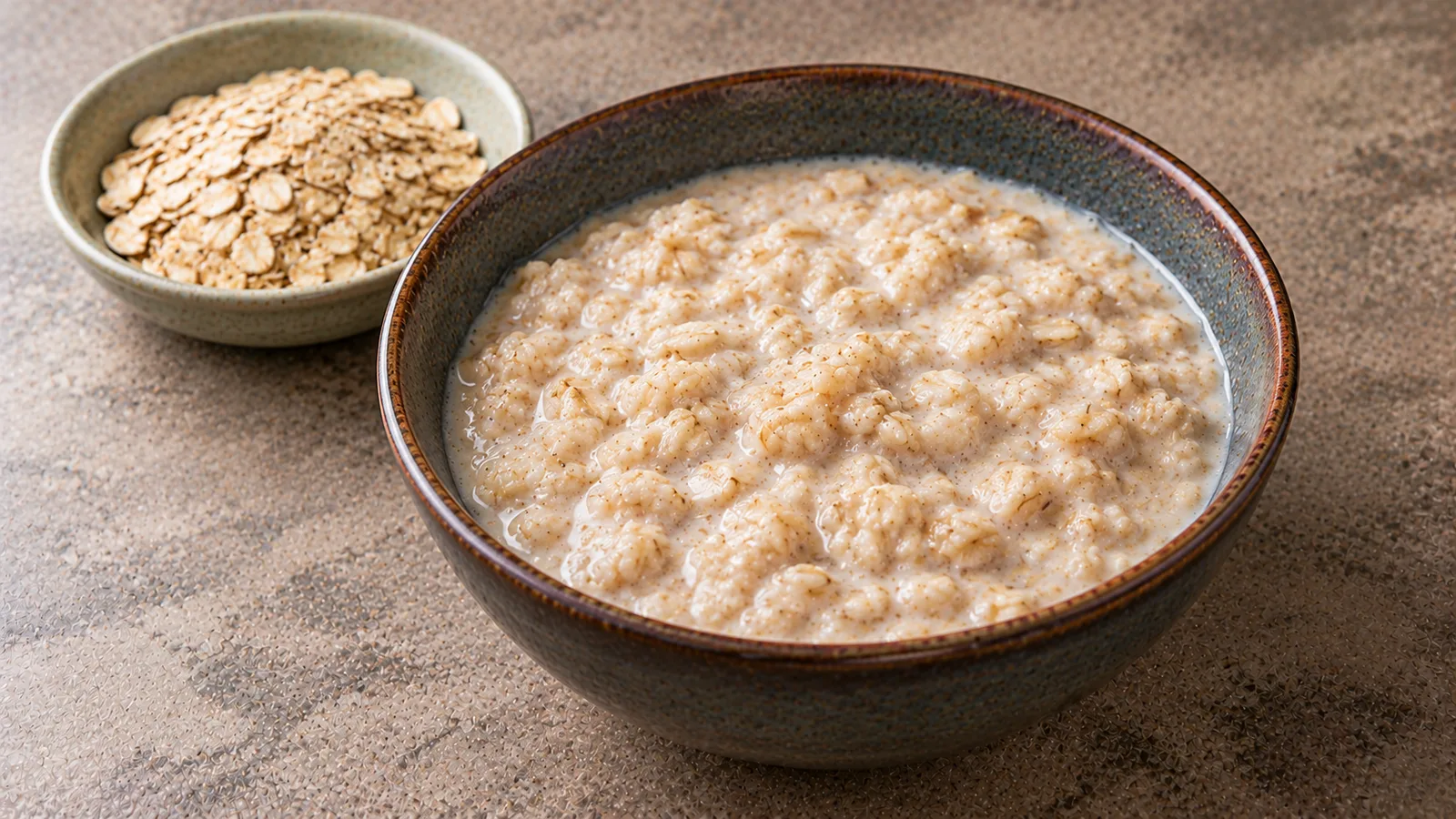
A worked 50 g dry-oats and 200 ml milk recipe: 280 kcal before toppings, with cooking-yield and portion calculations.
Read article →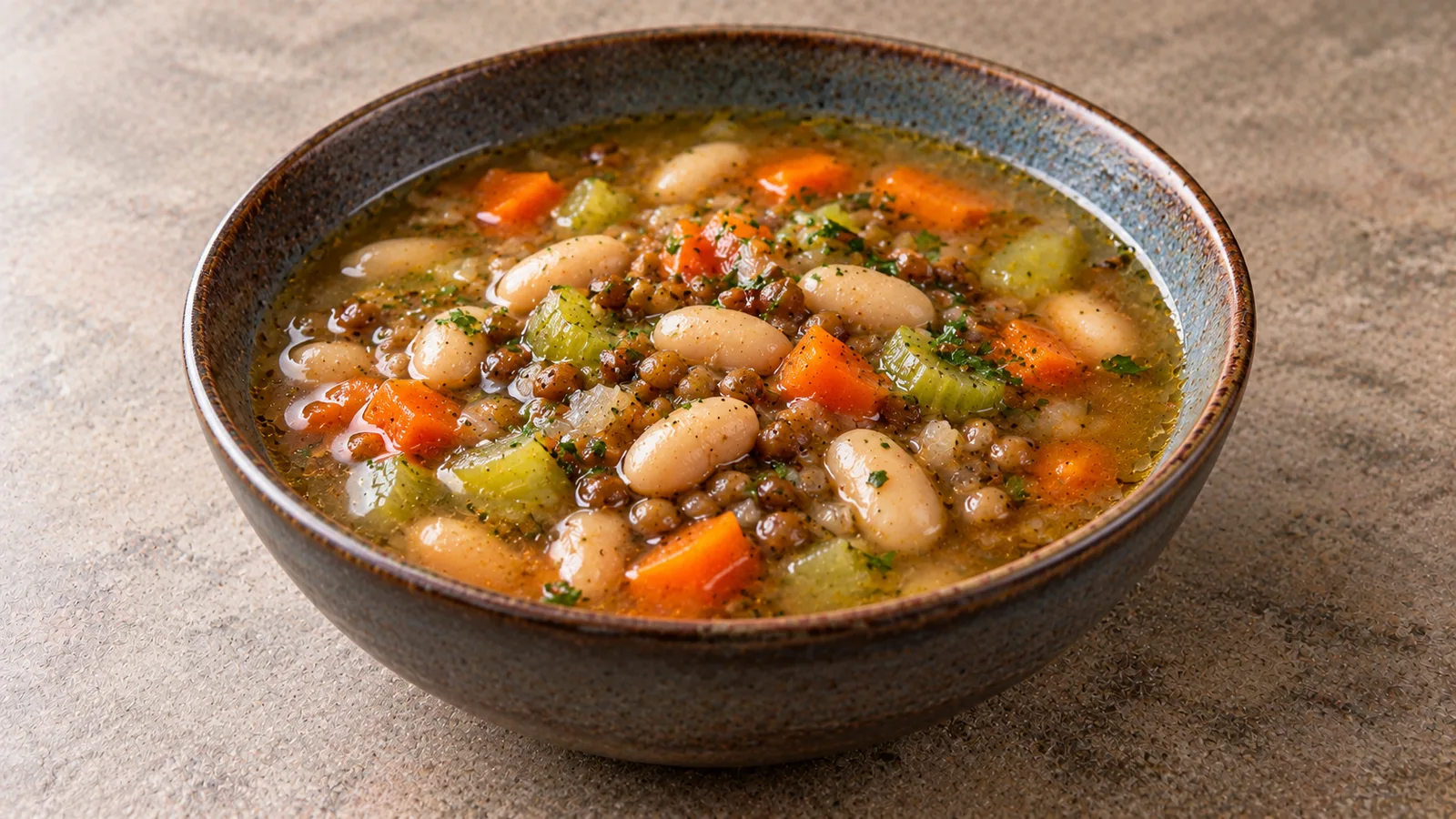
A worked lentil-soup example shows why added water lowers protein per 100 g while the protein in the entire pot stays unchanged.
Read article →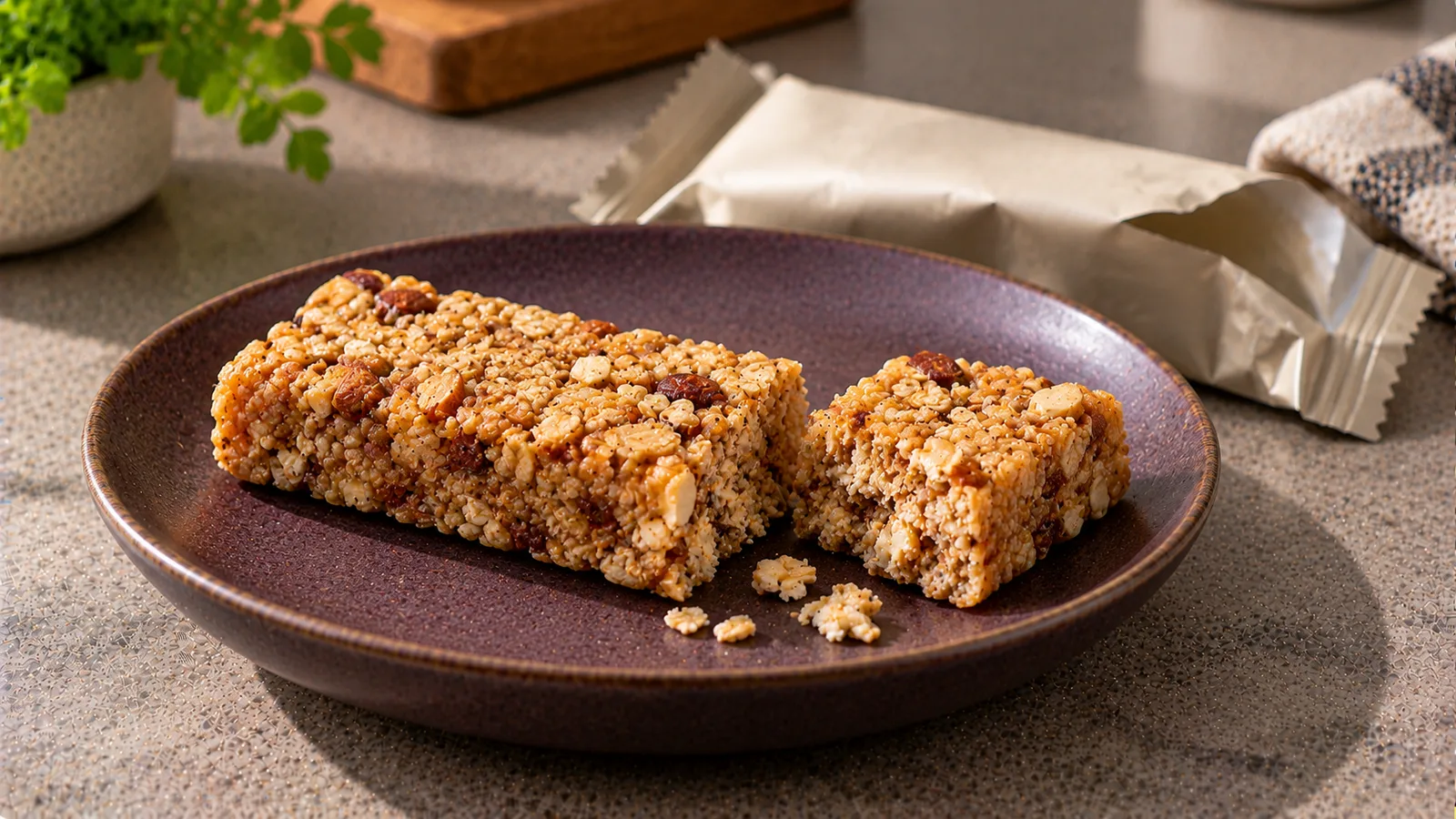
A label-first guide to how much fiber a prebiotic snack bar provides per actual serving, what EU fiber claims mean and what inulin can—and cannot—prove.
Read article →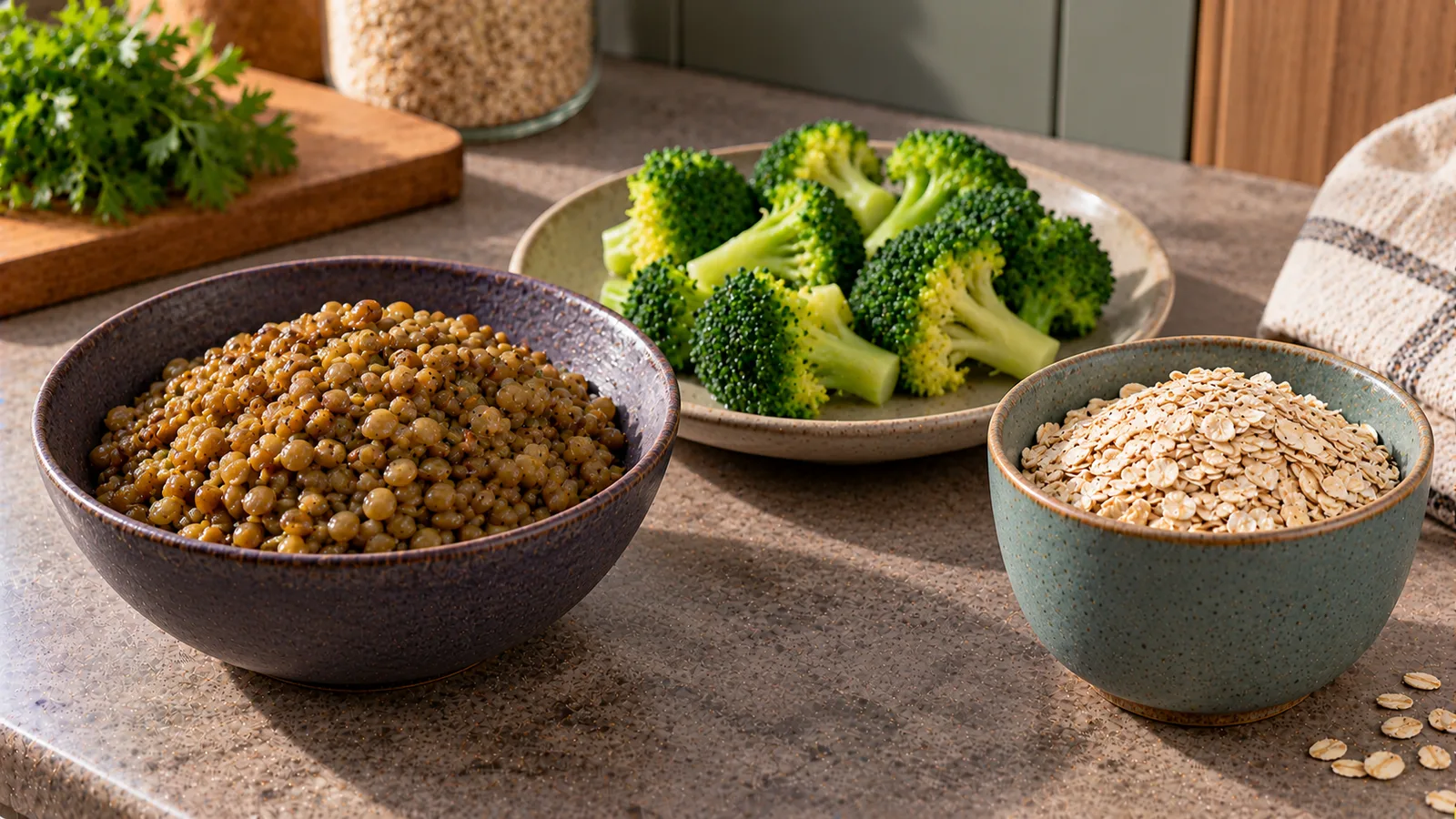
Fiber per calorie and fiber per serving answer different questions. Nine reference foods show how rankings change when the comparison denominator changes.
Read article →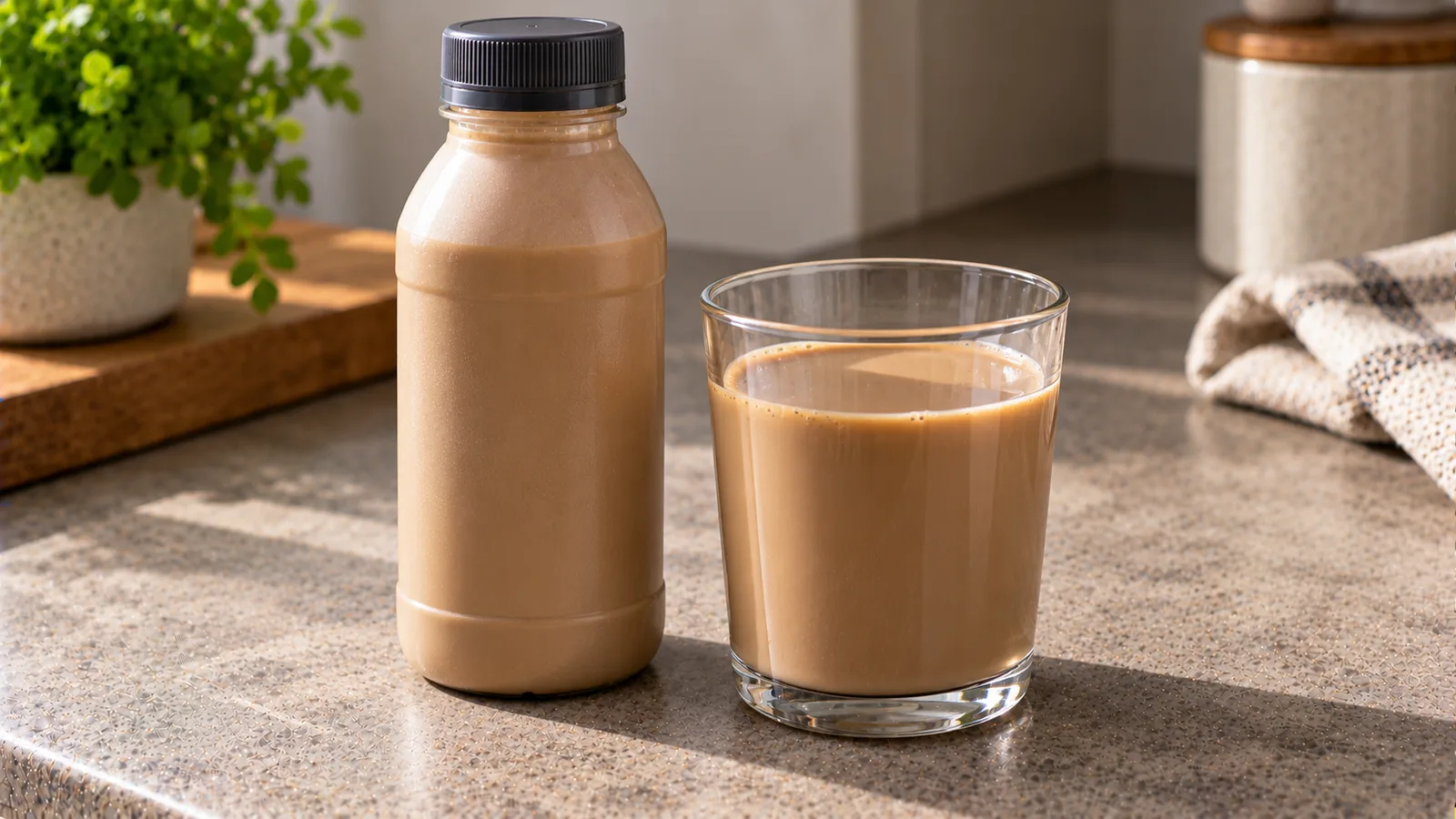
A practical comparison of ready-to-drink protein coffees, with full-container nutrition, a documented caffeine figure and transparent cost calculations.
Read article →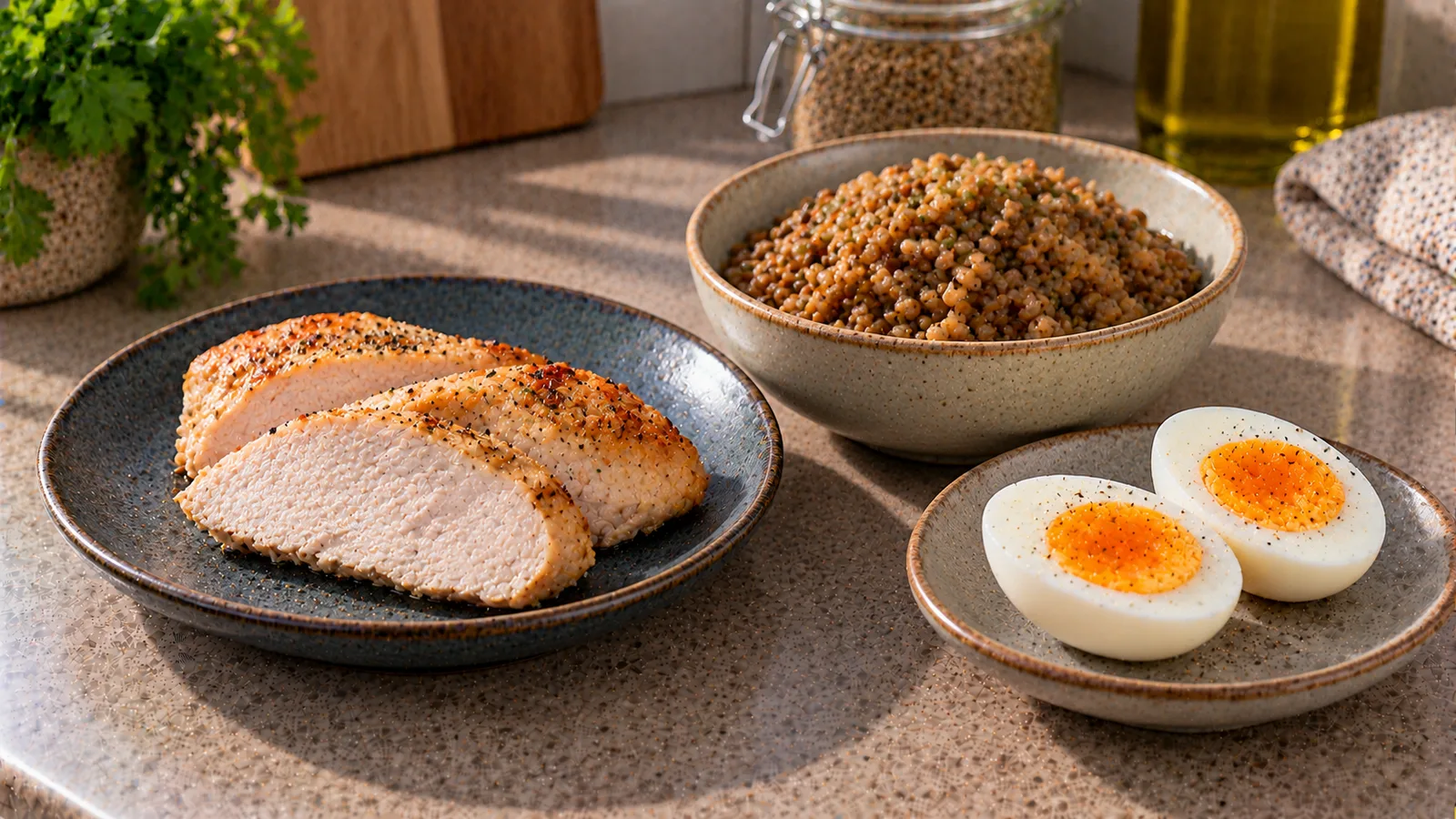
PDCAAS and DIAAS are protein-quality scores, not another way of stating grams of protein. **PDCAAS** uses an indispensable-amino-acid pattern and a single overall measure of protein digestibility. **DIAAS** uses digestibility
Read article →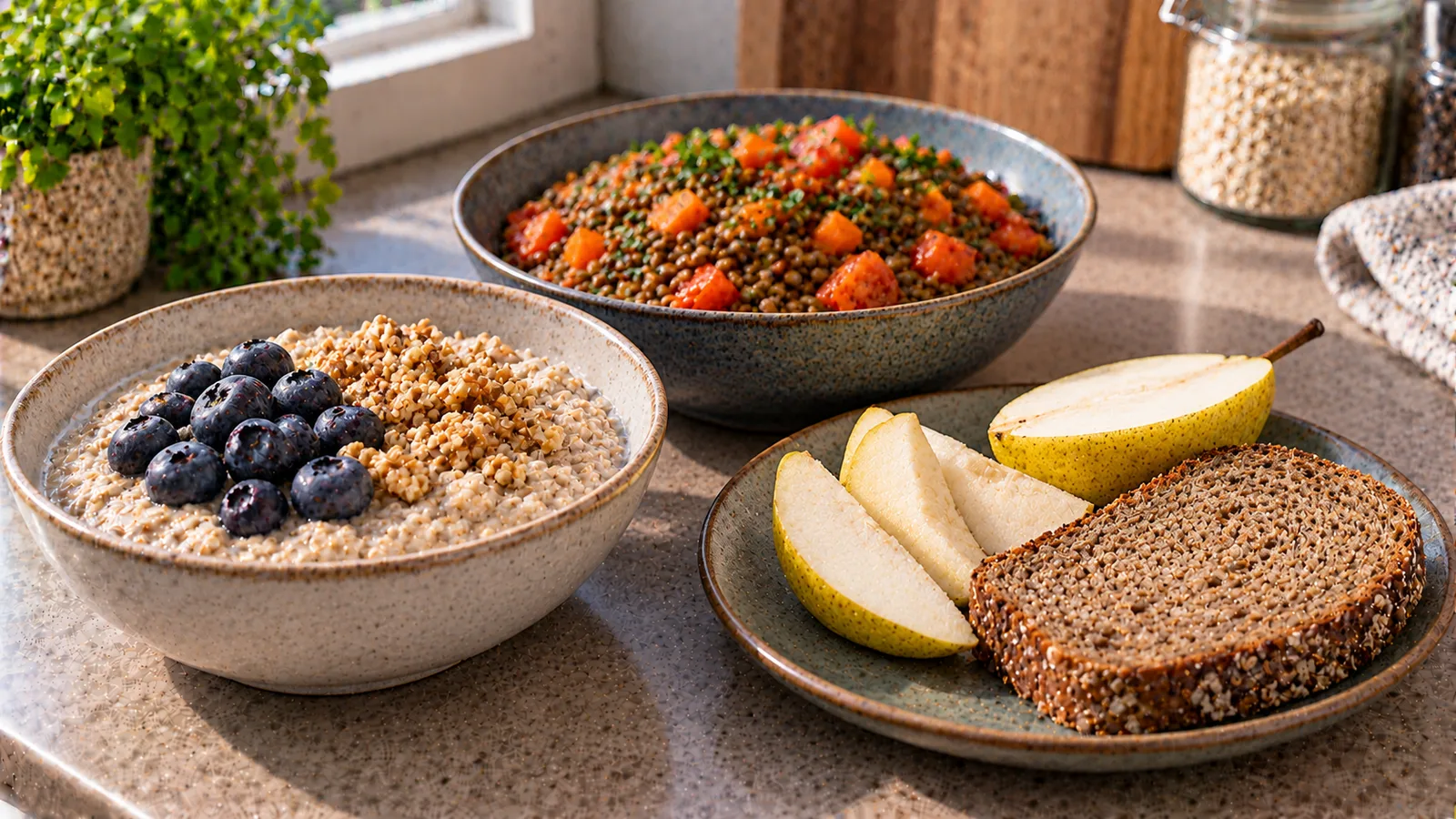
A complete day with weighed foods supplying about 31 g of fibre, with transparent nutrient and cost assumptions.
Read article →