
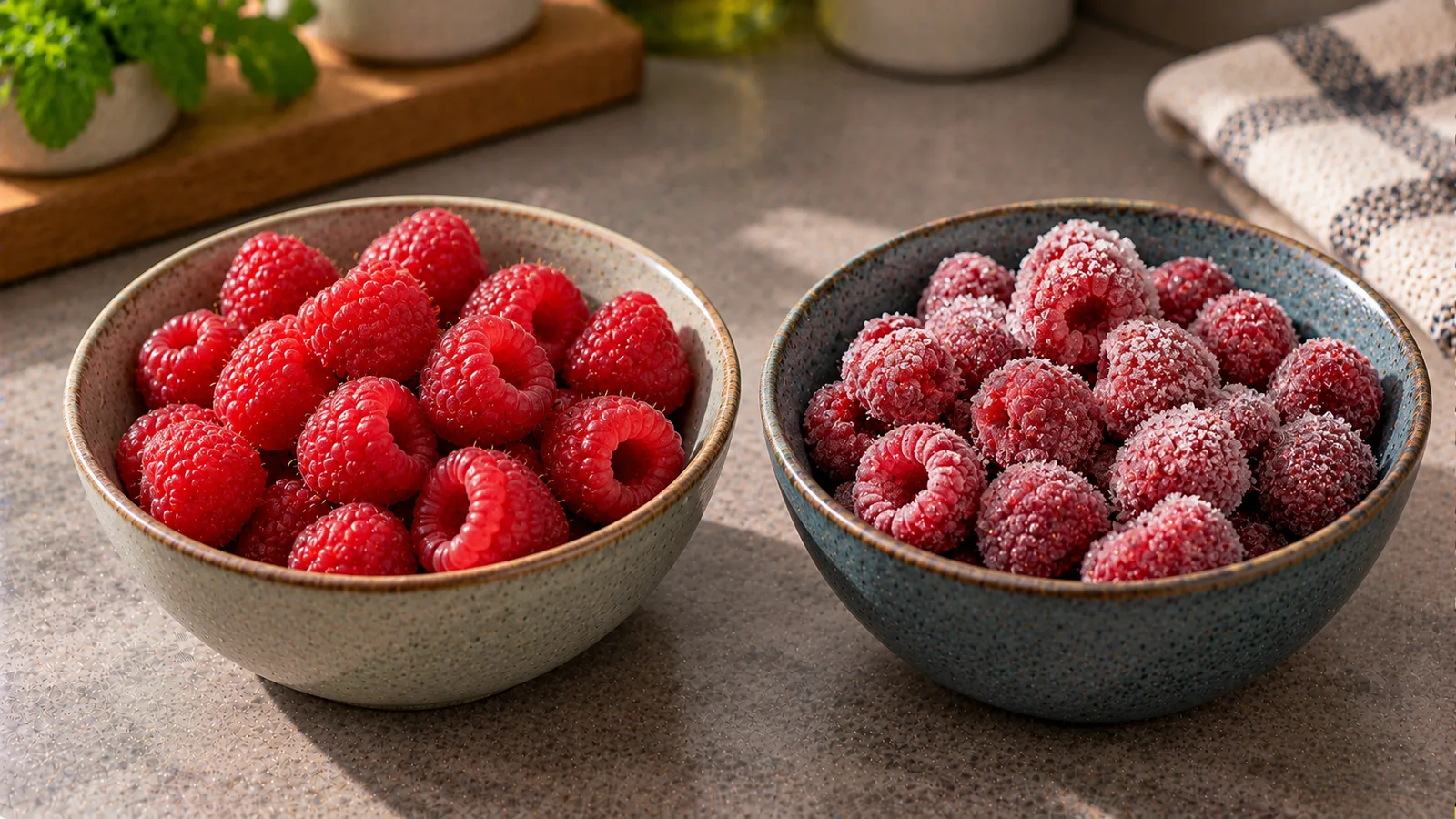
Fresh vs Frozen Berries: Edible Cost, Fiber and Storage
Compare fresh and frozen berries by edible weight, fiber, illustrative German prices and the important safety advice for frozen fruit.
Read article →Clear comparisons of foods, nutrition approaches and useful tools.
Compare fresh and frozen berries by edible weight, fiber, illustrative German prices and the important safety advice for frozen fruit.
Read article →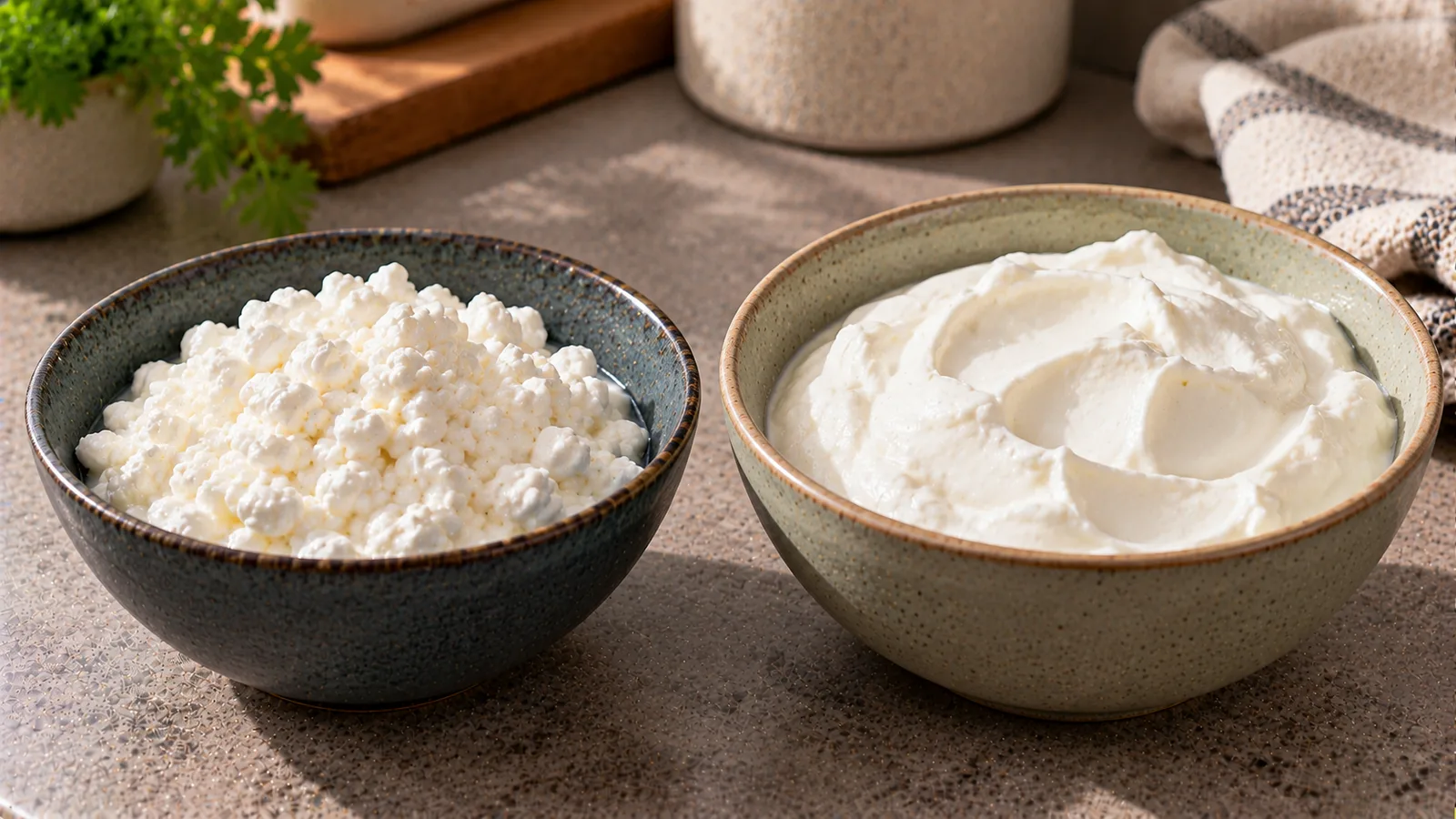
Compare cottage cheese and plain skyr using specific labels and matched serving sizes, with protein, salt and a transparent grocery-cost model.
Read article →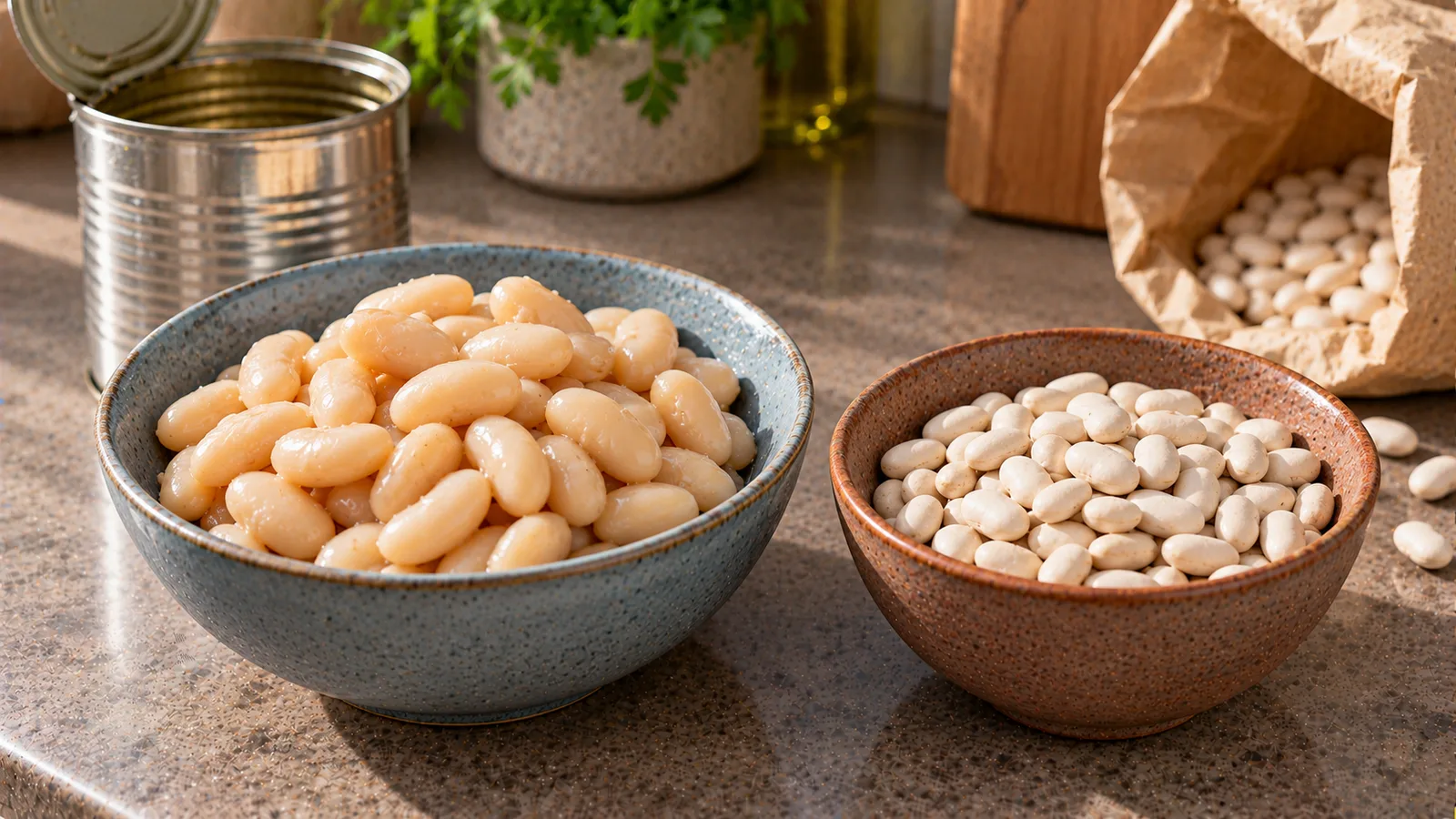
Compare the cost of drained canned beans with home-cooked dried beans using matched edible yield, documented nutrition and transparent assumptions.
Read article →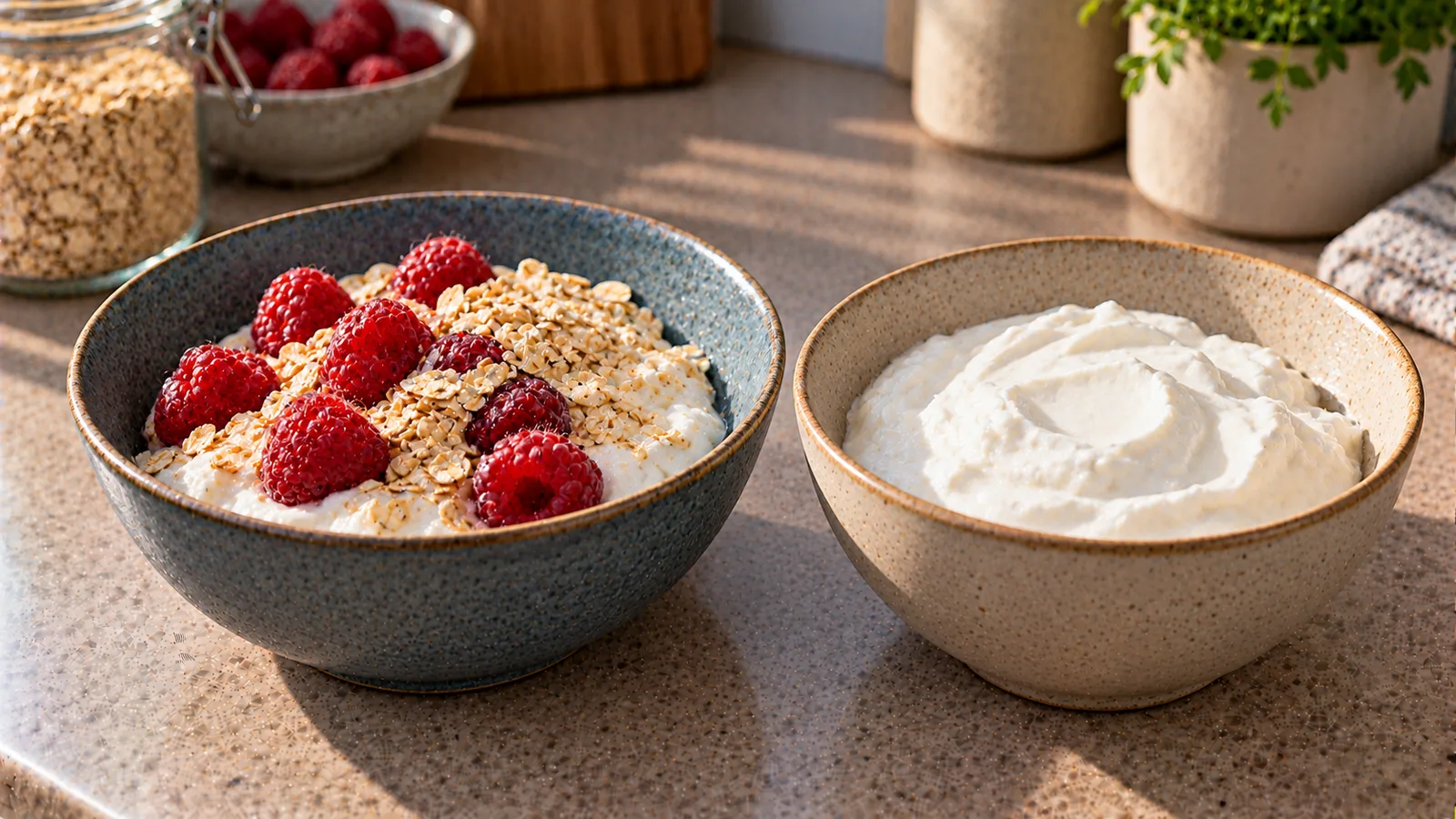
Three snacks near 200 kcal compared by protein, fibre and transparent example prices in Germany, with research-based satiety caveats.
Read article →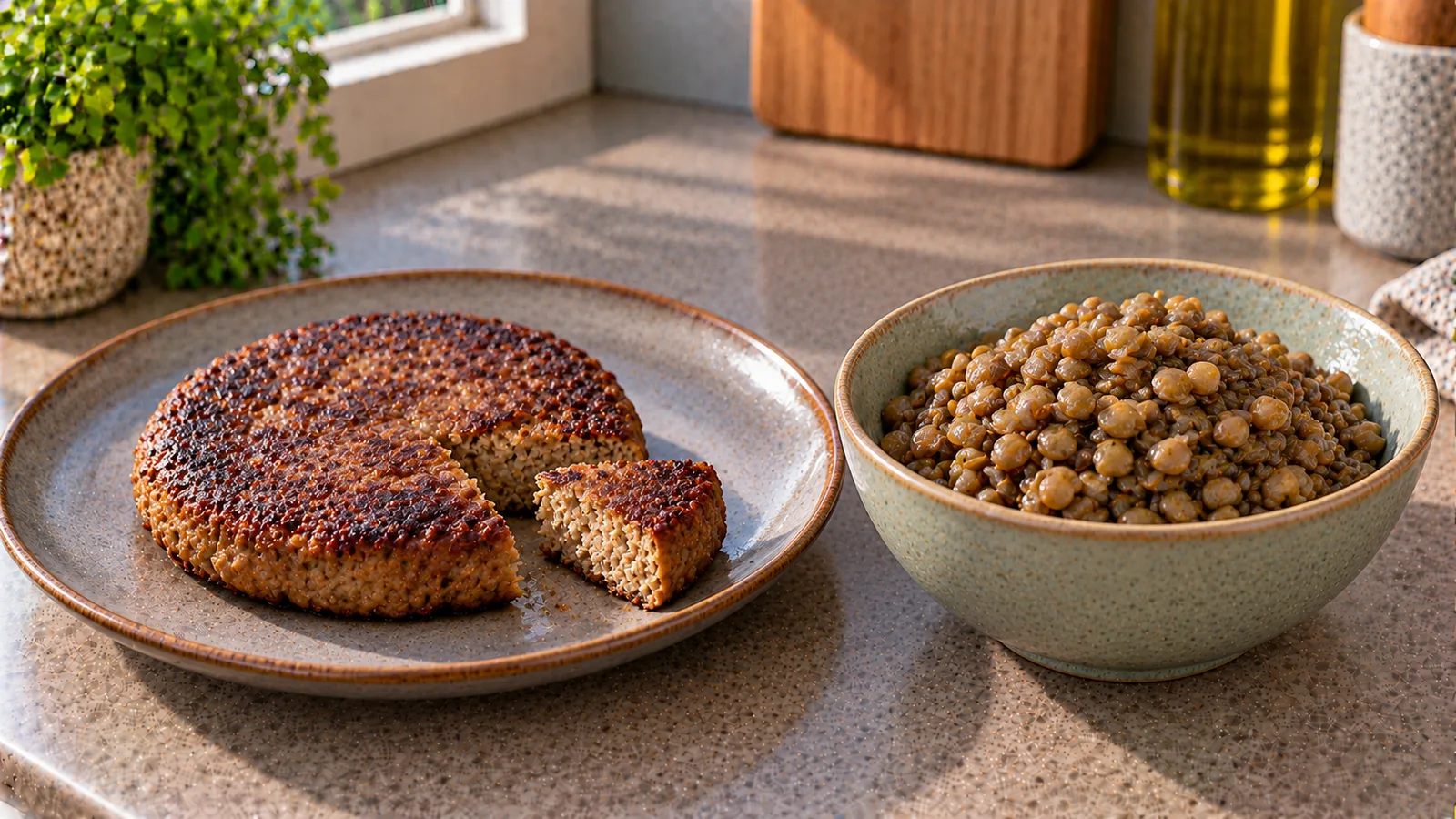
A plant-based burger and a bowl of lentils can both provide protein, but they do different jobs on a plate. Using a specific German supermarket product, REWE Beste Wahl Premium Vegan Burger Patties, t
Read article →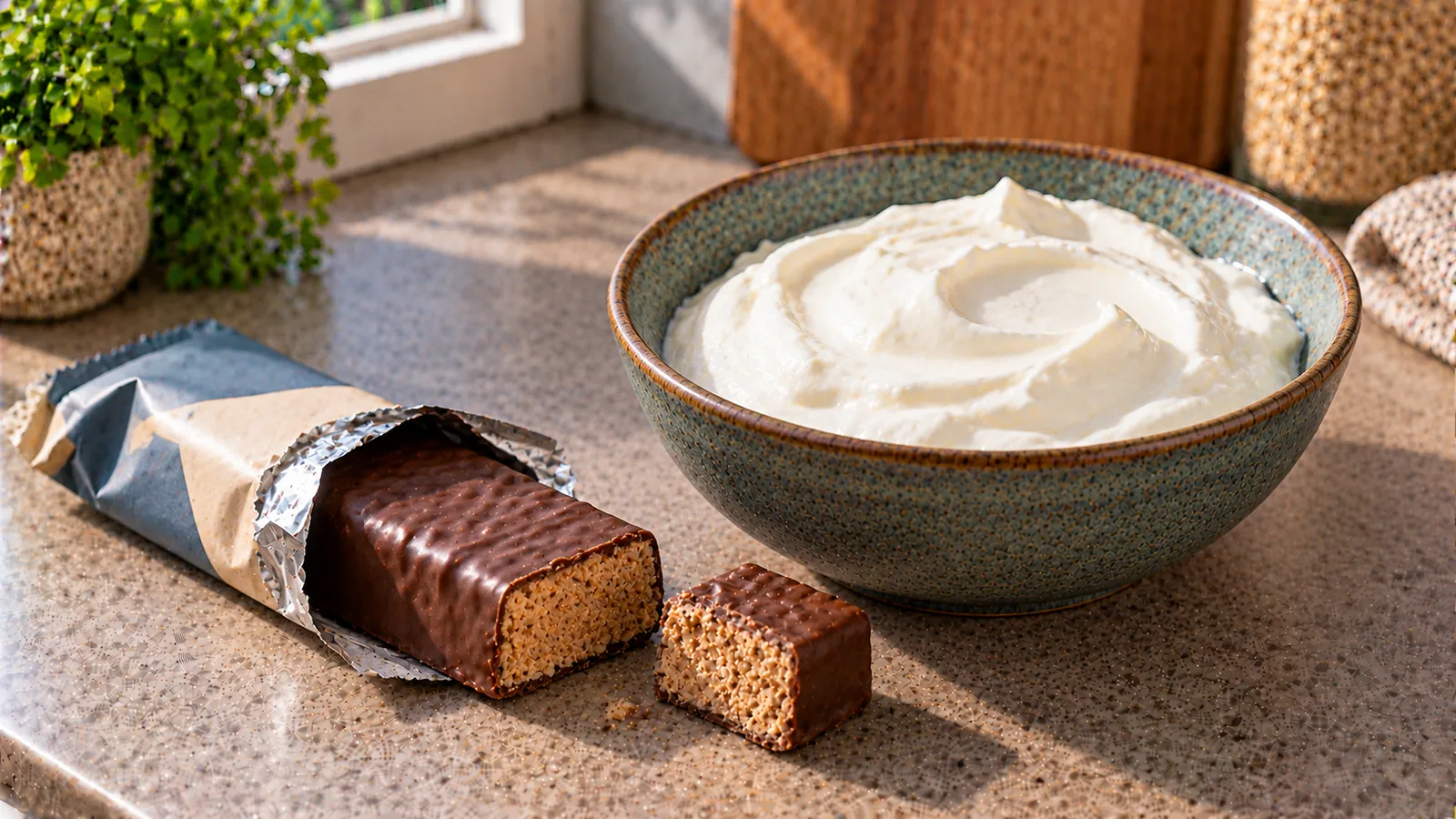
A 45 g protein bar and a 150 g Greek yogurt pot differ in protein, calories, fiber and cost. Compare real product labels and price per 20 g protein.
Read article →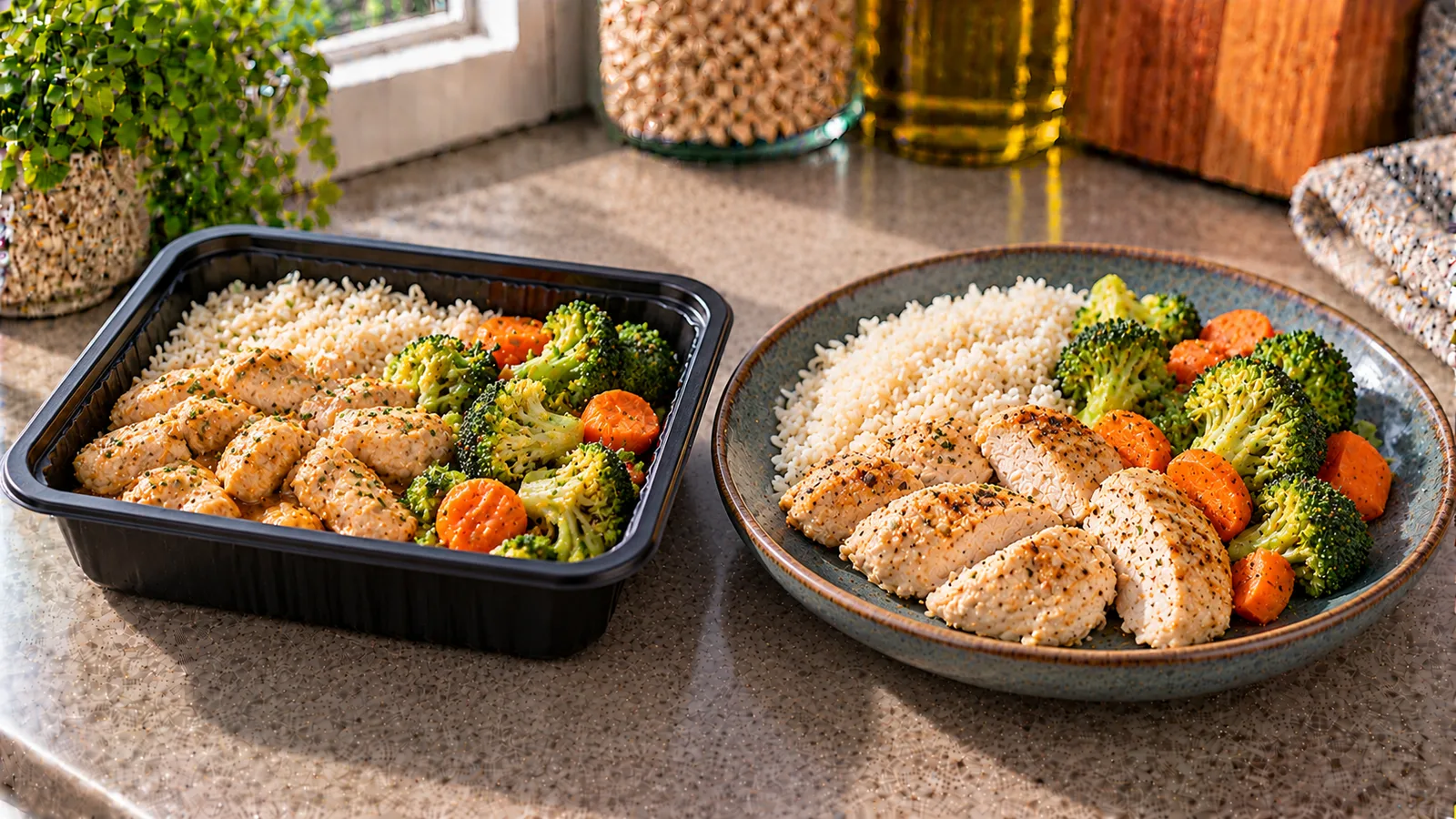
Choosing a high-protein ready meal or making a comparable dinner at home is not simply a contest between “processed” and “healthy.” The fair question is: what nutrition, cost and effort do you get for the entire portion you will
Read article →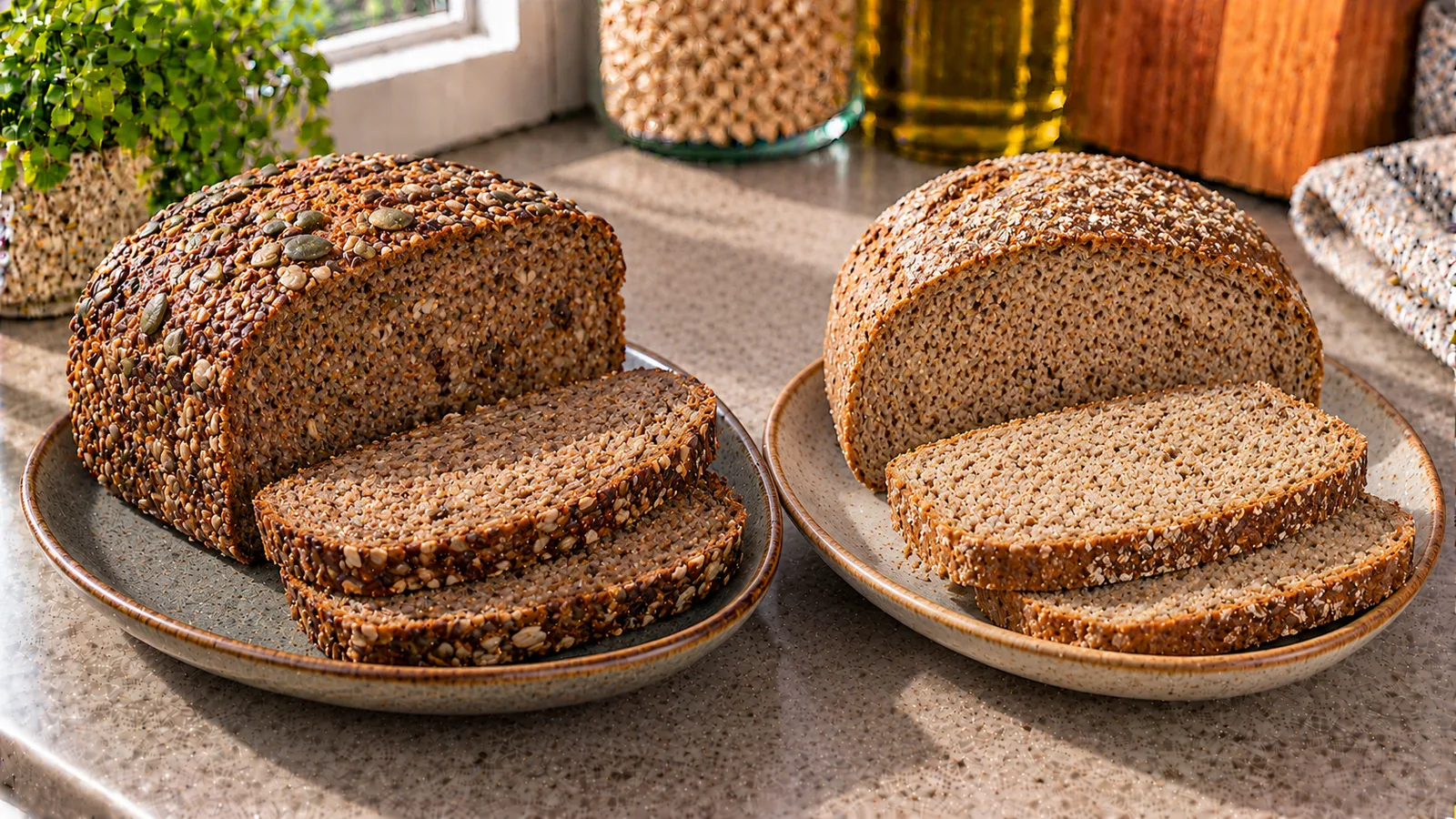
Protein bread looks like an obvious upgrade when you want more protein from breakfast or sandwiches. Yet the label may tell a less simple story: some protein loaves also contain more fat and calories, while a traditional wholegrain loaf can provide almost as much fiber at a lower
Read article →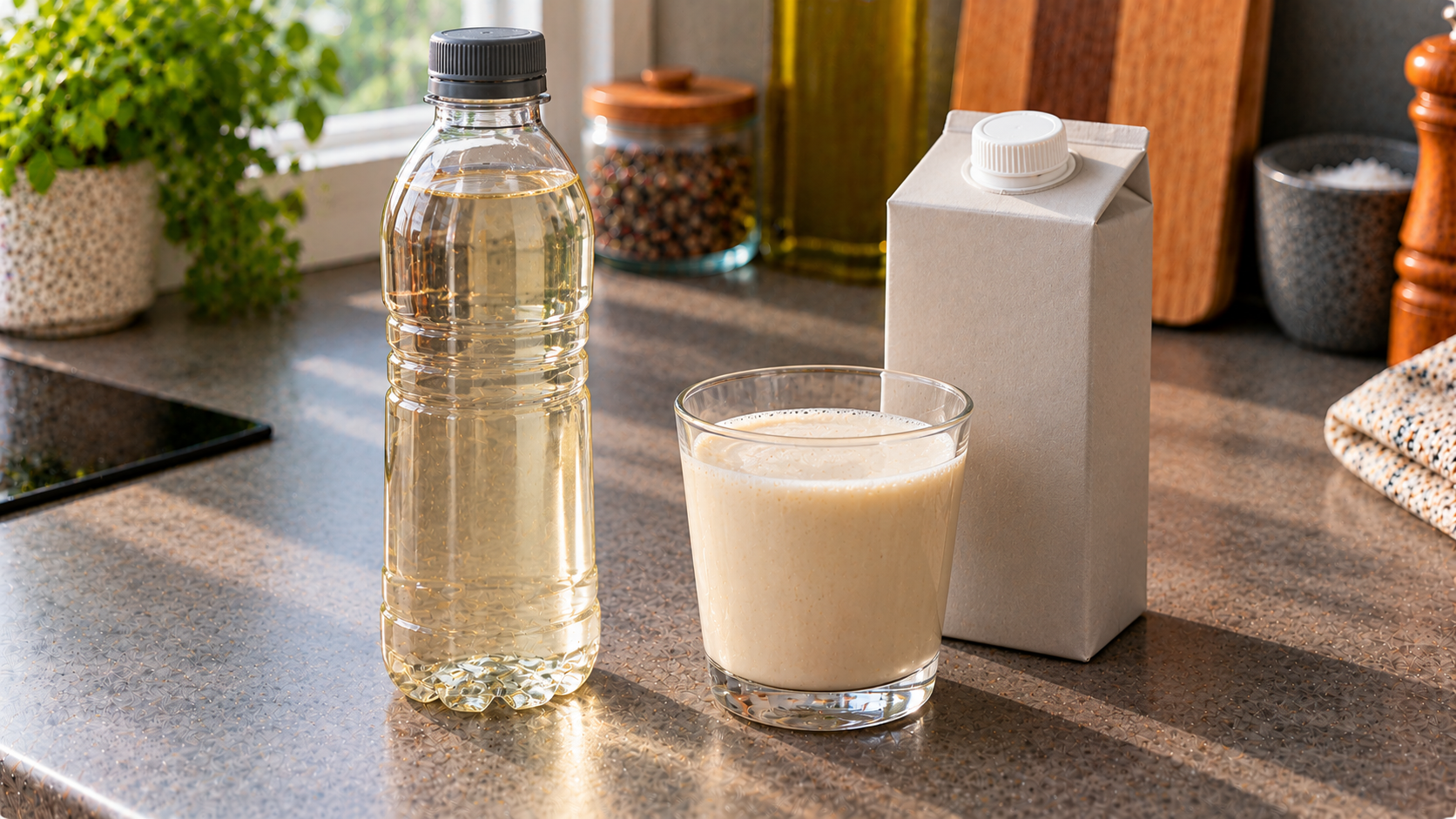
A practical comparison of clear protein drinks and creamy protein shakes using real serving sizes and label-based calculations.
Read article →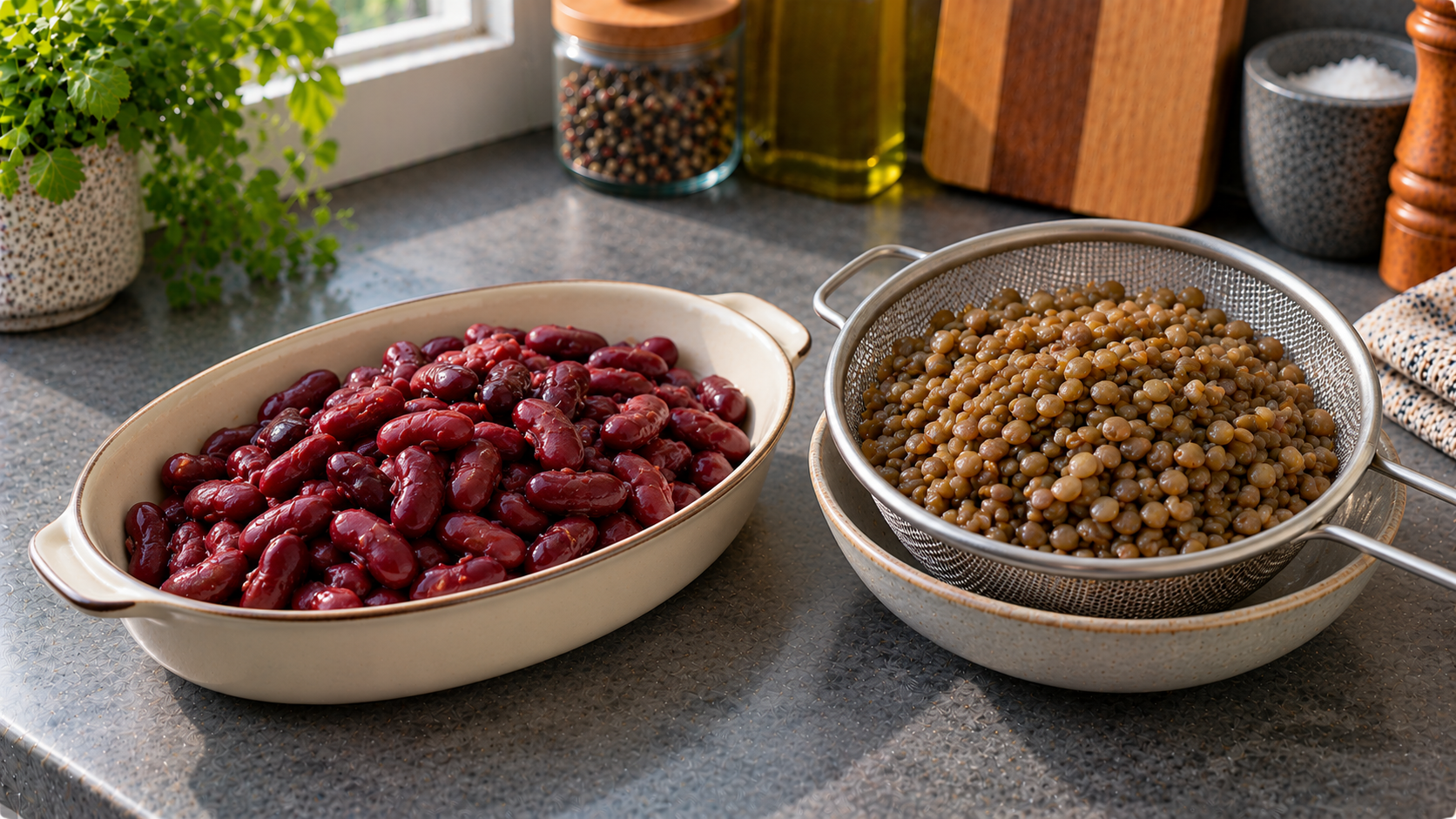
Beans and lentils are both legumes, but comparing them fairly requires specifying the bean variety and the preparation. Kidney beans, white beans and black beans are not nutri
Read article →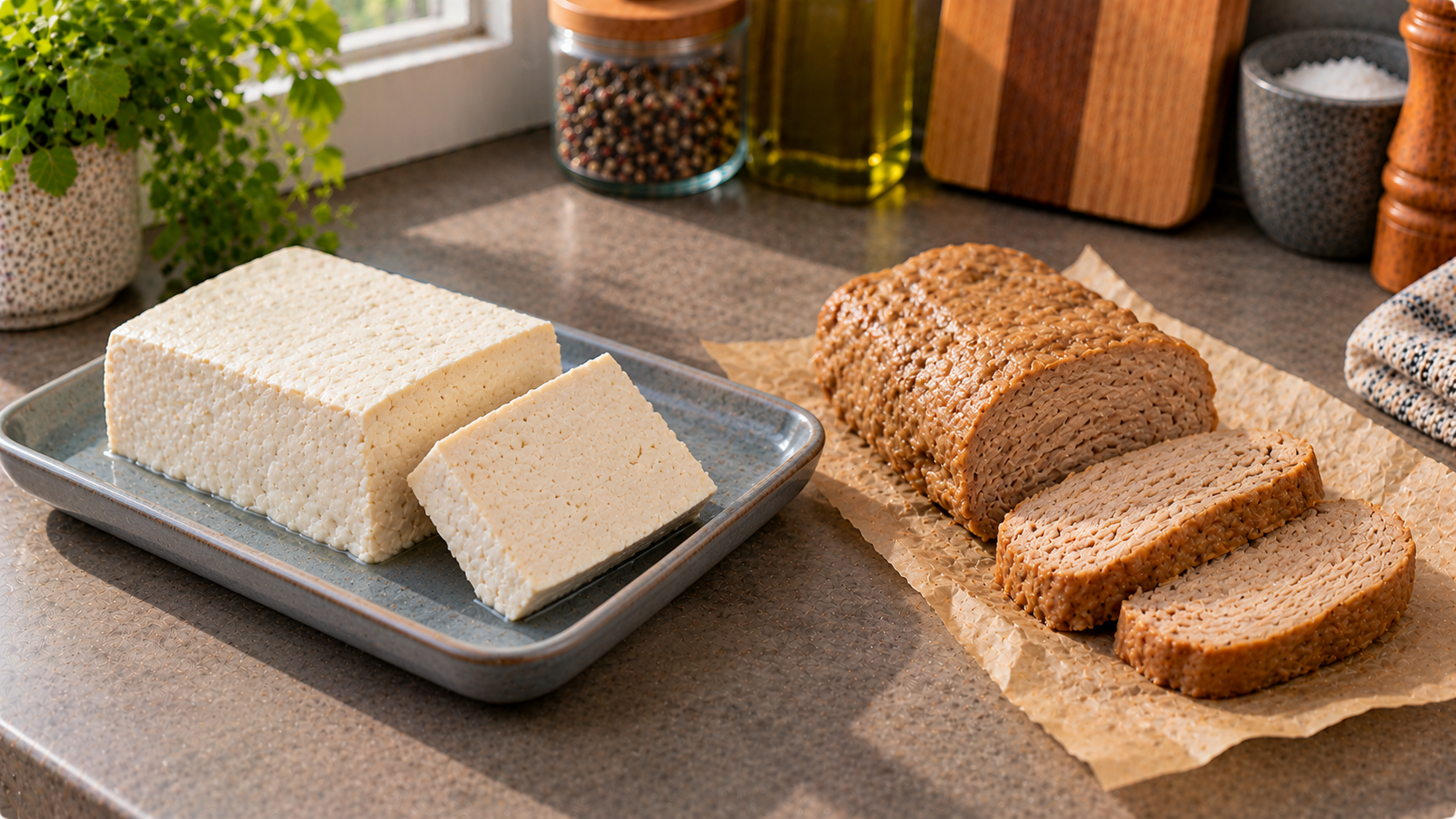
Tofu and seitan are both widely used as meat alternatives, but they come from different raw materials. Tofu is made from soybeans; seitan is principally prepared from wheat gl
Read article →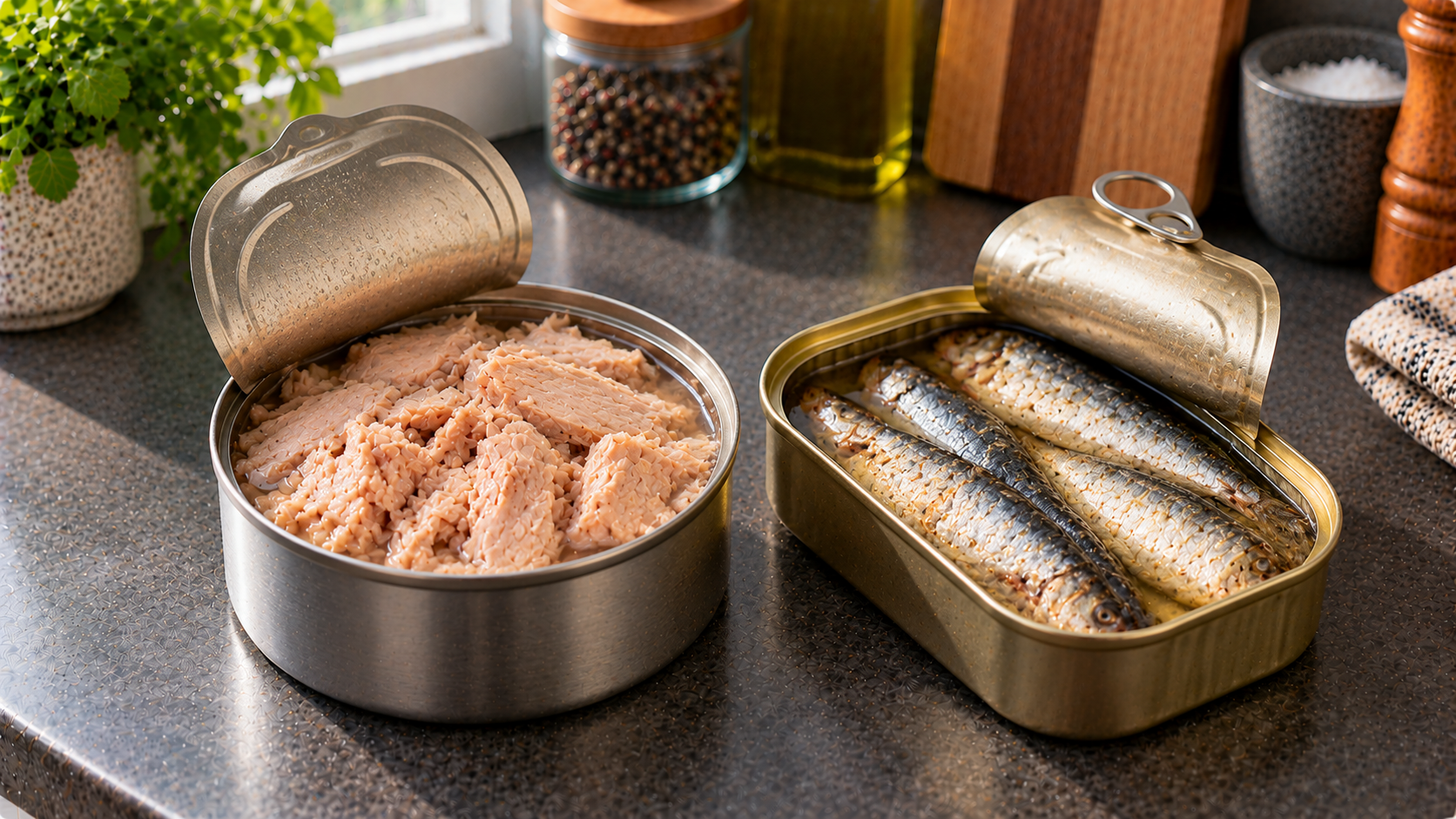
Canned tuna and canned sardines are practical sources of fish protein, but they should not be judged simply by the protein number on the front of a package. Tuna is sold in se
Read article →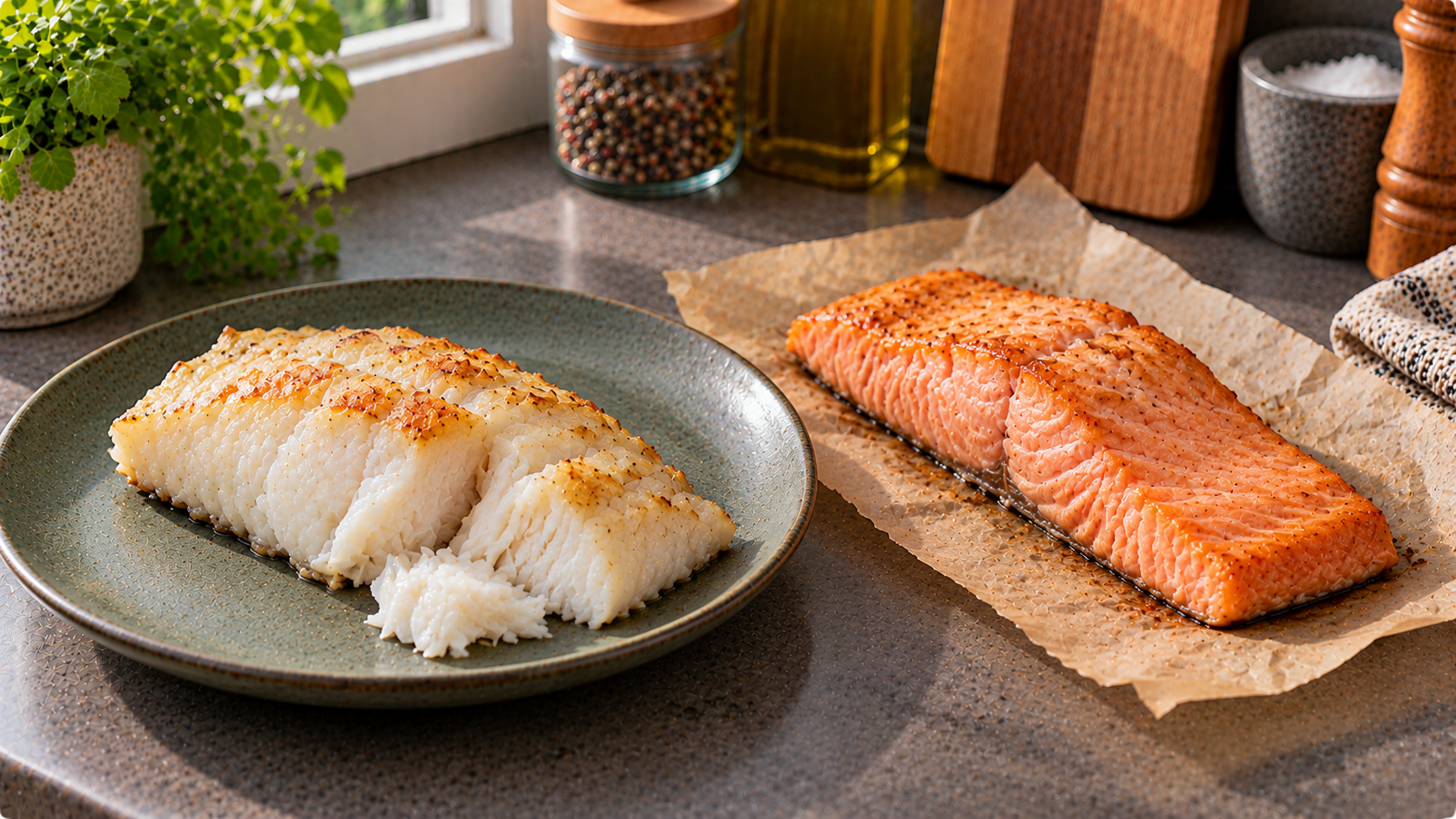
Cod and salmon are both valuable fish choices, but their principal difference is the fat content: cod is generally a lean white fish, while salmon is an oily fish. The fairest
Read article →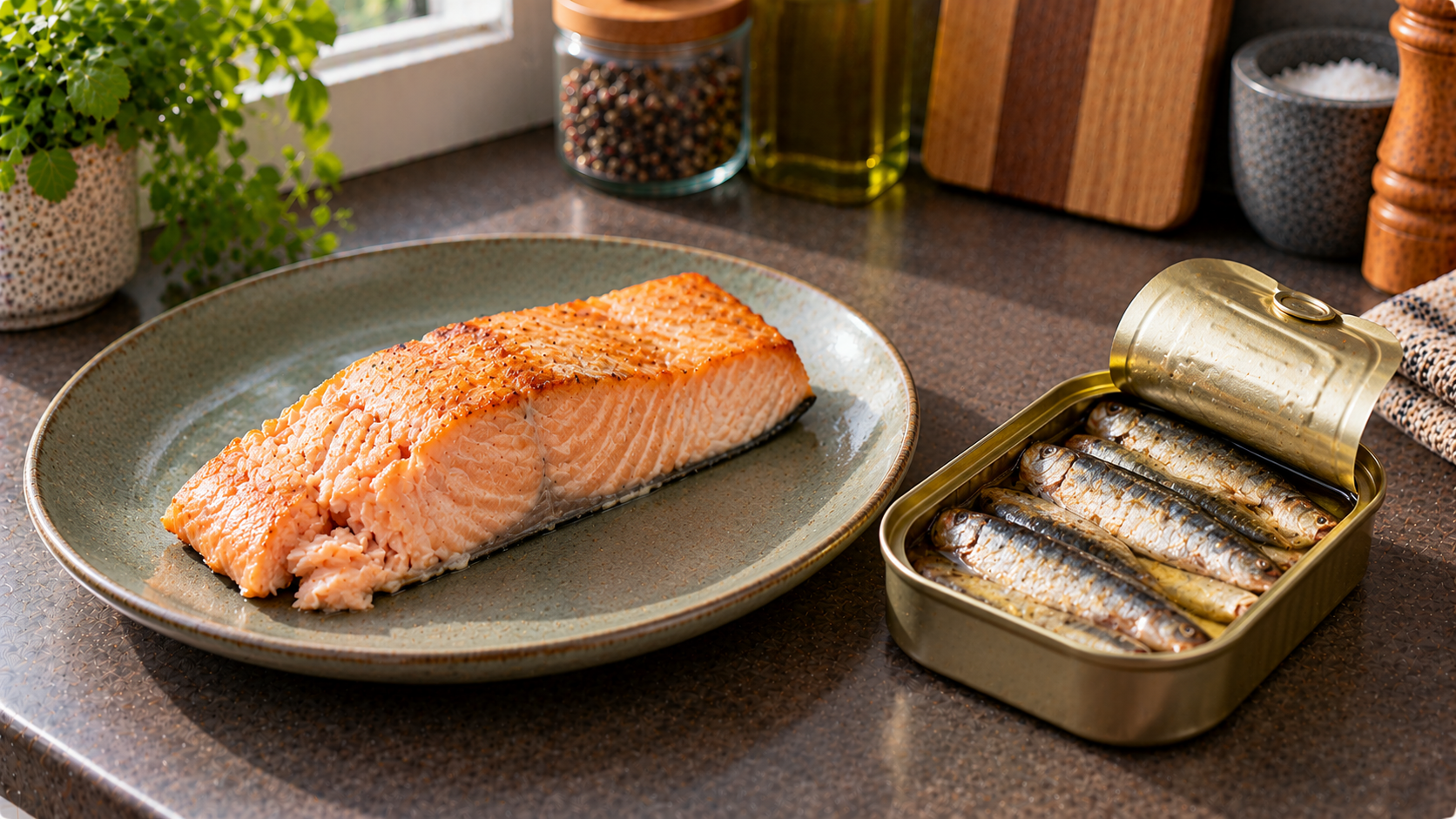
Salmon and sardines are both oily fish, but they differ in typical serving format. Salmon is commonly purchased as a fresh or frozen fillet; sardines are frequently sold canne
Read article →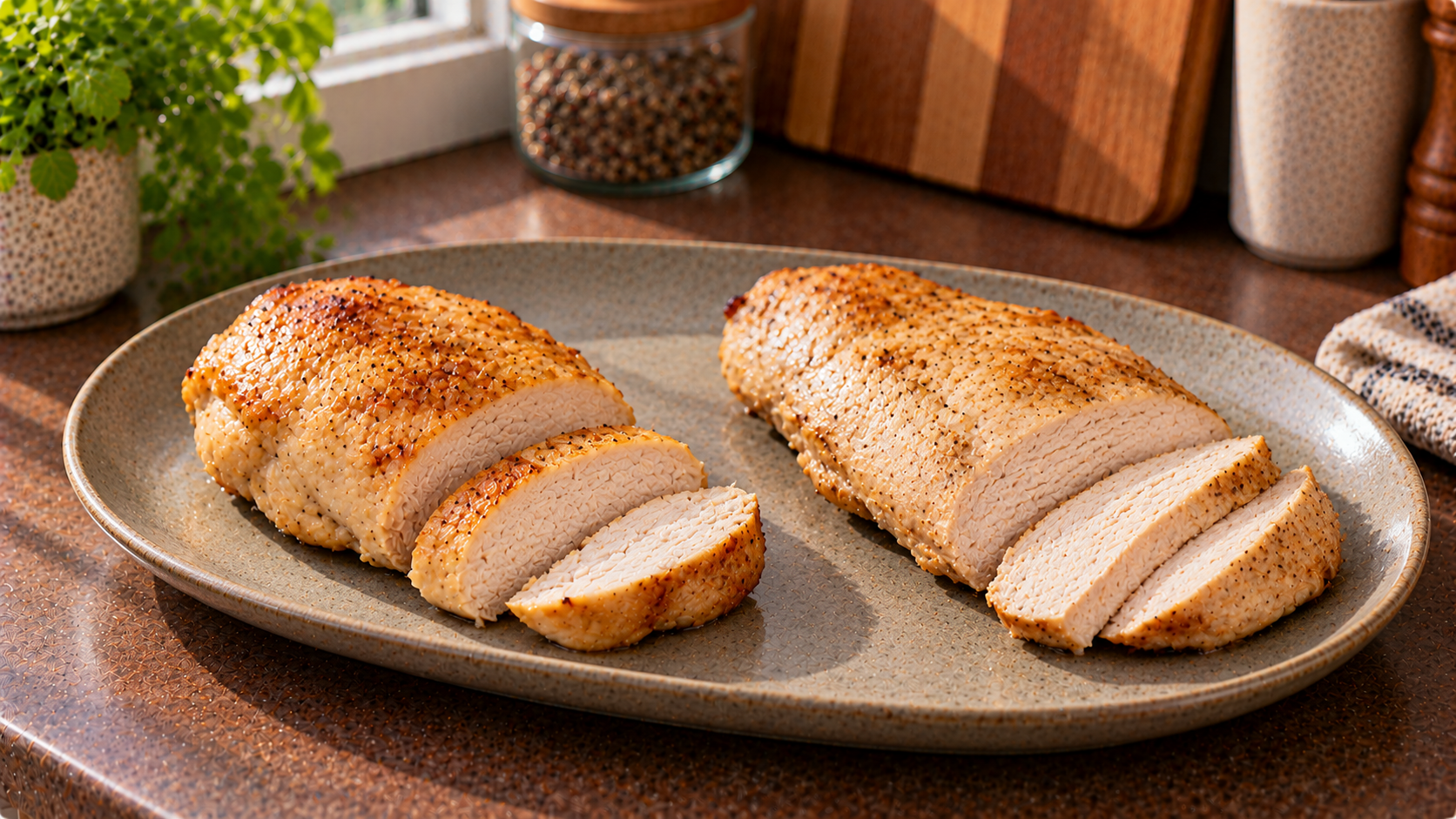
Chicken and turkey breast compared on matching preparation states and realistic portions.
Read article →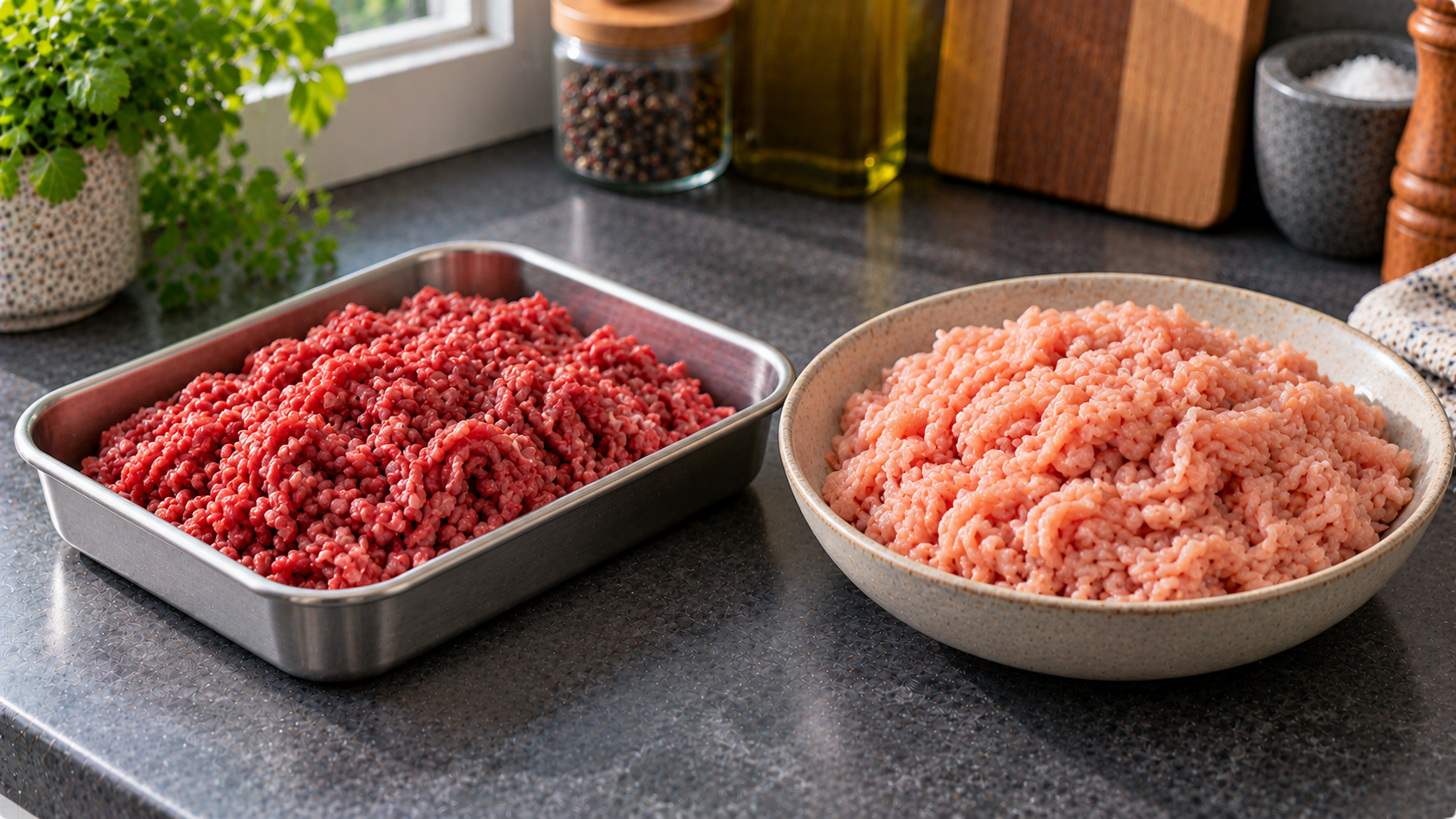
Why the declared fat percentage matters more than assuming all turkey mince is leaner than beef mince.
Read article →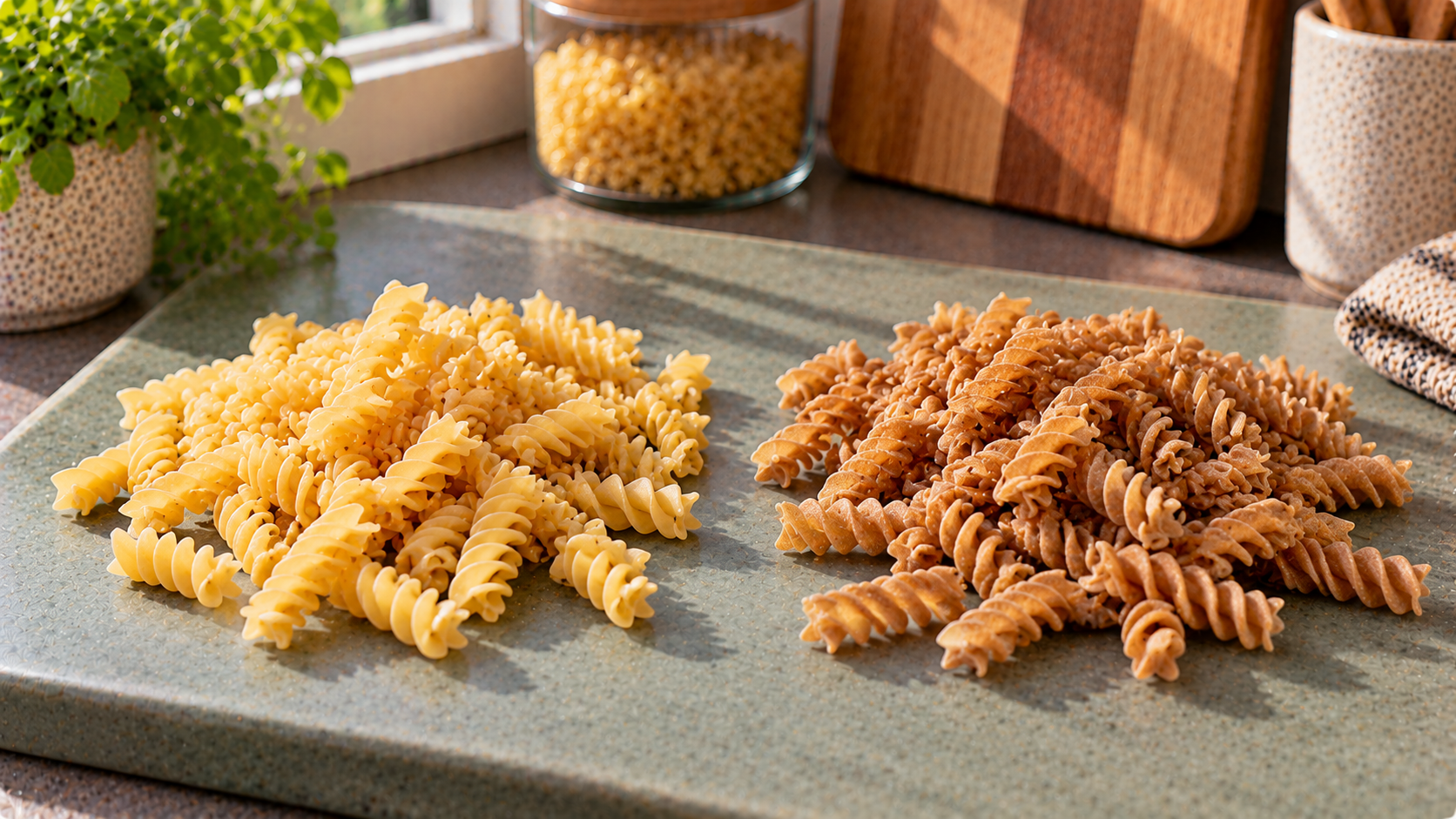
A practical comparison of refined and whole-wheat pasta that separates dry nutrition values from cooked portions.
Read article →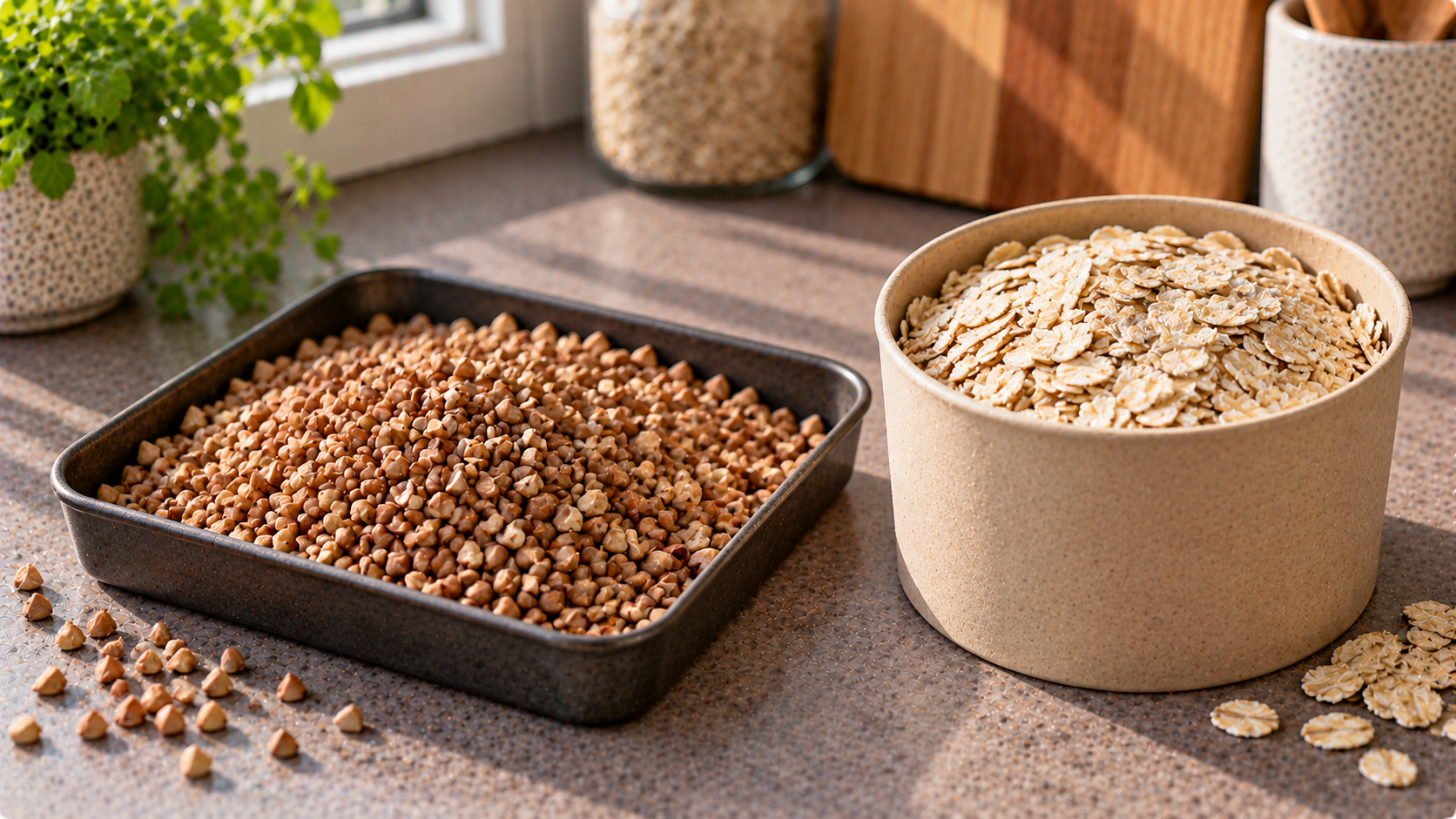
A practical comparison of buckwheat groats and oats for porridge, grain bowls and meal planning.
Read article →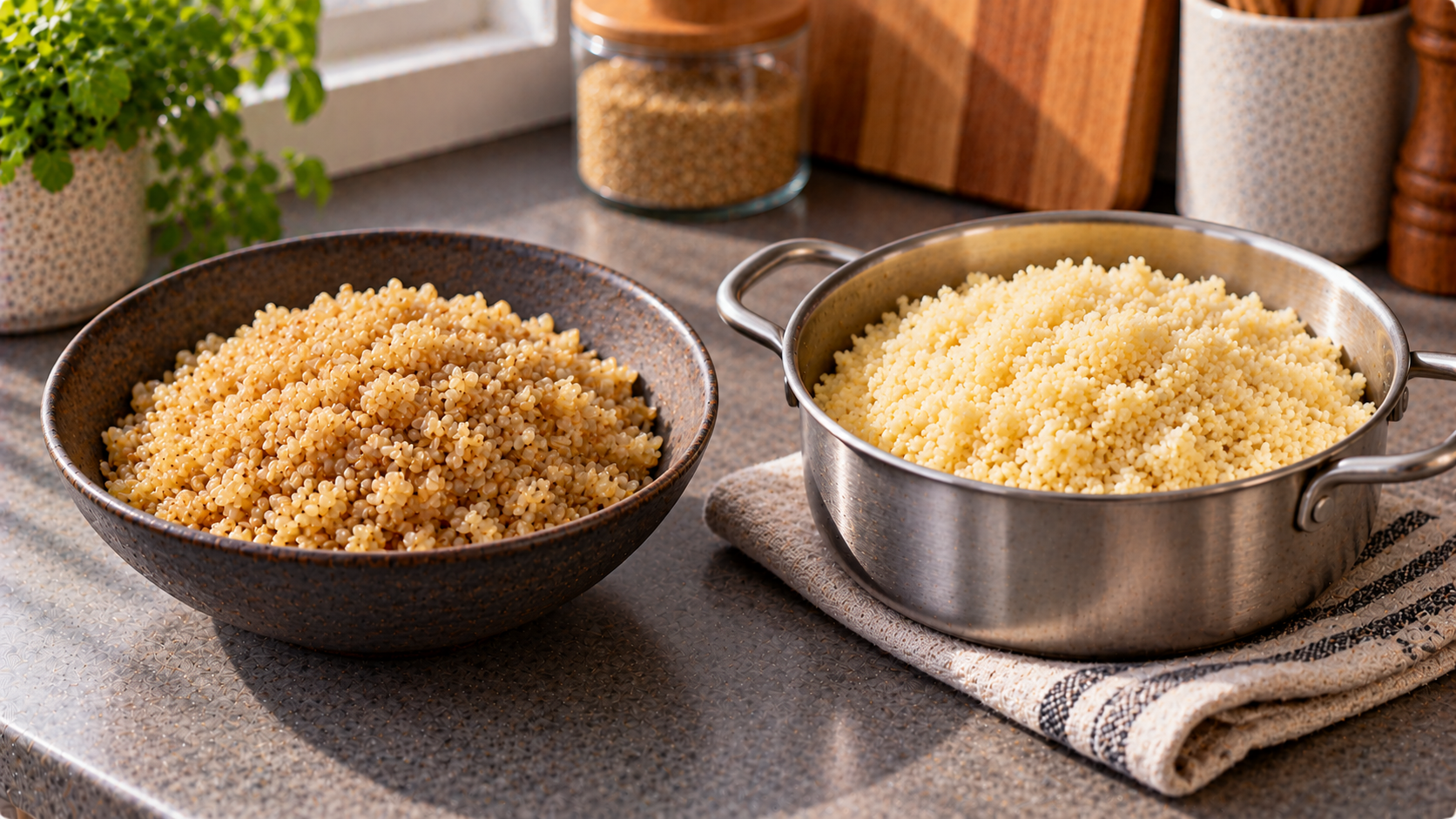
A practical comparison of bulgur wheat and couscous, including whole-grain differences and hydration.
Read article →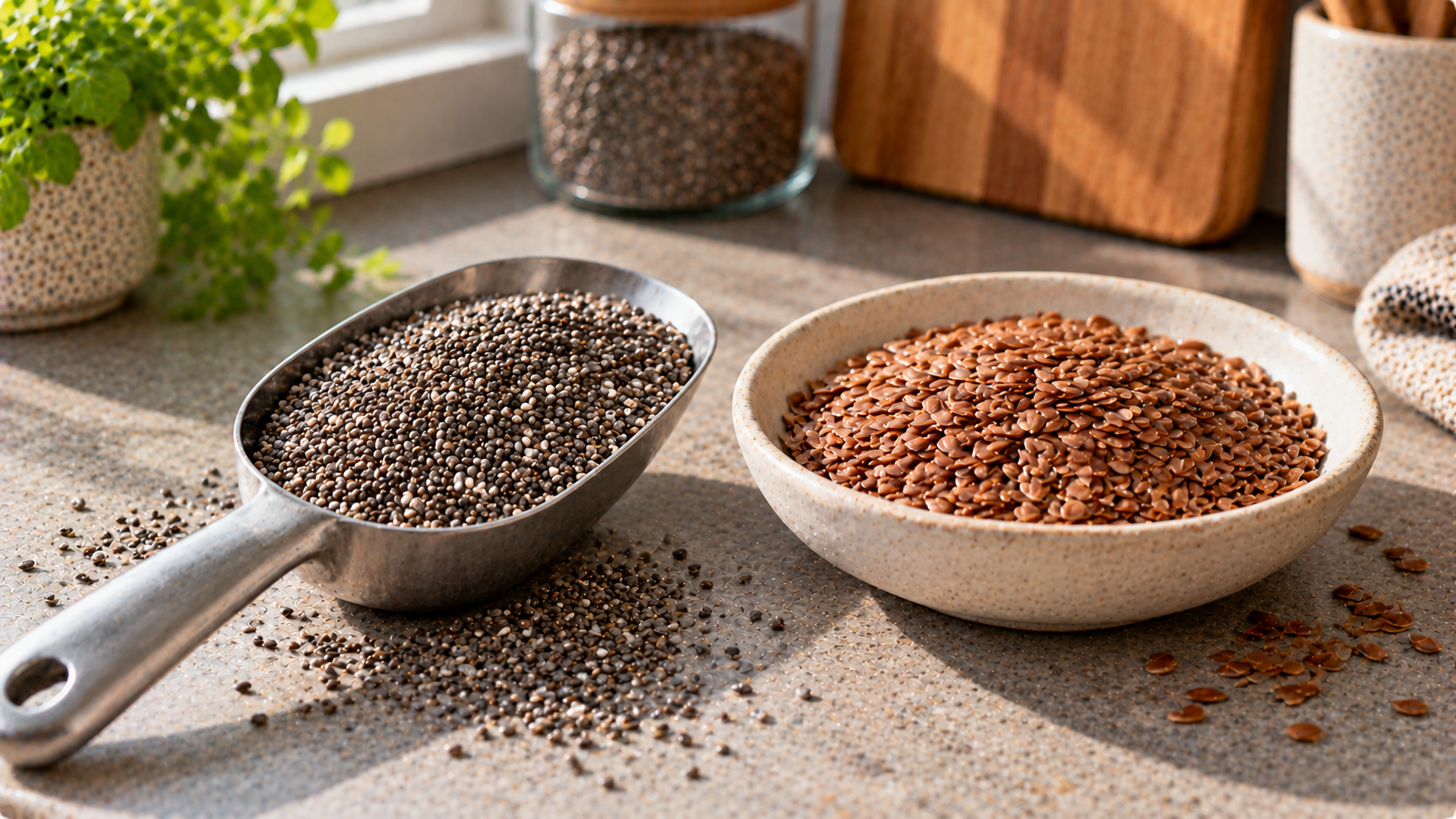
An evidence-based comparison of chia and flaxseed, emphasizing preparation and realistic serving sizes.
Read article →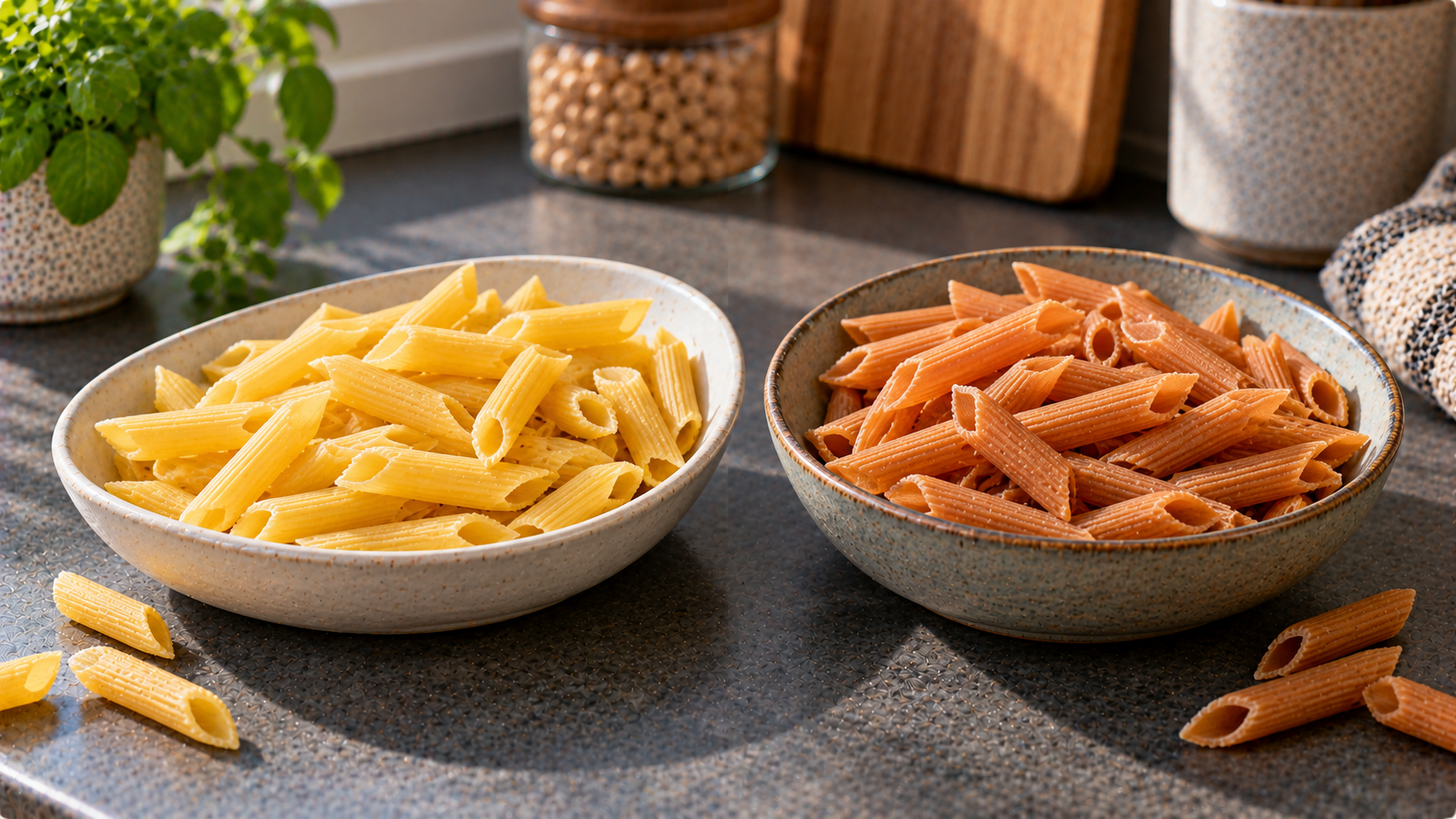
An evidence-informed comparison of protein-enriched and conventional pasta, including dry-to-cooked weight and shopping value.
Read article →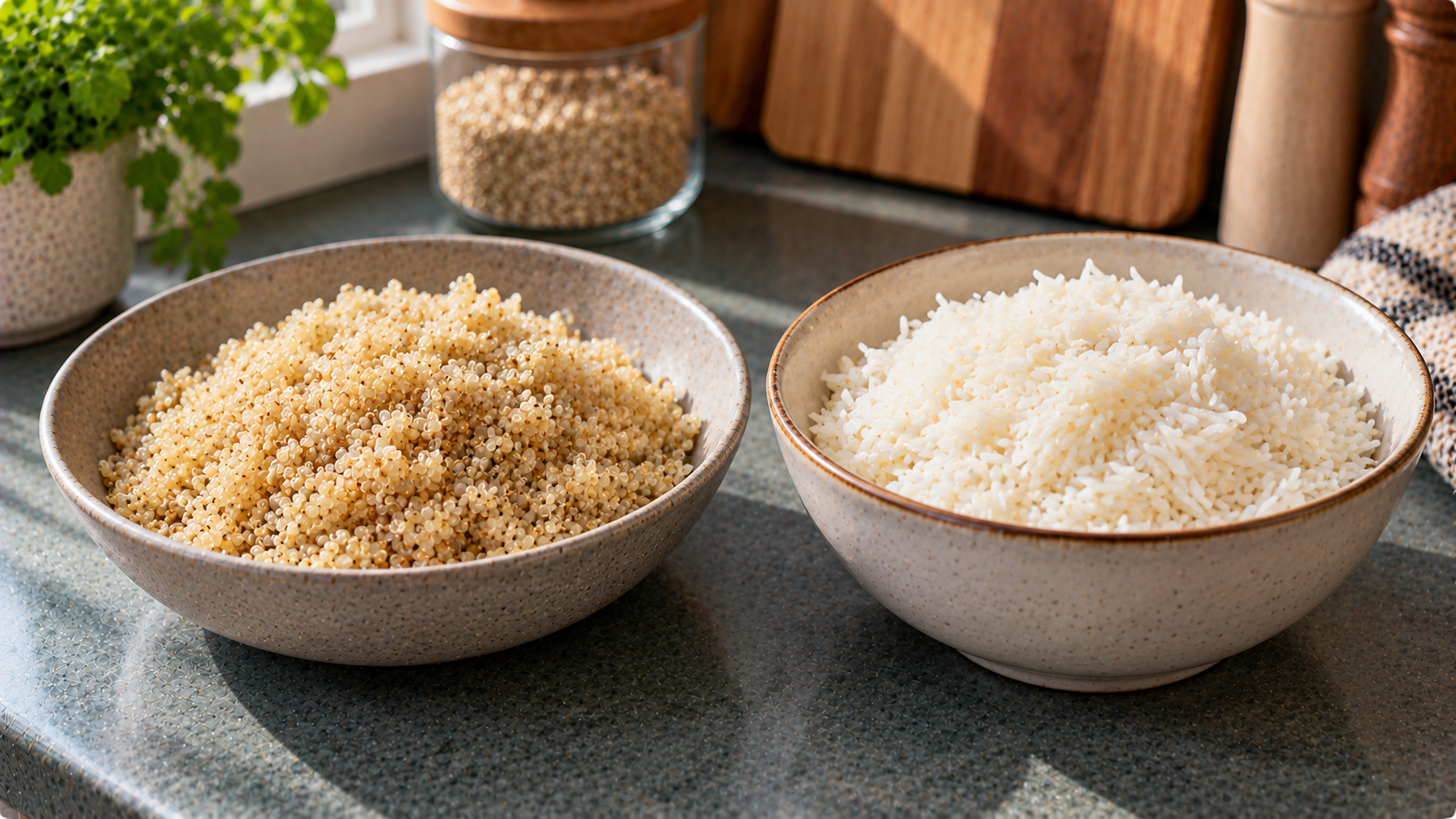
A practical comparison of quinoa with white and brown rice using equivalent cooked servings and clear preparation states.
Read article →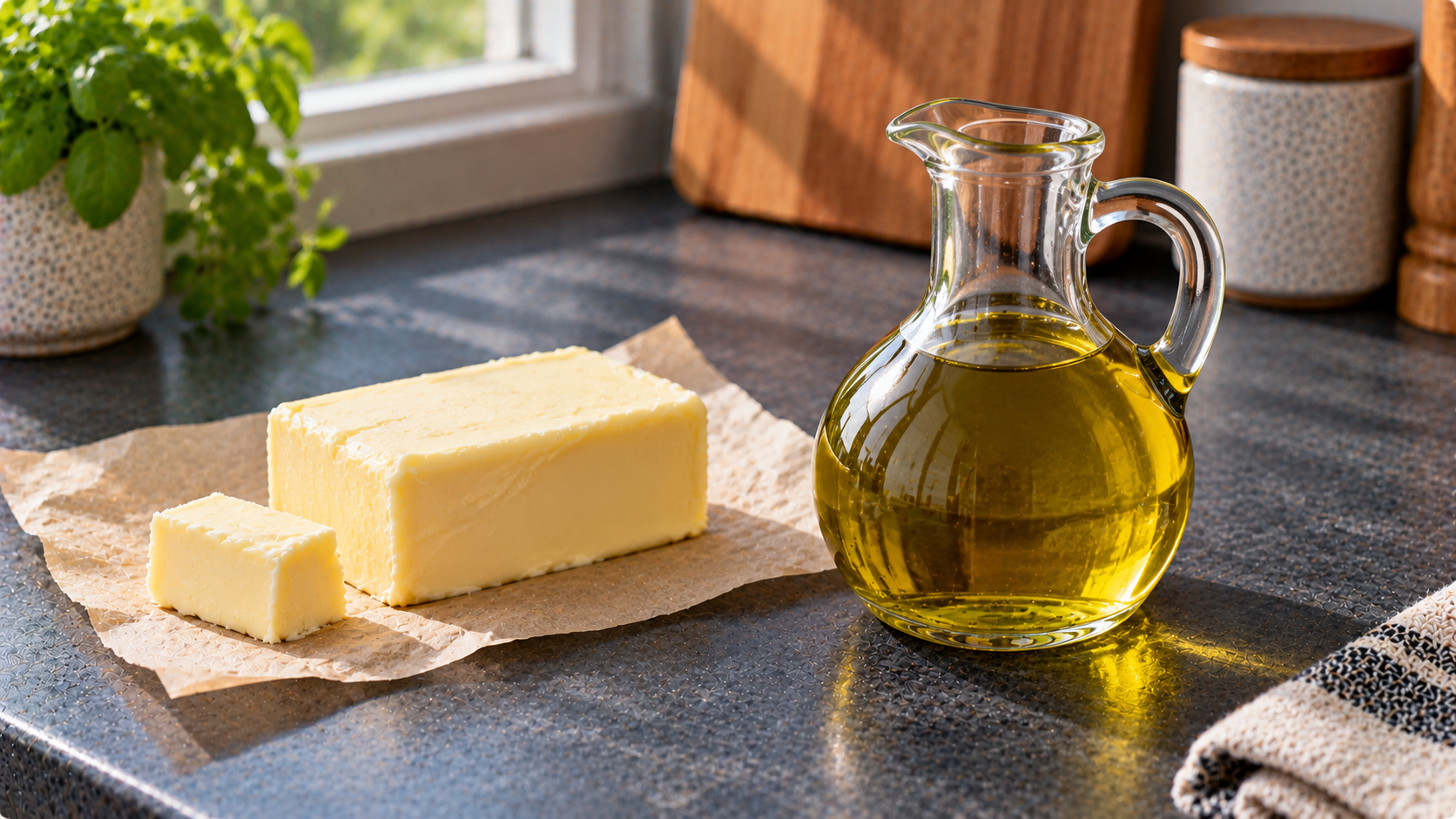
Butter and olive oil are commonly used for cooking, baking and finishing meals, but they are not nutritionally interchangeable. A useful comparison looks at the same weight of each fat, the
Read article →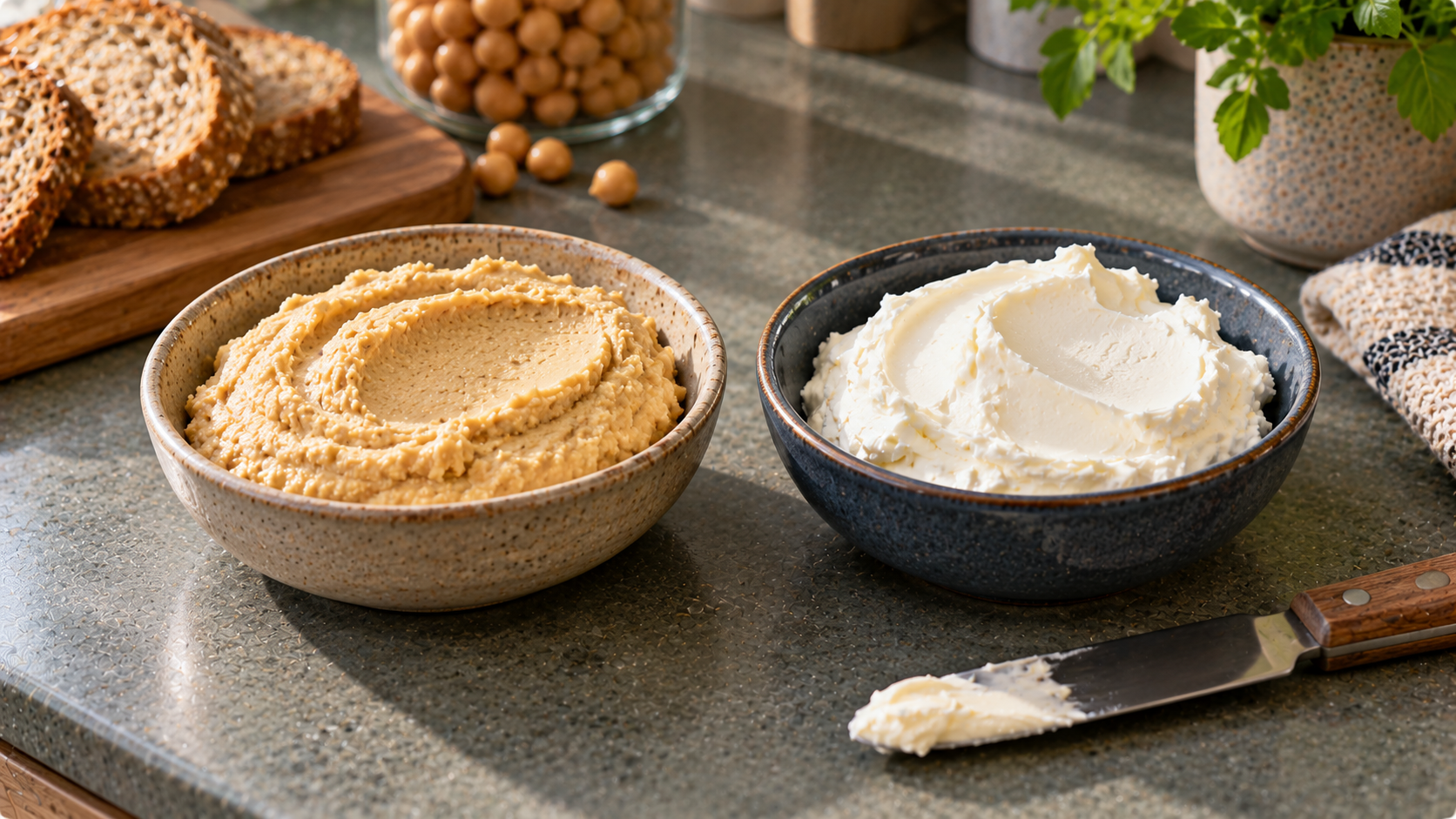
Hummus and cream cheese are often used for the same purpose: spreading on bread, crackers or wraps, or serving as a dip. They have different ingredients and nutritional strengths, so the fai
Read article →