
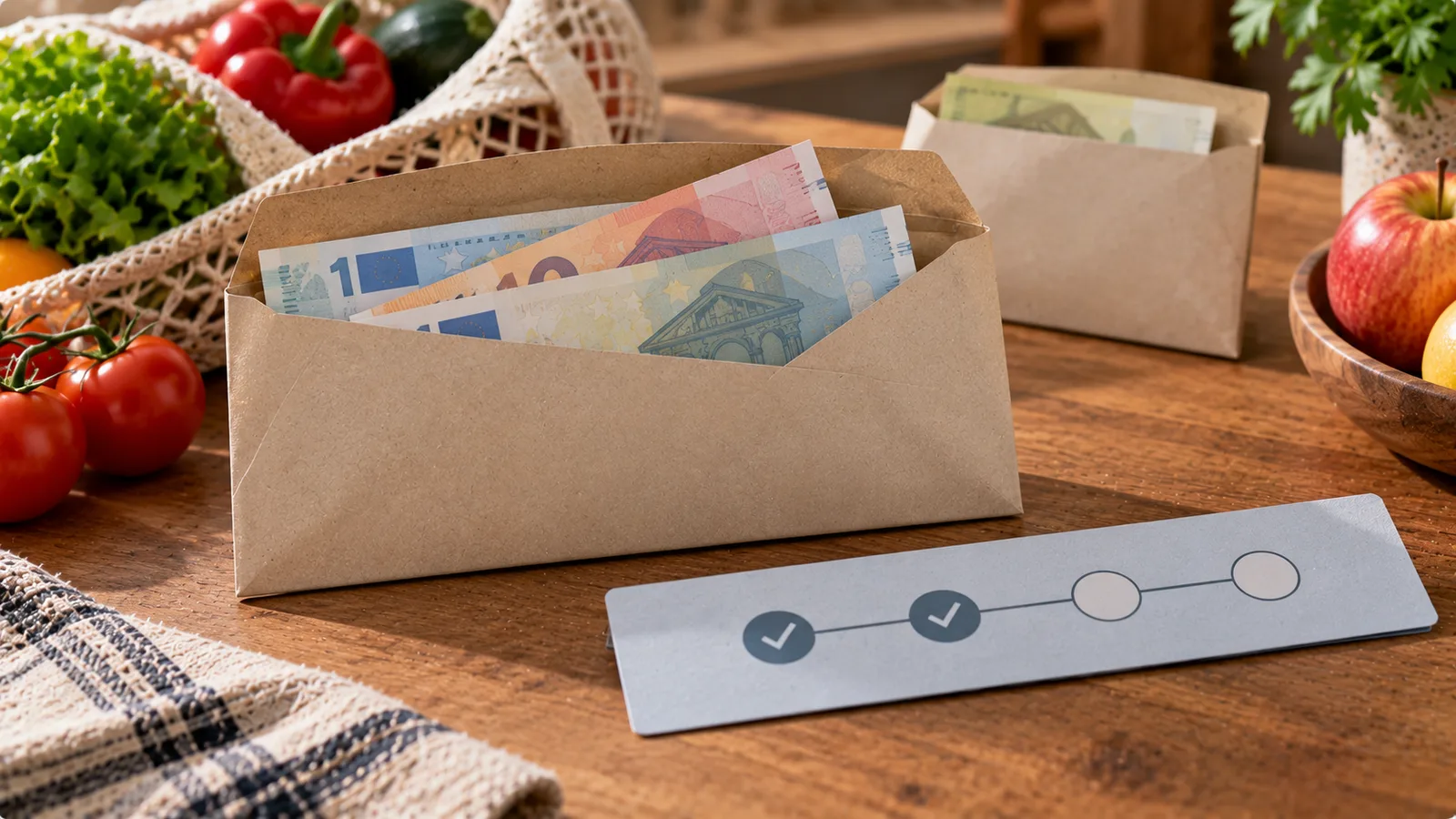
The Cash Envelope Method for Grocery Spending
Use a grocery cash envelope to turn a monthly food budget into a visible spending limit, manage weekly purchases and decide what to do with money left over.
Read article →Practical ways to plan meals, shop smarter and manage food spending.
Use a grocery cash envelope to turn a monthly food budget into a visible spending limit, manage weekly purchases and decide what to do with money left over.
Read article →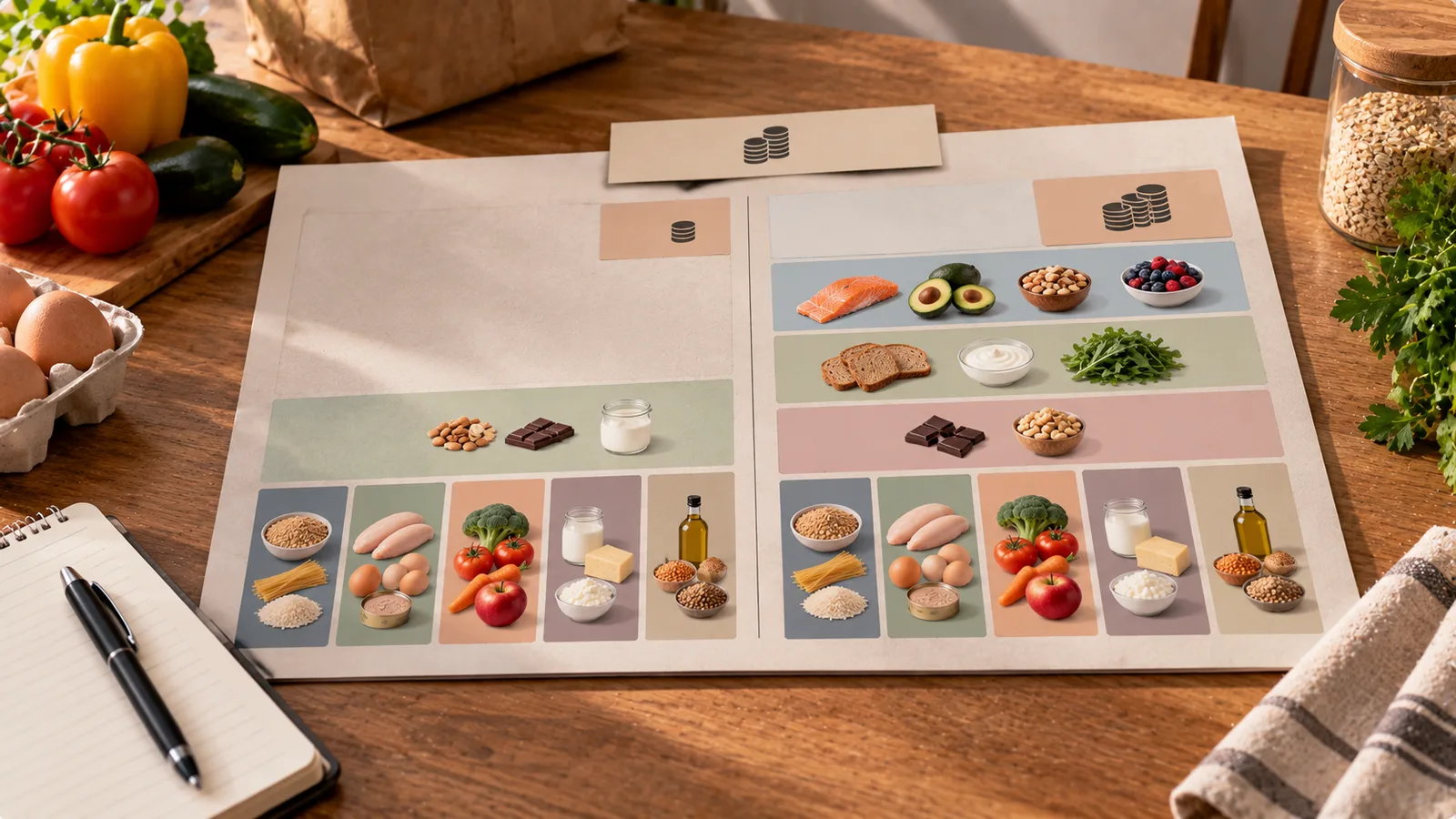
A practical way to build a grocery budget when your income changes from month to month, using an essential food baseline, flexible spending and a buffer.
Read article →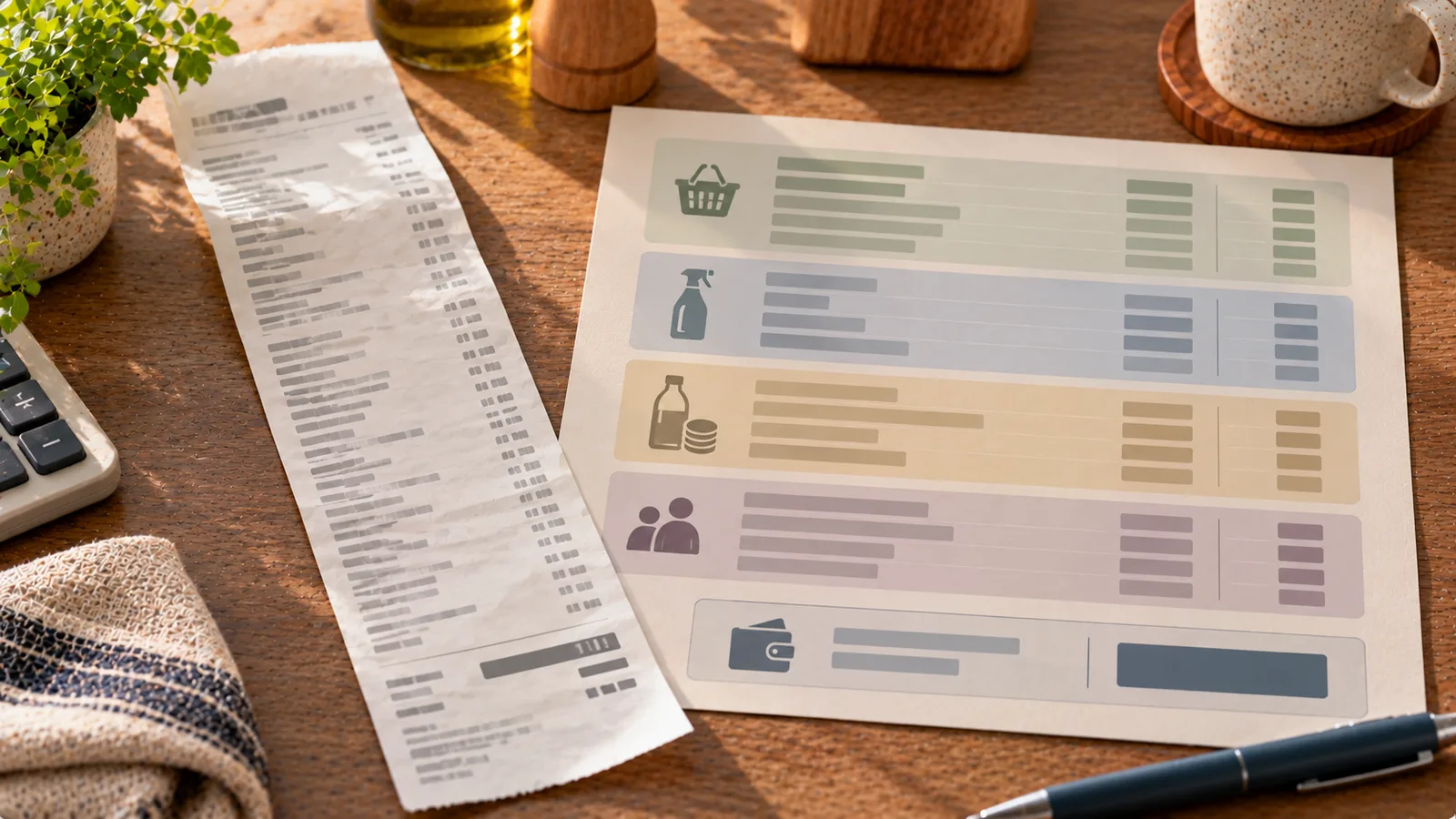
Turn mixed grocery receipts into accurate food spending by separating food, non-food items, deposits, refunds, discounts and shared purchases.
Read article →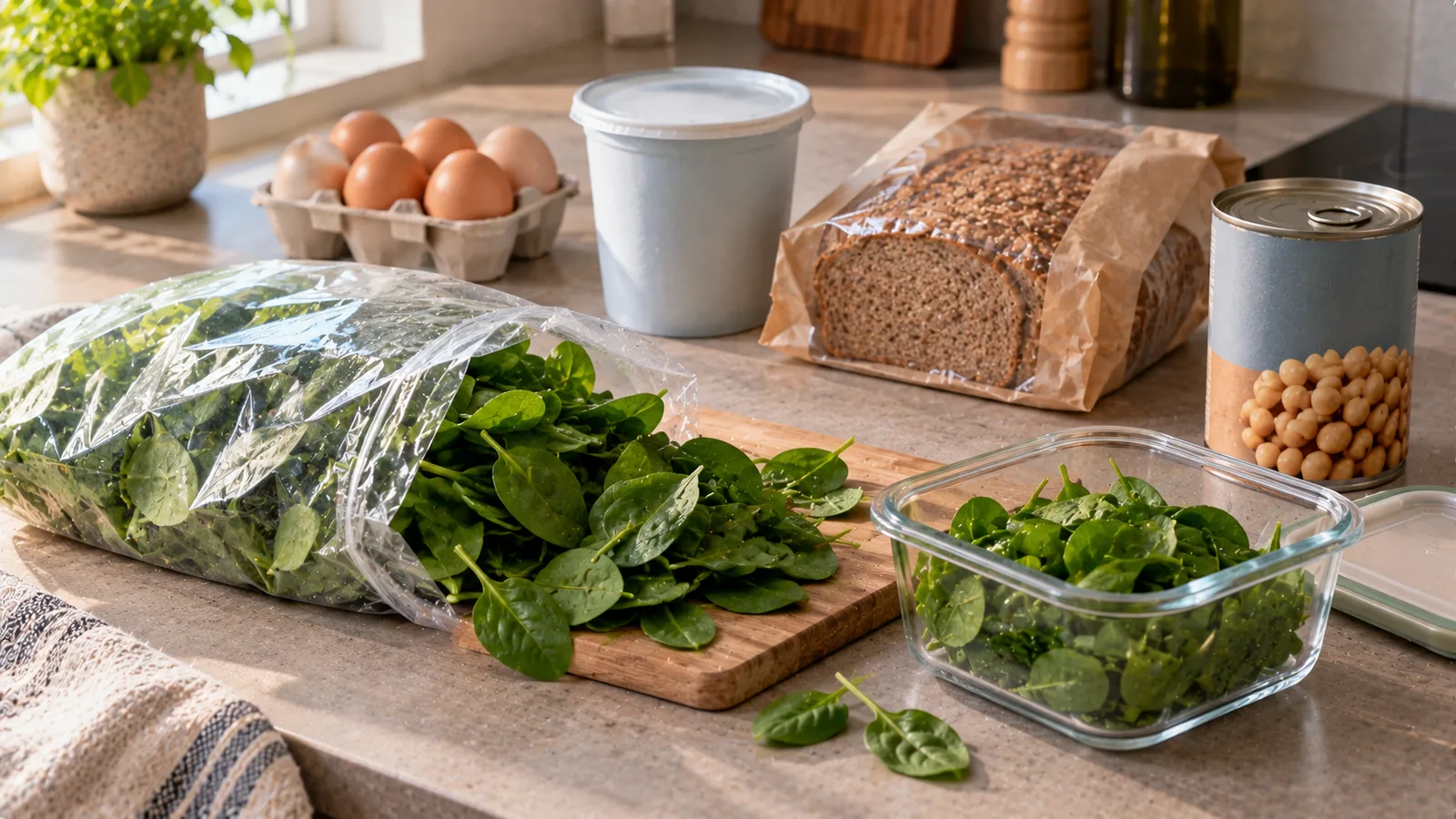
A practical grocery-shopping system for one person: choose useful pack sizes, plan leftovers before buying, compare real cost per portion and reduce food waste without eating the same meal all week.
Read article →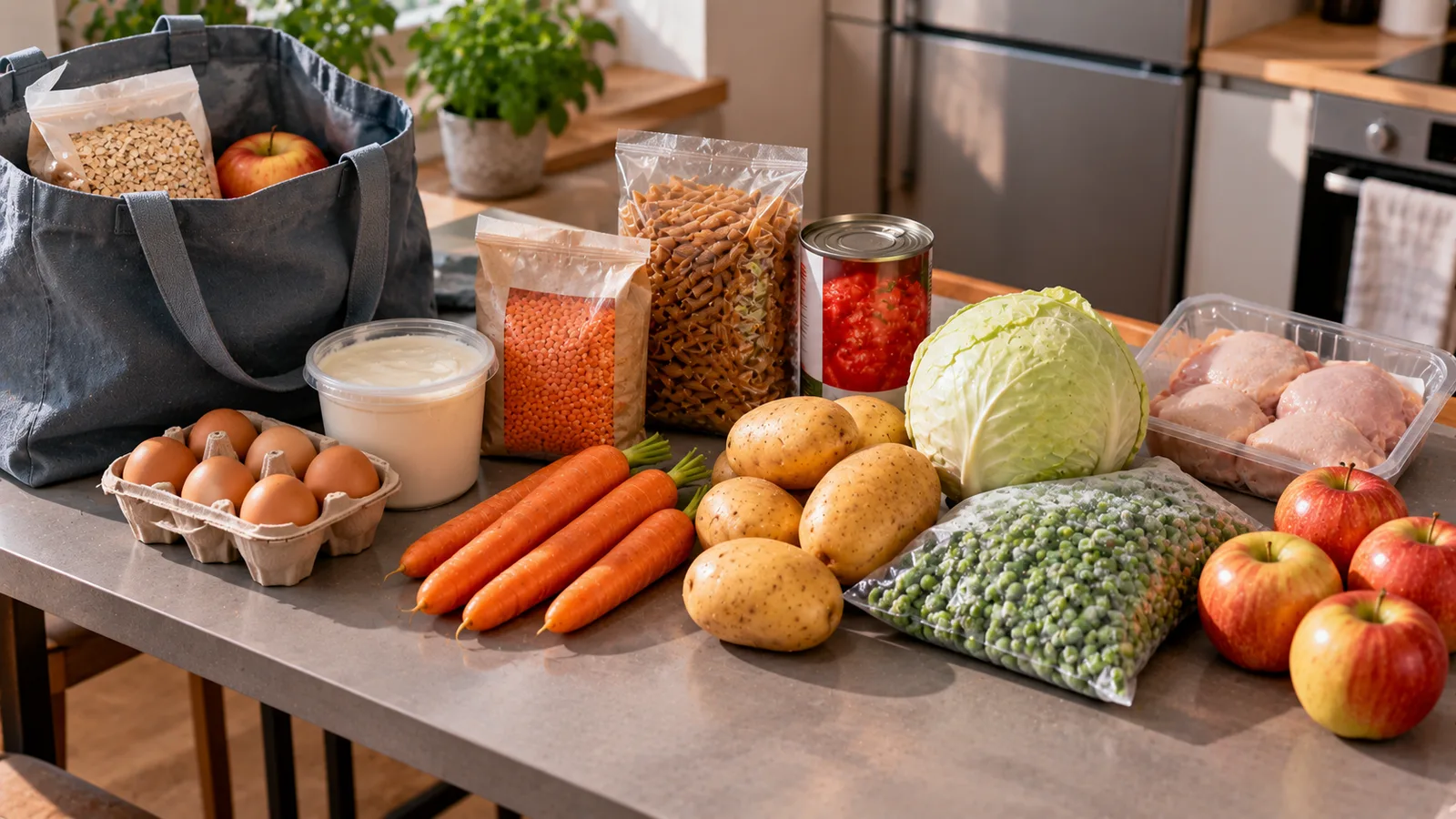
A practical seven-day meal plan for one adult built around a €40 grocery target, with a complete shopping list, ingredient quantities, simple recipes and a plan for using leftovers.
Read article →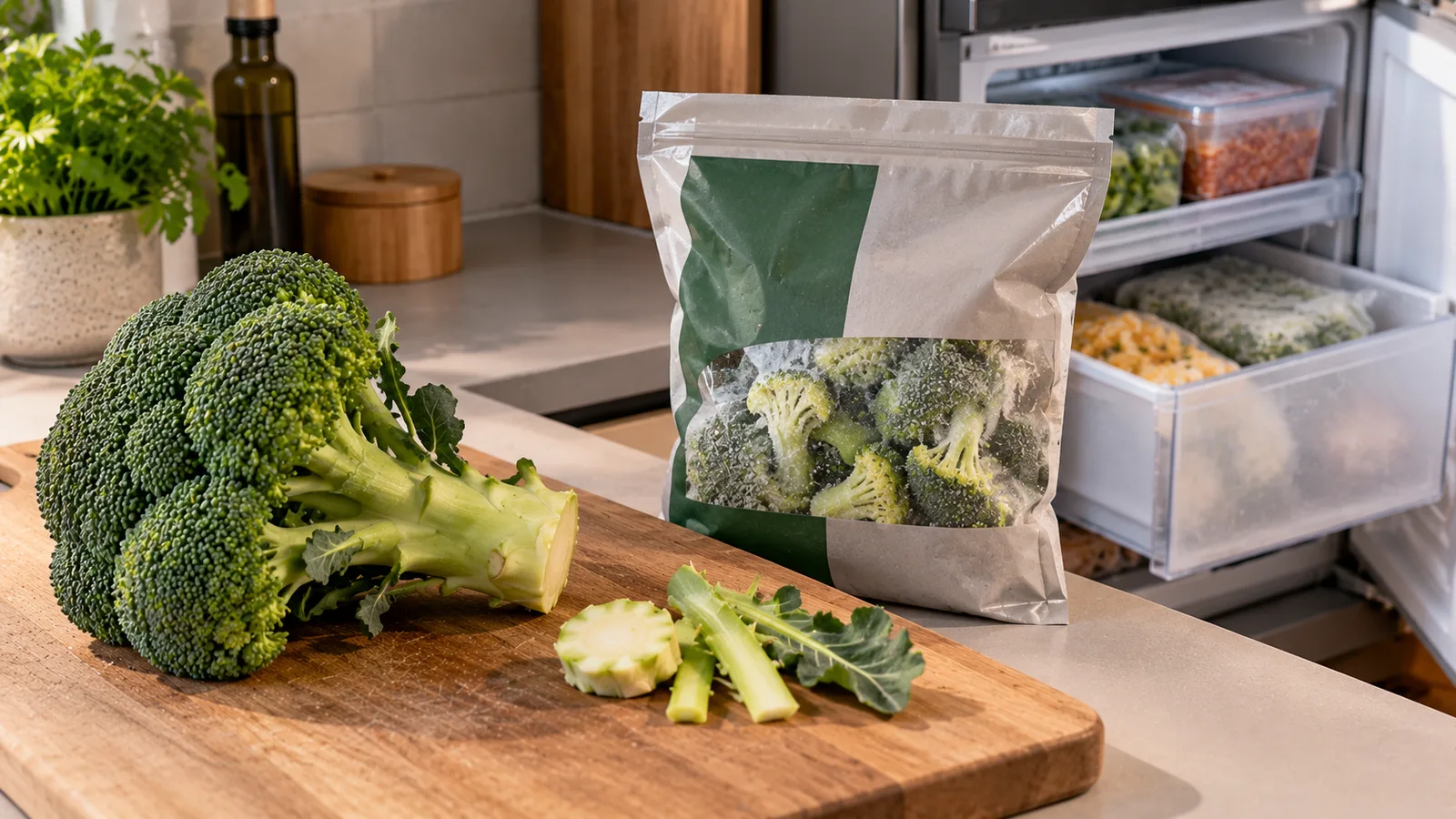
Compare fresh and frozen food by the amount you can actually eat, not just the shelf price. Learn how waste, edible yield, pack size and freezer space change the real cost.
Read article →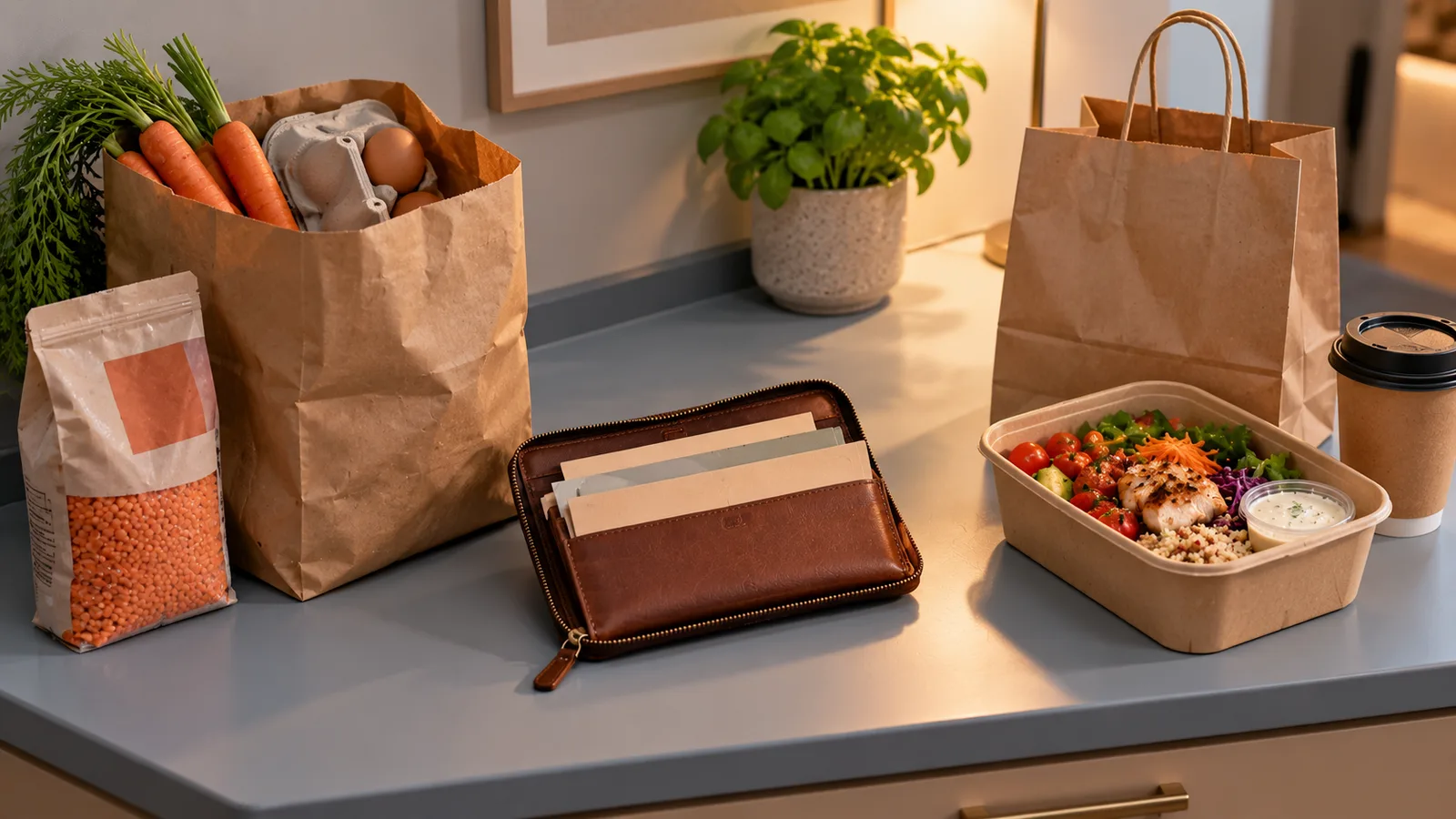
Build one realistic food budget that covers groceries and eating out, with flexible category limits, rollover rules and a practical monthly example.
Read article →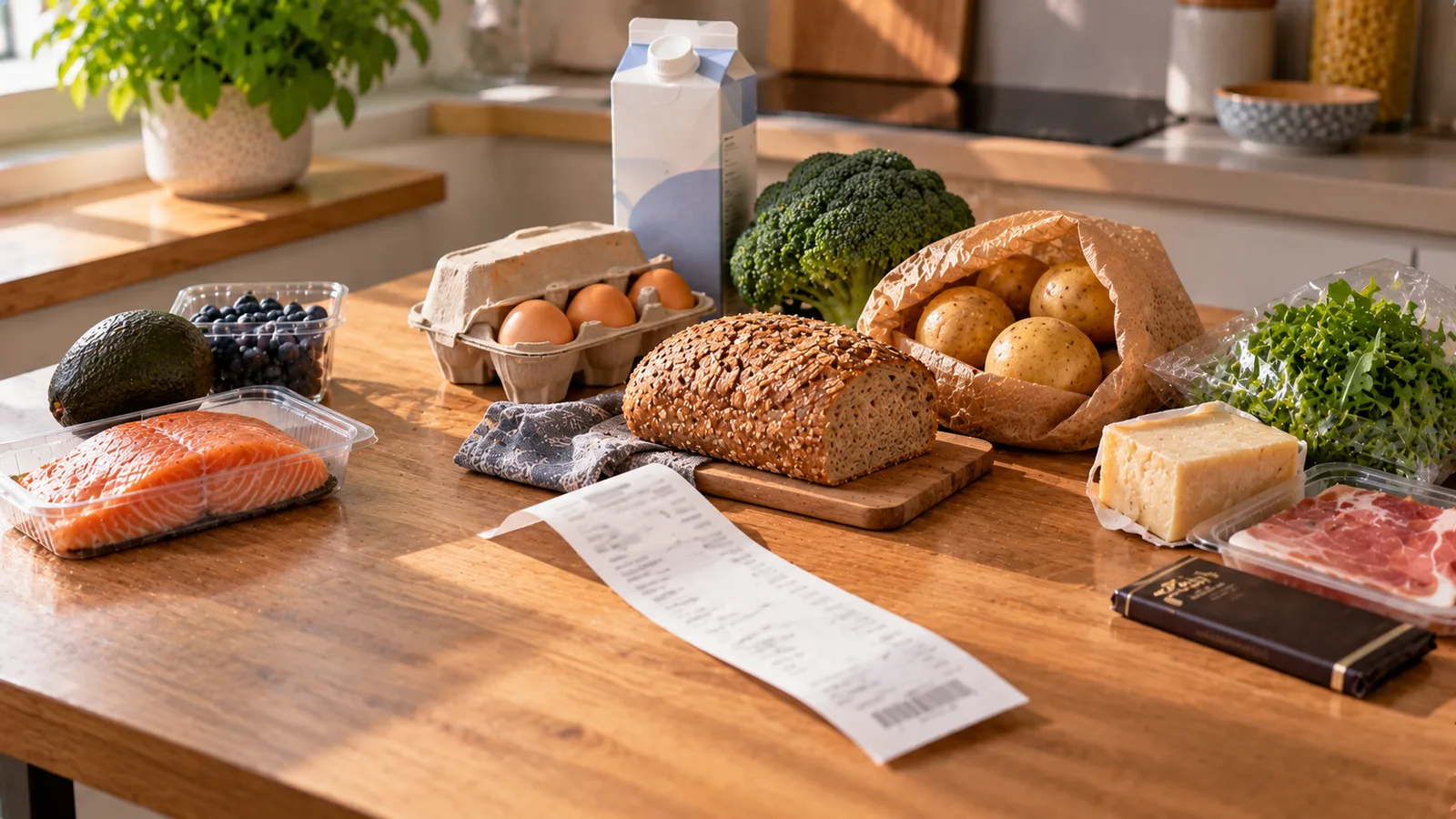
A practical system for splitting grocery costs between housemates when some food is shared, some is personal and people do not consume equal amounts.
Read article →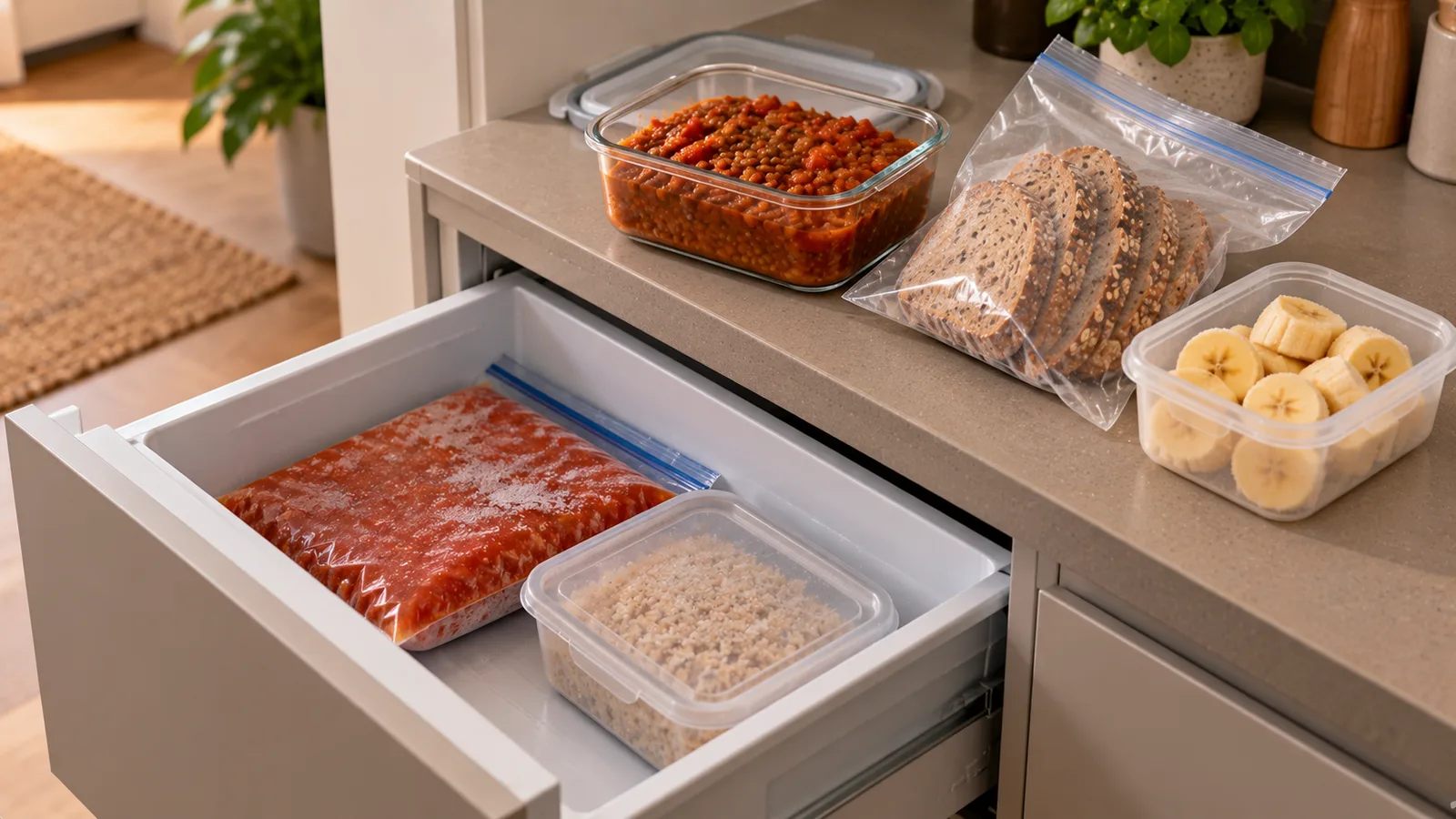
A practical guide to freezing food before it goes to waste, choosing useful portions, labeling what you freeze and turning the freezer into a tool for lowering food costs.
Read article →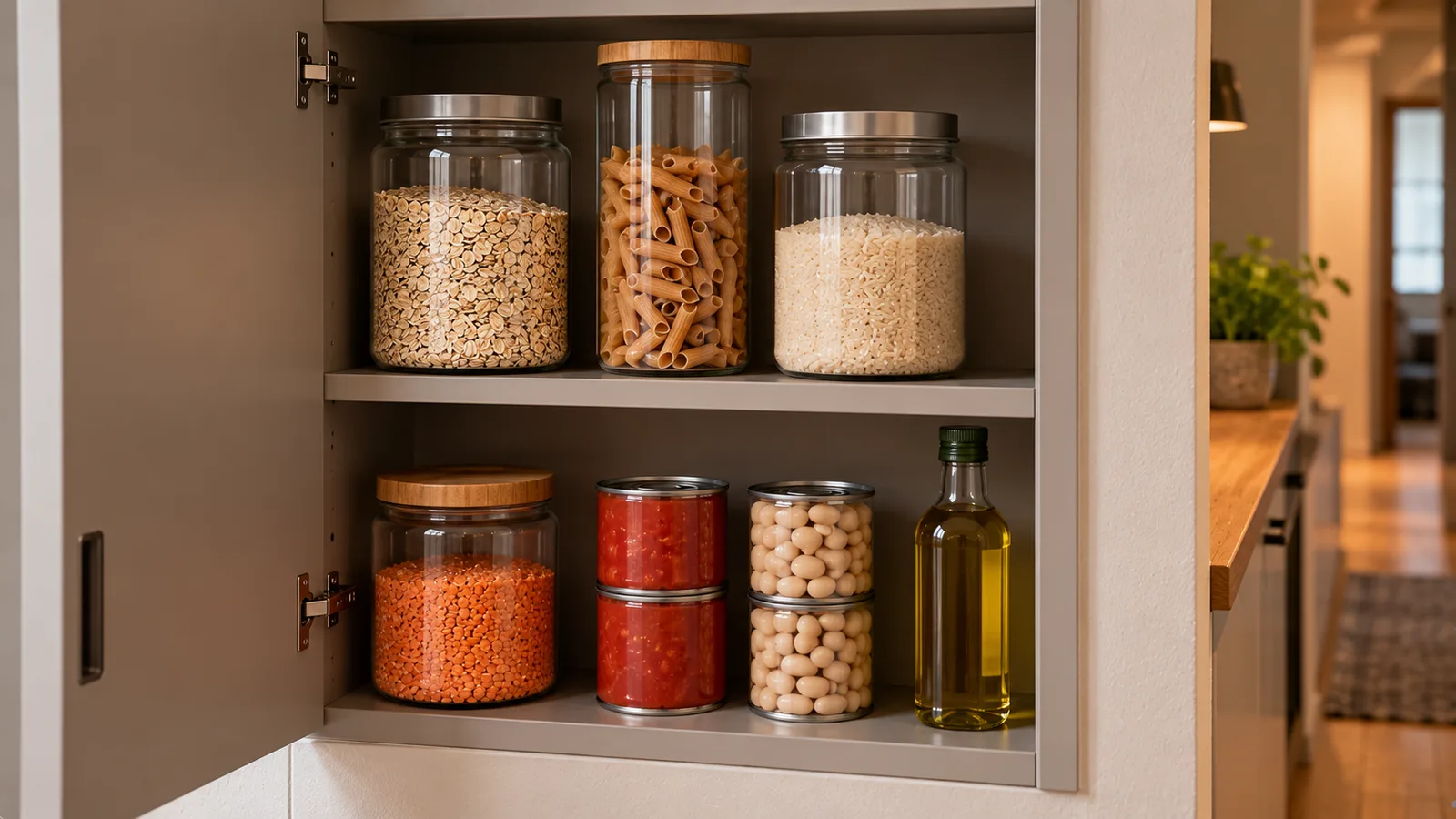
A practical guide to choosing and using affordable pantry staples so you can build flexible meals, reduce emergency grocery trips and lower food costs.
Read article →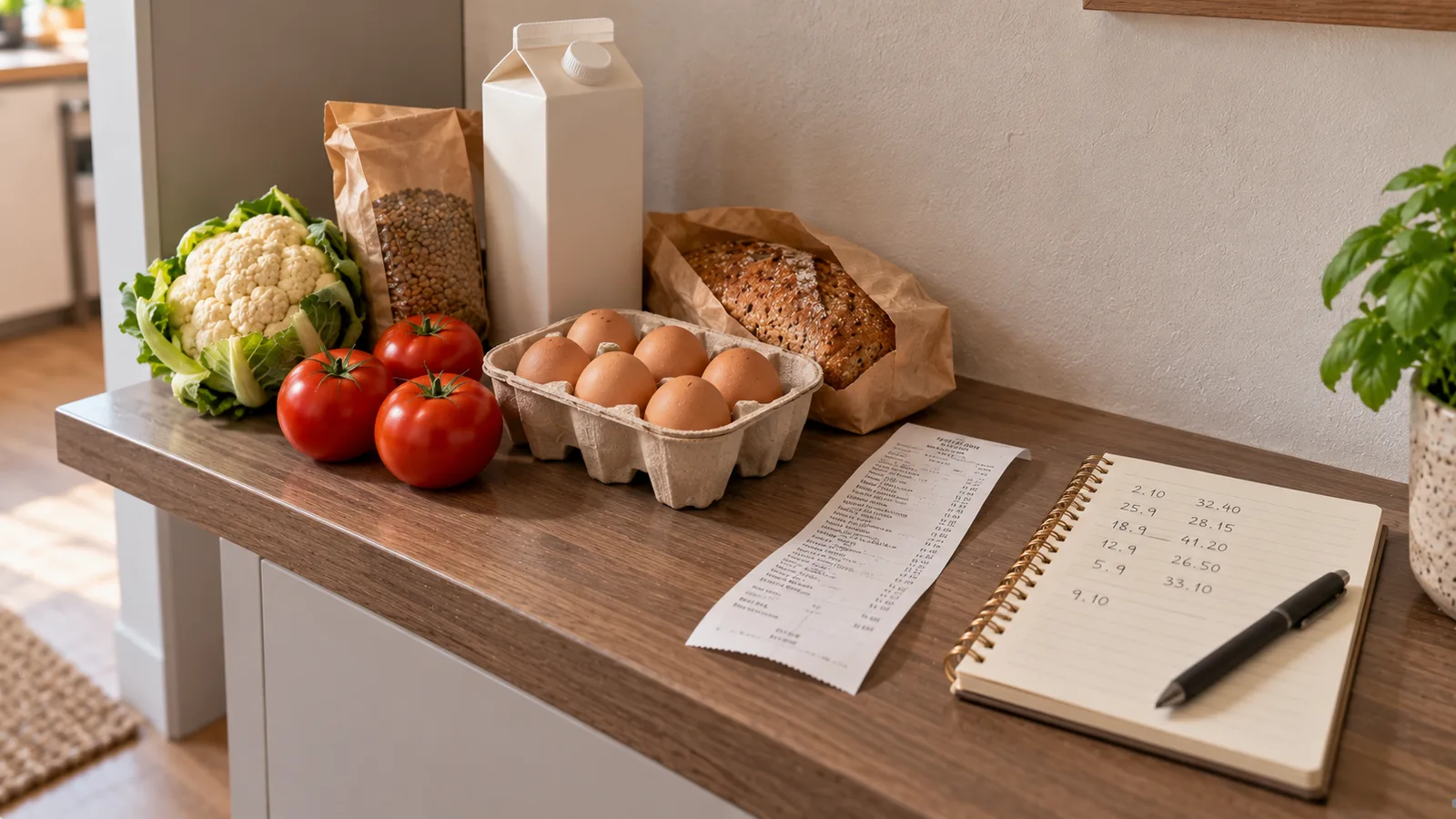
A practical system for tracking grocery spending, understanding where your food budget goes and using the data to make better shopping decisions.
Read article →
Large packs often have a lower unit price, but they only save money if you actually use what you buy. Learn how to compare pack sizes, waste risk and real cost.
Read article →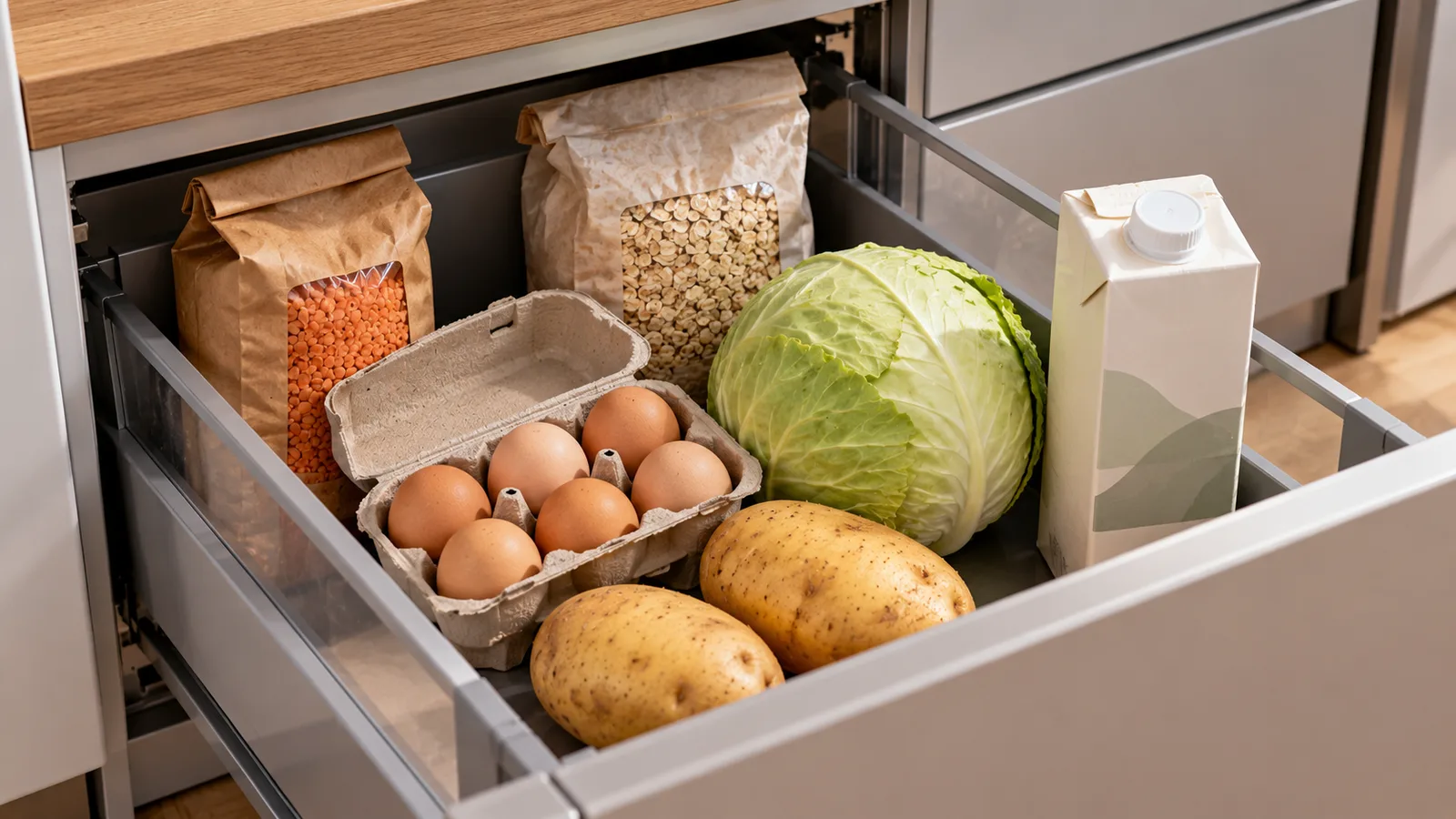
Discover practical budget-friendly foods across protein, grains, vegetables, fruit and dairy, plus simple ways to compare value without sacrificing variety.
Read article →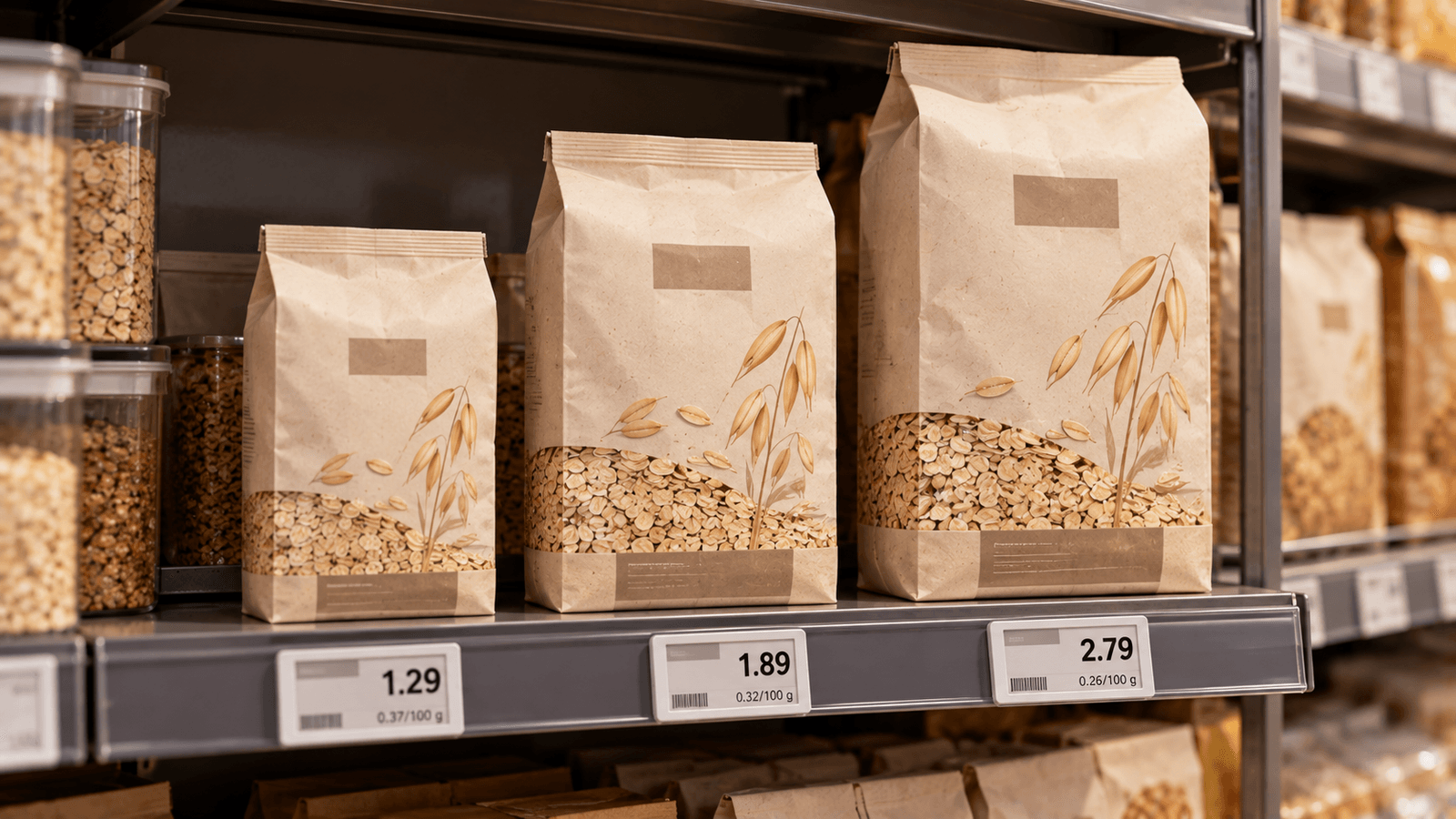
Learn how to compare grocery prices by unit when packages have different sizes, weights or volumes, with practical examples for price per kilogram, 100 g, litre and item.
Read article →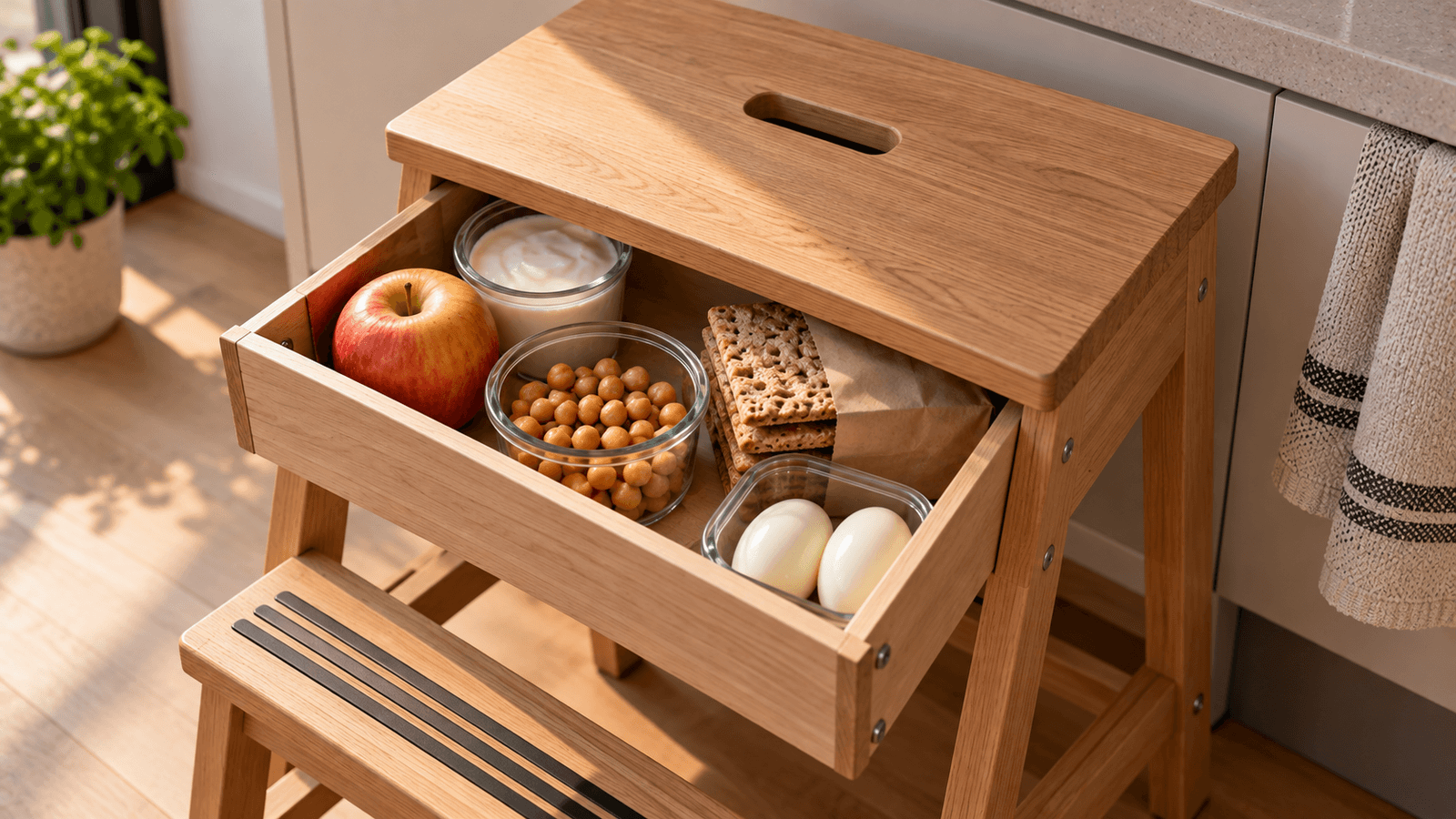
Affordable snack ideas built from simple supermarket staples, with practical ways to compare cost, portions and convenience.
Read article →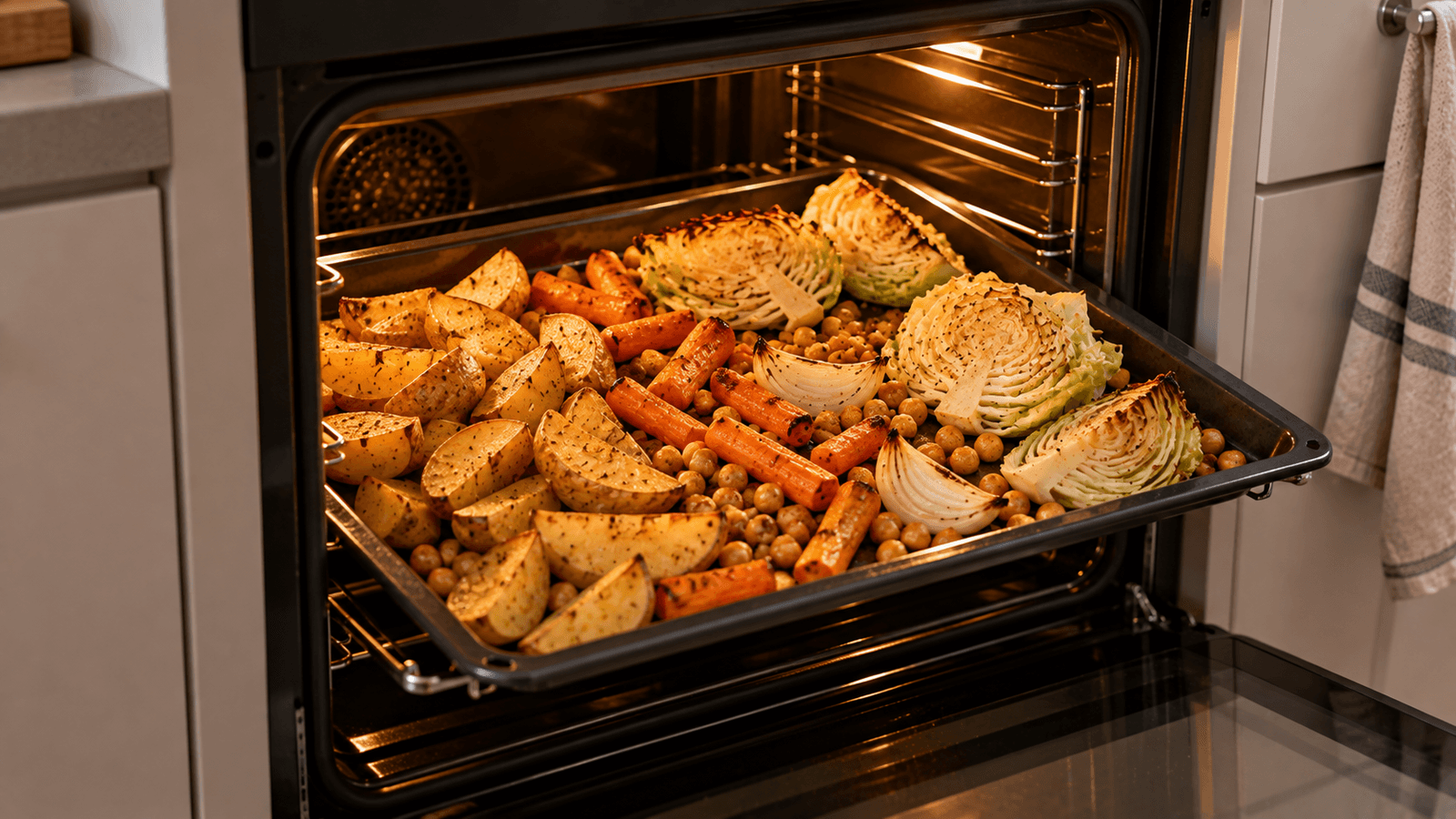
20 cheap healthy dinner ideas built around affordable staples such as beans, lentils, eggs, potatoes, rice, pasta and frozen vegetables.
Read article →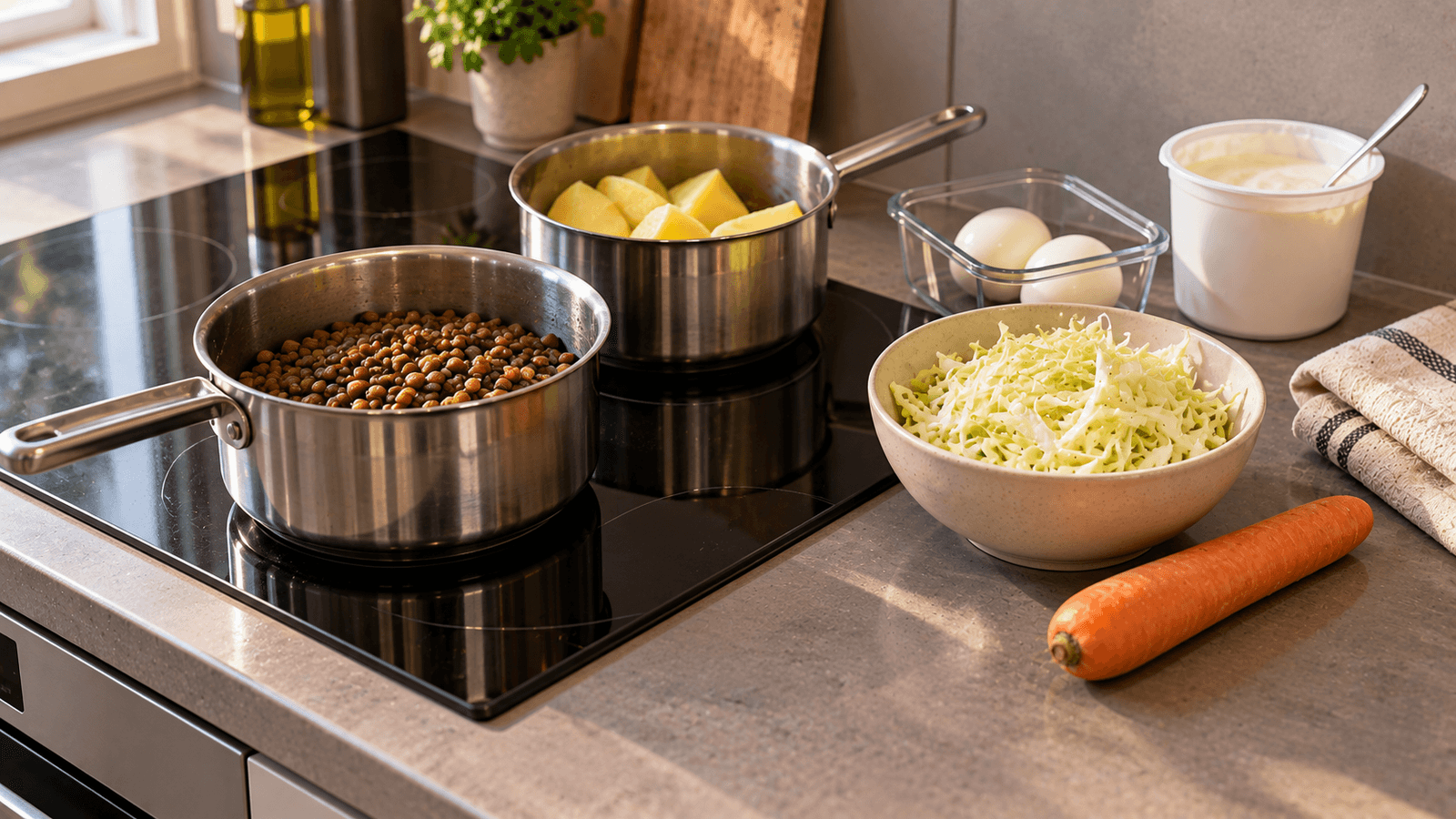
Affordable lunches do not need to rely on expensive specialty foods. These practical ideas use inexpensive staples, reusable ingredients and simple combinations for filling everyday meals.
Read article →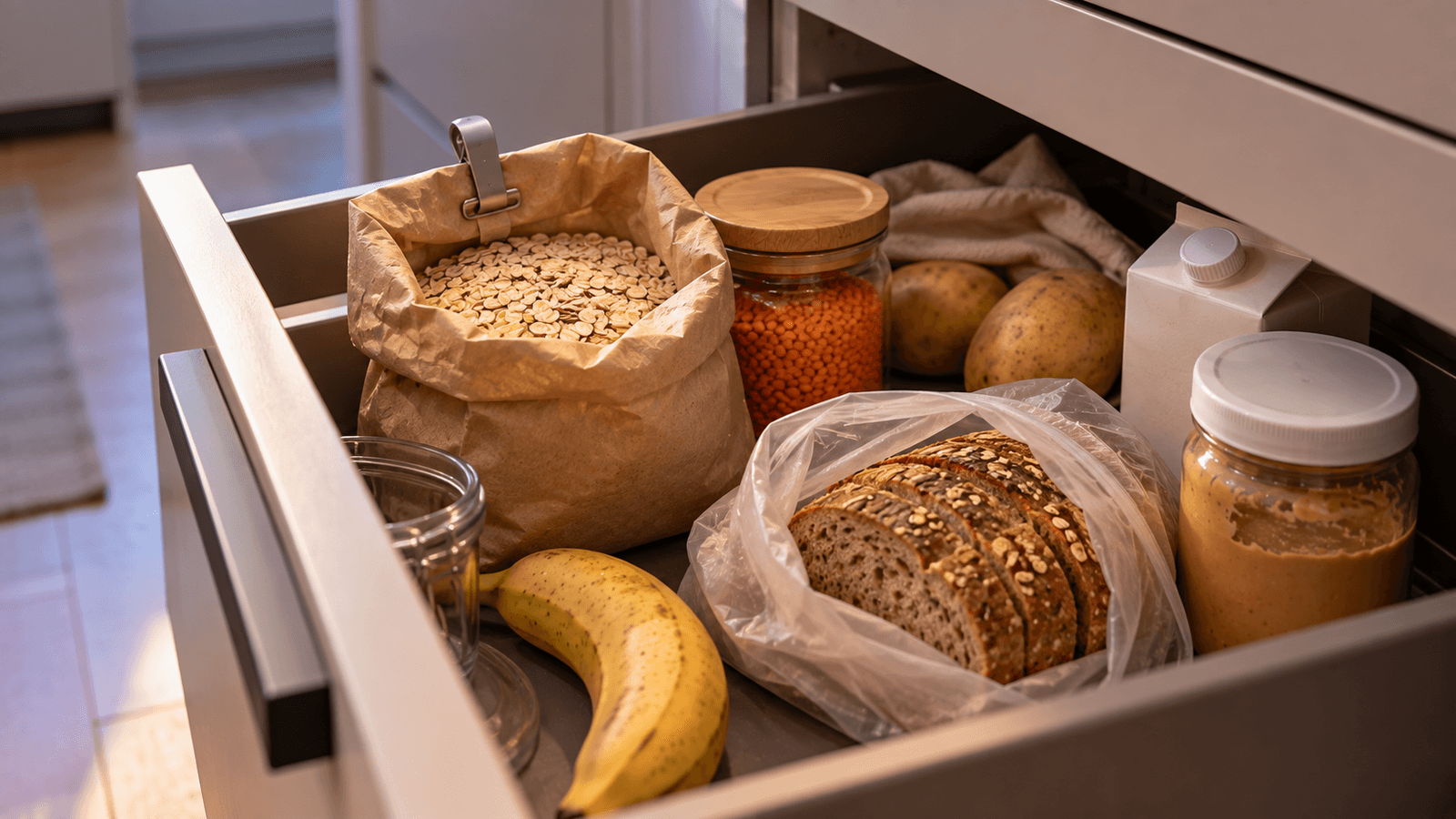
Affordable breakfast ideas built from simple staples such as oats, eggs, yogurt, fruit, bread and legumes, with practical ways to keep the cost per serving low.
Read article →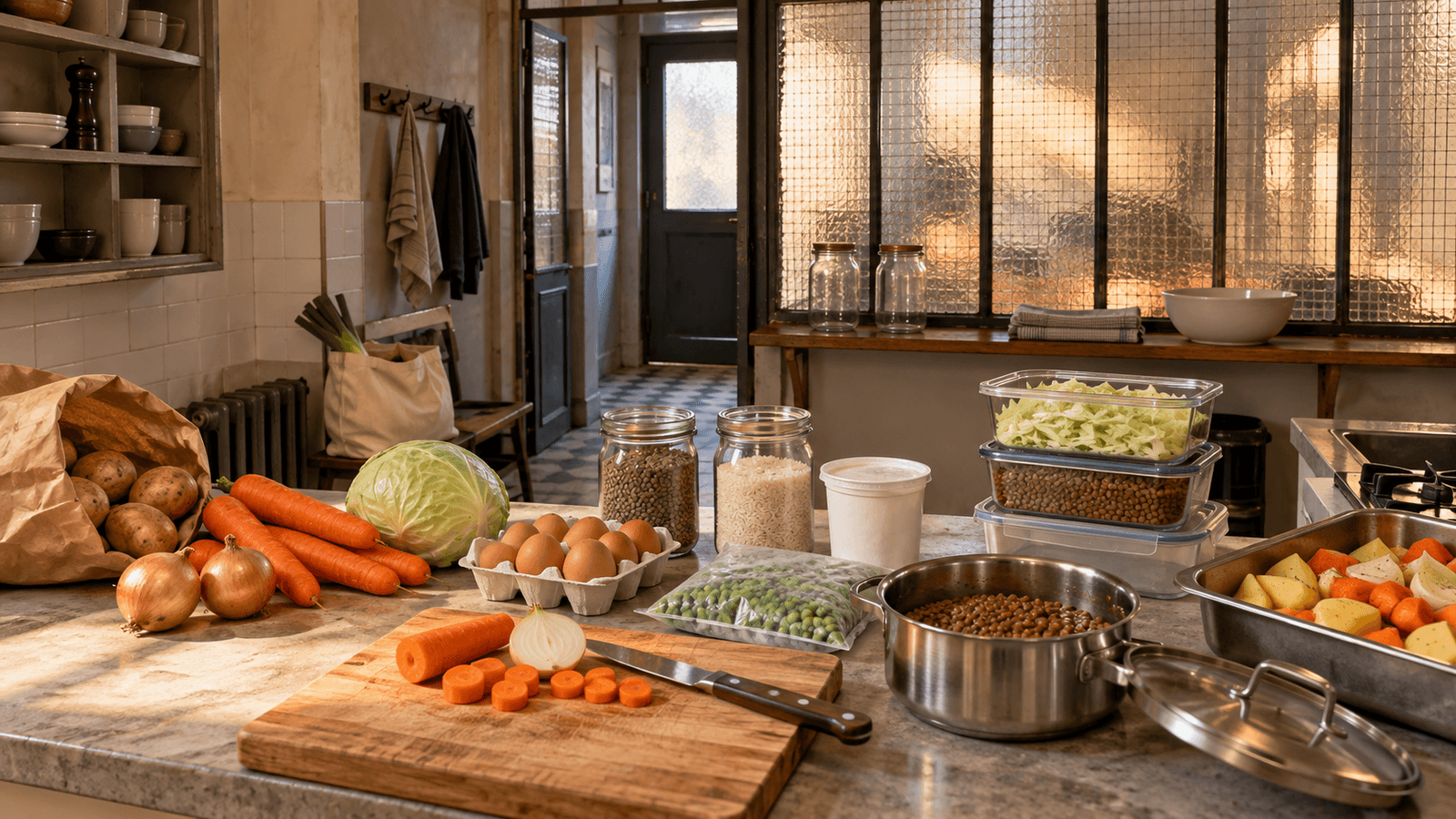
Learn how to meal prep on a budget without buying excessive ingredients, cooking identical meals all week or letting prepared food go to waste.
Read article →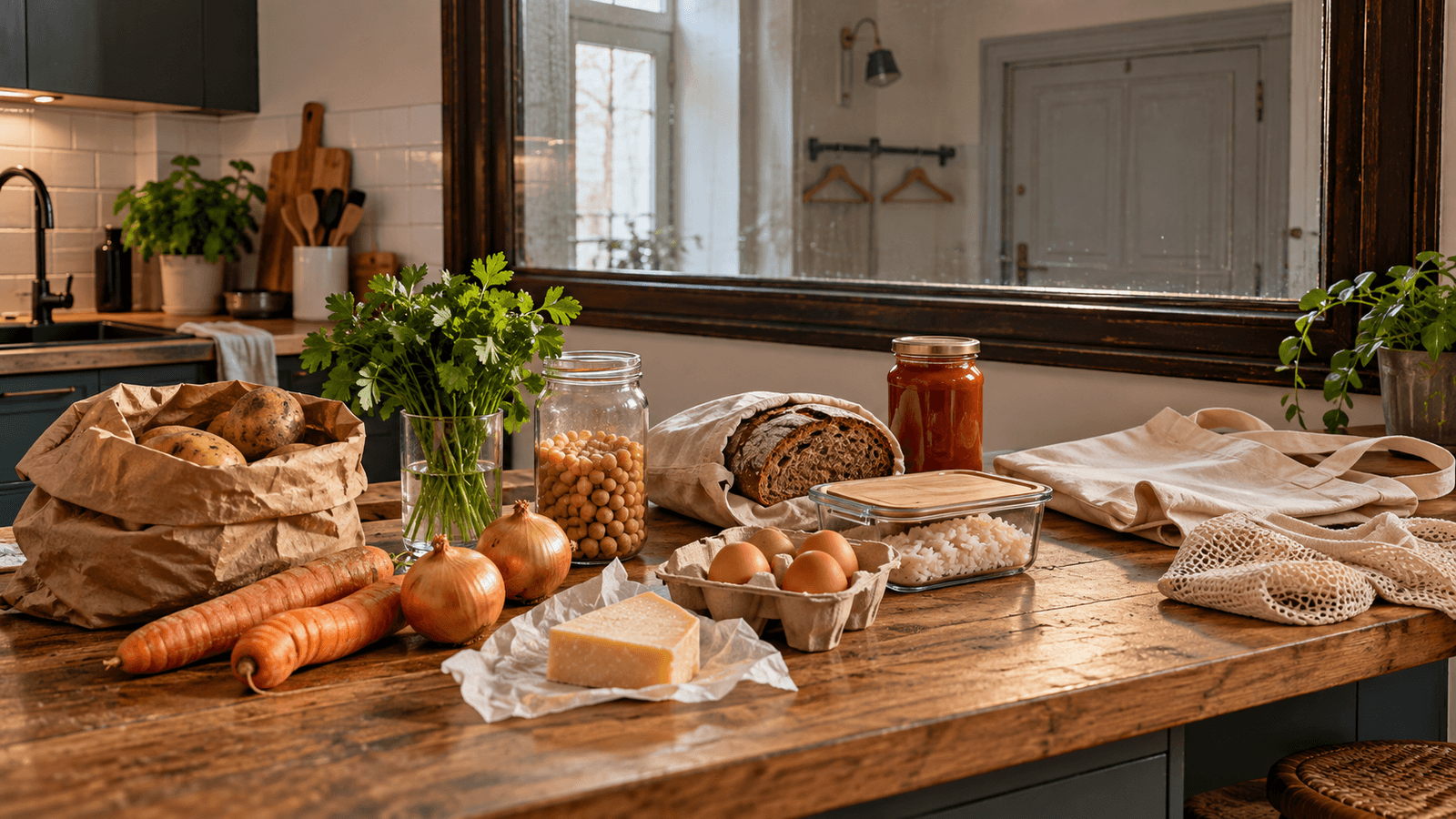
Learn how to use meal planning to spend less on groceries, use what you already have, reduce food waste and build a practical shopping list.
Read article →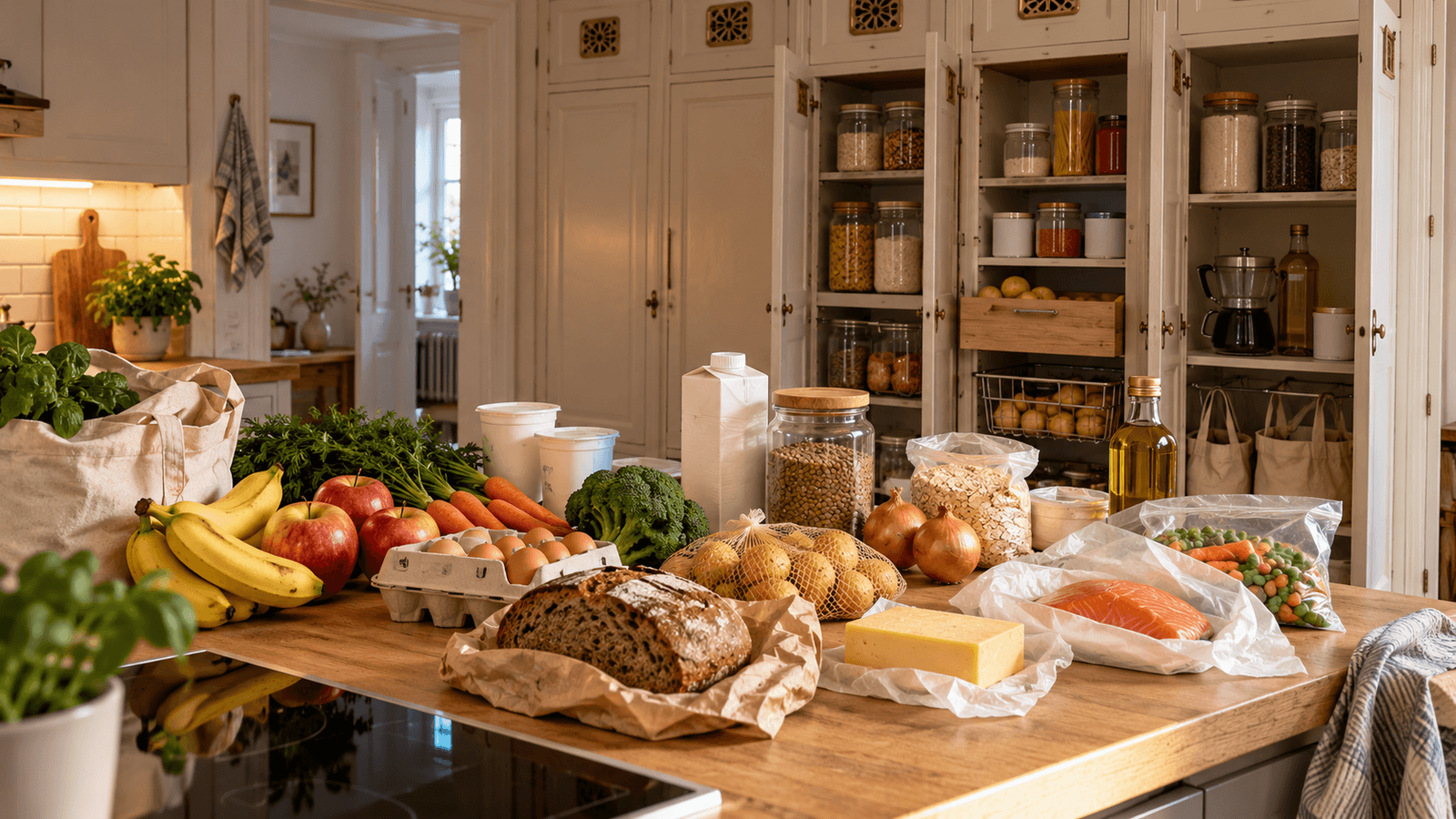
Learn how to set a realistic grocery budget based on household size, eating habits, food prices and waste — without relying on one universal number.
Read article →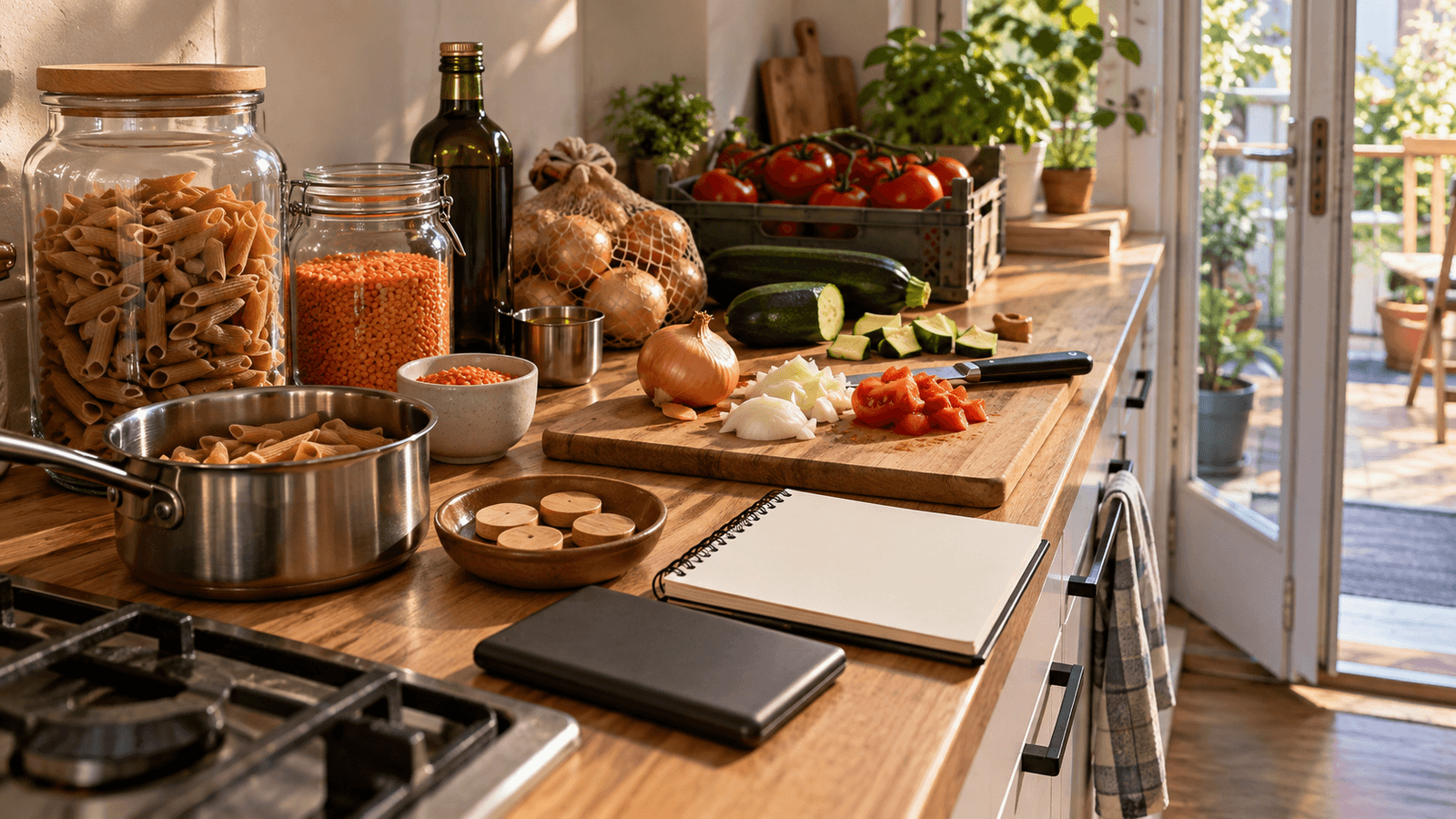
Learn how to calculate the real cost of a meal from ingredient prices, package sizes and the amount actually used, with practical examples for recipes and meal planning.
Read article →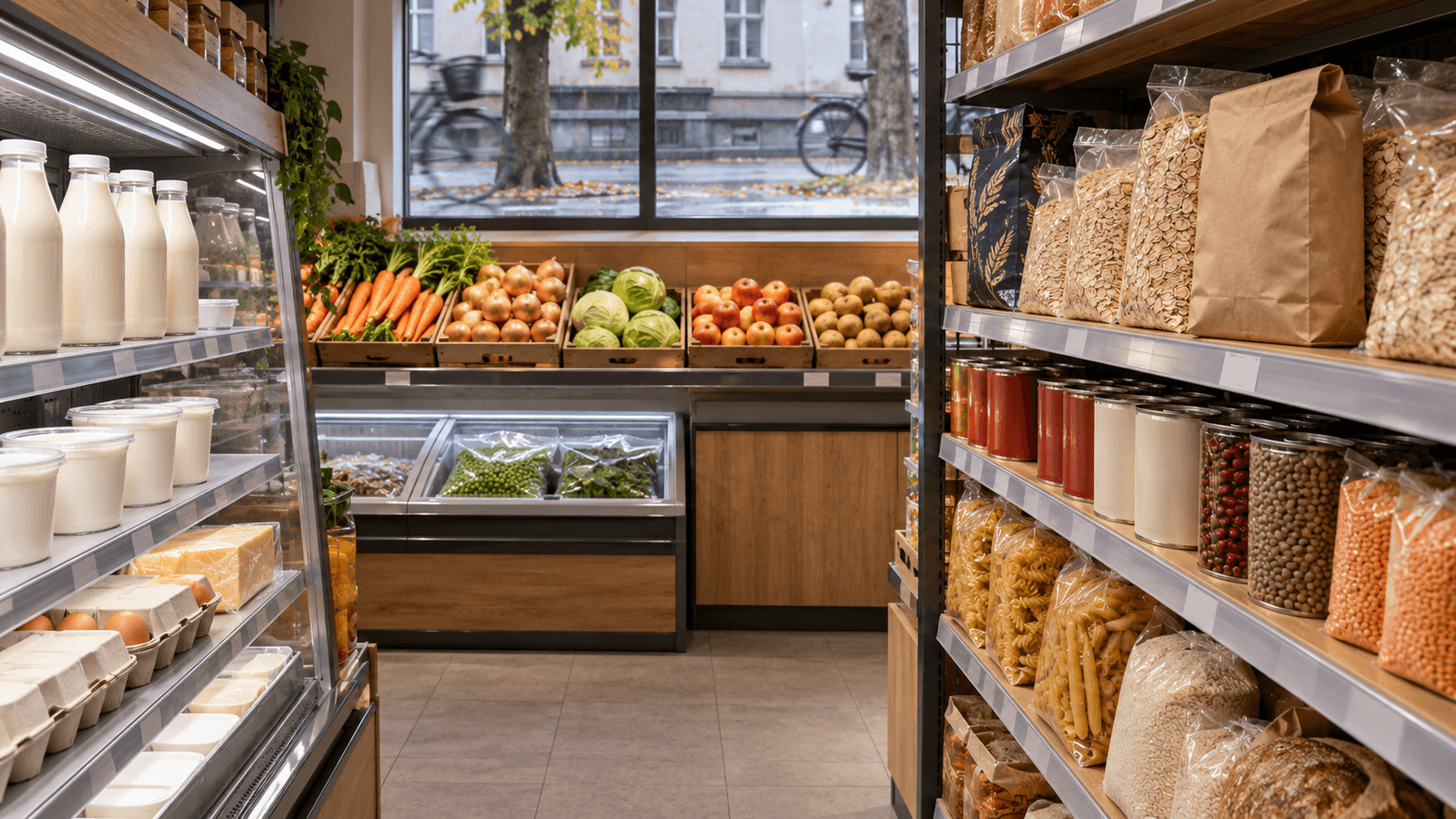
Learn practical ways to reduce grocery spending while keeping meals nutritious, from comparing unit prices and choosing store brands to reducing food waste and making smarter substitutions.
Read article →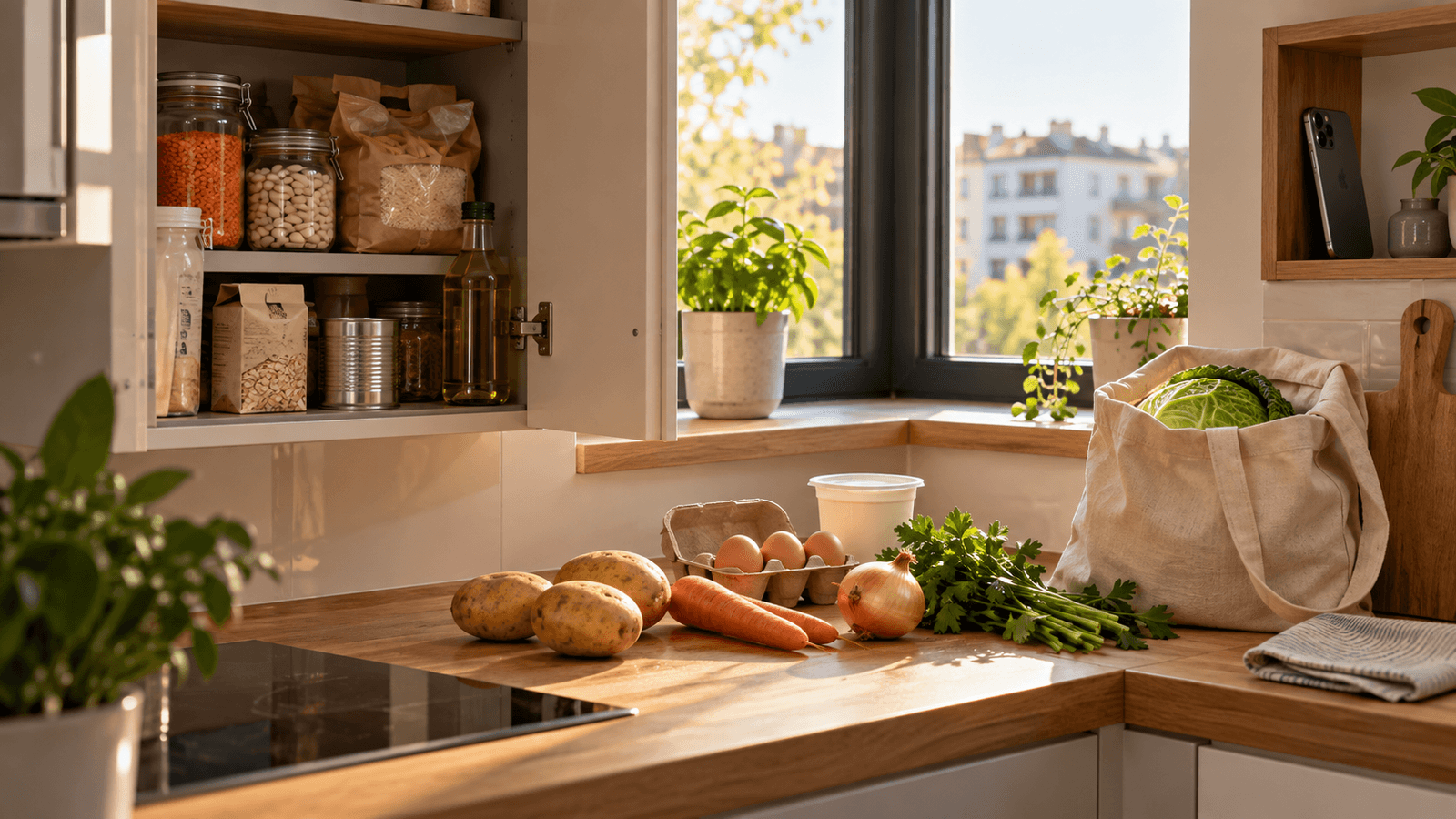
Learn how to build cheap healthy meals with affordable staples, practical protein sources, vegetables and flexible meal formulas that reduce cost and food waste.
Read article →