
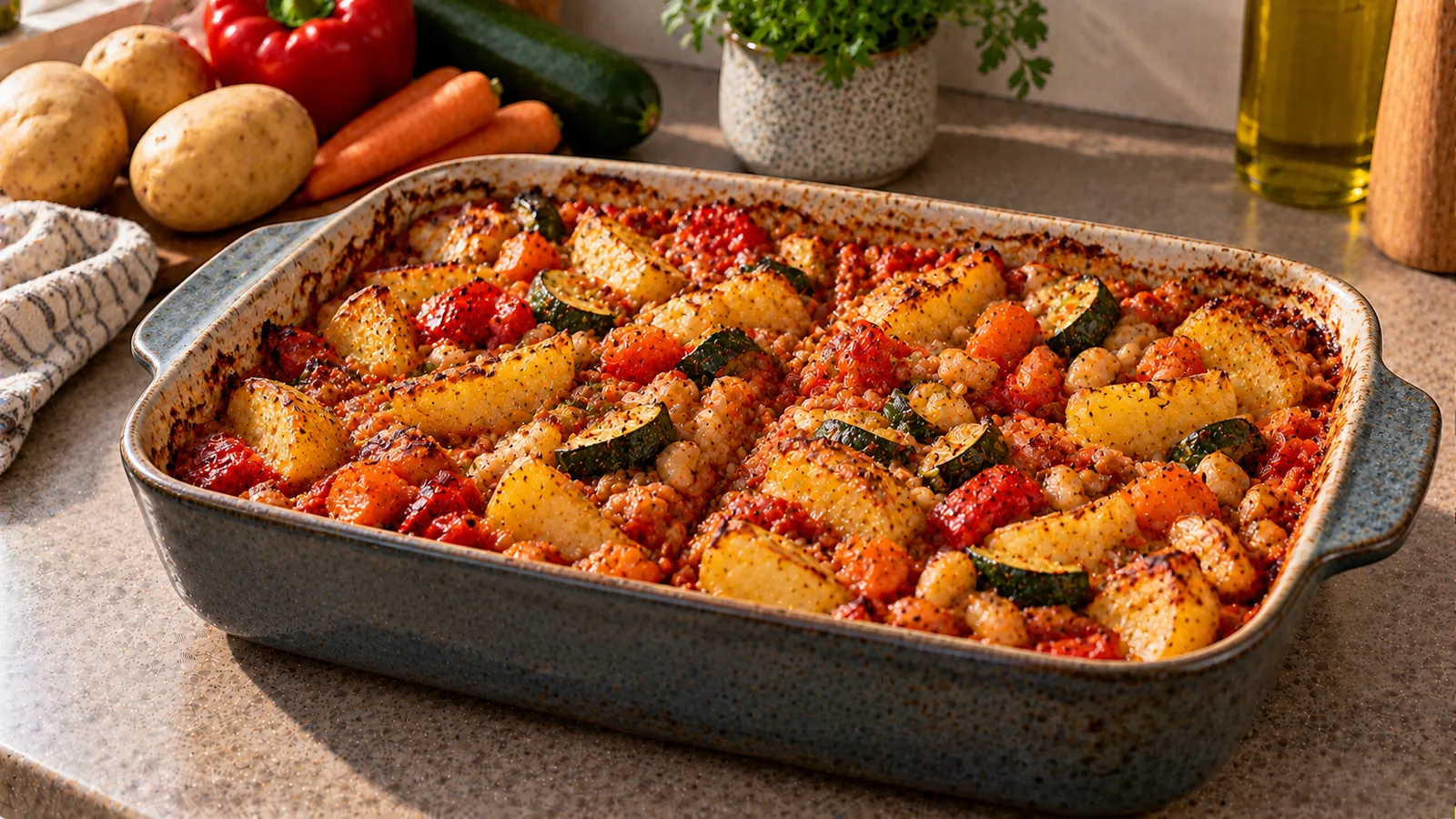
Five family dinners for four people, with exactly measured recipes and one shopping list, can be planned without asking everyone to eat the same small portion. This five-night example uses lentils, canned beans, chickpeas, eggs and one chicken dinner, alongside vegetables and starchy foods. With the deliberately illustrative German prices used below, buying all 16 grocery lines costs €35.07, while the ingredients allocated to the 20 plates cost €26.72 (about €1.34 per plate). The remaining €8.35 represents food still in the kitchen, not money refunded by the shop.
The figures are a cost model, not verified supermarket offers. They do not include salt, spices, drinking water, electricity or gas, and are not a guarantee of a particular child's calorie needs. The four portions are equal reference portions; younger children may need smaller servings and hungry adults may want more. Cook a complete dinner and adjust the serving size at the table rather than calling every family of four identical.
The five-night schedule and the family budget
The schedule deliberately alternates plant-based meals, eggs and chicken. Grain and lentil weights are dry, canned legumes are drained, vegetables are weighed as bought, and chicken is raw boneless meat. Each dish makes four main-dish portions; none of the other four dinners is a recycled serving of the chicken.
| Night | Family dinner (four plates) | Ingredients used, all four |
|---|---|---|
| 1 | Red-lentil tomato pasta | 3.61 € |
| 2 | Baked potatoes with white beans and yogurt | 4.29 € |
| 3 | Chickpea vegetable rice skillet | 4.75 € |
| 4 | Roast chicken, potato and carrot tray | 8.49 € |
| 5 | White-bean spinach frittata with bread | 5.58 € |
| Total | 20 | 26.72 € |
This schedule costs €3.61, €4.29, €4.75, €8.49 and €5.58 per dinner when rounded to cents in that order. It is a five-dinner basket, not a five-day full-diet plan: breakfast, school lunches, fruit, snacks and drinks need their own budget. For broader dinner sequencing see how to plan dinners for a week; this article goes further by tracking every gram bought and used for exactly four portions.
One shopping trip: what you actually pay
These are deliberately uncomplicated package sizes found in the general German grocery market, but all prices are arithmetic assumptions, not published shelf prices. The canned beans are calculated using an assumed 240 g drained per 400 g can; check the net drained weight on the brand you buy. A 500 ml oil bottle is charged to checkout in full even though this plan only uses 105 ml.
| Grocery item | Purchased quantity | Checkout price |
|---|---|---|
| Whole-wheat pasta | 500 g | 0.99 € |
| Dry red lentils | 500 g | 1.89 € |
| Tomato passata | 1 000 g | 1.79 € |
| Carrots | 2 000 g | 1.99 € |
| Onions | 1 000 g | 1.39 € |
| Frozen spinach | 1 000 g | 2.09 € |
| Cooking oil | 500 ml | 2.49 € |
| Potatoes | 3 000 g | 3.99 € |
| White beans, drained | 3 cans × 400 g; 720 g drained | 2.67 € |
| Natural yogurt | 500 g | 0.95 € |
| Chickpeas, drained | 2 cans × 400 g; 480 g drained | 1.58 € |
| Dry rice | 500 g | 1.39 € |
| Frozen mixed vegetables | 750 g | 1.79 € |
| Boneless chicken thighs, raw | 1 000 g | 5.99 € |
| Eggs | 10 | 2.49 € |
| Wholegrain bread | 500 g | 1.59 € |
| Checkout total | 16 items | 35.07 € |
At the register you pay €35.07 under the assumed prices, or €8.77 per person across five dinners in initial spending. The dishes use food worth €26.72. Dividing only that ingredient-use figure by 20 gives about €1.34 per plate; dividing the checkout bill by 20 instead gives about €1.75 per plate. Both are valid arithmetic, but they answer different questions. A family beginning with an empty pantry must be able to pay the full checkout total.
For example, the 500 g pack of lentils costs an assumed €1.89, but Monday uses only 240 g: 240 ÷ 500 × €1.89 = €0.91. Friday uses eight of ten eggs: 8 ÷ 10 × €2.49 = €1.99 rounded. None of these calculations silently treats the unused lentils or eggs as already eaten. The German consumer centre's guidance on planning quantities and shopping lists makes the same practical distinction between a planned basket and impulse buying, without supplying the example prices here.
Dinner 1: red-lentil tomato pasta with spinach
Four portions, €3.61 ingredients used. Measure 360 g whole-wheat pasta, 240 g dry red lentils, 500 g tomato passata, 300 g carrots, 200 g onions, 200 g frozen spinach and 20 ml oil. Allow roughly 35 minutes. You will use pasta and lentils in the same dinner, but they have different cooking requirements.
- Dice the onions and grate or finely chop the carrots. Cook both in the oil until softened. Add the dry, rinsed red lentils, passata and enough water to keep the mixture loose.
- Simmer gently according to the lentil pack, stirring until completely tender. Add the frozen spinach and cook it through in the sauce. Water changes texture and cooked weight but does not need a separate calorie entry.
- Boil the whole-wheat pasta in a separate pot to the package directions, drain it, and divide it among four plates. Spoon on the lentil-tomato sauce in equal portions.
A small eater may prefer less pasta and more sauce, or vice versa. If some sauce is not served, refrigerate it promptly rather than including it in the four eaten portions. The ingredient cost assumes the entire listed batch is eaten over the planned four plates; retained leftovers should be accounted for separately in your food diary.
Dinner 2: baked potatoes, white beans and herbed yogurt
Four portions, €4.29 ingredients used. Use 1,200 g potatoes, 480 g drained white beans, 200 g natural yogurt, 300 g carrots, 100 g onions and 20 ml oil, plus dried herbs and pepper from the cupboard. Heat the oven to around 200 °C (follow your oven and tray's guidance); allow 35–50 minutes depending on potato size.
- Scrub the potatoes, cut them into similarly sized wedges and mix with most of the oil. Roast until fully cooked and tender, turning once. No fixed bake time can replace checking the centre of a thick wedge.
- Slice carrots and onions, sauté or roast them using the rest of the measured oil. Drain the beans and heat them until steaming; don't weigh the can or packing liquid as edible beans.
- Make a cool sauce from the yogurt, herbs and a little water. Place a quarter of the cooked potatoes, beans and vegetables on each plate and offer the yogurt on the side.
This is the meal that uses two of the three white-bean cans. Leave the third can unopened for Friday. Check allergies and dietary needs: yogurt contains milk, and if a dairy-free alternative is substituted its label and price will change the budget. Serving plain components separately may help families with different preferences without preparing an entirely second dinner.
Dinner 3: chickpea and vegetable rice skillet
Four portions, €4.75 ingredients used. Use 480 g drained chickpeas, 320 g dry rice, 600 g frozen mixed vegetables, 150 g onions, 300 g passata and 20 ml oil. Choose a vegetable blend without a ready-made sauce, which could change salt and cost. Allow about 30–40 minutes, depending on rice.
- Cook the rice in water according to its package; weigh it before cooking for this recipe. Do not swap 320 g dry rice for 320 g cooked rice in the shopping arithmetic.
- Soften chopped onion in oil. Add the frozen vegetables and cook them fully; then stir in the drained chickpeas and passata and heat until the whole pan is steaming.
- Divide the finished rice and chickpea mixture into four plates. If you mix everything together, distribute the finished batch by weight for greater consistency.
Use all two chickpea cans, but only 300 g of the 1,000 g passata pack on this night. The passata was first opened for Monday: keep refrigerated according to the pack's instructions; if its permitted storage time is shorter than your schedule, freeze Wednesday's 300 g in a clean container on Monday and thaw in the refrigerator before use. Don't leave an opened carton on the counter across several days.
Dinner 4: chicken, potatoes and carrots on one tray
Four portions, €8.49 ingredients used. Use 1,000 g raw boneless chicken thigh, 1,200 g potatoes, 500 g carrots, 200 g onions and 25 ml oil. Chicken is the most expensive meal in this example, at about €2.12 per plate, yet the plate also contains vegetables and starch rather than a kilogram of meat per person.
- Cut potato wedges and carrots into similar-sized pieces; add the onions and toss vegetables with part of the oil. Spread over a large tray, using two trays if crowding prevents even roasting.
- Put the chicken on a separate clean work surface, season and add with the remaining measured oil. Wash hands and tools after raw poultry handling; avoid contaminating salad or ready-to-eat foods.
- Roast according to the cut and oven, checking that the thickest part of each chicken piece reaches 74 °C / 165 °F using a food thermometer. Remove the chicken when safe and the vegetables when tender; do not rely on a guessed universal cook time.
- Divide the cooked food between four plates. A child might have a smaller chicken piece and extra carrots; the grocery cost per reference plate remains a simple quarter of the batch cost.
If all groceries are bought on Monday and this is Thursday's meal, freeze raw chicken promptly after shopping and thaw safely in the refrigerator before cooking. Do not assume fresh raw poultry will keep safely until Thursday merely because the weekly menu says so. The USDA's food-safety temperature and raw-food guidance supports thermometer-based cooking and avoiding cross-contamination.
Dinner 5: white-bean spinach frittata with wholegrain bread
Four portions, €5.58 ingredients used. Use 8 eggs, 240 g drained white beans, 400 g frozen spinach, 150 g onions, 400 g wholegrain bread, 150 g natural yogurt and 20 ml oil. The beans are the last unopened can from the basket. Bread can be frozen early in the week in four-slice portions if its freshness date is short.
- Cook the chopped onion in a large ovenproof pan with the measured oil. Add the frozen spinach and cook until thoroughly hot; allow excess water to evaporate so the frittata sets.
- Drain the white beans, fold them through the spinach and beat all eight eggs in a clean bowl. Pour eggs over the vegetables. Cook gently, then finish under an oven grill if your pan is ovenproof, until the eggs are fully set.
- Cut the cooked frittata into four equal sections. Serve each with 100 g bread and a quarter of the 150 g yogurt as a dip. If the bread or yogurt is uneaten, subtract it from the recorded portion rather than claiming the recipe's whole budget was consumed.
The egg and bean mixture contains protein and the bread contributes starchy energy and fibre, but the specific grams of protein and fibre depend on the products purchased. The plan avoids pretending that an untested recipe has laboratory-exact nutrient totals.
What is left in the kitchen after night five?
Use the same unit that was used at purchase. Every ingredient in the recipes was subtracted from the one purchased package size; there is no hidden second shop. The white beans, chickpeas and chicken are fully allocated, while items such as onions and oil remain.
| Grocery item | Used | Unused quantity |
|---|---|---|
| Whole-wheat pasta | 360 g | 140 g |
| Dry red lentils | 240 g | 260 g |
| Tomato passata | 800 g | 200 g |
| Carrots | 1100 g | 900 g |
| Onions | 800 g | 200 g |
| Frozen spinach | 600 g | 400 g |
| Cooking oil | 105 ml | 395 ml |
| Potatoes | 2400 g | 600 g |
| Natural yogurt | 350 g | 150 g |
| Dry rice | 320 g | 180 g |
| Frozen mixed vegetables | 600 g | 150 g |
| Eggs | 8 | 2 |
| Wholegrain bread | 400 g | 100 g |
The ingredients left have an estimated combined €8.35 purchase-value remainder, subject to rounding of individual recipe costs. That value includes 600 g potatoes, 900 g carrots, 400 g frozen spinach and 395 ml oil, along with smaller dry-goods and dairy quantities. It is not a ready-made extra dinner: to assemble one, check which foods can be combined, whether a package has been opened and how much additional protein or produce the household needs.
A planning habit that works well is to compare the shopping list with the pantry before paying, mark anything that needs freezing, and use the long-lasting dry goods in the following week. Our guide to preventing food waste in meal planning explains that process beyond these five specific recipes.
Adjusting four portions for real families
"For four" is a shopping and recipe-yield definition, not a nutritional prescription. Two adults and two young children may not finish four equal servings; four active teenagers might need more. Children can be offered an age-appropriate amount of the prepared food and extra familiar vegetables, bread or fruit as appropriate. The NHS Eatwell Guide focuses on balance over the whole day or week, not exact proportions at every meal.
If someone avoids wheat, pasta and bread need suitable alternatives; check ingredients and cost. Milk allergies require changing the yogurt. Eggs are central to Friday, and chicken is on Thursday, so vegetarian households may replace the chicken with additional beans or tofu, but that substitution changes the ingredient quantities and the €35.07 budget. Do not keep the original totals after switching products. When choosing a plan for a child with allergies or a medical diet, check their individual requirements with an appropriate professional.
If you need a larger or smaller family batch, scale each recipe's ingredients by the number of eaters divided by four, then round package purchases upward to actual pack sizes. This can make checkout spending increase in steps, not in a perfectly linear fashion. Family meal planning deals with varying routines and household sizes more broadly, while budget meal-planning methods covers setting a weekly spending ceiling before choosing dishes.
Leftovers: schedule the safety, not just the cooking
Do not cook five nights of rice, chicken and eggs on Monday and leave all of it in the fridge until Friday. The plan assumes most meals are cooked on their assigned days. The USDA advises chilling perishable leftovers within two hours, using shallow containers for prompt cooling and using refrigerated cooked leftovers generally within three to four days. Reheat leftovers thoroughly to 74 °C / 165 °F. See the USDA leftover guidance. Follow stricter local or product-specific instructions where applicable.
For bulk preparation, portion vegetables and measure dry grains ahead of time, but keep uncooked chicken separated. If cooking rice in advance, cool it promptly, refrigerate it promptly and follow the relevant rice-specific storage advice rather than treating a five-day rice pot as harmless. A family calendar should include when to thaw, open and finish each product, not just the dinner name.
The Verbraucherzentrale's family kitchen guidance also recommends combining advance planning with age-appropriate participation in cooking and shopping. Having children rinse vegetables or help check the list can make the plan easier to maintain; raw chicken and hot cookware still require appropriate supervision.
Using this plan without mistaking costs for nutrition
This five-night basket is designed to make the whole-package cash cost, ingredient-used cost, and actual servings visible. Its assumed prices cannot replace a receipt; its portion counts cannot replace an individual nutrition assessment; and the recipes do not cover all foods a household needs across the week. That is precisely why the total is reproducible: you can change one ingredient or supermarket price, recompute the basket and keep the same five dinner tasks.