
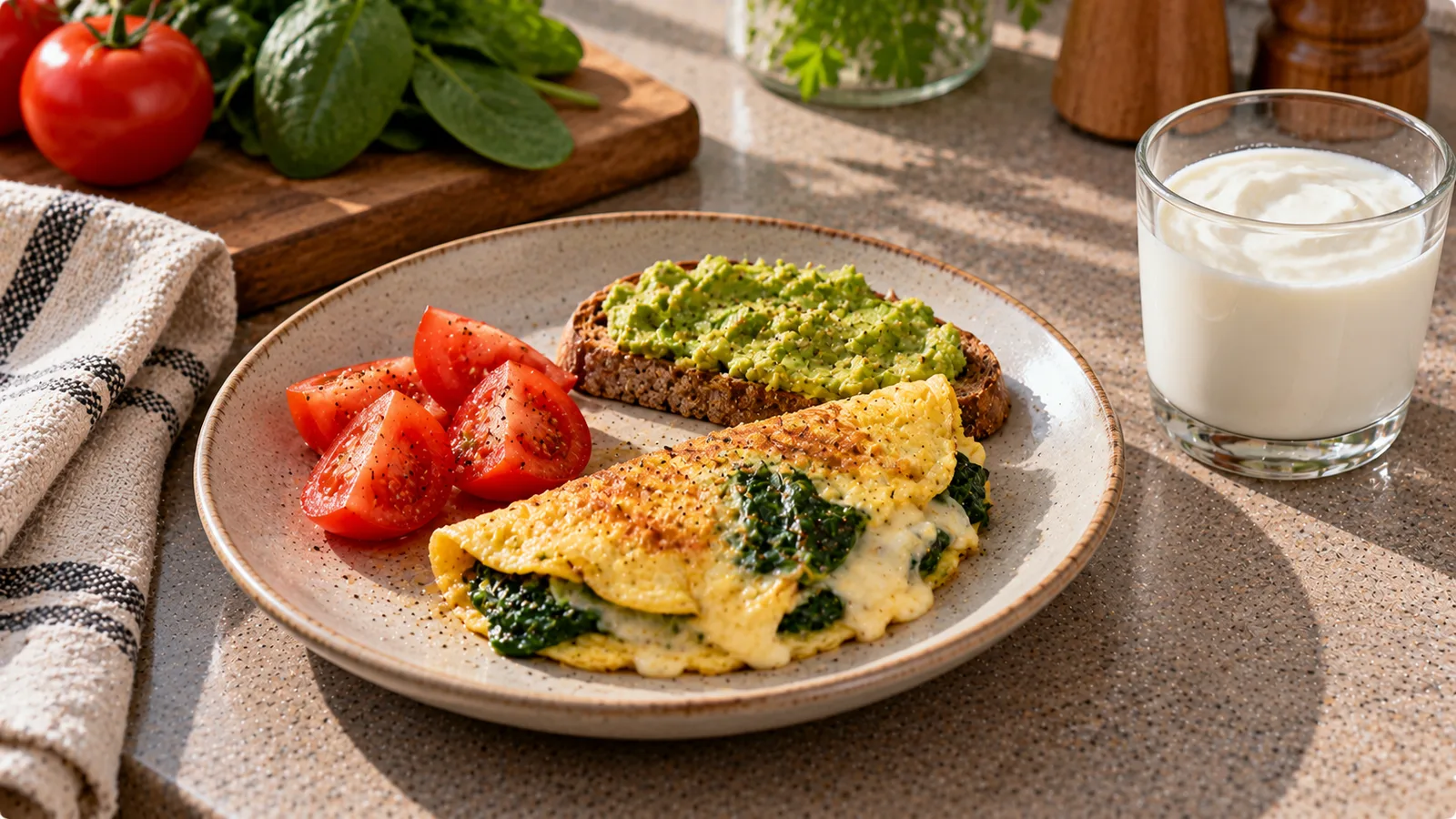
When appetite is low, a normal-sized meal can feel overwhelming.
A large plate may be difficult to finish, even when your body still needs energy, protein and essential nutrients.
One practical response is to change the structure of meals rather than simply forcing yourself to eat larger portions.
Instead of relying on two or three substantial meals, you can use smaller eating opportunities and make each portion more nutritionally useful.
The goal is not to make every bite as calorie-dense as possible. It is to obtain an appropriate combination of energy, protein, carbohydrates, fats, vitamins and minerals in a volume that feels manageable.
This approach is particularly relevant when low appetite is temporary or when a clinician has advised smaller meals.
Persistent or unexplained appetite loss, especially with unintended weight loss, should be assessed by a healthcare professional. The NHS guidance on unintentional weight loss explains why unexplained weight changes warrant medical attention.
Start with the reason for eating smaller meals
Smaller meals can serve different purposes.
Someone recovering from a short illness may need manageable portions while their appetite returns.
Someone with a busy schedule may simply find large meals inconvenient.
Another person may experience early fullness, nausea, digestive discomfort or medication-related appetite changes.
These situations are not medically equivalent.
A meal-planning strategy can help organize food, but it does not diagnose or treat the underlying cause.
For example, a person with diagnosed gastroparesis may need specific modifications to fat, fibre and food texture. The US National Institute of Diabetes and Digestive and Kidney Diseases describes individualized dietary approaches for that condition.
The general ideas below should not override disease-specific medical advice.
What does nutrient-dense mean?
A nutrient-dense food provides meaningful nutrients relative to the energy it supplies.
In everyday meal planning, however, there are two related goals:
- Nutrient density: obtaining protein, vitamins, minerals and other useful nutrients.
- Energy adequacy: eating enough calories for your individual needs.
When appetite is low, both matter.
Vegetables and fruit can be rich in micronutrients but may not provide enough energy on their own.
Nuts and oils can provide substantial energy in a small volume but do not replace a varied diet.
A practical small meal often combines several food groups.
For general healthy-diet principles, see the World Health Organization's healthy diet guidance.
Build each small meal around three components
A useful starting structure is:
Protein source + energy source + fruit or vegetable.
For example:
| Component | Practical options |
|---|---|
| Protein | Yogurt, skyr, eggs, tofu, fish, chicken, beans |
| Energy | Bread, oats, rice, potatoes, olive oil, nuts |
| Fruit or vegetable | Berries, banana, tomato, cooked carrots, spinach |
Not every snack needs all three components.
The structure is simply a way to avoid relying on low-energy foods that leave important nutritional needs unmet.
A small yogurt bowl with oats and nut butter, for example, can provide more nutritional variety than plain yogurt alone.
Five small meal combinations
The following examples are flexible ideas rather than prescribed portions.
1. Yogurt with banana and nut butter
Combine plain yogurt with sliced banana and a small amount of peanut or almond butter.
The yogurt contributes protein, the banana provides carbohydrates and the nut butter adds energy and fat.
Use a suitable alternative if nuts are not appropriate.
2. Egg and avocado toast
Serve one cooked egg with a small slice of bread and a little avocado.
This provides protein, carbohydrate and fat without requiring a large plate.
Add tomato if tolerated and desired.
3. Rice bowl with chicken and cooked vegetables
Use a modest portion of cooked rice, chopped chicken and soft cooked vegetables.
A small amount of olive oil can increase energy without adding much volume.
Adjust the texture according to individual needs.
4. Tofu and noodle soup
Prepare a small bowl of noodles with tofu and cooked vegetables in broth.
This may be appealing when a dry meal is difficult to eat.
However, a very large volume of broth can cause fullness before enough energy is consumed.
Use a balance of solids and liquid that works for you.
5. Hummus with pita and cucumber
Pair a small pita with hummus and cucumber.
Hummus contributes legumes and fat, while pita adds carbohydrates.
If raw vegetables cause discomfort, replace them with a tolerated cooked option.
Use a meal matrix instead of a rigid menu
Low appetite can vary throughout the day.
A fixed plan that assumes the same hunger level every morning may become difficult to follow.
A flexible matrix is often easier.
| Appetite level | Meal approach | Example |
|---|---|---|
| Very low | Small, manageable portion | Yogurt with a little nut butter |
| Moderate | Compact mixed meal | Egg toast with fruit |
| Better than usual | More complete meal | Rice, fish and vegetables |
This is not a medical classification of appetite.
It is a practical way to adapt portion sizes while keeping nutrition in mind.
If appetite improves later in the day, that may be an opportunity for a more substantial meal.
Make small portions more useful
There are several ways to improve the nutritional contribution of a meal without greatly increasing its volume.
Add a spoonful of olive oil to cooked vegetables or grains.
Use milk or a fortified alternative instead of water when preparing suitable porridge.
Include an egg, tofu or another protein source with a small carbohydrate portion.
Add ground nuts or seeds to yogurt if appropriate.
Choose a sandwich filling that provides protein rather than relying on bread alone.
These adjustments should reflect your needs.
A person who requires a lower-fat diet for a medical condition should not automatically follow high-fat enrichment suggestions.
Protein deserves deliberate attention
When food volume decreases, protein intake can fall unintentionally.
Protein-containing foods can be distributed across smaller meals.
For example:
- Yogurt at breakfast.
- Egg or tofu in a small lunch.
- Fish, beans or chicken at dinner.
- A suitable dairy or soy snack if needed.
There is no single protein target that fits everyone.
Needs vary with age, body size, activity, health conditions and clinical circumstances.
Rather than assigning an arbitrary daily target, use individualized advice when necessary.
Food labels and USDA FoodData Central can help estimate the protein supplied by specific portions.
Do not rely exclusively on liquid calories
Smoothies, milk-based drinks and soups may be easier to consume than some solid foods.
They can be useful when chewing or eating a full plate feels difficult.
However, a drink made mainly from fruit juice may provide energy without much protein.
A more complete smoothie might combine yogurt or a suitable fortified soy product with fruit and oats.
Drinks can also reduce appetite for meals if consumed in large volumes immediately beforehand.
The best timing and composition depend on the individual.
People with swallowing difficulties need professional assessment before changing food or liquid textures.
Example: a flexible day of smaller meals
This is an illustrative schedule, not a calorie prescription.
| Time | Small meal |
|---|---|
| Morning | Plain yogurt, oats and banana |
| Mid-morning | Egg on a small slice of toast |
| Lunch | Rice, chicken or tofu, cooked vegetables |
| Afternoon | Small smoothie with a protein-containing base |
| Evening | Fish or beans with potatoes and vegetables |
| Later, if needed | Small portion of yogurt or another tolerated snack |
The portions can be adjusted to appetite.
The total daily energy and protein must still be appropriate for the person.
For someone who needs weight maintenance or recovery, the plan may require larger portions or additional energy.
A registered dietitian can help establish suitable targets.
Example: improving a small breakfast
Suppose breakfast is only half a banana.
That provides some carbohydrate but is unlikely to form a nutritionally complete meal by itself.
A more balanced option could be:
- Half a banana.
- 150 g plain yogurt.
- 15 g oats.
- 10 g nut butter.
This adds protein, fat and additional carbohydrates while keeping the meal relatively compact.
The exact calories and nutrients depend on the products used.
Calculate them from package labels or USDA FoodData Central rather than assuming every yogurt or nut butter has the same values.
Example: improving a small lunch
Consider a lunch consisting of a few spoonfuls of plain rice.
It may be easy to eat but contributes little protein by itself.
You could add:
- A small portion of cooked chicken or tofu.
- Soft cooked vegetables.
- A modest amount of oil or sauce.
This creates a more varied meal without necessarily requiring a large serving.
If the person has a condition affecting digestion, the ingredients and preparation may need individual adjustment.
When to eat if hunger cues are unreliable
Some people with low appetite find that waiting until they feel hungry results in missed meals.
A gentle schedule may help.
For example, plan several eating opportunities during the day and adjust their size based on tolerance.
The aim is not to force food at exact intervals.
It is to make nourishment available before the day passes without enough intake.
A reminder can be useful for someone who becomes distracted or forgets to eat.
However, a person with significant nausea, pain or early satiety should seek appropriate medical guidance rather than simply increasing meal frequency indefinitely.
What about fibre?
Fibre is an important part of a healthy diet.
But large portions of raw vegetables, bran or legumes can feel bulky.
If appetite is low, smaller portions of cooked vegetables, peeled fruit when appropriate or softer grains may be easier for some people.
This does not mean fibre should automatically be restricted.
People with certain gastrointestinal conditions may need specific dietary advice.
For instance, dietary guidance for gastroparesis can differ from general recommendations, as described by NIDDK.
Avoid treating one digestive strategy as appropriate for everyone.
Fat can help with energy, but context matters
Fat supplies more energy per gram than protein or carbohydrate.
That makes foods such as olive oil, nuts and avocado useful when increasing calories without greatly increasing portion size.
However, high-fat meals can worsen symptoms for some people with digestive disorders.
The goal is not to add large amounts of fat indiscriminately.
Use moderate additions where tolerated and consistent with individual medical advice.
A small amount of oil in rice may be useful for one person, while another may need a different approach.
If the smell of cooking reduces appetite
Strong cooking smells can make eating less appealing for some people.
Cold or room-temperature foods may be easier in that situation.
Examples include yogurt bowls, sandwiches, chilled cooked grains or suitable ready-to-eat foods.
Choose foods that have been stored safely.
If nausea or appetite loss is related to medical treatment, individualized symptom-management advice may be needed.
The US National Cancer Institute's information on appetite loss describes nutrition challenges that can occur during cancer treatment; its recommendations are specific to that context and should not be generalized to every cause of low appetite.
Make the environment easier
Meal planning is not only about ingredients.
A few practical changes may help:
- Prepare smaller plates rather than serving an intimidating large portion.
- Keep convenient protein-containing foods available.
- Use familiar flavours when appetite is poor.
- Prepare ingredients in advance to reduce cooking effort.
- Store leftovers safely for later.
- Avoid turning every meal into a stressful test of how much you can finish.
These ideas are supportive strategies, not guaranteed treatments for appetite loss.
Grocery shopping for smaller meals
Shopping for a week of small meals requires different quantities from shopping for large family dinners.
A useful starting basket might include:
| Food | Potential use |
|---|---|
| Plain yogurt or fortified alternative | Breakfasts and snacks |
| Eggs or tofu | Small protein portions |
| Oats | Breakfast bowls |
| Rice or potatoes | Compact meal bases |
| Bananas or pears | Easy fruit portions |
| Cooked or easy-to-cook vegetables | Meal additions |
| Olive oil | Energy addition where suitable |
| Nuts or seeds | Small toppings if tolerated |
| Fish, chicken or beans | Main meal protein |
Buy amounts that you can realistically use.
Large packs may appear cheaper per kilogram but can increase waste when appetite is unpredictable.
Frozen or shelf-stable ingredients can offer flexibility.
How to reduce food waste
If you repeatedly prepare more than you can eat, scale recipes down.
Cook a smaller base portion and keep extra ingredients separately.
Freeze suitable leftovers promptly.
Use foods that can be combined in several ways.
For example, cooked rice may become a small bowl with tofu one day and a side dish with fish another day.
Do not rely on food that has been left at unsafe temperatures.
Follow storage instructions and food-safety guidance.
Track adequacy, not just meal completion
A meal plan should not be judged solely by whether every plate was finished.
Look at patterns over several days.
Questions to consider include:
- Are meals regularly being skipped?
- Is protein included in more than one eating opportunity?
- Are fruits and vegetables represented?
- Is total intake becoming very low?
- Is weight changing unintentionally?
- Are symptoms preventing normal eating?
A nutrition app can help identify patterns, but it cannot determine the medical cause of appetite loss.
If intake is consistently inadequate, professional assessment is more important than perfect tracking.
When to seek medical advice
Seek medical assessment for persistent, unexplained loss of appetite or unintentional weight loss.
More urgent evaluation is appropriate if you cannot keep fluids down, have signs of dehydration, severe abdominal pain, difficulty swallowing or other concerning symptoms.
The NHS information on unintentional weight loss provides general guidance.
People who are pregnant, older, medically vulnerable or recovering from significant illness may require more individualized nutritional support.
If appetite loss occurs alongside an eating disorder or restrictive eating pattern, increasing calorie density alone is not an adequate substitute for specialist care.
The practical approach
Smaller meals can work when each eating opportunity contributes something useful.
Start with a protein source, add an energy-providing food and include fruit or vegetables where appropriate.
Use compact additions such as oats, oils or nuts when tolerated.
Adjust texture and timing to the individual rather than following a rigid template.
Most importantly, treat persistent appetite loss as a symptom worth understanding, not merely a meal-planning inconvenience.
The objective is adequate, varied nutrition in portions that are realistic to eat.